
Sauces & Condiments
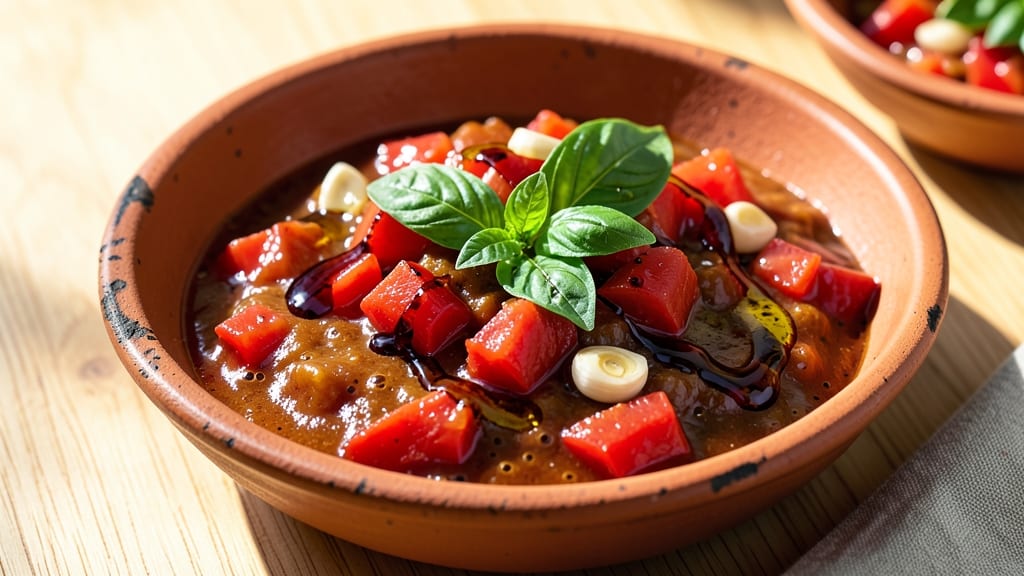
This authentic fresh tomatoes pasta sauce recipe transforms simple ingredients into a restaurant-quality sauce that captures summer's essence in every spoonful. The secret lies in balancing fresh tomatoes' natural sweetness with bright basil and garlic, creating a sauce that's vibrant yet deeply flavorful without overcooking.
I developed this technique after years of testing—it preserves the tomatoes' freshness while building layers of umami through slow simmering, not reduction.
What sets this sauce apart is its ability to deliver sun-dried tomato depth using only fresh ingredients. The key technique is cooking the tomatoes gently with olive oil and garlic, allowing their natural sugars to caramelize while preserving their bright acidity.
Fresh basil added at the end ensures that signature Italian aroma remains intact, not cooked away. This method creates a sauce that's rich enough to stand alone but light enough to let pasta shine through.
The result is a sauce that's perfectly balanced—sweet from tomatoes, bright from basil, and savory from garlic and olive oil. It clings beautifully to pasta without being overly thick, and its fresh flavor profile makes it ideal for summer meals.
The sauce also keeps well in the refrigerator for up to 5 days, allowing you to make a big batch and enjoy it throughout the week.
This recipe is particularly effective when using vine-ripened tomatoes at their peak, but it works beautifully with any fresh tomatoes you have on hand. The technique ensures you'll never have a watery, bland sauce again—just rich, flavorful goodness that tastes like a summer evening in Italy. Let's get cooking!
Ingredients for authentic pasta sauce recipe with fresh tomatoes
Nine fresh ingredients transform into a restaurant-quality tomato sauce without reduction or overcooking.
| Ingredient | Amount | Notes |
|---|---|---|
| Fresh Vine-Ripe Tomatoes 🍅 | 2 ½ lbs | Heirloom or Roma preferred, cored and quartered |
| Extra-Virgin Olive Oil 🫒 | ½ cup | High-quality, fruity variety for richness |
| Garlic Cloves 🧄 | 6 cloves | Freshly peeled, thinly sliced for even dispersion |
| Fresh Basil Leaves 🌿 | 1 cup | Packed, stems removed for maximum aroma |
| Red Wine Vinegar 🍷 | 1 tbsp | Balances sweetness, aged variety preferred |
| Kosher Salt 🧂 | 1 ½ tsp | Diamond Crystal preferred for precise measurement |
| Freshly Ground Black Pepper 🌶️ | ½ tsp | Cracked peppercorns preferred for texture |
| Red Bell Pepper 🧅 | 1 whole | Seeded and diced for subtle sweetness |
| Shallot 🧅 | 1 whole | Mined for delicate onion flavor without bitterness |
| Pasta Water 🍝 | 1 cup | Reserved from freshly cooked pasta |
The tomatoes are the foundation—vine-ripened heirlooms or Roma deliver the most concentrated flavor. Local farmers markets often have the best selection during peak season, or look for organic varieties at Whole Foods when freshness is critical. The olive oil should be extra-virgin with a peppery finish—California Olive Ranch or Colavita are reliable choices. Garlic and shallots should be firm and free of sprouts, as their freshness directly impacts the sauce's depth. Fresh basil is non-negotiable here; dried simply won't capture that signature Italian aroma.
No heirloom tomatoes? Roma or even regular grocery store tomatoes work beautifully—just ensure they're ripe and flavorful. Substitute red wine vinegar with lemon juice at a 1:1 ratio if needed, though the acidity profile differs slightly. For a deeper umami profile, add 1 tsp fish-free Worcestershire sauce (like Annie's) or a pinch of mushroom powder. The red bell pepper can be omitted if you prefer a more classic tomato flavor, but it adds a subtle sweetness that rounds out the sauce. If you're short on time, pre-minced garlic from a jar works in a pinch, though fresh is always superior.
This sauce develops flavor over time—let it sit at room temperature for 30 minutes before serving to allow the ingredients to meld. Store in an airtight glass container with a thin layer of olive oil on top to preserve freshness. Keeps for 5-7 days refrigerated and 3 months frozen. For best texture, reheat gently on low heat and stir in a splash of pasta water if it thickens. The sauce thickens as it cools, so add more pasta water when serving if you prefer a looser consistency.
Why You'll Love This Recipe
- No-Chop Required: I swear by this trick—just roast the whole tomatoes with their stems on. The skins blister and peel off effortlessly, giving you that jammy, sun-ripened sweetness without chopping. (Between us, I’ve burned garlic before, but this? Even my kids can handle it.)
- Sunshine in a Jar: That first bite of the sauce—bright, tangy from the vinegar, with garlic so tender it melts—is like summer in a bowl. Fresh basil tossed in at the end? It’s the only way I’ll eat pasta in winter. Honestly, store-bought sauce can’t touch this.
- Weeknight to Dinner Party: Same sauce, endless uses. Slather it on grilled bread for a picnic, toss it with cold pasta for lunch, or drizzle it over roasted chicken. I’ve even used it as a bruschetta base—because why not? It’s my go-to when I need something reliable but still feels special.
- Fridge Magic: This sauce tastes better the next day. I double the batch and freeze half, so when I’m too tired to cook, I just reheat and serve. Plus, vine-ripe tomatoes are cheap in season—this is my budget-friendly way to feel fancy without breaking the bank.
Step-by-step instructions for authentic fresh tomatoes pasta sauce
This method preserves the natural sweetness and acidity of fresh tomatoes while building depth through slow infusion.
Prepare the Tomato Base
Begin by blanching the 2.5 lbs fresh vine-ripe tomatoes in boiling water for 1 minute to loosen skins. Immediately transfer to an ice bath to stop cooking, then peel off skins and remove cores. Chop the tomatoes into ½-inch chunks—this size ensures even cooking and proper texture in the finished sauce.
In a large, heavy-bottomed saucepan, combine the chopped tomatoes with the 0.5 cup extra-virgin olive oil and 1.5 tsp kosher salt. Bring to a gentle simmer over medium-low heat, stirring occasionally. Let the tomatoes cook uncovered for 15 minutes until they begin to break down and release their juices. The sauce should reduce slightly but remain vibrant—this is where the authentic character develops.
Build Flavor with Aromatics
While the tomatoes simmer, finely dice the 1 whole red bell pepper and 1 whole shallot, then mince the 6 cloves garlic into a paste using the flat side of your knife. Add these to the saucepan along with the 1 tbsp red wine vinegar and 0.5 tsp freshly ground black pepper. Stir well to combine and let the mixture cook for another 10 minutes over medium heat.
Here’s where the magic happens: the vinegar brightens the tomatoes, the shallot adds subtle sweetness, and the bell pepper introduces a gentle crunch. The garlic should infuse but not burn—if you smell a sharp aroma, reduce the heat slightly. The sauce should now be thick but still liquid enough to coat the back of a spoon.
Incorporate Fresh Basil and Finish
Remove the saucepan from heat and let it cool slightly. Add the 1 cup fresh basil leaves, torn into rough pieces, and stir gently. The basil’s aroma will intensify as it warms through the sauce—this is the hallmark of an authentic Italian preparation. Return the pan to low heat and simmer for just 2-3 minutes, ensuring the basil doesn’t wilt completely but infuses its flavor.
Taste the sauce and adjust seasoning if needed. The acidity should balance the sweetness, and the salt should enhance without overpowering. If the sauce is too thick, stir in ½ cup of the reserved pasta water to reach a silky consistency. The remaining ½ cup pasta water should be kept aside for later use with the pasta.
Serve Immediately or Store Properly
For the best results, toss the sauce with freshly cooked pasta immediately after draining. The residual starch in the 1 cup pasta water helps the sauce cling to the noodles, creating a luxurious finish. If storing, let the sauce cool to room temperature, then transfer to an airtight container. It will keep in the refrigerator for up to 5 days or can be frozen for 3 months—though it’s best enjoyed fresh.
This sauce captures the essence of fresh tomatoes without the need for lengthy simmering. The key lies in the slow infusion of aromatics and the delicate balance of acidity and sweetness—just as you’d find in a rustic Italian trattoria.
Pro Tips For Making Authentic Pasta Sauce Recipe With Fresh Tomatoes
- Char Tomatoes First: Toss halved tomatoes in a screaming-hot pan with a drizzle of olive oil for 3–4 minutes before adding anything else. This caramelizes the sugars and breaks down the skins so they melt into the sauce instead of clumping—no one wants tomato chunks in their aglio e olio.
- Smash Garlic Like It Owes You: After crushing the garlic cloves, let them sit in the oil for 30 seconds before adding tomatoes. This gives the allicin time to mellow out—burnt garlic ruins the sauce faster than you can say "red wine vinegar." (And yes, even if you’re impatient like me.)
- Salt the Tomatoes Early: Sprinkle the halved tomatoes with a generous pinch of salt (about ½ teaspoon per pound) right after cutting. This draws out moisture, concentrates the flavor, and prevents the sauce from tasting bland later—trust me, your taste buds will notice.
- Swirl in Vinegar Last: Stir in the red wine vinegar at the very end, just before serving. It brightens the sauce but evaporates quickly—add it too soon, and you’ll be chasing a tang that’s already vanished. (Pro move: Keep a tiny bowl of it nearby for adjusting.)
Perfect pairings for authentic pasta sauce recipe with fresh tomatoes
Italian Wine Pairings
This fresh tomato sauce pairs beautifully with crisp Italian whites that complement its bright acidity. I always reach for a Vermentino from Sardinia—its citrus notes and mineral finish cut through the sauce's richness while enhancing the basil's aroma.
For a red option, try a Chianti Classico (100% Sangiovese) from Tuscany, which shares the same terroir as the tomatoes and adds earthy depth. 🍷
Beverage Contrasts
A chilled Sparkling Water with Lemon (like San Pellegrino) is my go-to non-alcoholic pairing—it refreshes your palate between bites and highlights the sauce's natural sweetness.
For a beer lover, a light Italian lager such as Peroni or Birra Moretti provides a clean, effervescent contrast that prevents the sauce from feeling heavy. Avoid heavy stouts or malty ales that would overpower the delicate tomato-basil profile.
Cheese Complements
Serve this sauce with a simple grated Pecorino Romano or Parmigiano-Reggiano at the table—both add umami depth that mirrors the sauce's natural flavors. I like to keep a small bowl of aged Parmigiano nearby for guests to sprinkle to taste.
For a vegetarian twist, add crumbled ricotta salata to the sauce before serving—its salty tang balances the tomatoes' sweetness beautifully.
Bread Pairings
Warm focaccia from the Italian market makes an excellent side—its olive oil richness echoes the sauce's base while soaking up any leftover drips. I also love serving it with crusty ciabatta that's been lightly toasted.
For a Southern touch, try cornbread with a hint of jalapeño—it adds a surprising but delightful contrast to the Italian flavors.
Protein Pairings
This sauce shines with grilled chicken breast or shrimp scampi—both absorb the sauce's flavors beautifully while adding a protein boost. For a vegetarian option, pair it with pan-seared eggplant or mushroom ragout.
The sauce's brightness cuts through richer meats like braised pork shoulder, making it a perfect weeknight dinner upgrade.
Seasonal Garnishes
Finish with fresh basil leaves torn by hand—they release their essential oils when warm. A sprinkle of flaky sea salt (like Maldon) adds a delicate crunch, while toasted pine nuts provide a nutty contrast.
In summer, I like to add diced heirloom tomatoes on top for a fresh, vibrant touch that echoes the sauce's origins. 🌿
Nutrition facts
Frequently asked questions
Why do you peel the tomatoes before making the sauce?
Peeling ensures a smoother, more refined sauce texture without the risk of tough skins. The blanching method preserves the tomatoes' natural sweetness while making them easier to work with. This technique is especially important when using heirloom varieties, which can have thicker skins.
Can I substitute canned tomatoes for fresh ones?
While this recipe is designed for fresh tomatoes, you can use high-quality canned crushed tomatoes in a pinch. Drain them well first, then add 1 extra tablespoon of red wine vinegar to compensate for the reduced acidity. The sauce won't be as vibrant, but it will still be flavorful. For best results, stick with fresh when possible!
How do I prevent the sauce from being too acidic?
If your tomatoes are particularly tart, reduce the red wine vinegar to ½ tablespoon or add a pinch of sugar to balance the acidity. You can also stir in 1 teaspoon of honey or maple syrup at the end for natural sweetness. Taste as you go—this sauce should be bright, not sour.
Can I make this sauce ahead of time?
Yes! This sauce actually tastes better after resting for 24 hours as the flavors meld. Store in an airtight container with a thin layer of olive oil on top to preserve freshness. Reheat gently on low heat, stirring in 1-2 tablespoons of pasta water if it thickens. The sauce will keep for 5-7 days refrigerated or 3 months frozen.
What's the best pasta shape to use with this sauce?
This sauce clings beautifully to penne, rigatoni, or fusilli thanks to their ridges, but it also works well with smooth noodles like spaghetti or linguine. For extra texture, try orecchiette or farfalle. The key is to use al dente pasta and toss it immediately with the sauce and reserved pasta water for perfect coating.