
Sauces & Condiments
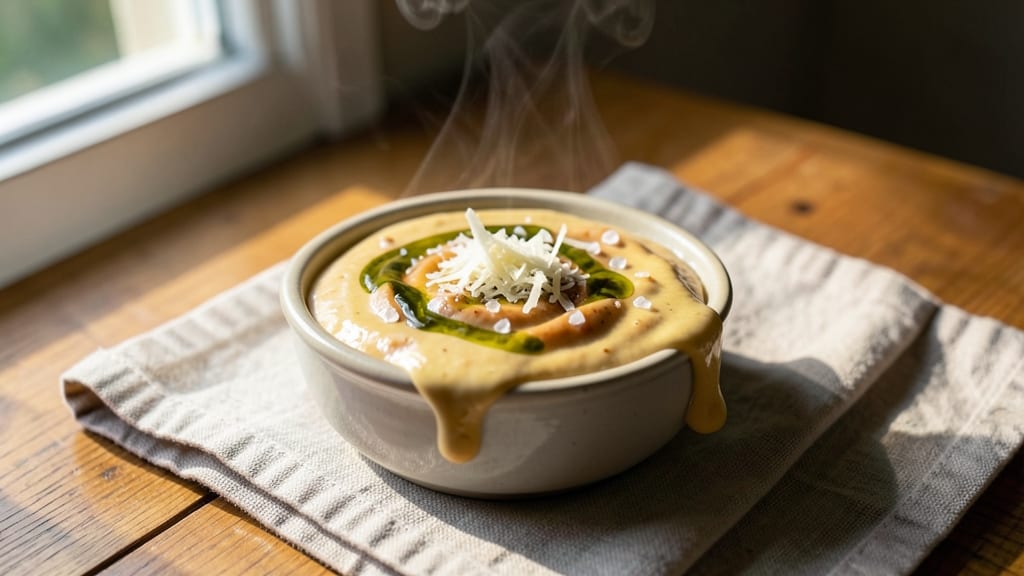
This alfredo sauce recipe for one person delivers restaurant-quality richness without the leftovers or cleanup. The secret lies in balancing butter, cream, and Parmesan to create a velvety, single-serving sauce that clings perfectly to fettuccine or grilled chicken.
I developed this after years of perfecting the ratio—no lumps, no separation, just creamy comfort in every bite.
What sets this recipe apart is its precision for one portion. You'll need just 2 tablespoons butter, ¼ cup heavy cream, and ¼ cup grated Parmesan, all combined in a small saucepan over medium-low heat.
The key technique? Whisking constantly to prevent curdling while letting the sauce thicken naturally—no thickeners required. This method ensures a smooth, luxurious texture without the effort of larger batches.
By the time you drizzle this sauce over your pasta or protein, you'll taste the perfect harmony of buttery richness, tangy Parmesan, and just a hint of garlic. The sauce stays silky and clingy, coating every strand of noodle or bite of chicken without overwhelming.
It's the kind of sauce that transforms a simple meal into something indulgent and satisfying.
Store any leftovers in an airtight container in the fridge for up to 3 days, or freeze for 1 month. Reheat gently over low heat, stirring frequently to maintain that velvety consistency. Perfect for quick weeknight dinners or when you're craving that creamy, comforting flavor without the fuss.
Ingredients for alfredo sauce recipe for one person
Six ingredients, perfect proportions—this is your single-serving alfredo dream.
| Ingredient | Amount | Notes |
|---|---|---|
| Unsalted Butter 🧈 | 2 tbsp | Cold, cut into small cubes |
| Heavy Cream 🥛 | ¼ cup | Full-fat for richness |
| Fresh Garlic Cloves 🧄 | 1 whole | Minced, for subtle aroma |
| Parmesan Cheese 🧀 | ¼ cup | Freshly grated, block preferred |
| Extra-Virgin Olive Oil 🫒 | 1 tbsp | For finishing, fruity variety |
| Diamond Crystal Kosher Salt 🧂 | ⅛ tsp | Fine grain for delicate seasoning |
| Freshly Ground Black Pepper 🌶️ | ⅛ tsp | Freshly cracked for brightness |
| Dry White Wine 🍷 | 1 tbsp | Optional, for depth (Sauvignon Blanc) |
The butter and Parmesan are your flavor anchors. European-style butter like Plugrá melts beautifully, but any unsalted brand works. For the Parmesan, skip the pre-grated stuff—it's full of anti-caking agents that ruin the texture. Grab a wedge from the deli counter at Whole Foods or Trader Joe's; their blocks are consistently high-quality. The heavy cream needs to be full-fat—none of that light stuff. I keep a small container of Organic Valley heavy cream in my fridge for this exact purpose. Fresh garlic is non-negotiable here; jarred minced garlic has a metallic aftertaste that kills the sauce's delicate balance.
No butter? Ghee or coconut oil works in a pinch, though the flavor will differ slightly. Short on Parmesan? Pecorino Romano is a great substitute, but reduce the amount by 20%—it's more intense. The white wine is truly optional, but if you're feeling fancy, a dry Sauvignon Blanc adds a lovely brightness. No wine? A splash of lemon juice at the end gives similar acidity. The olive oil might seem like an afterthought, but a high-quality extra-virgin (like California Olive Ranch) finishes the sauce with a fruity note that takes it from good to extraordinary. And if you're worried about lumps, trust the process—constant whisking over medium-low heat is the secret.
This sauce is best used immediately, but any leftovers keep beautifully in an airtight container in the fridge for 3 days. For longer storage, freeze in a small ramekin for up to 1 month. To reheat, gently warm over low heat, stirring frequently to prevent separation. I like to portion mine into 1-ounce silicone molds before freezing—perfect for single servings later. And if you're making this for pasta, cook your noodles al dente—alfredo sauce clings best to slightly firm strands. The sauce will thicken as it cools, so don't over-thicken it while cooking.
Why You'll Love This Recipe
- Here’s what sold me: I make a double batch, store it in the fridge, and reheat it like it’s day one. The cream doesn’t curdle, the garlic stays fragrant, and it’s way cheaper than takeout. My lazy Sunday mornings thank me.
- No Chopping Nightmare: I swear by this sauce because it’s the only one where I actually enjoy the prep—just two minced garlic cloves and a handful of Parmesan. The butter melts in seconds, and the heavy cream comes together smoother than my usual attempts that end in lumps.
- Garlic-Cream Magic: That first hit of sizzling garlic in olive oil? Pure flavor payoff. The heavy cream softens the punch, but the Parmesan’s sharp bite lingers—rich, velvety, and just salty enough to make you reach for another forkful.
- Pasta’s New Best Friend: Between us, this sauce turns any fettuccine into a restaurant-worthy dish without the fuss. I’ve drizzled it over roasted chicken, tossed it with sautéed mushrooms, or even used it as a creamy dip—it’s the ultimate blank canvas.
Step-by-step instructions for single-serve alfredo sauce
Simple, rich, and perfectly balanced—this method delivers velvety Alfredo without the fuss.
Melt Butter and Bloom the Garlic
In a small saucepan, melt the 2 tbsp unsalted butter over medium-low heat. You'll see it transform from solid to liquid, creating a gentle sizzle. Once fully melted, add the 1 whole minced fresh garlic cloves—this is where the aroma begins to develop. Cook for 30 seconds until the garlic becomes fragrant but doesn't brown. Overcooking turns garlic bitter, so keep an eye on it.
Here's the thing—this low-and-slow approach prevents the butter from burning while allowing the garlic's flavor to infuse fully. If you notice the butter starting to foam or smell nutty, immediately reduce the heat to low or remove the pan from the heat for a moment. The goal is a subtle garlic presence, not overpowering it.
Add Cream and Wine for Depth
Pour in the 1 tbsp dry white wine (if using) and let it simmer for 1 minute until mostly evaporated. This step deglazes the pan slightly, picking up any browned bits that add complexity. Then, slowly whisk in the 0.25 cup heavy cream. The sauce will begin to thicken almost immediately as the cream heats.
Keep the heat at medium-low and stir constantly with a silicone spatula. You're looking for a smooth, velvety texture—not lumpy, not curdled. If the sauce starts to bubble vigorously, reduce the heat slightly. The wine adds a bright acidity that balances the richness, while the cream creates that signature luxurious consistency.
Incorporate Cheese for Creamy Perfection
Gradually sprinkle in the 0.25 cup freshly grated Parmesan cheese, whisking continuously to prevent clumping. The cheese should melt into the sauce within 2-3 minutes, creating a thick, glossy texture. If the sauce becomes too thick before the cheese fully incorporates, add 1 tablespoon water at a time until you reach your desired consistency.
This is where the magic happens—the Parmesan's umami depth combines with the cream's richness. I like to press the cheese through a fine-mesh strainer for ultra-smooth results, but freshly grated works too. Taste the sauce now—it should be rich but not overly heavy. If it needs more salt, add the 0.125 tsp Diamond Crystal kosher salt in small increments.
Finish with Olive Oil and Pepper
Remove the sauce from heat and stir in the 1 tbsp extra-virgin olive oil. This adds a silky finish and prevents a skin from forming. The olive oil also carries the 0.125 tsp freshly ground black pepper, which should be sprinkled in now for a bright, aromatic finish. Let the sauce rest for 2-3 minutes—this allows the flavors to meld completely.
For the best results, serve immediately over hot pasta or as a dipping sauce. The olive oil gives it that final luxurious touch, while the pepper adds a subtle warmth. If you're using this for a single serving, you can even drizzle it directly over your dish—no need to strain or thin it further. The sauce should coat the back of a spoon with a velvety, creamy consistency.
Pro Tips For Making Alfredo Sauce Recipe For One Person
- Melt Butter Slowly: I learned this the hard way—dumping cold butter into the pan and ending up with a greasy, unemulsified mess. Instead, melt the butter over medium-low heat until it’s fully liquid but not browned. This keeps the sauce from breaking when you add the cream later.
- Infuse Garlic with Oil: Skip the raw garlic cloves in butter (they burn fast and taste bitter). First, heat ½ teaspoon olive oil in the pan, add minced garlic, and cook for 30 seconds until fragrant but not golden. Then add the butter. The oil protects the garlic while letting it flavor the sauce properly.
- Strain the Parmesan: Grated Parmesan has starches that make Alfredo lumpy. Use a fine-mesh sieve or cheesecloth to strain the cheese before adding it to the sauce. It’s a little extra work, but the result is silky smooth—no one will guess you served a single portion.
- Finish with a Splash of Cream: After mixing in the Parmesan, let the sauce simmer for 1–2 minutes, then stir in 1 tablespoon cold heavy cream. This cools the sauce slightly, balances the richness, and prevents it from curdling when tossed with pasta. (Yes, even if you’re impatient like me.)
Perfect pairings for alfredo sauce recipe for one person
Pasta Pairings
This single-serve Alfredo sauce clings beautifully to fettuccine or linguine, but don’t limit yourself! Try it over chicken tenders for a creamy dipping sauce or drizzle it onto garlic bread for an indulgent appetizer.
For a lighter option, toss it with angel hair pasta—the delicate strands soak up the sauce without overwhelming the dish. 🍝
Protein Pairings
Alfredo sauce elevates simple proteins like grilled shrimp or pan-seared scallops into restaurant-worthy bites. I love pairing it with baked chicken breasts or roasted salmon for a rich, creamy topping.
For a vegetarian option, try it with mushroom risotto or grilled halloumi cheese. The sauce’s velvety texture contrasts perfectly with crispy or tender proteins.
Beverage Pairings
A crisp Sauvignon Blanc or Pinot Grigio complements the sauce’s creamy richness without overpowering it. For red wine lovers, a light Pinot Noir works beautifully. If you prefer beer, a wheat ale or pilsner cuts through the richness.
For non-alcoholic options, sparkling water with lemon or iced herbal tea keeps the meal refreshing. 🍷
Unexpected Uses
Think beyond pasta! Use this sauce as a dipping sauce for mozzarella sticks or fresh breadsticks. It also makes an amazing stuffing for stuffed mushrooms or chicken breasts.
For a quick lunch, spread it on toasted baguette slices with a sprinkle of fresh parsley—it’s like a creamy, cheesy grilled cheese without the bread! The versatility is one of my favorite things about this sauce.
Seasonal Twists
In summer, add fresh basil and a splash of lemon juice for a bright, herbaceous twist. For fall, stir in roasted garlic and a pinch of nutmeg for warmth.
Winter calls for white truffle oil and crispy pancetta on top. Each seasonal variation keeps the sauce exciting while maintaining its creamy, comforting base. 🌿
Nutrition facts
Frequently asked questions
Can I make this sauce without heavy cream?
Yes, but the texture will be lighter. Substitute with ¼ cup whole milk plus 1 tablespoon cornstarch (mixed with 1 tsp water) for thickness. Or use ½ cup half-and-half—it'll be less rich but still creamy. For a dairy-free version, try ¼ cup coconut cream (chilled overnight to thicken) plus a splash of lemon juice to balance flavors.
Why did my sauce get lumpy?
Lumps happen when cheese or cream isn't fully incorporated. The fix: Immediately whisk in 1 tablespoon warm water while stirring constantly over low heat. For prevention, whisk vigorously while adding cheese and keep heat at medium-low. If using pre-shredded cheese, pulse it in a food processor first to break up clumps.
How do I adjust this for gluten-free pasta?
This sauce works perfectly with gluten-free noodles! Just ensure your pasta cooks to al dente (1 minute less than package instructions) since gluten-free pasta tends to soften faster. The sauce's richness will cling beautifully—no adjustments needed. For extra insurance, toss the cooked pasta with 1 teaspoon olive oil before adding the sauce.
Can I make this ahead of time?
Fresh is best, but you can prep components in advance! Grate the Parmesan and store in an airtight container for 3 days. Melt the butter and garlic, then chill in the fridge for 1 day. When ready to cook, simply reheat the butter mixture, add the cream and cheese, and finish as directed. Never reheat fully made sauce in the microwave—it causes separation.
What's the secret to making it extra creamy?
Three pro tips: 1) Use full-fat dairy—no shortcuts! 2) Whisk constantly while heating to emulsify fats. 3) Finish with 1 teaspoon cold butter, stirred in last for a velvety sheen. For restaurant-style richness, add ½ teaspoon Dijon mustard when incorporating the cream—it helps bind the sauce without altering flavor.