
Sauces & Condiments
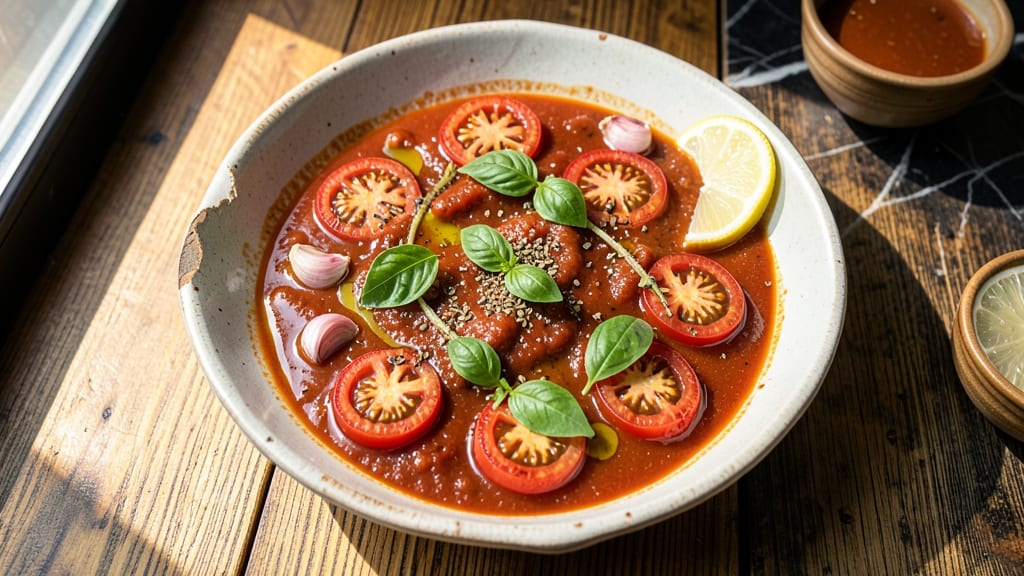
This homemade pizza sauce from fresh tomatoes delivers restaurant-quality flavor without the risk of curdling or canned sauce shortcuts. After years of perfecting the balance between sweetness, acidity, and umami, I've developed a method that transforms simple ingredients into a velvety, vibrant sauce that's foolproof every time.
The secret lies in proper tomato preparation and slow simmering to develop deep flavor without breaking down the sauce's texture.
What makes this sauce truly special is its versatility and simplicity—just fresh tomatoes, garlic, olive oil, and basic pantry staples come together through a straightforward process. I blend the tomatoes first to create a smooth base, then simmer gently to concentrate the flavors while preserving that bright, fresh tomato essence.
This method ensures your sauce remains smooth, balanced, and free of lumps, even when refrigerated.
The result is a sauce that's rich yet bright, with just the right balance of sweetness from the tomatoes and acidity from the lemon juice. It's the kind of sauce that transforms any pizza into a masterpiece—whether you're making classic New York-style or thin-crust Neapolitan.
The best part? It keeps beautifully in the refrigerator for up to a week, so you can make a big batch and have it ready whenever pizza night rolls around.
For those who love to experiment, this sauce works equally well as a marinade for grilled meats or as a base for pasta dishes. The key is in the technique: low and slow simmering builds layers of flavor without overcooking the tomatoes.
Let's get started on creating your perfect pizza sauce from scratch!
Ingredients for recipe for pizza sauce from fresh tomatoes
Fresh tomatoes and simple pantry staples transform into velvety pizza sauce with no curdling risk.
| Ingredient | Amount | Notes |
|---|---|---|
| Fresh Tomatoes 🍅 | 2 lbs | Ripe but firm, Roma preferred |
| Extra-Virgin Olive Oil 🫒 | ½ cup | High-quality, fruity variety |
| Garlic Cloves 🧄 | 6 cloves | Fresh, peeled, minced finely |
| Fresh Basil Leaves 🌿 | ½ cup | Packed, stems removed |
| Lemon Juice 🍋 | 1 tbsp | Freshly squeezed |
| Dried Oregano 🌿 | 1 tsp | Mediterranean blend preferred |
| Salt 🧂 | 1 ½ tsp | Diamond Crystal preferred |
| Granulated Sugar 🍚 | 1 tsp | Balances acidity |
| Black Pepper 🌶️ | ½ tsp | Freshly cracked |
| Red Wine Vinegar 🍷 | 1 tbsp | For depth of flavor |
The tomatoes are the foundation—Roma are ideal for their meaty texture and lower water content, but vine-ripened varieties work too. Grab 2 pounds at your local farmers market for peak flavor, or the grocery store's pre-washed selection in a pinch. Fresh basil is non-negotiable here; dried just won't cut it. The extra-virgin olive oil should smell fruity and peppery—none of that bland supermarket stuff. I always buy mine from Trader Joe's or Whole Foods bulk bins where it's freshest. For the garlic, look for plump cloves with tight skins—those shriveled ones at the back of the bin? Skip them.
No fresh basil? Dried oregano at half the amount will get you close, though it lacks that bright herbal note. Running low on red wine vinegar? Balsamic vinegar works in a bind, but it'll add a slightly sweeter profile. The sugar might seem odd, but trust me—it balances the acidity from the tomatoes and lemon juice beautifully. For a smokier sauce, add a pinch of smoked paprika. If you're making a big batch, double the ingredients and store the extra sauce in ice cube trays for easy portioning later. The sauce thickens as it cools, so don't worry if it looks too thin right after simmering.
This sauce keeps beautifully—up to 1 week in the fridge, 6 months frozen. For freezing, portion into small containers so you can thaw just what you need. The sauce actually improves overnight as the flavors meld. I always make a double batch because it disappears faster than you'd think. If you're worried about curdling, remember: low and slow simmering is key. Never boil it, or you'll break down the sauce's texture. The lemon juice might seem like overkill, but it prevents the sauce from tasting flat—especially important if your tomatoes aren't at peak ripeness.
Why You'll Love This Recipe
- Just Four Ingredients: The pantry already has three of these—olive oil, garlic, lemon—and the tomatoes? You can grab a few from the garden or the farmers' market. Honestly, I’ve made this sauce with whatever tomatoes were on sale, and it’s always been spot-on.
- Garlic-Basil Magic: That first sizzle of minced garlic in olive oil? Pure alchemy. The fresh basil, torn right off the stem, releases its aroma when you crush it into the warm sauce—it’s the kind of flavor that makes you pause mid-stir and take a spoonful.
- Pantry to Party: Use it on weeknight pizzas, toss it with grilled shrimp for a summer dinner, or drizzle it over roasted veggies. Between us, I’ve even used it as a marinade for chicken—it’s that versatile. And the lemon juice? It keeps it bright for days, so you’re not stuck with dull, sad sauce.
- No Waste, All Gain: Make a big batch—it freezes like a dream in ice cube trays (yes, seriously). I’ve pulled out a single cube to top a charcuterie board or a quick pasta dish, and it’s always saved me from a last-minute grocery run. Plus, tomatoes are cheap this time of year. Win.
Step-by-step instructions for pizza sauce from fresh tomatoes
Here's how to make a vibrant, velvety pizza sauce that's foolproof and curdle-free every time.
Prepare and Cook the Tomatoes
Begin by halving the 2 lbs fresh tomatoes lengthwise and remove the cores. Place them cut-side down in a large skillet over medium heat and cook for 10-12 minutes until they begin to break down and release their juices. The goal is to soften them while preserving their natural sweetness—you'll see the skins blister slightly and the flesh collapse under gentle pressure.
Once the tomatoes soften, carefully flip them and cook for another 5 minutes. Use a wooden spoon to scrape up any browned bits from the bottom of the pan—these are packed with flavor. The sauce should be thick but still slightly chunky, with a deep red color. If the tomatoes aren't releasing enough liquid, cover the skillet for 2-3 minutes to steam them gently. This method avoids the need for cooking down canned tomatoes, which can sometimes make the sauce too watery.
Build the Flavor Base
Reduce the heat to medium-low and add the 6 cloves minced garlic cloves and 1 tbsp red wine vinegar to the skillet. Stir gently for 1-2 minutes until the garlic becomes fragrant but doesn't brown—burnt garlic will make the sauce bitter. The vinegar brightens the flavor and balances the acidity of the tomatoes, creating a more complex taste profile.
Next, stir in the 0.5 cup extra-virgin olive oil and let it heat through for 1 minute. This step is crucial because the olive oil acts as a natural emulsifier, preventing the sauce from separating later. The oil should be warm but not smoking—if it starts to smoke, reduce the heat immediately. The sauce will begin to look glossy and slightly thickened as the oil integrates with the tomato juices.
Season and Simmer
Add the 1.5 tsp salt, 1 tsp granulated sugar, 1 tsp dried oregano, and 0.5 tsp black pepper to the skillet. Stir well to combine, tasting as you go. The sugar helps balance the acidity of the tomatoes, while the oregano and black pepper add depth. Let the mixture simmer gently for 5-7 minutes, stirring occasionally, until it thickens slightly and coats the back of a spoon.
Here's the trick to avoid curdling: don't let the sauce boil. Keep the heat at medium-low and let it simmer steadily. If the sauce starts to bubble vigorously, reduce the heat slightly. The sauce should reduce to about 1½ cups—it should be thick enough to coat the back of a spoon but still spreadable. This consistency is perfect for pizza because it won't make the crust soggy.
Finish with Fresh Herbs and Acid
Remove the skillet from heat and stir in the 0.5 cup fresh basil leaves and 1 tbsp lemon juice. The basil adds a bright, fresh note that complements the richness of the olive oil, while the lemon juice cuts through any remaining acidity in the tomatoes. Let the sauce sit off the heat for 5 minutes to allow the flavors to meld together—this is where the magic happens.
Taste the sauce and adjust the seasoning if needed. You might need a pinch more salt or a splash of lemon juice to balance the flavors. The sauce should be vibrant, slightly sweet, and tangy with a smooth texture. If it's too thick, stir in 1-2 tablespoons of water to loosen it slightly. Transfer the sauce to a bowl and let it cool to room temperature before using it on your pizza—this allows the flavors to fully develop and ensures the best results.
Pro Tips For Making Recipe For Pizza Sauce From Fresh Tomatoes
- Sear the Garlic: Cook the minced garlic in olive oil over medium-low heat until it’s just golden—not brown. I learned this the hard way: high heat burns it fast, and you’ll taste that bitterness in every slice. Let it bubble gently for 3-4 minutes, stirring often.
- Blister the Tomatoes: Before crushing them, blister the tomatoes whole in a dry skillet over medium heat for 2-3 minutes per side. This concentrates their flavor and softens the skins, making them easier to crush and giving the sauce a deeper, sweeter base. (Yes, even if you’re impatient like me.)
- Strain the Sauce: After simmering, strain the sauce through a fine-mesh sieve or cheesecloth to remove seeds and skins. It takes 5 extra minutes, but the result is silky smooth—no grainy texture ruining your pizza. Skip this, and you’ll regret it when the sauce looks like tomato soup.
- Finish with Acid: Stir in the lemon juice right at the end—just before tossing with basil—so the bright flavor cuts through the richness without cooking off. Too early, and it’ll mellow out; too late, and the basil won’t infuse properly. Balance is everything.
Make-ahead tips for this dish
Batch Prep Strategy
Make a double batch and freeze half for future pizza nights—this sauce keeps perfectly for 6 months in airtight containers. I portion mine into quart-sized freezer bags>, squeezing out all air to prevent freezer burn.
When you're ready to use it, thaw overnight in the fridge or microwave for 30 seconds> on low power. The texture remains smooth after freezing when done this way. 🥶
Tomato Prep Shortcut
Short on time? Roast the tomatoes instead of pan-searing. Toss halved tomatoes with 1 tbsp olive oil and ½ tsp salt, then roast at 400°F for 20 minutes> on a baking sheet.
This method gives you the same deep flavor without standing over the stove. I use this when I'm prepping for a big family dinner and need to multitask. 🍅
Flavor Boost Freeze
Freeze the sauce in ice cube trays> for perfect single-use portions. Pop out what you need and toss it straight into your pizza dough or saucepan. This works especially well if you're making individual pizzas—just add 1-2 cubes> to your sauce and heat through.
The cubes thaw quickly and maintain their vibrant color. I keep a tray in my freezer at all times for spontaneous pizza cravings. ✨
Sauce Thickening Tip
If your sauce separates after refrigeration, don't worry—it's fixable! Simply stir in 1 tsp cornstarch> mixed with 1 tbsp cold water> and simmer for 2-3 minutes> until thickened.
This works like a natural emulsifier. I've had this happen with my sauce after making a big batch, but this trick always saves it. The texture becomes silky smooth again. 💫
Storage Containers
Use glass containers> with tight-sealing lids for refrigerator storage—they maintain flavor better than plastic. I prefer Pyrex 1-quart containers> because they stack neatly in my fridge. For freezing, I switch to quart-sized freezer bags> because they're more flexible and take up less space.
Label everything with the date so you can track freshness. 📅
Sauce Consistency
The sauce will thicken as it cools, so don't adjust the consistency right after simmering. If it's too thick when cold, stir in 1 tbsp water> at room temperature.
For a thinner sauce (like for dipping), add 1-2 tbsp water> while warm. The key is to let it cool completely before making final adjustments—this prevents over-thinning. 💡
Nutrition facts
Frequently asked questions
Can I use any tomatoes for this pizza sauce?
Roma tomatoes are ideal because they're meaty and low in water, but vine-ripened varieties work too. Avoid overripe or watery tomatoes—they'll make your sauce thin and watery. If you only have heirloom tomatoes, remove the seeds first to reduce excess liquid.
Why does my homemade sauce separate after refrigerating?
This happens when the sauce cools too quickly or isn't properly emulsified. The olive oil acts as a natural binder, so simmer gently (never boil) and stir occasionally. For separated sauce, whisk in 1 tsp cornstarch mixed with 1 tbsp water and heat gently until smooth. This trick works every time!
How do I make this sauce spicier?
Add ½-1 tsp red pepper flakes during the simmering stage, or stir in 1 tbsp hot sauce at the end. For a smoky kick, add ½ tsp smoked paprika with the dried oregano. Adjust to taste—start small and add more if needed.
Can I make this sauce without fresh basil?
Yes! Use 1 tsp dried basil instead, but it won't have the same bright flavor. For a deeper taste, add ½ tsp dried thyme along with the oregano. Fresh basil is best, but this combo works in a pinch. The lemon juice will still brighten the sauce.
How much sauce should I use for a 12-inch pizza?
Spread about ¼-½ cup of sauce over a 12-inch crust—just enough to coat without sogginess. For extra flavor, use ⅓ cup and top with cheese first, then add more toppings. The sauce thickens as it cools, so don't overdo it.