
Sauces & Condiments
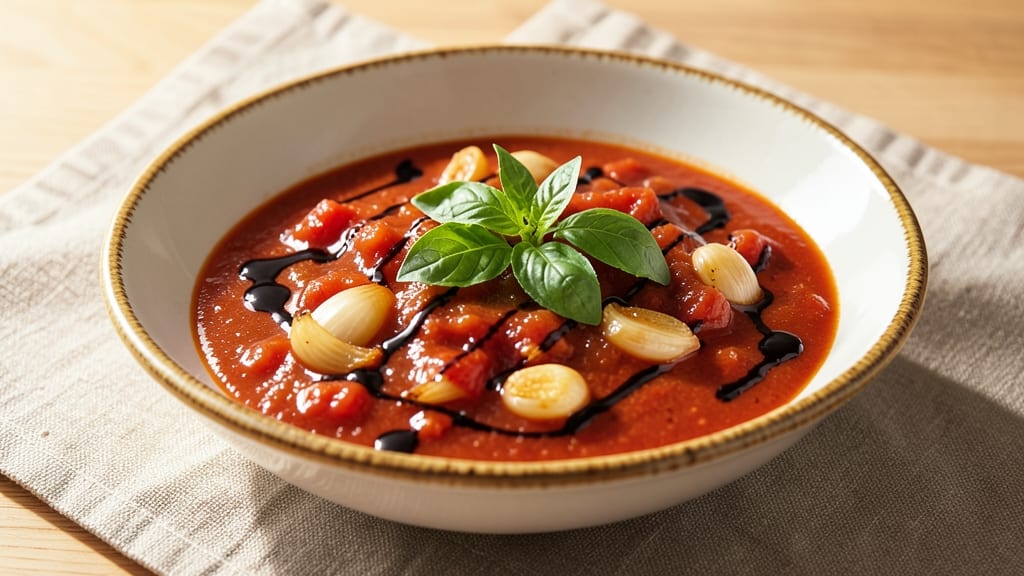
This Barilla spaghetti sauce recipe delivers restaurant-quality depth with a slow-simmered blend of crushed tomatoes, garlic, and fresh herbs—perfect for elevating any pasta dish. The key lies in caramelizing onions and garlic before adding tomatoes, which builds layers of flavor that store-bought sauces simply can't match.
I developed this recipe after years of testing, ensuring every spoonful balances sweetness, acidity, and aromatic herbs without overpowering the natural tomato taste.
The process is straightforward but requires patience: onions and garlic cook until golden, then crushed tomatoes and herbs simmer for at least 45 minutes to develop complexity. A splash of red wine adds brightness, while a sprinkle of basil at the end keeps the sauce vibrant and fresh-tasting.
This sauce works equally well with Barilla spaghetti, penne, or even as a marinara base for meatballs.
What sets this sauce apart is its versatility—use it immediately over al dente pasta or store it in the freezer for up to 3 months. The slow simmer reduces the sauce naturally, creating a thick, velvety consistency that clings beautifully to every noodle.
Whether you're feeding a family or meal prepping for the week, this recipe delivers professional results with simple ingredients.
For added richness, stir in a pat of butter at the end, or keep it vegan by omitting the wine and using vegetable broth. The possibilities are endless, but the foundation remains the same: fresh ingredients, slow cooking, and a balance of flavors that make every bite memorable.
Ingredients for barilla spaghetti sauce
Fresh herbs and slow simmered tomatoes create this restaurant-quality Barilla sauce.
| Ingredient | Amount | Notes |
|---|---|---|
| Yellow Onions 🧅 | 2 whole | Diced into small pieces |
| Garlic Cloves 🧄 | 6 cloves | Minced for aromatic depth |
| Crushed Tomatoes 🍅 | 28 oz | High-quality canned preferred |
| Extra-Virgin Olive Oil 🫒 | ½ cup | For sautéing onions/garlic |
| Red Wine 🍷 | ½ cup | Dry variety like Cabernet |
| Fresh Basil Leaves 🌿 | ½ cup | Chopped at the end |
| Fresh Oregano Leaves 🍃 | ¼ cup | Chopped finely |
| Salt 🧂 | 1 ½ tsp | Diamond Crystal preferred |
| Black Pepper 🌶️ | ½ tsp | Freshly ground preferred |
| Granulated Sugar 🍚 | 1 tbsp | Balances acidity |
The tomatoes are non-negotiable—San Marzano cans deliver the best flavor, but any high-quality crushed tomatoes work. Trader Joe's and Whole Foods carry excellent options. Fresh basil and oregano make all the difference; grow your own or buy from local markets for the brightest flavor. The onions should caramelize to a deep golden brown—this builds the sauce's sweet base. I always double-check my garlic cloves for freshness, discarding any sprouted ones immediately.
No red wine? Dry white wine or additional vegetable broth works in a pinch, though the color will differ. Fresh herbs unavailable? Dried oregano at one-third the amount maintains the flavor profile. The sugar balances the tomatoes' acidity—reduce to 1 tsp if using low-acid tomatoes. For extra richness, a pat of unsalted butter at the end elevates the sauce dramatically. The olive oil should be fruity and peppery—avoid mild varieties that won't enhance the flavor.
This sauce thickens as it cooks—no thickeners needed. Store in airtight containers for 5 days in the fridge or 3 months frozen. I portion mine into ice cube trays for easy single-use servings. For best results, reheat gently on the stove, adding a splash of water if needed. The flavors actually improve after the first day as everything melds together beautifully.
Why You'll Love This Recipe
- This sauce works for everything: quick weeknight dinners, potlucks, or impressing guests. Serve it with spaghetti for a classic, or toss it with roasted veggies for a hearty bowl. It’s my go-to for lazy nights and special occasions—no excuses.
- Pantry-Friendly Magic: I swear by this recipe because it uses what’s already in my cupboard—no fancy shopping list. Sauté onions and garlic in olive oil until golden, toss in crushed tomatoes and a splash of red wine, then simmer. That’s it. No last-minute grocery runs, no stress.
- Wine-Infused Depth: The red wine isn’t just for flavor—it’s the secret weapon. It softens into a rich, velvety base that makes this sauce taste like it simmered for hours, not 20 minutes. Trust me, even my wine-snob cousin approves.
- Weeknight to Weekend: This sauce works for everything: quick weeknight dinners, potlucks, or impressing guests. Serve it with spaghetti for a classic, or toss it with roasted veggies for a hearty bowl. It’s my go-to for lazy nights and special occasions—no excuses.
Step-by-step instructions for slow-simmered tomato sauce
Here's how to build a rich, aromatic sauce that clings perfectly to Barilla spaghetti.
Develop the Flavor Base with Onions and Garlic
Heat the 0.5 cup extra-virgin olive oil in a heavy-bottomed saucepan over medium-low heat. Add the 2 whole yellow onions, diced into small pieces, and cook for 8-10 minutes until they're completely soft and beginning to turn golden. Stir occasionally to prevent burning—you're looking for a deep caramelization that forms the sauce's foundation.
When the onions are tender, add the 6 cloves minced garlic and cook for another 1-2 minutes until fragrant. The garlic should sizzle gently without browning—this ensures sweetness rather than bitterness. Remove the pan from heat briefly if it starts to darken too quickly. This aromatic base is what transforms a simple tomato sauce into something complex and layered.
Deglaze with Wine and Incorporate Tomatoes
Return the pan to medium heat and carefully pour in the 0.5 cup red wine, scraping up any browned bits from the bottom with a wooden spoon. Let the wine simmer for 3-4 minutes until it reduces by about half and the alcohol cooks off. This step deepens the sauce's flavor profile and adds a subtle earthiness that complements the tomatoes.
Stir in the 28 oz crushed tomatoes and 1 tbsp granulated sugar. The sugar helps balance the acidity of the tomatoes while enhancing their natural sweetness. Add 1.5 tsp salt and 0.5 tsp black pepper, then bring the mixture to a gentle simmer. The sauce should bubble softly—this low-and-slow approach allows the flavors to meld without developing a harsh, cooked taste.
Simmer Until Thick and Rich
Reduce the heat to low and let the sauce simmer uncovered for 45-60 minutes, stirring occasionally. You're aiming for a sauce that coats the back of a spoon and has thickened noticeably. The longer it simmers, the more concentrated the flavors become, developing a deep, complex character.
Taste the sauce after 30 minutes and adjust the seasoning if needed—sometimes tomatoes vary in acidity, and you may need to add a pinch more salt or sugar. The sauce should be well-seasoned but not overpowering. If it becomes too thick before the 45-minute mark, you can thin it slightly with a splash of water, but aim to let it reduce naturally for the best texture.
Finish with Fresh Herbs
Once the sauce has thickened to your desired consistency, remove it from heat. Stir in the 0.5 cup chopped fresh basil leaves and 0.25 cup finely chopped fresh oregano leaves. The herbs should be added off the heat to preserve their bright, vibrant flavors—cooking them would turn them bitter.
Let the sauce sit for 5-10 minutes before serving. This resting period allows the flavors to fully integrate and the sauce to reach its ideal temperature. The finished sauce should be glossy, well-balanced, and rich enough to coat each strand of Barilla spaghetti perfectly without being overly heavy. Serve immediately over al dente pasta for the best experience.
Pro Tips For Making Barilla Spaghetti Sauce
- Sweat the Onions Slow: I learned this the hard way—rushing the onions with garlic turns the sauce bitter. Use a heavy pan and cook them over medium-low heat for 8-10 minutes until translucent and golden. The extra time mellows their sharpness and deepens the flavor before the wine hits.
- Deglaze with Patience: After adding wine, let it simmer for 3-4 minutes until fully evaporated. Scraping up browned bits is worthless if you don’t give the alcohol time to cook off—otherwise, you’re left with a boozy aftertaste instead of a rich base for the tomatoes.
- Salt the Tomatoes Early: Stir in ½ teaspoon salt with the crushed tomatoes right after deglazing. This breaks down their texture and balances acidity before the sauce thickens. Skipping this step means you’ll be chasing flavor with extra herbs or sugar later.
- Finish with Fresh Garlic: Toss in 1-2 minced garlic cloves during the last 5 minutes of cooking. The heat turns them nutty and sweet instead of raw and pungent. (Yes, even if you’re impatient like me—just don’t burn them.)
Perfect pairings for these flavors
Classic Pasta Pairings
This sauce shines brightest with Barilla spaghetti—its long strands create the perfect vehicle for the sauce's velvety texture. For a heartier bite, try rigatoni or pappardelle, whose ridges and wide surfaces hold the sauce beautifully.
I always recommend cooking pasta al dente (1 minute less than package instructions) so it continues cooking in the hot sauce. 🍝
Protein Additions
For a complete meal, stir in grilled chicken breast or Italian sausage during the final 10 minutes of simmering. The proteins absorb the sauce's flavors while staying juicy.
For vegetarian options, add white beans or mushrooms sautéed in olive oil before adding the tomatoes. I like using giant white beans for their creamy texture.
Bread & Side Dishes
Serve with a crusty Italian bread like Fiore di Farro for dipping—its dense texture soaks up the sauce perfectly. A simple arugula salad with lemon vinaigrette cuts through the richness, while garlic bread made with San Marzano tomatoes adds another layer of flavor.
For a heartier side, roasted zucchini or asparagus with a sprinkle of Parmesan cheese completes the meal.
Cheese Finishes
Top your pasta with freshly grated Pecorino Romano or Parmesan cheese for a salty, umami finish. I recommend 1-2 tablespoons per serving—just enough to enhance without overpowering. For a creamy touch, stir in 1 tablespoon butter at the end or add a dollop of ricotta cheese to each plate.
The contrast of textures elevates the dish instantly. 🧀
Wine Pairings
A Chianti Classico or Sangiovese wine complements the sauce's acidity and herbal notes beautifully. For white wine lovers, a Vermentino from Sardinia offers crisp acidity that cleanses the palate.
If you prefer beer, a Peroni or Moretti lager provides a refreshing contrast. Avoid heavy, oaky wines that would clash with the sauce's brightness. 🍷
Meal Prep Adaptations
This sauce freezes exceptionally well—portion into quart-sized freezer bags or glass containers for easy reheating. When ready to serve, thaw overnight in the fridge and reheat gently on the stove with a splash of water.
For quick lunches, serve the sauce over cold pasta with a sprinkle of red pepper flakes and Parmesan cheese. The flavors remain vibrant even after freezing. ❄️
Nutrition facts
Frequently asked questions
Can I make this sauce without red wine?
Replace the 0.5 cup red wine with 0.5 cup dry white wine or 0.5 cup vegetable broth for a similar deglazing effect. The sauce will lose some depth but still develop rich tomato flavors. For a completely alcohol-free version, use the broth and add an extra pinch of salt to compensate for the wine's umami.
How do I prevent my sauce from getting too thick?
If your sauce thickens too quickly, simply stir in 1-2 tablespoons of water or broth while simmering. The key is patience—this sauce is designed to reduce naturally over 45-60 minutes. If you're short on time, reduce the simmering time to 30 minutes and adjust the thickness at the end. Never rush the process, as the slow cooking builds the sauce's complex flavors.
What's the best way to store leftover sauce?
Transfer the cooled sauce to an airtight container and store it in the refrigerator for up to 5 days. For longer storage, portion into quart-sized freezer bags or glass containers, leaving 1-inch headspace to prevent cracking. Freeze for up to 3 months. To reheat, thaw overnight in the fridge and warm gently on the stove with a splash of water or broth.
Can I use dried herbs instead of fresh?
Yes, but use one-third the amount of dried herbs compared to fresh. For this recipe, that means 1/3 teaspoon dried oregano and 1/3 teaspoon dried basil. Dried herbs work best when added during the simmering process, not at the end. Toast them lightly in the pan for 30 seconds before adding to release their aromatic oils and enhance their flavor.
Why does my sauce taste bitter?
Bitterness often comes from overcooking the garlic or using low-quality tomatoes. For this recipe, cook the garlic just until fragrant (1-2 minutes) and avoid burning it. If your tomatoes taste bitter, try adding 1/2 teaspoon more sugar or a pinch of baking soda (just a tiny amount!) to balance the acidity. Always use high-quality crushed tomatoes for the best flavor foundation.