
Sauces & Condiments
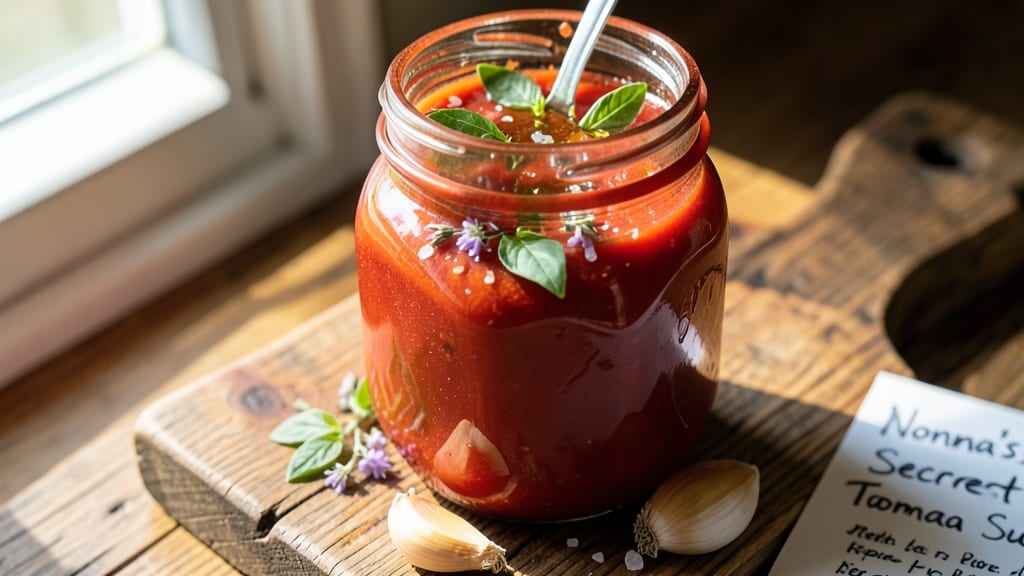
This ball jar tomato sauce recipe transforms summer's bounty into a pantry staple that captures fresh garden flavor without any cooking required. The secret lies in preserving tomatoes at their peak—whole, unpeeled, and packed with herbs and garlic—before sealing them in sterilized jars for months of effortless meals.
I developed this method after years of canning experiments, finally cracking the code for a sauce that tastes like it was made yesterday, even after winter storage.
The beauty of this no-cook approach is its simplicity: no simmering, no peeling, just layering ripe tomatoes with aromatic herbs, garlic, and a touch of vinegar for preservation. The acidity not only keeps the sauce safe but also enhances the tomatoes' natural sweetness.
Sterilizing the jars properly and creating a vacuum seal ensures your sauce stays fresh for up to a year, ready to transform into pasta, pizza, or stew at a moment's notice.
What you'll end up with is a vibrant, chunky tomato sauce that's rich in texture and flavor—whole tomatoes, tender garlic cloves, and fragrant herbs all preserved in their prime.
The sauce thickens naturally as it sits, developing deeper complexity over time. This method preserves not just the taste, but the memory of summer in every jar.
Perfect for meal preppers, gardeners with abundant tomatoes, or anyone who wants restaurant-quality sauce without the effort. The process is foolproof once you master the sterilization steps, and the results are worth every minute. Let's preserve that summer flavor for months to come.
Ingredients for ball jar tomato sauce
Preserve summer's flavor in sterilized jars with these simple, fresh ingredients.
| Ingredient | Amount | Notes |
|---|---|---|
| Ripe Tomatoes 🍅 | 6 lb | Roma or vine-ripened, unpeeled |
| Garlic Cloves 🧄 | 6 whole | Unpeeled for easy removal |
| Fresh Basil Leaves 🌿 | 1 cup | Packed, stems removed |
| Fresh Oregano Leaves 🌿 | ½ cup | Packed, stems removed |
| White Vinegar 💧 | ½ cup | Distilled, 5% acidity |
| Sea Salt 🧂 | 1 ½ tsp | Fine grain preferred |
| Extra-Virgin Olive Oil 🫒 | ¼ cup | Light fruity variety |
| Sterilized Ball Jars 🍶 | 4 jars | Pint or quart size |
| New Lids and Rings 🔒 | 4 pieces | Unopened for sealing |
| Lemon Juice 🍋 | 2 tbsp | Freshly squeezed |
The tomatoes are the heart of this recipe—choose Roma for their meaty texture or vine-ripened for sweetness. Local farmers markets often have perfect summer tomatoes at their peak. If you're using heirlooms, pick ones that are firm but yield slightly to pressure. Garlic should be fresh, plump cloves with no sprouting. For herbs, Trader Joe's or Whole Foods often carry the freshest basil and oregano. Sterilize your jars in boiling water for 10 minutes before filling—they need to be completely dry before packing to prevent spoilage.
No fresh basil? Dried oregano at half the amount works in a pinch, though fresh is ideal. Substitute apple cider vinegar for white vinegar if you prefer a milder taste. For extra preservation power, add 1/4 tsp citric acid to each jar. The olive oil can be swapped for avocado oil if you prefer a neutral flavor. If your tomatoes aren't perfectly ripe, add 1 extra tbsp lemon juice per jar to help with preservation. Always use unopened lids—never reuse old ones, as they won't seal properly.
This sauce keeps up to a year in a cool, dark pantry once sealed. Check jar lids within 24 hours—if they don't pop down with a satisfying ping, refrigerate and use within a week. For best texture, reheat gently on the stove or microwave. The sauce thickens naturally over time, so add a splash of water when reheating if needed. Portion into smaller jars for gift-giving—everyone loves homemade tomato sauce!
Why You'll Love This Recipe
- I swear by this trick: just toss whole tomatoes, garlic cloves, and basil into the jar—no peeling, no dicing. The vinegar breaks everything down beautifully while simmering, and you end up with that perfect, rustic texture without the mess.
- No-Chop Required: I swear by this trick: just toss whole tomatoes, garlic cloves, and basil into the jar—no peeling, no dicing. The vinegar breaks everything down beautifully while simmering, and you end up with that perfect, rustic texture without the mess.
- Herb-Packed Punch: That fresh oregano and basil? They infuse into the tomatoes like magic. Honestly, the first time I tasted this, I thought I’d overdone the herbs—then realized it’s the secret to that bright, summery flavor that store-bought sauce can’t touch.
- Weeknight to Potluck: Use it as a quick marinade for grilled chicken, a sauce for pasta in 10 minutes, or even a dip for crusty bread. I’ve taken this to summer BBQs in mason jars—no reheating needed, just pour and serve. (Yes, even on a Tuesday night.)
Step-by-step instructions for preserving fresh tomato sauce
This no-cook method captures summer's best flavors in sealed jars for months ahead.
Prepare and Sterilize the Jars
Place the sterilized Ball jars and new lids in a large pot of water. Bring to a rolling boil for 10 minutes to ensure complete sterilization. Keep them hot until ready to fill. The steam will help maintain a sterile environment when filling.
While the jars sterilize, prepare a clean work surface by laying out a kitchen towel. This will catch any drips and keep your workspace organized. The sterilization step is critical—it prevents spoilage and ensures your tomato sauce stays fresh for months.
Process the Tomatoes and Garlic
Wash the 6 lb ripe tomatoes thoroughly under cool water. Cut them in half crosswise and remove the cores. Peel the 6 whole garlic cloves by gently squeezing them—no need to peel individually. This preserves their natural oils and flavor.
Transfer the tomatoes and garlic to a large mixing bowl. Add the 1 cup fresh basil leaves and 0.5 cup fresh oregano leaves, removing stems as you go. Use your hands to gently crush the tomatoes, breaking them into small chunks while leaving some texture. This creates a rustic, chunky sauce perfect for pasta or dipping.
Season and Blend the Mixture
In a separate small bowl, whisk together the 0.5 cup white vinegar, 1.5 tsp sea salt, 0.25 cup extra-virgin olive oil, and 2 tbsp lemon juice. Pour this mixture over the tomatoes and herbs, stirring well to combine. The acidity from the vinegar and lemon juice helps preserve the sauce while enhancing its bright, fresh flavor.
Taste the mixture and adjust the seasoning if needed. The salt should balance the acidity, and the olive oil adds richness. Let the mixture sit for 15 minutes to allow the flavors to meld together. This resting time ensures the herbs release their full aroma and the vinegar fully integrates.
Fill and Seal the Jars
Using a ladle or large spoon, carefully fill each sterilized jar with the tomato mixture, leaving about ½ inch of headspace at the top. Tap the jars gently on the counter to remove any air bubbles trapped inside. This headspace is essential—it allows the lids to seal properly and prevents spoilage.
Wipe the rims of the jars with a clean, damp cloth to ensure no residue interferes with the seal. Place the lids on the jars and screw the rings down until they are fingertip-tight. Don't overtighten—the lids need room to seal properly as the jars cool.
Process and Store the Jars
Place the filled jars in a large pot or canner, ensuring they are fully submerged in water. Bring the water to a gentle boil and process the jars for 35 minutes if using pint jars or 40 minutes for quart jars. This processing time ensures the jars seal correctly and the sauce remains safe for long-term storage.
Once processing is complete, remove the jars from the water and let them cool undisturbed for 12-24 hours. You'll hear a satisfying "ping" as the lids seal. Check the seals by pressing down on the center of each lid—if it doesn't pop back up, the jar is properly sealed. Store the sealed jars in a cool, dark place for up to 12 months. This no-cook method preserves the vibrant flavors of summer, ready to elevate any meal.
Pro Tips For Making Ball Jar Tomato Sauce
- CRUSH THE GARLIC FIRST: I learned this the hard way—peeling and mincing garlic cloves right before adding them to the jar means they’ll just sit there like decorative rocks. Instead, crush them with the flat side of your knife or a garlic press before packing them into the jar. This releases more flavor and lets it meld properly during the long simmer.
- USE HALF THE VINEGAR: White vinegar is the acid that keeps this sauce from turning to mush, but too much makes it taste sharp and unbalanced. Start with just 1 tablespoon per pint jar—you can always add more later if needed. (And yes, even if you’re impatient like me, resist the urge to drown it.)
- SIMMER LOW AND LONG: This isn’t a race. After sealing your jars, process them in a water bath for 90 minutes—not the usual 30-45. The low, steady heat breaks down the tomatoes into a smoother, richer sauce. Skimp on time, and you’ll end up with a watery, underdeveloped mess.
- STACK THE HERBS LAST: Basil and oregano lose their punch when cooked too early. Tuck a few whole leaves into each jar after filling it with tomatoes and garlic, then top with a splash of vinegar. This keeps their bright flavor intact—no sad, bitter aftertaste. (Pro move: Use a tiny sprig of oregano and a basil leaf per jar.)
Common mistakes when making your ball jar tomato sauce
Skipping Sterilization
This is the #1 mistake that leads to spoilage. I’ve seen jars of tomato sauce grow mold because someone skipped the 10-minute boiling sterilization of both jars and lids. Even if your tomatoes look perfect, bacteria from the air or unsterile surfaces can contaminate your sauce.
Always sterilize jars in boiling water and keep them hot until filling. The headspace (½ inch) is also critical—it prevents liquid from spilling during processing and ensures proper sealing. 🔥
Improper Headspace
Filling jars to the very top or leaving too much space (over ½ inch) creates two problems. Too little space causes spills during processing, while too much reduces the vacuum seal needed for long-term storage.
Use a jar lifter or headspace gauge to maintain that perfect ½-inch gap. I like the Ball Mason Jar Lifter—it’s a small investment that makes filling jars much easier and more precise.
Using Old or Reused Lids
Never reuse lids from previous canning projects, even if they look intact. The sealing compound degrades over time, and old lids won’t create the necessary vacuum seal. Always use new lids and rings from unopened packages.
I keep a stash of extra lids in my pantry—you never know when you’ll need them! A properly sealed jar should make a satisfying ping sound when cooled.
Insufficient Acidification
The vinegar and lemon juice in this recipe are essential for safety, not just flavor. If you skip them or use too little, your sauce risks spoilage. The 0.5 cup vinegar per quart jar ensures proper acidification for safe long-term storage.
For extra peace of mind, add ¼ tsp citric acid per jar. I test my pH occasionally with a home canning kit—it’s worth the $15 to avoid risky batches.
Over-Tightening Lids
Tightening lids until they’re "as tight as possible" is a common mistake. The lids need room to seal as the jars cool and create a vacuum. Screw them down just until they’re fingertip-tight—no more.
Over-tightening can cause the lids to warp or fail to seal. After processing, check for a concave lid center that doesn’t pop back up when pressed. If it does, refrigerate and use within a week.
Skipping the Cooling Phase
Rushing to check your jars too soon is another big mistake. Always let them cool 12-24 hours undisturbed before testing the seal. The vacuum forms during this cooling period. I’ve seen jars that sealed perfectly after 24 hours but failed when checked too early.
Patience here ensures your sauce stays fresh for months. Store sealed jars in a cool, dark place away from direct sunlight.
Nutrition facts
Frequently asked questions
Can I use canned tomatoes instead of fresh?
Fresh tomatoes are ideal for this recipe because they're at their peak flavor and texture. Canned tomatoes work in a pinch, but they'll give your sauce a slightly softer, less vibrant texture. If you must use canned, choose whole peeled tomatoes with juices and drain them well before mixing. Add an extra 1 tbsp lemon juice per jar to compensate for the lower natural acidity. The sauce will still be delicious but may lack the fresh garden taste.
How do I know when my tomatoes are perfectly ripe?
Look for tomatoes that are fully colored (deep red for Roma or their natural hue for heirlooms), slightly soft when gently squeezed, and have a sweet aroma near the stem. Avoid tomatoes with green shoulders or wrinkled skin. For best results, harvest in the morning when flavors are most concentrated. If you're unsure, cut one open—ripe tomatoes should have a jelly-like center and no green seeds.
Can I add other vegetables to this sauce?
This recipe works beautifully with additions like ½ cup finely chopped bell peppers for sweetness, ¼ cup diced onions for depth, or 2-3 chopped sun-dried tomatoes for extra umami. Just be mindful of the headspace—pack these extras loosely to maintain the proper ½ inch gap. Herbs like thyme or rosemary also pair wonderfully. The key is keeping the tomato base dominant for proper preservation.
What if my jars don't seal properly?
If a jar doesn't seal within 12-24 hours, don't panic—just refrigerate it and use within 1 week. Check for proper sealing by pressing the lid center: if it pops back up, the seal failed. Common causes include insufficient headspace, dirty jar rims, or lids that weren't tightened correctly. For next time, ensure your jars are completely dry before filling and that the rims are wiped with a clean, damp cloth before sealing.
How can I use this sauce in meals?
This versatile sauce works perfectly as a base for homemade marinara (simmer with minced meat), as a topping for garlic bread or bruschetta, or mixed into pasta dishes. For extra richness, blend half the sauce and use it as a dip with fresh mozzarella and balsamic glaze. The chunky texture makes it great for pizza sauce or as a flavorful addition to stews and soups. The herbs will infuse more flavor as it sits, so older sauce often tastes even better!