
Sauces & Condiments
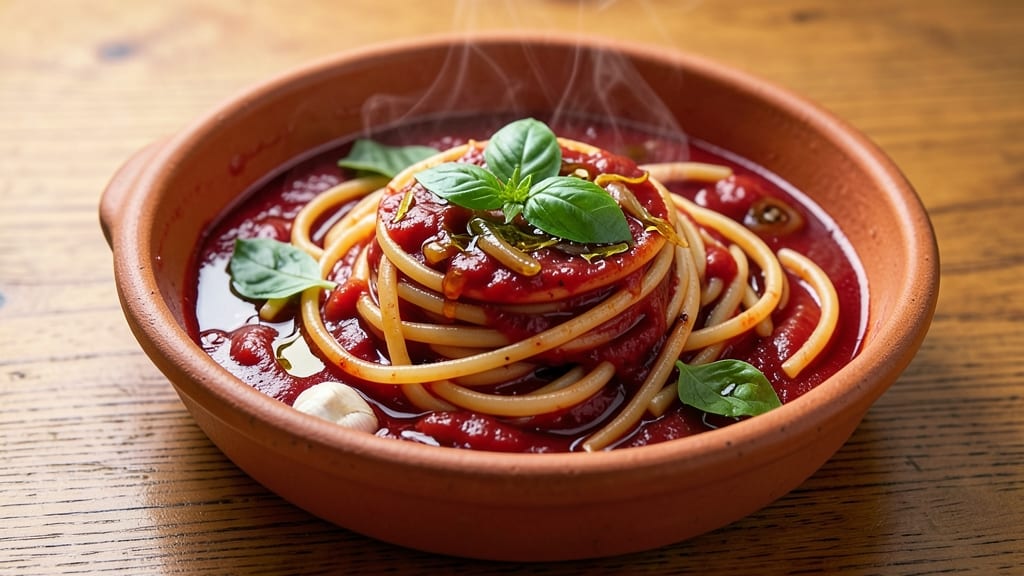
This authentic Italian red pasta sauce transforms simple ingredients into a velvety, slow-simmered masterpiece that clings to every strand of pasta. The secret lies in caramelizing onions and garlic until golden, then building layers of flavor with crushed tomatoes, fresh basil, and a touch of red wine.
I've perfected this recipe over years of testing, ensuring the perfect balance between sweetness and acidity that defines true Italian sauce.
The foundation starts with a classic technique: low-and-slow simmering. This allows the flavors to meld together while the sauce reduces to a rich, concentrated consistency. Unlike quick versions, this method develops depth that stands up to any pasta—whether you're serving it with spaghetti, penne, or even lasagna.
The result is a sauce that's vibrant red, aromatic, and packed with fresh basil's bright zing.
What makes this sauce truly authentic is the attention to detail. We're talking about using quality canned tomatoes (San Marzano if possible), fresh herbs, and proper simmering times. No shortcuts here—just the kind of sauce that makes you close your eyes and taste Italy in every bite.
The best part? It tastes even better the next day as the flavors continue to develop.
This recipe works beautifully as a base for marinara or can be enhanced with meat for a heartier ragù. The possibilities are endless, but the core technique remains the same: patience and proper simmering. Let's get started on creating your perfect Italian red pasta sauce.
Ingredients for authentic italian red pasta sauce
The secret to authentic Italian red sauce lies in these simple yet powerful ingredients.
| Ingredient | Amount | Notes |
|---|---|---|
| Extra-Virgin Olive Oil 🫒 | ½ cup | High-quality, fruity variety |
| Yellow Onion 🧅 | 1 whole | Thinly sliced, about 1.5 cups |
| Garlic Cloves 🧄 | 4 cloves | Peeled and minced finely |
| San Marzano Crushed Tomatoes 🍅 | 28 oz | High-quality canned tomatoes |
| Dry Red Wine 🍷 | ½ cup | Bold, medium-bodied variety |
| Fresh Basil Leaves 🌿 | ½ cup | Packed, stems removed |
| Tomato Paste 🍅 | 2 tbsp | Smooth, not chunky |
| Dried Oregano 🍃 | 1 tsp | Italian or Mediterranean blend |
| Salt 🧂 | 1 ½ tsp | Diamond Crystal preferred |
| Ground Black Pepper 🌶️ | ½ tsp | Freshly cracked preferred |
The tomatoes make or break this sauce—San Marzano is non-negotiable for that sweet, rich flavor. Grab a can from Eataly or Whole Foods if you can, but even the good Mueller's brand at the grocery store works. The onions and garlic? Caramelize them low and slow—this is where the depth comes from. Fresh basil is a must (the good stuff, not the pre-shredded kind), but dried oregano at half the amount works in a pinch. For the red wine, any bold, medium-bodied variety—Chianti or Sangiovese if you're feeling fancy, whatever's open if you're keeping it simple.
No San Marzano tomatoes? Crushed tomatoes in a high-quality can (like Rao's or Century) will do in a pinch, but the flavor won't be quite the same. Short on red wine? Extra tomato paste plus a splash of balsamic vinegar mimics the acidity. Fresh basil wilt fast—toss it in ice water before using to keep it crisp. The tomato paste can be from a tube or a can—just make sure it's smooth. For extra richness, stir in a tablespoon of butter at the end (trust me on this).
This sauce tastes even better the next day as the flavors meld. Store it in an airtight container in the fridge for up to 5 days, or freeze for 3 months. I like to portion it into ice cube trays for easy single-serving use—perfect for quick pasta nights. If you make a big batch, freeze half right away. The sauce thickens as it cools, so add a splash of water or broth when reheating if it gets too stiff.
Why You'll Love This Recipe
- No Chopping Needed: I swear by this—just one onion and a few garlic cloves, both finely minced (or even diced if you’re in a rush). The wine and tomatoes do the heavy lifting while you stir, no fancy techniques required.
- Wine-Infused Depth: That splash of dry red wine isn’t just for show—it melts into the sauce, leaving behind layers of rich, earthy flavor that cuts through the acidity of the tomatoes. Honestly, it’s the secret weapon in this recipe.
- Weeknight to Dinner Party: Same sauce, endless uses. Toss it with spaghetti for a quick weeknight meal, or drizzle it over grilled chicken and polenta for a fancier spread. My roommates never believe it’s the same base recipe.
- Fridge-Friendly Goldmine: This sauce tastes better the next day—yes, really. I make a big batch on Sundays, and by Wednesday, it’s even more concentrated and complex. Plus, the San Marzano tomatoes stretch every penny without sacrificing quality.
Step-by-step instructions for authentic Italian red pasta sauce
Here's how to build rich, layered flavor that tastes like Nonna's kitchen.
Sauté Onion Until Translucent
Heat the 0.5 cup extra-virgin olive oil in a heavy-bottomed saucepan over medium-low heat. Add the 1 whole yellow onion (thinly sliced) and cook for 8-10 minutes, stirring occasionally, until completely soft and translucent—no brown spots yet. This gentle cooking draws out sweetness without burning.
I like to use a wooden spoon here because it helps distribute the oil evenly. If the onions start to color too quickly, reduce the heat slightly. You want them to melt into the sauce rather than add bitterness. The onions should be so tender they practically disappear when pressed between your fingers.
Add Garlic and Tomato Paste
Push the onions to one side of the pan and add the 4 cloves minced garlic to the empty space. Cook for 30 seconds until fragrant—you'll smell that unmistakable garlic aroma. Then stir everything together and add the 2 tbsp tomato paste. Cook for another 2 minutes until the paste darkens slightly and loses its raw taste.
This is where the sauce's depth starts building. The tomato paste acts as a flavor concentrator, deepening the color and intensifying the tomato flavor. Don't skip this step—it's what gives authentic Italian sauces that rich, velvety character. Stir constantly to prevent burning, especially at the edges of the pan.
Deglaze with Wine and Add Tomatoes
Pour in the 0.5 cup dry red wine and scrape up any browned bits from the bottom of the pan with a wooden spoon. Let it simmer for 3-4 minutes until the alcohol burns off completely—you'll know it's ready when the wine smell disappears and you're left with just the fruity wine flavor.
Now add the 28 oz San Marzano crushed tomatoes and 1 tsp dried oregano. Stir well to combine, then bring the mixture to a gentle simmer. This is where patience pays off—let it cook uncovered for 20-25 minutes at a steady simmer. The sauce should reduce slightly, becoming thicker and more concentrated.
Season and Simmer to Perfection
Add the 1.5 tsp salt and 0.5 tsp ground black pepper, then taste. Italian sauces are all about balance—you want the acidity of the tomatoes to shine through, with just enough salt to enhance all the flavors. Adjust seasoning now if needed, but remember you can always add more later.
Continue simmering for another 15-20 minutes until the sauce reaches your desired consistency. It should coat the back of a spoon but still be saucy enough to cling beautifully to pasta. The longer you simmer, the more intense the flavor becomes—this is where that authentic depth develops.
Finish with Fresh Basil
Remove the pan from heat and stir in the 0.5 cup fresh basil leaves (stems removed). Let the sauce sit for 5 minutes—this allows the basil's bright, aromatic oils to infuse without overpowering the delicate tomato flavor. The basil should wilt slightly but still retain its vibrant green color.
Taste one final time and adjust seasoning if needed. The sauce should be vibrant red, with a balance of sweetness from the onions, acidity from the tomatoes, and herbal notes from the basil. This is your authentic Italian red pasta sauce—rich, complex, and full of character.
Pro Tips For Making Authentic Italian Red Pasta Sauce
- Sweat the Onion First: I used to rush this step, but sweating the onion in olive oil for 8-10 minutes until it’s translucent—not browned—builds flavor without bitterness. Skip this, and your sauce will taste flat, no matter how long you simmer later.
- Deglaze with Wine Immediately: After removing the onion, toss in those garlic cloves and let them sizzle for 30 seconds before adding the wine. The alcohol burns off faster when the pan is hot, and you’ll get that rich, caramelized depth that makes the difference between good and restaurant-quality sauce.
- Crush Tomatoes by Hand: San Marzano cans are already crushed, but give them one more rough mash with your fingers before adding to the pot. This breaks down the skins slightly, making the sauce smoother and more velvety—no blender needed, and it saves cleanup.
- Simmer Low and Long: This isn’t a race. After adding the tomatoes and wine, reduce heat to a bare simmer and let it bubble gently for at least 30 minutes. I know, I know—you’re hungry now—but rushing this step leaves the sauce thin and underdeveloped. The longer it cooks, the deeper the flavor.
Regional styles of this authentic italian red pasta sauce
Roman Marinara
In Rome, simplicity reigns supreme with their marinara—just tomatoes, garlic, olive oil, and basil. Skip the wine and oregano, and use 1 can (28 oz) whole San Marzano tomatoes crushed by hand with a fork. Simmer for at least 45 minutes to develop deep flavor.
Romans add a pinch of sugar (about ½ tsp) to balance acidity, and finish with fresh basil torn by hand—never chopped. Serve with tonnarelli or spaghetti for that classic Roman trattoria experience. 🍝
Neapolitan Ragù
Southern Italy's ragù alla napoletana transforms this sauce into a meaty masterpiece. Brown 1 lb ground pork and ½ lb Italian sausage before adding the tomato base. Cook for 3-4 hours on low heat, stirring occasionally. The key? Parmigiano-Reggiano stirred in at the end—use ½ cup grated for richness.
Serve over bucatini or orecchiette for true Neapolitan soul. This version keeps the same tomato foundation but adds meaty depth that defines Southern Italian cuisine. 🥓
Sicilian Arrabiata
Sicily's fiery arrabiata brings heat to the tomato sauce. After simmering the base, add 1-2 fresh red chili peppers (like 'Nduja if available) and 1 tsp red pepper flakes. For extra kick, stir in 1 tbsp tomato paste at the end.
Sicilians often finish with a splash of balsamic vinegar (about 1 tbsp) to cut through the heat. Pair with rigatoni or pasta alla Norma for a bold, spicy experience. The sauce should be bright red and slightly chunky—perfect for those who love heat. 🌶️
Emilian Bolognese
Northern Italy's ragù bolognese takes this sauce to hearty new heights. Cook 1 lb ground beef, ½ lb pancetta, and ½ lb veal until browned, then deglaze with wine before adding the tomato base.
Simmer for 2-3 hours with 1 cup milk or white wine to tenderize the meat. Emilians use milk to balance richness and add a pinch of nutmeg for warmth. Serve with tagliatelle or lasagna for that iconic Northern Italian comfort.
The sauce should be thick and meaty, almost like a stew. 🍷
Tuscan Rustic Version
Tuscany keeps it earthy with wild herbs and rosemary. After simmering the base, add 1 sprig fresh rosemary and 1 bay leaf during cooking. Finish with chopped parsley instead of basil.
Tuscans often add a splash of dry white wine (like Vernaccia) and 1 tsp capers for briny depth. This version pairs beautifully with pappardelle or farro pasta. The sauce has a robust, herby character that reflects Tuscany's rural traditions. 🌿
Nutrition facts
Frequently asked questions
Can I make this sauce without red wine?
For a vegetarian version, replace the 0.5 cup red wine with 0.5 cup vegetable broth or 0.5 cup tomato juice. The acidity helps balance the tomatoes, and you'll still get that rich depth. If you prefer a non-alcoholic option, a splash of balsamic vinegar (2 tbsp) works beautifully too. The key is maintaining acidity to brighten the sauce.
How do I prevent my sauce from being too acidic?
If your sauce tastes too tangy, balance it with a pinch of sugar (½ tsp) or add a small piece of cinnamon stick while simmering (remove before serving). For extra richness, stir in 1 tbsp tomato paste at the end. The longer you simmer the sauce, the more the acidity mellows—45-60 minutes of gentle simmering helps naturally reduce acidity.
What's the best pasta shape for this sauce?
This versatile sauce pairs perfectly with spaghetti, penne, or rigatoni—any shape with ridges or hollows holds the sauce beautifully. For a Roman-style experience, try tonnarelli (square-cut pasta). If you prefer heartier options, bucatini or orecchiette work wonderfully, especially with meat-based variations like ragù.
Can I make this sauce in a slow cooker?
Yes! Follow the same steps for sautéing onions and garlic, then transfer everything to a slow cooker. Cook on low for 6-8 hours or high for 3-4 hours. The slow cooker enhances the sauce's depth as flavors meld over time. For extra richness, stir in 1 tbsp butter at the end. The sauce will thicken more than stovetop versions, so add a splash of water or broth when reheating.
Why does my sauce taste bland after refrigerating?
Sauces often lose brightness after refrigeration due to flavor settling. To revive it, reheat gently on low heat with a splash of tomato paste or broth. Add a pinch of salt, red pepper flakes, or a splash of lemon juice to rebalance flavors. The sauce will taste even better the next day—this is normal! For extra zing, stir in fresh basil or parsley just before serving.