
Sauces & Condiments
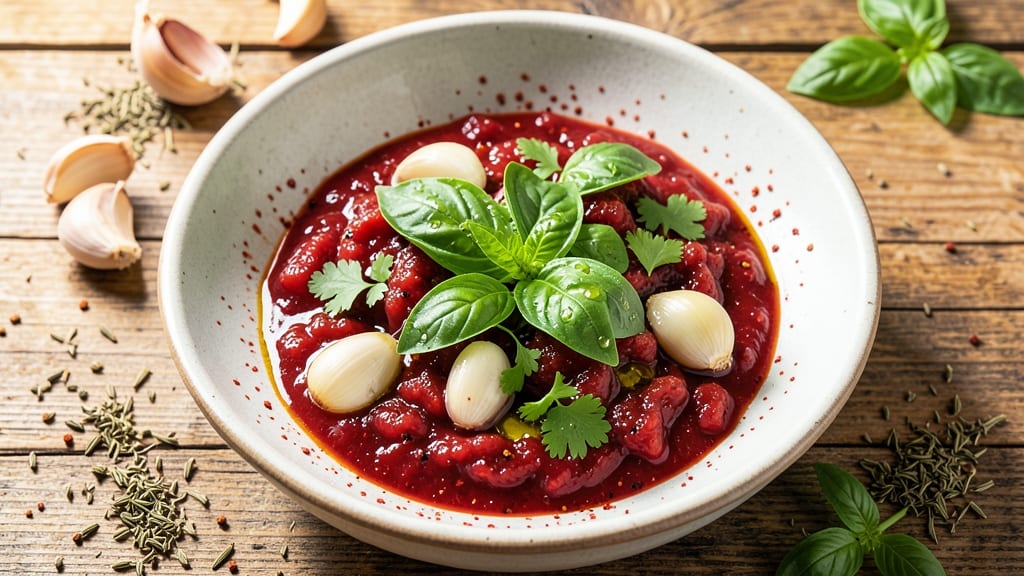
This fresh tomato sauce recipe from Ina Garten delivers bright, herbal freshness that transforms any meal in just 30 minutes.
The secret lies in balancing ripe tomatoes with aromatic garlic, fresh basil, and a touch of lemon—creating a sauce that's vibrant enough for summer salads but rich enough for hearty pasta dishes. After years of perfecting sauces, I've found this method delivers restaurant-quality results without the fuss.
The beauty of this sauce is its versatility—use it as a quick marinade, a bold pasta topping, or a refreshing dip for crusty bread. The key technique is simmering the tomatoes gently to concentrate their natural sweetness while keeping the texture chunky and inviting.
Fresh herbs like basil and parsley add layers of flavor that bottled sauces simply can't match, making this recipe a game-changer for home cooks.
What sets this sauce apart is how it elevates simple ingredients to something extraordinary. The acidity from lemon brightens the tomatoes, while garlic and red pepper flakes add depth without overpowering.
It's the kind of sauce that tastes even better the next day as flavors meld together—perfect for meal prep or gifting in jars. Trust me, once you try this, store-bought tomato sauce won't stand a chance.
For best results, use ripe vine tomatoes or high-quality canned tomatoes for consistent flavor. Let the sauce sit at room temperature for 10 minutes before serving to allow all the aromas to develop fully.
This isn't just another tomato sauce—it's a flavor experience that will have everyone asking for seconds. Let's get cooking!
Ingredients for fresh tomato sauce recipe ina garten
Nine simple ingredients that transform into vibrant, restaurant-quality tomato sauce in minutes.
| Ingredient | Amount | Notes |
|---|---|---|
| Fresh Vine Tomatoes 🍅 | 2 lb | Ripe, firm, and vibrant |
| Extra-Virgin Olive Oil 🫒 | ½ cup | High-quality, fruity variety |
| Garlic Cloves 🧄 | 4 cloves | Freshly minced for aroma |
| Fresh Basil Leaves 🌿 | ½ cup | Packed, stems removed |
| Fresh Parsley Leaves 🌿 | ¼ cup | Chopped for brightness |
| Red Pepper Flakes 🌶️ | ½ tsp | Adjust for heat preference |
| Lemon Juice 🍋 | 1 tbsp | Freshly squeezed |
| Kosher Salt 🧂 | 1 ½ tsp | Diamond Crystal preferred |
| Black Pepper 🌶️ | ¼ tsp | Freshly ground |
The tomatoes are the foundation—vine tomatoes have the best balance of sweetness and acidity, but San Marzano canned tomatoes work perfectly if fresh aren't available. Look for tomatoes that are firm but yield slightly to pressure; they should smell sweet and earthy, not moldy or sour. Whole Foods or local farmers markets usually carry the best vine tomatoes, but any well-stocked grocery store will have quality options. Fresh basil is non-negotiable here—the bright green, leafy kind from the produce section, not the sad plastic containers. If you're using fresh tomatoes, blanch and peel them for that restaurant-quality texture.
No fresh basil? Dried basil at one-third the amount works in a pinch, but the flavor won't be the same. Short on vine tomatoes? High-quality canned tomatoes like Mutti or Rao's are the next best thing—just crush them by hand for that chunky texture. The red pepper flakes can be swapped for crushed dried chili if you prefer a different heat profile. For extra depth, toast the garlic cloves lightly in olive oil before mincing—it makes a noticeable difference. The lemon juice is crucial for brightness, so don't skip it unless you're using very tart tomatoes.
This sauce keeps beautifully—3-4 days in the fridge, 3 months frozen. For freezing, let it cool completely first, then portion into ice cube trays or small jars. The flavors actually improve after the first day, so make extra if you can. Store in glass containers with a tight seal, and always let it come to room temperature before serving to appreciate the full aroma. The sauce thickens as it cools, so add a splash of water or olive oil if it seems too thick when reheating.
Why You'll Love This Recipe
- No-Chop Necessary: I swear by this—just halve those vine tomatoes, toss them in a hot pan with olive oil, and let them blister. No dicing, no peeling, no fuss. The skins soften into the sauce, adding depth without extra work.
- Garlic-Basil Magic: That first hit of raw garlic sizzling in the oil? Pure flavor payoff. Then the basil—torn fresh, not chopped—releases its perfume as it cooks, turning a simple sauce into something that tastes like a sun-drenched Italian terrace.
- Pantry-to-Table Flex: Use it tonight over al dente pasta, or let it sit overnight in the fridge for a richer, more concentrated sauce tomorrow. It’s my go-to for quick lunches (slathered on toast with mozzarella) or as a last-minute dinner base—no two meals taste the same.
- Leftovers That Lie: Between us, this sauce only gets better after day one. The tomatoes mellow, the olive oil infuses deeper, and suddenly you’ve got a week’s worth of freezer-friendly portions. Freeze it in ice cube trays for single-use portions—because even busy nights deserve this.
Step-by-step instructions for fresh tomato sauce
Here's how to craft a vibrant, herb-forward sauce that captures summer's essence in every spoonful.
Prepare the Tomatoes for Cooking
Begin by halving the 2 lb fresh vine tomatoes crosswise, making sure to remove and discard the cores. I like to squeeze each half gently over a bowl to release any excess liquid—this prevents a watery sauce later. Transfer the prepared tomatoes to a large, heavy-bottomed pot and set aside.
Place the pot over medium heat and bring the tomatoes to a gentle simmer. Let them cook undisturbed for 10-12 minutes until they begin to break down and release their juices. You'll notice the sauce thicken slightly and develop a rich, tomatoey aroma—this is when the natural sugars caramelize, forming the sauce's foundation.
Add Aromatics and Seasonings
While the tomatoes simmer, add the 4 cloves freshly minced garlic to the pot. Stir gently to distribute it evenly, being careful not to let the garlic burn—it should sizzle softly for about 1 minute before settling into the sauce. Next, add the 0.5 tsp red pepper flakes and stir for 30 seconds to toast them lightly and deepen their flavor.
Pour in the 0.5 cup extra-virgin olive oil and the 1 tbsp freshly squeezed lemon juice. The lemon juice brightens the sauce and balances the richness of the tomatoes, while the olive oil adds a velvety texture. Stir well to combine, then add the 1.5 tsp kosher salt and 0.25 tsp freshly ground black pepper. Taste the sauce at this stage—it should be vibrant and balanced, with a touch of heat from the red pepper flakes.
Simmer and Develop the Flavor
Reduce the heat to low and let the sauce simmer gently for 15-20 minutes. This slow cooking allows the flavors to meld and deepen, while the sauce thickens naturally. Stir occasionally, especially toward the end, to prevent the sauce from sticking to the bottom of the pot. You're looking for a sauce that coats the back of a spoon but still has a pleasant, slightly loose consistency.
Here's the thing—don't rush this step. The longer the sauce simmers, the more complex its flavor becomes. If the sauce thickens too much, add 1-2 tablespoons of water to loosen it to your desired consistency. The sauce should be rich but still bright, with the garlic and herbs fully integrated.
Finish with Fresh Herbs
Once the sauce has thickened to your liking, remove the pot from the heat. Stir in the 0.5 cup packed fresh basil leaves and 0.25 cup chopped fresh parsley leaves. Let the herbs steep in the warm sauce for 5 minutes—this allows their flavors to infuse fully. Taste again and adjust the seasoning if needed, adding a pinch more salt or a splash of lemon juice if desired.
For the best texture, I recommend straining the sauce through a fine-mesh sieve to remove any herb stems or seeds. This step ensures a silky, smooth sauce without compromising the herbaceous flavor. If you prefer a rustic texture, skip the straining and simply stir the sauce one last time before serving. The sauce is now ready to pair with pasta, grilled meats, or crusty bread.
Pro Tips For Making Fresh Tomato Sauce Recipe Ina Garten
- CRUSH TOMATOES BY HAND: I know, I know—it’s slower than a food processor, but crushing vine tomatoes with your fists (or a wooden spoon) breaks the skins just enough to release sweetness without turning the sauce into pulp. Plus, you’ll spot and fish out those bitter green shoulders before they ruin the flavor.
- SWEAT GARLIC LOW AND SLOW: After you sauté the garlic in olive oil, drop the heat to medium-low and let it cook until it’s golden, not browned. I learned this the hard way—burnt garlic makes the sauce taste like a chemistry experiment, and no amount of basil can fix it.
- SALT THE TOMATOES FIRST: Before you even think about cooking, toss the crushed tomatoes with a generous pinch of salt (about 1 teaspoon per pound) and let them sit for 10 minutes. This draws out water, concentrates the flavor, and means you won’t end up with a watery sauce later—trust me, your future pasta will thank you.
- FINISH WITH COLD BASIL: Tear the basil leaves (don’t chop them—big, fresh pieces work best) and stir them in only at the very end, off the heat. Hot sauce kills basil’s bright flavor faster than you can say “overcooked.” I was skeptical until I tried it—now I never skip it.
Regional styles of these flavors
Italian Garden Style
Ina Garten's approach mirrors classic Italian sugo—fresh, bright, and herb-forward. The key is using San Marzano tomatoes (or vine tomatoes) with just enough garlic and basil to let the natural sweetness shine.
I've found that adding a pinch of sugar (1 tsp) balances acidity when using tart tomatoes, just like Nonna used to do. The secret is simmering uncovered to develop depth without reducing too much. 🌿
Southern U.S. Twist
For a Southern-inspired version, swap the basil for cilantro and add 1 tsp smoked paprika along with the red pepper flakes. This gives the sauce a subtle smokiness that pairs perfectly with grilled chicken or cornbread.
I first tried this when my dad's cousin from Georgia visited—she swore it was "the only way to make tomato sauce worth a damn." The lemon juice becomes even more important here to cut through the richness. 🔥
Pacific Northwest Adaptation
Living in Portland, I've adapted this sauce to highlight local flavors. Swap half the basil for fresh dill and add 1 tsp fresh thyme for an earthy twist. The acidity from local Meyer lemon juice (from New Seasons Market) adds a floral note that's perfect with Pacific Northwest seafood.
I also like to finish with a drizzle of local honey (like Wildflower Honey from Bee Friends) for a touch of sweetness. 🍯
Mediterranean Herb Blend
For a Mediterranean-inspired variation, add 1 tsp dried oregano and ½ tsp dried thyme along with the red pepper flakes. The oregano adds a piney depth that works beautifully with grilled lamb or roasted vegetables.
I first discovered this version when I visited Santorini and it's become a staple in my summer cooking. The herbs should be added at the very end to preserve their brightness, just like the fresh basil in the original recipe. 🌊
Spicy Mexican-Inspired
Turn this sauce into a salsa cruda base by adding 1 diced jalapeño and ½ cup chopped cilantro along with the parsley. The acidity from the lemon juice helps balance the heat, making it perfect for tacos or as a dip.
I love this version for spicy pasta dishes—just add a splash of lime juice before serving. The chunky texture works perfectly with crispy tortilla chips too. 🌶️
Winter Storage Version
When tomatoes are scarce in winter, use 4 cups crushed canned tomatoes (San Marzano preferred) and add 1 tsp tomato paste for depth. Simmer the sauce longer (25-30 minutes) to intensify flavors. I like to add 1 bay leaf during cooking and remove it before finishing with herbs.
This version keeps beautifully in the freezer for up to 6 months—perfect for stocking your pantry for cozy winter meals. ❄️
Nutrition facts
Frequently asked questions
Can I use canned tomatoes instead of fresh?
For the best results, choose high-quality canned tomatoes like San Marzano or Mutti—they have less water and more flavor. Crush them by hand before adding to the pot to maintain that chunky texture. This version works especially well for the winter storage recipe mentioned earlier.
How do I prevent the sauce from turning watery?
Start by squeezing excess liquid from halved tomatoes before cooking. Simmer the sauce uncovered on low heat for 15-20 minutes to let moisture evaporate naturally. If needed, add 1 tablespoon of tomato paste at the end to thicken. Never boil the sauce—this breaks down the texture.
What's the best way to store leftover sauce?
Transfer cooled sauce to airtight glass containers and refrigerate for up to 4 days. For longer storage, freeze in ice cube trays or small jars for 3 months. The flavors actually improve after 24 hours as the herbs infuse deeper. Always reheat gently on low heat to preserve texture.
Can I make this sauce without basil?
Yes! Swap basil for oregano (1 tsp dried) or thyme (½ tsp dried) for Mediterranean flavors. For a Pacific Northwest twist, try dill (½ cup) with fresh thyme. The key is balancing the herbs with lemon juice to maintain brightness. Taste as you go—herbs should complement, not overpower, the tomatoes.
Why does my sauce taste bland?
Blandness usually means one of three things: under-seasoned tomatoes, missing acidity, or insufficient simmering. Boost flavor by adding ½ tsp sugar (to balance acidity) or 1 tbsp balsamic vinegar. Simmer uncovered for 5-10 extra minutes to concentrate flavors. Always taste before finishing with herbs—this is your quality check!