
Sauces & Condiments
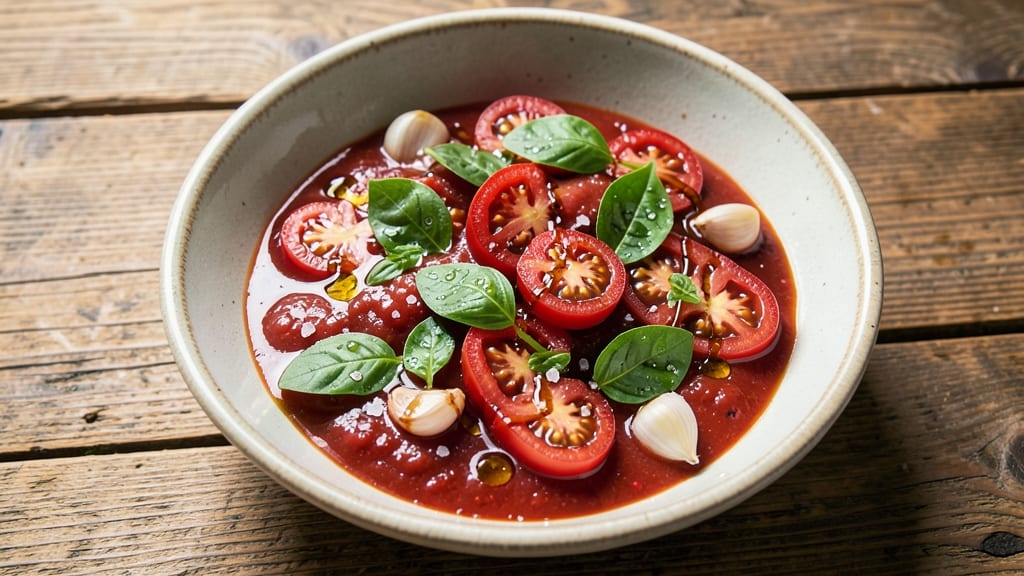
This authentic pizza sauce recipe with fresh tomatoes transforms simple ingredients into a vibrant, herby sauce that captures the essence of Italian tradition. The secret lies in using ripe, fresh tomatoes blended with garlic, basil, and a touch of olive oil—no canned shortcuts here.
What sets this apart is the balance of bright acidity and rich umami, achieved through proper simmering and seasoning.
Unlike store-bought sauces, this version delivers a bright, herby flavor that stands out on any pizza. The process is straightforward: blend fresh tomatoes with garlic, olive oil, and fresh basil, then simmer gently to concentrate the flavors.
This method preserves the natural sweetness of the tomatoes while deepening their complexity. The result is a sauce that’s rich enough to complement cheese but light enough to let the toppings shine.
What makes this sauce truly authentic is the attention to detail—no sugar or artificial preservatives, just high-quality ingredients that work together naturally. The sauce can be made ahead and stored for up to a week, making it perfect for meal prep or gifting.
Whether you’re a home cook or a pizza enthusiast, this recipe will elevate your pies to restaurant-quality levels.
Ready to create a sauce that’s bold, fresh, and full of flavor? Let’s get started with a few simple steps that deliver professional results every time. The key is patience—simmering the sauce just right ensures a depth of flavor that’s impossible to replicate with shortcuts.
Ingredients for authentic pizza sauce recipe with fresh tomatoes
Nine authentic ingredients transform into a vibrant pizza sauce bursting with bright tomato flavor and fresh basil aroma.
| Ingredient | Amount | Notes |
|---|---|---|
| Fresh Roma Tomatoes 🍅 | 2 lbs | Ripe, vine-ripened for sweetness |
| Extra-Virgin Olive Oil 🫒 | ½ cup | High-quality, fruity variety |
| Garlic Cloves 🧄 | 6 cloves | Freshly minced for aromatic depth |
| Fresh Basil Leaves 🌿 | 1 ½ cups | Packed, stems removed |
| Red Wine Vinegar 🍷 | 1 tbsp | For bright acidity |
| Diamond Crystal Kosher Salt 🧂 | 1 ½ tsp | Fine grain preferred |
| Freshly Ground Black Pepper 🌶️ | ½ tsp | For subtle heat |
| Granulated Sugar 🍬 | 1 tsp | Balances acidity naturally |
| San Marzano Crushed Tomatoes 🍅 | ½ cup | For concentrated umami |
The tomatoes are the foundation—Roma tomatoes pack the most flavor when ripe, so look for plump, firm ones with vibrant red color. San Marzano crushed tomatoes add depth without overpowering the fresh blend. For olive oil, California Early Harvest or Italian extra-virgin brands deliver the fruity notes that elevate the sauce. Fresh basil should be bright green with no yellowing—store-bought containers often wilt quickly, so consider buying whole stems and tearing leaves as needed. The garlic cloves should be firm and free of sprouts, as soft spots indicate age and diminished flavor.
No fresh basil? Dried basil at one-third the amount works in a pinch, though it lacks the vibrant freshness. Substitute balsamic vinegar for red wine vinegar if needed, though it adds a slightly sweeter note. For a sugar-free version, reduce the simmering time slightly to preserve natural tomato sweetness. The crushed tomatoes can be omitted entirely if you prefer a purely fresh tomato sauce, though they add a subtle richness. If you can't find Roma tomatoes, regular beefsteak tomatoes work well—just remove seeds for a smoother texture.
This sauce develops best when made ahead—flavors meld beautifully over 24 hours. Store in an airtight container in the refrigerator for up to 7 days, or freeze for 3 months. For gifting, portion into small jars with a sprig of fresh basil on top. The sauce thickens as it cools, so it's perfect for drizzling over pizza or using as a marinade. When reheating, warm gently to preserve texture and prevent skin formation.
Why You'll Love This Recipe
- No-Cook Shortcut: I swear by this when I’m too tired to simmer. Just blitz the Roma tomatoes, garlic, and basil with a splash of red wine vinegar—no stove, no fuss. The olive oil ties it all together while you’re still deciding what to watch on TV.
- Sunshine in a Jar: That bright, tangy burst from fresh basil and vinegar? It’s the kind of flavor that makes you pause mid-bite. The tomatoes stay vibrant, not mushy, so every spoonful tastes like summer—no canned aftertaste here.
- Weeknight Workhorse: Use it on pizza, drizzle it over grilled chicken, or toss it with pasta. The sauce keeps for days in the fridge, so I make a big batch and forget about it until I need a quick, reliable boost. (Yes, even on a Tuesday night.)
- Pocketbook Performer: Fresh tomatoes and basil are cheaper than you’d think, especially when you buy in bulk. A single batch stretches across three meals, and the olive oil goes a long way—no wasted ingredients, just pure flavor efficiency.
Step-by-step instructions for authentic pizza sauce with fresh tomatoes
This method delivers a vibrant, balanced sauce that captures the essence of Neapolitan tradition.
Blanch and Peel the Fresh Roma Tomatoes
Cut the 2 lbs Fresh Roma Tomatoes in half crosswise and place them in a large pot. Add enough cold water to cover them by about 2 inches. Bring to a rolling boil over high heat, then immediately remove from heat and let them sit for exactly 30 seconds. This brief blanching loosens the skins, making peeling effortless.
Drain the tomatoes and transfer them to a bowl of ice water for 1 minute to stop the cooking process. The skins should now slip off easily when you rub them between your fingers. Remove all peel and any seeds, then roughly chop the flesh into ¼-inch pieces. This preparation ensures your sauce starts with clean, flavorful tomato base without bitterness from skins or seeds.
Cook the Tomatoes Until Broken Down
In a large, heavy-bottomed saucepan, combine the chopped tomatoes with the 0.5 cup San Marzano Crushed Tomatoes. Add 1 tsp Granulated Sugar and 1 tbsp Red Wine Vinegar, then bring to a gentle simmer over medium-low heat. Stir occasionally, allowing the mixture to cook uncovered for 20-25 minutes until the tomatoes break down into a thick, saucy consistency.
Here's where patience pays off: You're looking for a sauce that coats the back of a spoon but still has body, not a watery liquid. The sugar helps balance the acidity from the vinegar while the crushed tomatoes add depth. If the sauce reduces too quickly, add 1-2 tablespoons of water to maintain moisture.
Build Flavor with Aromatics and Herbs
Reduce heat to low and add 6 cloves Garlic Cloves (minced) and 0.5 cup Extra-Virgin Olive Oil. Stir gently to combine, then let the mixture simmer for 5 minutes to allow the garlic to infuse without burning. The olive oil should become fragrant but not smoke.
Next, add the 1.5 cups Fresh Basil Leaves (stems removed) and stir for 2 minutes until the leaves wilt and release their aromatic oils. Remove from heat immediately to preserve the basil's vibrant color and fresh flavor. The sauce should now have a bright, herby character that sets it apart from heavier, canned tomato sauces.
Season and Finish the Sauce
Return the sauce to low heat and stir in 1.5 tsp Diamond Crystal Kosher Salt and 0.5 tsp Freshly Ground Black Pepper. Taste and adjust the seasoning, keeping in mind that the salt will intensify as the sauce cools. The goal is a balance of sweetness from the tomatoes, acidity from the vinegar, and herbal brightness from the basil.
Let the sauce rest for 10 minutes off the heat before using. This resting period allows the flavors to meld completely. For best results, use immediately on freshly made pizza dough, where the sauce's vibrant acidity and herbal notes will shine against the chewy crust and melted cheese.
Pro Tips For Making Authentic Pizza Sauce Recipe With Fresh Tomatoes
- CRANK THE HEAT HIGH: Your sauce starts on full blast—no simmering yet. After 3-4 minutes of sizzling tomatoes, the skins will split open on their own, releasing juices that make the sauce sing. I used to baby this step, and my sauce always tasted dull.
- SMASH THE GARLIC: Skip mincing—crush those cloves with the flat side of your knife first, then add whole. The allicin (that’s the good stuff) hits harder this way, and you won’t end up with garlic-flavored mush. Yes, even if you’re impatient like me.
- SALT THE TOMATOES FIRST: Toss halved tomatoes with a generous pinch of salt (about ½ tsp) right after dicing. Let them sit 10 minutes—they’ll soften faster and lose excess water, so your sauce won’t turn into a watery mess. My grandmother swore by this, and she was right.
- STIR IN BASIL LATE: Tear the basil leaves and add them only in the last 30 seconds of cooking. Overcooking turns them bitter, and you want that bright, fresh flavor to hit your tongue first. Sounds weird, but it works—trust the process.
Pro cooking tips for this recipe
Tomato Prep Matters
Blanching the tomatoes is the secret to removing skins effortlessly. I use Roma tomatoes because their thick flesh holds up better during cooking. After blanching for exactly 30 seconds, transfer them to ice water immediately—this stops the cooking process and makes peeling a breeze.
If you skip this step, you’ll end up with bitter skins in your sauce. 🍅
Low-and-Slow Simmer
Simmering the tomatoes uncovered over medium-low heat for 20-25 minutes is crucial. This gentle cooking process breaks down the tomatoes naturally without burning them. If you rush this step, your sauce will taste raw and unbalanced.
I like to stir occasionally to prevent sticking, but avoid mashing the tomatoes—you want a chunky, vibrant texture. 🌡️
Garlic Timing is Key
Add the minced garlic only after the tomatoes have broken down—this prevents it from burning. Simmer for exactly 5 minutes on low heat to infuse the flavor without overpowering the sauce.
If your garlic turns brown too quickly, reduce the heat further or remove it slightly from the pan. The goal is aromatic, not bitter. 🧄
Basil at the End
Adding fresh basil at the very end preserves its vibrant color and bright flavor. Stir for only 2 minutes before removing from heat—any longer, and the leaves will turn bitter. I like to tear the basil leaves by hand rather than chopping them, as this releases more aroma.
For a smoother sauce, you can blend it briefly after adding the basil. 🌿
Seasoning Adjustments
Taste the sauce before adding all the salt—it’s easier to adjust now than later. The 1.5 tsp kosher salt should be enough, but remember it will intensify as the sauce cools.
If it tastes too acidic, add a pinch more sugar. For extra depth, a splash of balsamic glaze (about 1 tsp) can add complexity without overpowering. 💡
Nutrition facts
Frequently asked questions
Why does this recipe use both fresh tomatoes and canned San Marzano?
Fresh tomatoes provide the bright, vibrant acidity that defines authentic pizza sauce, while San Marzano crushed tomatoes add concentrated umami depth without overpowering. The combination creates a balanced sauce with both freshness and richness—something you won't get from either ingredient alone.
Can I make this sauce without blanching the tomatoes?
You can skip blanching if you're short on time, but your sauce will have slightly more seeds and skins, which can make it bitter. For a smoother texture, blend the raw tomatoes first, then strain through a fine-mesh sieve to remove seeds and pulp before simmering. This takes extra effort but delivers a cleaner flavor.
How do I prevent the sauce from becoming too acidic?
If your sauce tastes too sharp, reduce the red wine vinegar to ½ tablespoon or omit it entirely. Add ½ teaspoon more sugar to balance acidity, or stir in 1 teaspoon balsamic glaze at the end for subtle sweetness. Taste as you go—it's easier to adjust now than later!
What's the best way to store leftover sauce?
Transfer the sauce to an airtight container and refrigerate for up to 7 days. For longer storage, freeze in 1-cup portions for up to 3 months. Thaw overnight in the fridge before using. The sauce thickens as it cools, so you may need to add 1-2 tablespoons water when reheating.
Can I use this sauce for dishes other than pizza?
This versatile sauce works beautifully on flatbreads, as a pasta sauce (toss with olive oil and fresh herbs), or as a dipping sauce for grilled meats. For a lighter touch, thin it with water or broth. The bright tomato-basil flavor pairs well with almost any protein or grain!