
Sauces & Condiments
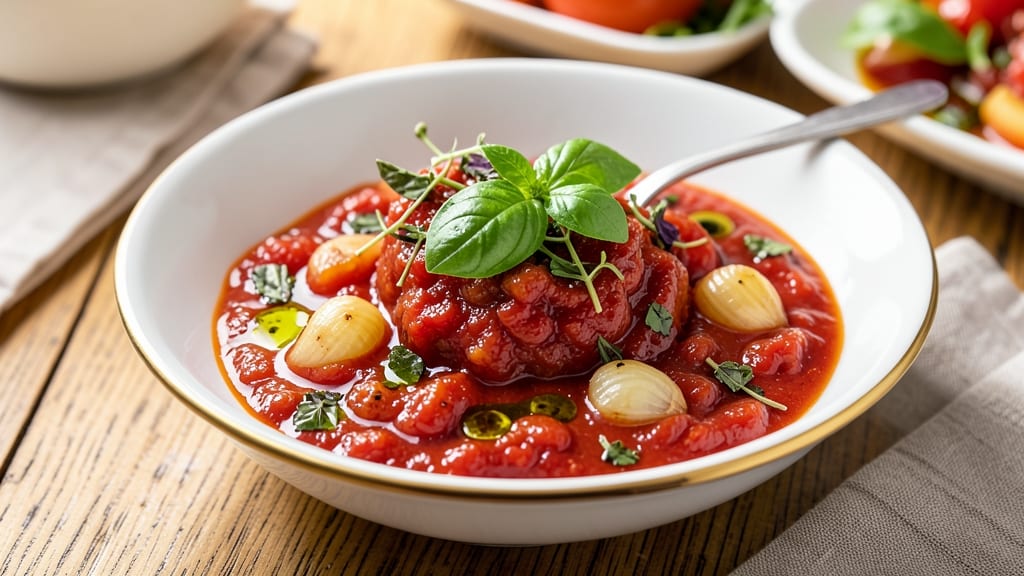
This fresh marinara sauce recipe with fresh tomatoes transforms simple ingredients into a vibrant, herb-infused simmer perfect for homemade pasta. The secret lies in using ripe tomatoes, fresh garlic, and aromatic herbs to create a sauce that's bright, balanced, and bursting with summer flavors.
I developed this recipe during a particularly hot Portland summer when I wanted to capture that garden-fresh taste in every spoonful.
The process is straightforward but yields restaurant-quality results. You'll start by building flavor in olive oil with garlic and onions, then add fresh tomatoes and herbs for that signature freshness.
A gentle simmer allows the flavors to meld without breaking down the delicate tomato texture, while a quick blend at the end creates that perfect balance between chunky and smooth. The sauce is ready in under 45 minutes.
What makes this marinara special is its versatility—use it immediately over al dente pasta for a simple yet elegant meal, or store it in the fridge for up to a week. The fresh herbs and bright tomato flavor elevate any dish, from classic spaghetti to grilled vegetables.
This is the kind of sauce that makes you want to cook pasta every night of the week.
For best results, choose ripe tomatoes with vibrant color and a sweet aroma. Fresh basil and oregano are the star herbs here, but don't hesitate to experiment with other Italian favorites like thyme or rosemary.
The sauce thickens as it cools, so adjust the consistency with a splash of pasta water if needed. Here's everything you need to make it!
Ingredients for fresh marinara sauce recipe with fresh tomatoes
Ripe tomatoes, fresh herbs, and bright olive oil—everything you need for that garden-fresh marinara.
| Ingredient | Amount | Notes |
|---|---|---|
| Fresh Tomatoes 🍅 | 2 lb | Ripe, vine-ripened preferred |
| Extra-Virgin Olive Oil 🫒 | ½ cup | High-quality, fruity variety |
| Yellow Onion 🧅 | 1 whole | Medium size, finely chopped |
| Garlic Cloves 🧄 | 4 cloves | Fresh, peeled, minced |
| Fresh Basil Leaves 🌿 | 1 cup | Packed, stems removed |
| Fresh Oregano Leaves 🌿 | ¼ cup | Packed, chopped |
| Kosher Salt 🧂 | 1 ½ tsp | Diamond Crystal preferred |
| Black Peppercorns 🌶️ | ½ tsp | Freshly cracked |
| Red Wine Vinegar 🍷 | 1 tbsp | Optional, for brightness |
| Fresh Thyme Leaves 🌿 | ⅛ cup | Packed, chopped |
The tomatoes are everything here. Heirloom or vine-ripened have the best flavor, but any ripe tomato works—just look for vibrant color and a sweet aroma. Trader Joe's and local farmers markets usually have the best selection. Skip the canned tomatoes—they can't compare. For the herbs, fresh is non-negotiable. Basil and oregano are the stars, but I always toss in a little thyme for depth. If you're growing your own, harvest basil in the morning for maximum flavor. The olive oil? Don't skimp—this is where the sauce gets its richness. A good extra-virgin oil makes all the difference.
No fresh basil? Dried oregano at half the amount works in a pinch, but it won't be the same. Short on tomatoes? A handful of sun-dried tomatoes (not the oil-packed kind) adds depth. The red wine vinegar is optional but gives that bright, tangy finish—substitute lemon juice if you don't have it. For the onions, yellow or red both work, but yellow adds a touch of sweetness. The garlic can be roasted for a mellow flavor if you prefer (wrap whole cloves in foil, bake at 400°F for 15 minutes). And if you're feeling fancy, add a pinch of red pepper flakes for heat.
This sauce tastes even better the next day as the flavors meld. Store it in an airtight container in the fridge for up to 7 days, or freeze in ice cube trays for 3 months. I always make extra—it disappears fast over pasta, pizza, or grilled veggies. To reheat, just warm gently on the stove with a splash of water or pasta water. And if it thickens too much? Thin it out with a little water or broth. Perfect every time.
Why You'll Love This Recipe
- This sauce is my weeknight MVP: slather it on fresh linguine for dinner, freeze half for next month’s lazy night, or drizzle it over grilled chicken for Sunday brunch. Same effort, endless uses.
- No Chopping Chaos: I swear by this—just halve those tomatoes and toss the skins straight in. The onion and garlic? One quick dice while the pan heats, and you’re done. That’s it. No peeling, no seed-spitting, no fuss.
- Sunshine in a Jar: The moment fresh basil hits the simmering oil, my kitchen smells like summer. The tomatoes caramelize into something rich and bright, while the garlic? It melts into that perfect sweet-spicy note—no canned paste can compete.
- Pasta Party Starter: This sauce is my weeknight MVP: slather it on fresh linguine for dinner, freeze half for next month’s lazy night, or drizzle it over grilled chicken for Sunday brunch. Same effort, endless uses.
Step-by-step instructions for fresh marinara sauce with fresh tomatoes
This vibrant sauce starts with fresh tomatoes and bursts with bright Italian herbs.
Prepare the Tomatoes for Maximum Flavor
Cut the 2 lb fresh tomatoes in half crosswise and scoop out the seeds and gel-like center using a spoon. Scatter the tomato halves cut-side down on a baking sheet lined with parchment paper. Roast at 400°F for 20-25 minutes until the edges are blistered and the flesh is soft when pressed. This roasting step intensifies the tomato flavor and removes excess acidity.
While the tomatoes roast, finely chop the 1 whole yellow onion and mince the 4 cloves garlic. Set them aside—they'll join the sauce soon. The roasted tomatoes should yield about 2½ cups of flesh when peeled from their skins. If you prefer a smoother sauce, you can also peel the tomatoes before roasting, but leaving the skins on adds beautiful texture and color.
Sauté Aromatics in Olive Oil
Heat the 0.5 cup extra-virgin olive oil in a large, heavy-bottomed saucepan over medium heat. Add the chopped onion and cook for 5-6 minutes until softened and translucent. Add the minced garlic and cook for another 30 seconds until fragrant—don't let it brown or it'll turn bitter.
Here's the thing—you want the onions to caramelize slightly, but not burn. You'll know it's ready when the mixture smells sweet and the onions are tender enough to collapse under gentle pressure. If the oil starts to smoke, reduce the heat slightly and let it cook more slowly. This step builds the sauce's flavor foundation.
Combine Tomatoes and Herbs
Remove the roasted tomato flesh from their skins and add it to the saucepan with the onions and garlic. Stir in the 1 cup fresh basil leaves, 0.25 cup fresh oregano leaves, and 0.125 cup fresh thyme leaves. Add the 1.5 tsp kosher salt and 0.5 tsp black peppercorns, then bring the mixture to a gentle simmer over medium-low heat.
Simmer uncovered for 20-25 minutes until the sauce thickens slightly and the flavors meld together. Stir occasionally, but not constantly—this helps prevent the sauce from breaking. You'll notice the sauce reduce and concentrate as it simmers, developing a deeper, more complex flavor. The herbs should infuse the sauce with their bright, aromatic qualities.
Finish with Vinegar and Adjust Seasoning
Stir in the 1 tbsp red wine vinegar and simmer for another 2-3 minutes. This final step adds a touch of brightness that balances the richness of the tomatoes and herbs. Taste the sauce and adjust the seasoning if needed—you might want to add a pinch more salt or a crack of black pepper to taste.
For the smoothest texture, use an immersion blender to blend the sauce directly in the pot. If you prefer some texture, simply mash the sauce with a potato masher or leave it slightly chunky. The sauce should coat the back of a spoon and have a glossy sheen. Let it cool slightly before serving over your favorite pasta or using it as a base for other dishes.
Pro Tips For Making Fresh Marinara Sauce Recipe With Fresh Tomatoes
- Sear the Onion First: The first 5 minutes of cooking should be all about the onion—get it golden brown in olive oil before adding anything else. I learned this the hard way: skipping this step means your sauce will taste raw and underdeveloped, no matter how long you simmer later.
- Blanch Tomatoes Before Chopping: Drop whole tomatoes into boiling water for 30 seconds, then ice bath—this peels them effortlessly and removes excess water, so your sauce doesn’t turn watery. Yes, it’s an extra step, but the texture difference is night and day.
- Crush Garlic, Don’t Mince: Use the flat side of your knife to smash whole garlic cloves into the pan—this releases more flavor without burning. I was skeptical until I tried it: the sauce tastes deeper, and you avoid that bitter, burnt garlic taste that ruins everything.
- Simmer Low and Slow: Cover the sauce with a lid and let it bubble gently for at least 20 minutes—this builds layers of flavor without breaking down the tomatoes into mush. I used to rush it, and the sauce always tasted flat; patience here makes all the difference.
Make-ahead tips for this recipe
Prep Ahead for Freshness
Roast the tomatoes in advance—they keep beautifully in the fridge for 2 days before making the sauce. Store them in an airtight container with a sprinkle of salt to preserve their flavor.
I like to prep these on Sunday so I can make fresh marinara all week long without rushing. 🌱
Herb Prep Shortcuts
Wash and dry all herbs thoroughly, then store them in ziplock bags with paper towels to absorb moisture. Keep them in the fridge for up to 5 days.
For oregano and thyme, I often chop them ahead and store in small jars—just add them straight from the fridge when ready. Fresh basil is trickier; store it in a glass of water like flowers to keep it crisp.
Sauce Storage Secrets
This marinara freezes exceptionally well—portion it into ice cube trays for perfect single-use servings. Once frozen, transfer cubes to a freezer bag and they'll last 3 months without texture loss.
For fridge storage, use glass jars with tight lids—they preserve flavor better than plastic. Always let the sauce cool completely before storing to prevent condensation.
Reheating Like a Pro
Never microwave marinara—it turns grainy. Instead, gently reheat on the stovetop over low heat with a splash of water or pasta water. If it thickens too much, thin it with 1-2 tbsp water at a time.
For extra richness, stir in 1 tbsp olive oil while reheating. I always reheat just until warm—this sauce tastes best at room temperature.
Freezer-Friendly Variations
Add ½ tsp red pepper flakes before freezing if you love spicy marinara. For a meaty version, stir in ½ cup cooked ground beef or Italian sausage before portioning.
Label your containers with dates—trust me, you'll forget which batch is oldest! The sauce actually improves after freezing, developing deeper flavors over time. 💫
Batch Cooking Tips
Double the recipe and freeze half immediately. I make 4 servings at a time during tomato season and freeze two batches. When you're ready to use it, just thaw overnight in the fridge.
For quick meals, keep one batch in the fridge and freeze the rest—this way you always have fresh marinara ready for pasta nights. The key is consistency: always use the same measurements when scaling up.
Nutrition facts
Frequently asked questions
Can I use cherry tomatoes instead of large fresh tomatoes?
Yes! Cherry tomatoes work beautifully—they're just smaller. Use about 1.5 lbs of cherry tomatoes (about 40-50) instead of 2 lbs of large tomatoes. Halve them first to help them break down faster during roasting. The flavor will be concentrated and slightly sweeter, which pairs perfectly with the herbs.
Why does my fresh marinara turn out too watery?
Fresh tomatoes release a lot of liquid when roasted. Simmer the sauce uncovered for 25-30 minutes to reduce it properly, or add 1 tsp cornstarch mixed with 2 tbsp water at the end. Stirring constantly can also make it thinner—simmer gently instead. If it's still too thin, reduce more or blend briefly to break down some tomato pieces.
Can I make this sauce without roasting the tomatoes?
For a quicker version, simply crush 2 lbs fresh tomatoes (peeled if preferred) and cook them directly with the onions and garlic. Simmer for 30-40 minutes to develop flavor, but roasting intensifies the tomato taste significantly. The texture will be slightly less rich, but still delicious—great for weeknight meals.
How do I know when the sauce is done?
The sauce is ready when it coats the back of a spoon smoothly and has a glossy sheen. Taste it—the flavors should be balanced, with bright tomato and herb notes. It should take about 20-25 minutes of simmering. If it's still too thin, simmer uncovered for another 5-10 minutes. For chunkier texture, skip blending entirely.
What's the best way to use leftover marinara?
This sauce is incredibly versatile! Use it over pasta, as a pizza sauce, or as a dip for garlic bread. Freeze extras in ice cube trays for perfect portions. For a quick meal, toss it with sautéed shrimp or chicken. Even better, make a frittata by stirring the sauce into beaten eggs and baking at 350°F for 20 minutes.