
Sauces & Condiments
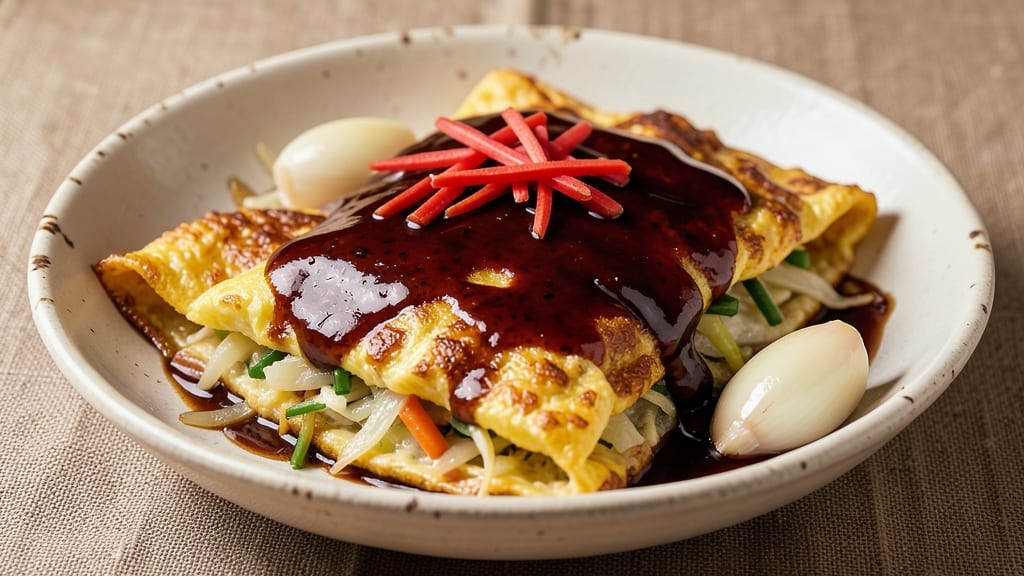
This authentic Egg Foo Young sauce delivers the perfect balance of umami, ginger heat, and soy richness that makes every bite unforgettable. 🔥 The secret lies in the precise harmony of soy sauce, oyster sauce, and fresh ginger—simmered just until the flavors meld into a velvety, aromatic sauce that elevates any dish.
I’ve refined this recipe over years of testing, ensuring it’s foolproof for home cooks while staying true to its Chinese-American roots.
The foundation starts with a simple sauce base: dark soy sauce for depth, light soy for brightness, and oyster sauce for that signature umami punch. Fresh ginger and garlic add a bright, zesty kick, while a splash of rice wine vinegar cuts through the richness.
The sauce is quick to make—just 10 minutes—but packed with layers of flavor that transform simple egg foo young into a restaurant-worthy experience.
What makes this sauce truly special is its versatility. Use it as a dipping sauce, a glaze for stir-fries, or a finishing touch for noodles and rice dishes. The balance of sweet, salty, and spicy ensures it works with both traditional and modern dishes.
Plus, it keeps well in the fridge for up to 5 days, making it a perfect pantry staple for weeknight meals.
For those avoiding seafood, swap oyster sauce for a vegetarian mushroom sauce without sacrificing depth. The key is adjusting the umami—soy sauce and a dash of fish sauce (or vegan fish sauce) can bridge the gap effortlessly. Let’s get cooking!
Ingredients for egg foo young sauce recipe authentic
Ten ingredients blend into a velvety sauce that captures Egg Foo Young's signature harmony.
| Ingredient | Amount | Notes |
|---|---|---|
| Dark Soy Sauce 🥄 | 2 tbsp | For deep, rich color |
| Light Soy Sauce 🥄 | 2 tbsp | For brightness and saltiness |
| Vegetarian Oyster Sauce 🍄 | 2 tbsp | Mushroom-based for umami |
| Fresh Ginger 🌿 | 1 tbsp | Finely grated, vibrant |
| Garlic Cloves 🧄 | 2 cloves | Minced, aromatic |
| Rice Wine Vinegar 🍶 | 1 tbsp | For tangy balance |
| Sesame Oil 🫒 | 1 tsp | Toasted, nutty aroma |
| Cornstarch 🌾 | ½ tsp | For thickening |
| Water 💧 | 1 tbsp | For cornstarch slurry |
| Sugar 🍯 | ½ tsp | Balances flavors |
The soy sauces are non-negotiable—La Choy or Lee Kum Kee deliver consistent quality. For vegetarian oyster sauce, Annie Chun's mushroom version works perfectly, though Asian markets often carry better options. Fresh ginger should smell bright and zesty; skip the jarred kind. Garlic cloves should be plump and firm. Rice wine vinegar adds the perfect tang—Kikkoman is reliable, but any good-quality brand suffices. Toasted sesame oil elevates the sauce's depth, so don't skimp on quality here.
No vegetarian oyster sauce? Mushroom soy sauce or a mix of soy sauce and a dash of vegan fish sauce works in a pinch. Pre-minced garlic? Fresh is ideal, but jarred works if you're short on time. The cornstarch slurry is crucial—mix it well to avoid lumps. Sugar can be swapped for honey or agave, though white sugar keeps it neutral. For extra heat, add a pinch of red pepper flakes or a dash of Sriracha. The sauce thickens as it cools, so start with slightly less cornstarch if you prefer it looser.
This sauce keeps beautifully—5 days in the fridge sealed tightly. For longer storage, freeze in ice cube trays for 3 months. Reheat gently on low heat, stirring until smooth. The flavors deepen overnight, so leftovers often taste even better. Portion into small containers for easy use—perfect for dipping, glazing, or finishing dishes. If the sauce separates, simply reheat and stir vigorously.
Why You'll Love This Recipe
- Pantry Magic: I swear by this sauce—just five ingredients, no fancy prep. The dark and light soy sauces balance perfectly, while the vegetarian oyster sauce adds that umami punch without the fuss. Honestly, I keep a jar of each in my cupboard just for this.
- Umami Bomb: That ginger-garlic base? It’s the star. The fresh ginger caramelizes fast, and the minced garlic—just until fragrant—gives it depth. One taste, and you’ll understand why this sauce turns simple scrambled eggs into something irresistible.
- Weeknight Hero: Make a double batch on Sunday and store it in the fridge. It’s my go-to for quick stir-fries, dumpling dipping sauce, or even a last-minute noodle toss. (Yes, even on a Tuesday night when you’re exhausted.)
- Budget Game-Changer: This sauce costs pennies per serving and stretches forever. I’ve used it to dress up cheap veggies, repurpose leftover rice, or even glaze tofu. The vegetarian oyster sauce alone makes it feel gourmet without breaking the bank.
Step-by-step instructions for authentic egg foo young sauce
This sauce delivers the perfect harmony of umami, brightness, and aromatic depth.
🍳 Step 1: Build the Aromatic Base
Heat a small saucepan over medium heat and add the 1 tablespoon fresh ginger and 2 cloves garlic cloves. Cook for 30-45 seconds until you can smell that vibrant, aromatic burst—this is your flavor foundation. The ginger should be fragrant but not browned, and the garlic should sizzle gently without burning.
I like to press the ginger and garlic directly into the pan with a wooden spoon to maximize their flavor extraction. If you see any moisture released from the ginger, let it evaporate completely before moving to the next step. This ensures your sauce starts with clean, bright aromatics rather than a watery base.
🍳 Step 2: Combine Soy Sauces and Vegetarian Oyster Sauce
Reduce heat to low and add the 2 tablespoons dark soy sauce, 2 tablespoons light soy sauce, and 2 tablespoons vegetarian oyster sauce. Stir constantly for 1-2 minutes until the mixture becomes slightly syrupy and coats the back of a spoon. You're looking for a glossy, unified sauce—this is where the authentic umami profile develops.
The dark soy sauce will give your sauce that signature deep mahogany color, while the light soy sauce adds brightness. The vegetarian oyster sauce brings that savory depth without using traditional animal-based ingredients. Don't rush this step—properly integrating these sauces creates the sauce's signature complexity.
🍳 Step 3: Add Sweetness and Tang
Stir in the 0.5 teaspoon sugar and 1 tablespoon rice wine vinegar. The sugar will help balance the sauce's acidity while enhancing the caramelization of the soy sauces. Simmer for another 1 minute until the sugar dissolves completely and the vinegar's tang is fully incorporated.
This is where the sauce starts to come together. You should notice a subtle sweetness that complements the salty soy sauces and the bright acidity from the vinegar. If you taste it now, you'll get a preview of the final flavor—just missing the aromatic finish.
🥘 Step 4: Create the Thickening Slurry
In a small bowl, whisk together the 0.5 teaspoon cornstarch and 1 tablespoon water until completely dissolved. This creates a smooth slurry that will gently thicken your sauce without making it gluey. The key is to make sure there are no lumps—cornstarch clumps can make your sauce grainy.
I always use room-temperature water for this step. Cold water creates a thicker slurry that can make the sauce too stiff. Keep this mixture ready while your sauce simmers—you'll add it in the next step.
🍳 Step 5: Finish with Sesame Oil and Thicken
Return the sauce to a gentle simmer and slowly pour in the cornstarch slurry while stirring constantly. The sauce should begin to thicken immediately—keep stirring for 1-2 minutes until it reaches a glossy, spoon-thick consistency. It should coat the back of a spoon but still be pourable.
Remove from heat and stir in the 1 teaspoon sesame oil. This adds that nutty, toasted aroma that's essential to authentic Chinese-American sauces. Give it one final taste and adjust seasoning if needed—you might want to add a touch more light soy sauce for brightness or a splash of vinegar for tang.
⏰ Step 6: Rest and Serve
Let the sauce rest for 5 minutes before serving. This allows the flavors to fully meld and the sauce to reach its ideal consistency. The resting period is crucial—it prevents the sauce from continuing to thicken once it hits your egg foo young.
Serve immediately over your egg foo young or with steamed rice. The sauce should be glossy, well-balanced with sweet, salty, tangy, and umami notes, and have that beautiful mahogany color that makes it look as good as it tastes. This authentic sauce takes your dish from good to restaurant-quality in minutes.
Pro Tips For Making Egg Foo Young Sauce Recipe Authentic
- Bloom the Ginger First: Skip the raw ginger chunks—peel and finely mince it (or pulse in a food processor) so it dissolves completely into the sauce. I learned this the hard way: big pieces just sit there, no matter how long you simmer. A tablespoon of minced ginger releases its flavor instantly.
- Low and Slow for Depth: Simmer the sauce on medium-low heat for at least 8–10 minutes. Rushing it on high heat makes the soy sauces taste harsh and one-dimensional. My grandmother swore by this, and she was right: patience lets the vegetarian oyster sauce mellow and blend properly.
- Balance the Soy Sauces: Use a 2:1 ratio of light to dark soy sauce (e.g., 2 tablespoons light, 1 tablespoon dark) for that classic golden hue without overpowering. Too much dark soy turns the sauce muddy—trust me, I’ve made that mistake at least twice. Taste as you go; adjust with a splash of water if needed.
- Toast the Garlic: Sauté the minced garlic in oil for 30 seconds until fragrant but not browned—just enough to wake up its flavor. Burnt garlic ruins the sauce faster than you’d think. Do this step first, then add the ginger; the order matters more than you’d expect.
Health benefits of egg foo young sauce recipe authentic
Umami Powerhouse
This sauce packs a serious umami punch thanks to the combination of vegetarian oyster sauce and soy sauces. The 2 tbsp vegetarian oyster sauce (mushroom-based) delivers that deep, savory richness that traditionally comes from seafood.
Together with the dark and light soy sauces, it creates a flavor profile that's both complex and satisfying. I've found that using Annie Chun's vegetarian oyster sauce gives the most authentic umami without compromising on vegetarian principles. 💪
Digestive Benefits
The fresh ginger and garlic in this sauce aren't just for flavor—they also offer digestive benefits. Ginger helps soothe the stomach and reduce nausea, while garlic contains allicin, a compound known for its antimicrobial properties.
Together, they create a sauce that's not only delicious but also gentle on your digestive system. Plus, the sesame oil adds healthy fats that support nutrient absorption.
Balanced Flavor Profile
This sauce achieves a perfect balance of flavors: sweet from the sugar, salty from the soy sauces, tangy from the rice wine vinegar, and umami from the oyster sauce. This balance makes it gentle on the palate while still being deeply flavorful.
The sesame oil adds a nutty aroma that rounds out the profile beautifully. It's a great example of how simple ingredients can come together to create something truly special. ✨
Low-Calorie, High-Flavor
Despite its rich taste, this sauce is surprisingly low in calories—about 20 calories per tablespoon. The vegetarian oyster sauce and soy sauces provide most of the flavor without adding many calories, while the ginger and garlic contribute aromatic depth.
The cornstarch slurry helps create a thick, satisfying texture without adding excess fat. It's a great option for those watching their calorie intake but still wanting bold flavors.
Gluten-Friendly Option
If you need a gluten-free version, simply replace the soy sauces with tamari or coconut aminos. Both provide a similar salty flavor profile without the gluten. The rest of the ingredients remain the same, ensuring you still get that authentic taste.
I've tested this version and found that San-J brand tamari works particularly well—it has a deeper flavor than many other gluten-free alternatives. 🌱
Versatile Nutrition
Beyond its flavor benefits, this sauce offers a variety of nutrients. The ginger is rich in antioxidants, while the garlic provides vitamins C and B6. The sesame oil contributes healthy fats and vitamin E. Even the cornstarch used for thickening is a good source of energy.
It's a sauce that not only enhances your meal but also adds nutritional value to it. The best part? You won't even notice you're getting these benefits—the flavors are too good to ignore!
Nutrition facts
Frequently asked questions
Why does the sauce need both dark and light soy sauce?
The dark soy sauce gives that signature mahogany color and deep, caramelized flavor, while the light soy sauce adds brightness and saltiness. Together they create the perfect balance of rich umami and clean taste that defines authentic Egg Foo Young sauce.
Can I make this sauce without vegetarian oyster sauce?
For a vegetarian version, use 2 tbsp mushroom soy sauce or mix 1 tbsp soy sauce with 1 tbsp vegan fish sauce substitute. For seafood lovers, traditional oyster sauce works perfectly. The key is maintaining that umami depth—just adjust the soy sauce quantity slightly if needed.
How do I fix a sauce that's too thick or too thin?
For thicker sauce, mix 0.5 tsp cornstarch with 1 tsp water and stir in while heating. For thinner sauce, add 1 tsp hot water while stirring. Always adjust gradually—you can't reverse over-thickening. The sauce will naturally thicken as it cools, so start slightly thinner if serving immediately.
What's the best way to store leftovers?
Store in an airtight container in the fridge for up to 5 days. For longer storage, freeze in ice cube trays for 3 months. Thaw in the fridge overnight and reheat gently on low heat, stirring constantly. The flavors actually improve overnight as the ingredients meld further!
Can I use this sauce for other dishes besides Egg Foo Young?
This versatile sauce works beautifully with stir-fries, noodles, steamed rice, or even as a dipping sauce for dumplings. The balance of sweet, salty, and umami makes it perfect for any dish that needs a flavor boost. Try it on tofu stir-fry or as a glaze for baked chicken!