
Sauces & Condiments
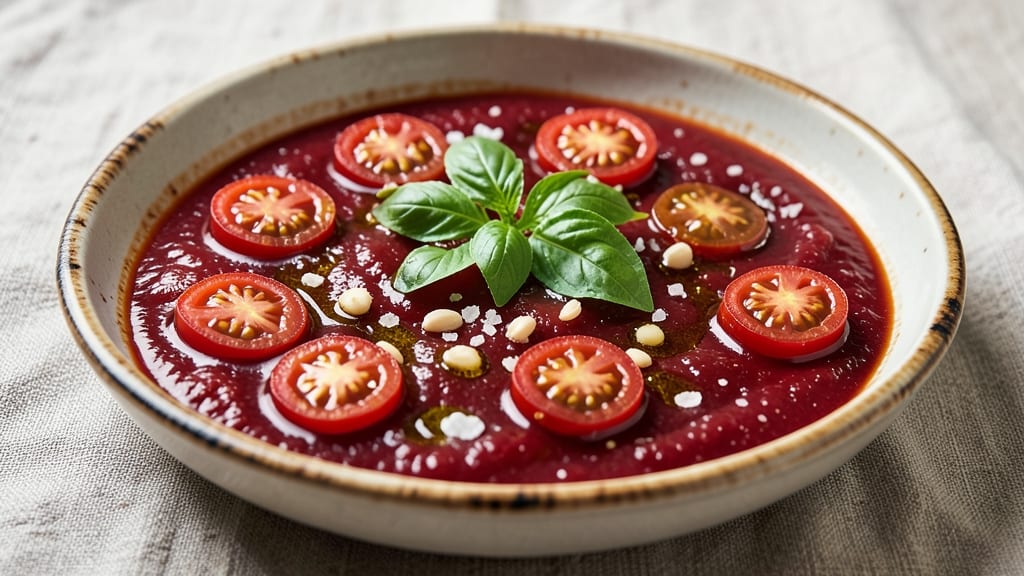
This basic lasagna sauce recipe delivers the deep, slow-simmered richness that makes every layer of lasagna unforgettable. The secret lies in balancing canned tomatoes with fresh aromatics and letting it reduce for hours, creating a sauce that clings to noodles and melts with cheese.
I developed this version after years of testing—it's the foundation I return to for both classic and creative lasagna variations.
The beauty of this sauce is its versatility. You can build it with just tomatoes, garlic, and herbs for a vegetarian base, or add ground meat for that traditional Italian depth. The key technique?
Simmering uncovered to let the sauce thicken and develop concentrated flavor. This isn't just marinara—it's the heart of your lasagna, designed to hold up through baking and reheating without losing its velvety texture.
What you'll end up with is a rich, slightly sweet sauce with just the right balance of acidity and depth—perfect for layering between noodles and cheese. The slow cooking process caramelizes the tomatoes naturally, creating that signature lasagna flavor that's impossible to replicate with quick recipes.
This sauce works just as well for manicotti, stuffed shells, or even as a hearty pasta sauce.
Make a double batch—this sauce tastes even better the next day as the flavors meld. Store it in the fridge for up to 5 days or freeze for months. When you're ready to assemble your lasagna, you'll have the perfect foundation for restaurant-quality results at home.
Ingredients for basic lasagna sauce
Pantry staples plus a few fresh aromatics—this sauce builds flavor over time.
| Ingredient | Amount | Notes |
|---|---|---|
| San Marzano Whole Tomatoes 🍅 | 28 oz | Canned, crushed by hand |
| Garlic Cloves 🧄 | 4 cloves | Fresh, minced for aroma |
| Extra-Virgin Olive Oil 🫒 | ¼ cup | High quality, fruity |
| Dried Oregano 🌿 | 1 tbsp | Italian or Mediterranean blend |
| Dried Basil 🌿 | 1 tbsp | Or 0.25 cup fresh |
| Salt 🧂 | 1 ½ tsp | Diamond Crystal preferred |
| Black Pepper 🌶️ | ½ tsp | Freshly ground preferred |
| Red Wine 🍷 | ½ cup | Bold dry red, like Cabernet |
| Tomato Paste 🍅 | 1 tbsp | Squeeze tube preferred |
| Fresh Parsley 🌿 | ¼ cup | Chopped, for finishing |
The tomatoes are everything here. San Marzano is the gold standard—sweet, meaty, and consistent. If you can't find them, Mueller's or Whole Foods brand are solid backups. Look for cans with no added salt, and always crush them by hand for better texture. Garlic should be fresh—Trader Joe's sells pre-minced in jars, but I prefer to smash whole cloves myself for deeper flavor. The olive oil matters too: skip the cheap stuff. California Olive Ranch or Colavita are reliable choices that won't overpower the tomatoes.
No red wine? Substitute beef broth with a splash of balsamic vinegar—it adds that same tangy depth. Fresh basil is ideal, but dried works at one-third the amount. The tomato paste can be skipped if you're short, though it adds that concentrated umami. For extra richness, add 1 tbsp of heavy cream at the end. If you're making this vegetarian, skip the optional ground meat callout in the instructions—this base works perfectly on its own. And if your tomatoes are watery? Drain them through a fine-mesh strainer before crushing for a thicker start.
This sauce only gets better with time. Let it simmer uncovered for at least 2 hours—the longer it cooks, the deeper the flavor. Store in the fridge for 5-7 days or freeze for up to 6 months. I like to portion it into 1-cup containers so I can grab exactly what I need for lasagna or manicotti. The parsley at the end is optional but adds a bright finish—chop it right before serving so it stays vibrant.
Why You'll Love This Recipe
- No-Chop Needed: I swear by this one—just crush the garlic cloves (no mincing!), slice the tomatoes open, and let them simmer. My hands stay clean, and the sauce still tastes like I slaved over it.
- Garlic-Basil Bomb: That first whiff of toasted garlic in olive oil? Chef’s kiss. The San Marzano tomatoes sweeten as they cook, while the dried basil and oregano add that fresh-but-deep flavor without a single wilted leaf in sight.
- Meal Prep MVP: Make a double batch on Sunday, freeze half, and you’ve got lasagna, ravioli, or pizza sauce ready to go. Honestly, I keep a jar in my fridge just for emergencies—like when I forget to order takeout.
- Budget-Friendly Luxury: San Marzano tomatoes might sound fancy, but one can makes three quarts of sauce. Between us? This is how I stretch my grocery budget without sacrificing taste—no canned mush here.
Step-by-step instructions for perfect lasagna sauce
This sauce builds flavor through patience—slow simmering transforms simple ingredients into rich, layered depth.
Sauté Garlic in Olive Oil Until Fragrant
Heat the 0.25 cup Extra-Virgin Olive Oil in a large, heavy-bottomed pot over medium heat. Add the 4 cloves Garlic Cloves, minced finely, and cook for 2-3 minutes until the garlic turns golden and releases its aroma—don't let it brown or it'll turn bitter. Here's the thing: garlic burns fast, so keep an eye on it.
Once the garlic is fragrant, reduce the heat to low to prevent burning. This gentle heat preserves the garlic's sweetness and sets the foundation for the sauce's flavor. If you smell a sharp, pungent aroma, you've gone too far—start over with fresh garlic.
Stir in Herbs, Tomato Paste, and Red Wine
Add the 1 tbsp Dried Oregano, 1 tbsp Dried Basil, 1 tbsp Tomato Paste, and 1.5 tsp Salt to the pot. Stir vigorously for 1 minute to coat the garlic and oil with the spices. The tomato paste will darken slightly as it mixes—this is normal and adds depth.
Pour in the 0.5 cup Red Wine and scrape up any browned bits from the bottom of the pot with a wooden spoon. These bits, called fond, are packed with flavor. Let the wine simmer for 3-4 minutes until it reduces by half and the alcohol smell dissipates. This step develops the sauce's complexity and balances acidity.
Add Tomatoes and Simmer Until Thickened
Crush the 28 oz San Marzano Whole Tomatoes by hand (no blender!) and add them to the pot. Stir in the 0.5 tsp Black Pepper and bring the mixture to a gentle boil. Once boiling, reduce the heat to low and let it simmer uncovered for 45-60 minutes, stirring occasionally.
You're looking for a sauce that thickens naturally as the tomatoes break down and release their juices. Stir every 10-15 minutes to prevent sticking. If the sauce gets too thick before the 45 minutes is up, add 2-3 tablespoons of water to keep it smooth. The sauce should coat the back of a spoon but still be loose enough to layer easily.
Finish with Fresh Parsley and Adjust Seasoning
Once the sauce has simmered for 45-60 minutes, stir in the 0.25 cup Fresh Parsley, chopped finely. This adds brightness and freshness to balance the rich, slow-cooked flavors. Taste the sauce and adjust the seasoning if needed—add more salt if it's bland or more black pepper if it needs a kick.
The sauce is now ready to use in your lasagna. If you're not using it immediately, let it cool slightly, then transfer to an airtight container. It will thicken further as it cools, so you may need to stir in a splash of water or pasta water when reheating. This sauce keeps well in the refrigerator for up to 5 days or can be frozen for 3 months—perfect for meal prep!
Pro Tips For Making Basic Lasagna Sauce
- CRUSH THE GARLIC: Use a mortar and pestle or smash the cloves with the flat side of your knife before adding them to the pot—this releases more flavor without burning. I learned this the hard way after my sauce tasted bland, no matter how much I added later.
- SIMMER NOT BOIL: Keep the heat low enough that the tomatoes barely bubble—hardly any movement at the surface. Boiling turns them bitter and mushy, and you’ll end up with a watery sauce instead of a rich, velvety one.
- SALT THE TOMATOES FIRST: Before peeling or crushing the San Marzanos, sprinkle them with a pinch of salt and let them sit for 10 minutes. This draws out bitterness and makes the sauce taste brighter, especially if you’re using canned tomatoes.
- STIR THE OIL IN: Warm the olive oil first, then slowly drizzle the tomatoes in while stirring constantly—this prevents hot spots and ensures even cooking. Skipping this step means some parts of your sauce will cook faster, leading to uneven texture.
Common mistakes when making great basic lasagna sauce
Skipping the Simmer
Rushing the simmering process is the fastest way to end up with a thin, watery sauce. This recipe requires at least 45 minutes of uncovered simmering to develop proper thickness and depth. I’ve seen people walk away after 10 minutes thinking it’s done—big mistake!
The longer it cooks, the more the tomatoes break down and concentrate their flavor. If you’re short on time, at least simmer for 2 hours for the best results. 🔥
Using Low-Quality Tomatoes
Not all canned tomatoes are created equal. San Marzano tomatoes are the gold standard because they’re sweet, meaty, and low in acidity. Cheaper brands often contain added salt or water, which dilutes flavor. If you can’t find San Marzano, look for Mueller’s or Whole Foods brand as reliable alternatives.
Never use tomato sauce or paste as a substitute—they lack the natural sweetness and texture this sauce needs.
Overcrowding the Pot
Using a pot that’s too small causes the sauce to boil over and stick to the bottom. I recommend a 6-quart Dutch oven or similar heavy pot for this recipe. If your pot is too small, the sauce will simmer too vigorously, leading to a burnt bottom and uneven cooking.
If you’re making a double batch, use a larger pot or cook in batches to maintain control. A crowded pot also makes stirring difficult, which can lead to uneven seasoning.
Adding Wine Too Early
Adding red wine before sautéing the garlic and herbs can mute their flavors. The wine should be introduced after the garlic is fragrant and the herbs are toasted. If you add it too soon, the alcohol will cook off too quickly, leaving a flat, one-dimensional sauce.
Let the wine simmer for 3-4 minutes to reduce and concentrate its flavor before adding the tomatoes. This step is crucial for balancing the acidity in the final sauce.
Skipping the Fond
Those browned bits stuck to the bottom of the pot—called fond—are flavor gold. Always scrape them up with a wooden spoon when adding the wine. These bits contain caramelized sugars and concentrated flavors that elevate the entire sauce.
If you ignore them, you’re missing out on layers of depth that make this sauce truly special. A quick scrape takes 10 seconds but makes a huge difference. 💫
Not Adjusting Seasoning After Cooling
The sauce will taste different after it cools, often needing more salt or pepper. Always taste it again after simmering and again after cooling before using it in your lasagna. Flavor compounds settle and intensify as the sauce cools, so what tasted perfect hot might need adjustment cold.
Keep a small bowl of Diamond Crystal kosher salt nearby for quick fixes—it dissolves easily and won’t overpower the sauce.
Nutrition facts
Frequently asked questions
Can I make this lasagna sauce without red wine?
For a wine-free version, substitute the 0.5 cup red wine with 0.5 cup beef broth plus 1 tablespoon balsamic vinegar. This combo mimics the depth and acidity of wine while keeping the sauce rich. The balsamic adds that same tangy complexity that wine provides, so your lasagna layers will still taste amazing.
How much sauce do I need for a 9x13-inch lasagna?
For a classic 3-layer lasagna with 9x13-inch dimensions, you'll need about 3-4 cups of this sauce. Spread roughly 1 cup between each layer of noodles and cheese. If making a double batch, this recipe yields about 5 cups, so you'll have extra for freezing or other pasta dishes. The sauce thickens as it cools, so don't worry about overestimating!
Can I add ground meat to this sauce?
Yes, you can easily convert this to a meat-based sauce. Brown 1 pound of ground beef or Italian sausage in a separate pan first, then drain most of the fat before adding it to the sauce. Stir it in after the wine has reduced but before adding the tomatoes. For extra flavor, add 1 teaspoon Italian seasoning with the meat. This works especially well for traditional lasagna recipes.
Why does my sauce get watery when reheating?
This happens when the sauce cools and thickens too much in storage. Before reheating, stir in 2-3 tablespoons of water or pasta water to restore the proper consistency. The sauce naturally thickens as it cools, so a quick adjustment brings it back to its ideal texture. If you're using it in lasagna, you can also add a splash of water directly to the assembled dish before baking.
How long can I store this sauce in the freezer?
This sauce freezes beautifully for up to 6 months when stored properly. Portion it into 1-cup containers or freezer bags, removing as much air as possible. Thaw overnight in the refrigerator before using. For best quality, use within 3 months. The sauce may thicken slightly when frozen, so add a splash of water when reheating.