
Sauces & Condiments
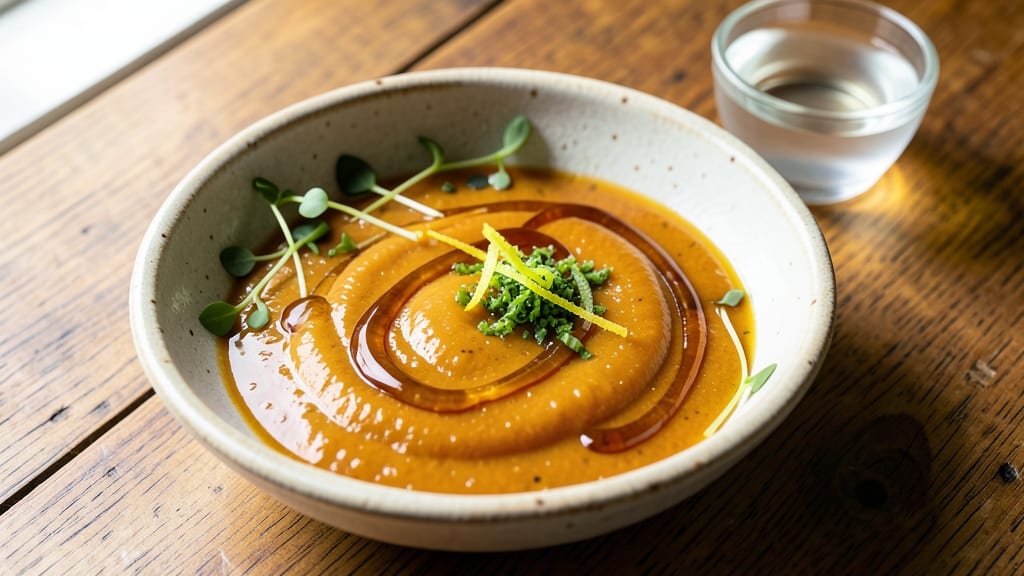
This basic ponzu sauce recipe delivers the perfect balance of bright citrus and savory umami in just 10 minutes, transforming simple ingredients into a versatile condiment that elevates everything from grilled fish to noodle dishes.
The foundation of authentic ponzu—yuzu juice, soy sauce, and mirin—creates a tangy, slightly sweet sauce with deep Japanese roots, though I've adapted it for home cooks using readily available citrus like yuzu, sudachi, or even a mix of lemon and lime.
The magic happens when these three core ingredients meld together, with optional dashi stock adding that signature umami depth. I like to strain the sauce for a silky texture, though traditional recipes sometimes leave the pulp for extra brightness.
This version stays true to classic ponzu while offering flexibility—skip the dashi for a vegetarian version or add a touch of vinegar for extra tang.
What you'll end up with is a vibrant, umami-packed sauce that's perfect for dipping sushi, marinating proteins, or drizzling over steaming bowls of ramen. The citrus notes brighten rich dishes, while the soy and mirin provide that satisfying savory backbone.
Unlike store-bought versions, this homemade ponzu develops richer flavors over time—ideal for making ahead and keeping on hand.
The best part? This sauce comes together with just a few pantry staples and no special equipment. Once you master the basic ratio, you can experiment with variations—adding honey for sweetness, chili flakes for heat, or even a splash of sake for extra depth.
Let's get started on this versatile, restaurant-quality condiment that's easier than you think.
Ingredients for basic ponzu sauce
Bright citrus, savory umami, and pantry staples transform into this restaurant-quality ponzu sauce.
| Ingredient | Amount | Notes |
|---|---|---|
| Yuzu Juice 🍋 | ½ cup | Freshly squeezed preferred |
| Soy Sauce 🍶 | ½ cup | Light or dark, to taste |
| Mirin 🍶 | ¼ cup | Sweet cooking rice wine |
| Dashi Stock 🍲 | ½ cup | Optional for umami depth |
| Rice Vinegar 🍶 | 1 tbsp | For extra tanginess |
| Honey 🍯 | 1 tbsp | Or agave for vegan option |
| Sesame Oil 🥜 | 1 tsp | Toasted for aroma |
| Red Chili Flakes 🌶️ | ½ tsp | Optional for heat |
| Salt 🧂 | ½ tsp | Kosher or sea salt |
| Sudachi or Lemon Juice 🍋 | 2 tbsp | Substitute for yuzu |
Yuzu is the star, but don’t stress if you can’t find it—sudachi or lemon juice work brilliantly. For authentic flavor, grab yuzu at Japanese markets or specialty stores like Mitsua or Nijiya. If using sudachi, double the amount since it’s more concentrated. The mirin adds that signature sweetness, so avoid subbing with regular rice wine—it lacks the right balance. Soy sauce should be light and clean, like Kikkoman, to avoid overpowering the citrus notes. Dashi stock, if using, should be homemade or high-quality store-bought for that rich umami kick.
No mirin? Substitute with 1 tbsp sugar plus 1 tbsp rice wine, though it won’t be identical. Dashi stock can be replaced with extra soy sauce or a splash of fish sauce for vegetarians. For a sweeter ponzu, add another tablespoon of honey, and for heat, double the chili flakes. The sesame oil is non-negotiable—it’s what gives ponzu its signature aroma. If you’re short on time, toasted sesame seeds in a pinch work, but the oil is better. Strain the sauce for a silky texture, but leave some pulp for extra brightness if you prefer a rustic finish.
This sauce keeps beautifully—up to 2 weeks in the fridge, with flavors deepening over time. For long-term storage, freeze in ice cube trays and transfer to a container. The sesame oil will separate, so give it a quick stir before using. Ponzu is incredibly versatile—drizzle over sushi, use as a marinade, or toss with noodles. The umami-packed flavor makes it perfect for balancing rich dishes, and it’s a game-changer for homemade ramen or grilled fish. Make a double batch; you’ll want it on hand for everything.
Why You'll Love This Recipe
- Here’s what sold me: the way mirin and dashi stock turn this into a flavor powerhouse. It’s salty, sweet, and tangy all at once, with that deep, savory punch that clings to grilled fish or noodles like it’s never letting go.
- Five-Ingredient Magic: I swear, this sauce is the kind of recipe that makes you question why you ever bought store-bought. Just mix yuzu juice, soy sauce, mirin, dashi, and rice vinegar—no blending, no straining, no stress. That bright citrus cut through everything like a knife.
- Umami Bomb: Here’s what sold me: the way mirin and dashi stock turn this into a flavor powerhouse. It’s salty, sweet, and tangy all at once, with that deep, savory punch that clings to grilled fish or noodles like it’s never letting go.
- Weeknight Swiss Army: Between us, this sauce is my go-to for everything. Drizzle it over ramen, toss it with seared scallops, or even use it as a marinade. I’ve even poured it into a squeeze bottle for quick dipping—because sometimes you just need that citrusy kick without the fuss.
Step-by-step instructions for umami-packed citrus sauce
Here's how to create a vibrant ponzu sauce with perfect balance and depth in just minutes.
Whisk Together the Citrus and Salty Base
In a medium saucepan, combine the 0.5 cup yuzu juice and 0.5 cup soy sauce over low heat. Let them warm together for 2-3 minutes until the mixture becomes slightly translucent and the acidity mellows just enough to reveal its complex flavor profile. This initial warming prevents the sauce from becoming overly sharp when other ingredients are added later.
Add the 0.5 cup dashi stock and 1 tablespoon rice vinegar, stirring constantly. The dashi stock will deepen the umami foundation while the vinegar adds a bright, cutting acidity that balances the richness. Let the mixture simmer gently for 3-4 minutes until it reduces by about one-third and the aromas begin to meld beautifully. You'll notice the sauce developing a glossy sheen—this indicates proper reduction and flavor concentration.
Sweeten and Infuse with Aromatics
Remove the saucepan from heat and stir in the 1 tablespoon honey and 2 tablespoons sudachi or lemon juice. The honey will counteract any lingering sharpness while adding subtle floral notes that complement the citrus. The sudachi or lemon juice adds a final layer of brightness—sudachi offers a more complex, slightly bitter citrus flavor, while lemon provides a classic tang.
Return the pan to low heat and carefully whisk in the 1 teaspoon sesame oil. The sesame oil should be toasted for maximum aroma, so if using untoasted oil, warm it separately for 30 seconds before adding. Let the sauce simmer for another 1-2 minutes, just until the oil is fully incorporated and the mixture is completely smooth. The sesame oil will carry warm, nutty undertones that elevate the entire sauce.
Season and Finish with Heat
Taste the sauce and adjust the seasoning with the 0.5 teaspoon salt and 0.5 teaspoon red chili flakes. The salt should enhance the umami without making the sauce taste flat, while the chili flakes add a subtle, smoky heat that lingers on the palate. If using sudachi, the sauce will have a more refined heat; lemon will make the spice more pronounced.
Strain the sauce through a fine-mesh sieve into a clean bowl to remove any potential sediment, then let it cool to room temperature. The sauce will thicken slightly as it cools, achieving the perfect consistency for drizzling over dishes. Store any leftovers in an airtight container in the refrigerator for up to 5 days, or freeze for up to 3 months. This sauce is incredibly versatile—perfect for drizzling over grilled fish, sushi, or even as a marinade for tofu.
Pro Tips For Making Basic Ponzu Sauce
- STRAIN IT TWICE: Ponzu’s texture matters more than you think. After simmering, pour the sauce through a fine-mesh sieve lined with cheesecloth—yes, even if it looks clear. The first strain catches big bits; the second grabs the fine sediment that makes homemade ponzu taste like store-bought. (I learned this the hard way when my sauce had a gritty aftertaste.)
- DILUTE THE DASHI FIRST: Mix your dashi stock with the rice vinegar before adding it to the hot soy-mirin-yuzu base. This prevents the dashi’s umami from curdling when poured into the acidic yuzu. Think of it like tempering chocolate—just less dramatic, and way more delicious.
- SIMMER LOW AND SLOW: Skip the high heat. A gentle simmer (barely bubbles) for 5–7 minutes lets the flavors meld without cooking out the yuzu’s bright citrus notes. I used to rush it, and the sauce ended up tasting flat and one-dimensional. Patience here is the thing that matters most.
- UPGRADE WITH A SPLASH OF SALT: Add a pinch of flaky sea salt (½ teaspoon) at the end—it cuts through the sweetness of mirin and balances the acidity. Sounds weird, but it works: the salt dissolves just enough to elevate the sauce without making it taste like a science experiment. (Your future self will thank you.)
Flavor customization for this dish
Sweet-Tangy Balance
Adjust the honey to rice vinegar ratio to control sweetness and acidity. For a more balanced flavor, use 1 tbsp honey and 1 tbsp vinegar, but if you prefer extra tang, reduce honey to ½ tbsp and increase vinegar to 1.5 tbsp.
I’ve found that sudachi juice (if available) adds a natural sweetness, so you might need less honey—just ½ tbsp—while lemon requires the full amount for brightness. 🍯
Spicy Kick Options
For a mild heat, stick with ½ tsp red chili flakes and let them steep for 5 minutes before straining. If you love spice, add 1 tsp chili flakes and a pinch of ground Sichuan peppercorn for a numbing, fiery finish.
I once made a ponzu with 1 tbsp gochujang instead of chili flakes—it added a deep, fermented heat that worked beautifully with grilled pork. 🌶️
Umami Boosters
Swap dashi stock for 1 tbsp fish sauce (for vegetarians) or 1 tbsp soy sauce + 1 tsp miso paste for extra depth. If you’re feeling adventurous, add 1 tsp toasted bonito flakes (removed after infusing) for authentic umami.
I’ve also used ½ cup mushroom broth as a vegan substitute, and it worked surprisingly well in ramen. 🍲
Citrus Variations
No yuzu? Try ½ cup grapefruit juice + 1 tbsp lime juice for a tropical twist, or ½ cup orange juice + 1 tbsp lemon zest for a sweeter profile. Sudachi is ideal, but 2 tbsp lime juice + 1 tsp orange zest mimics its complexity.
I once used pomelo juice—it gave the sauce a floral, almost floral note that paired perfectly with seafood. 🍊
Texture Tweaks
For a thicker sauce, simmer the base longer (up to 5 minutes) until reduced by half. Need it lighter? Add 1 tbsp water or ice-cold citrus juice after cooling.
I’ve also blended in 1 tsp finely grated ginger for a silky, slightly textured finish—just strain well to avoid grit. 🥄
Flavor Layering
Infuse the sauce with 1 tsp grated ginger or 2 thin slices of daikon radish while warm, then strain. For a herbal note, add 1 tsp chopped cilantro or shiso leaves at the end—just stir gently to preserve their color.
I once steeped 1 star anise pod for 10 minutes in the warm sauce, then removed it; the result was a subtle licorice-like depth that elevated sushi rice. 🌿
Nutrition facts
Frequently asked questions
Can I make ponzu sauce without yuzu juice?
Yuzu is ideal, but you can substitute with sudachi juice, a mix of lemon and lime, or even grapefruit juice for a tropical twist. For the closest flavor, use ½ cup sudachi or ½ cup grapefruit + 1 tbsp lime juice. The key is balancing the tartness with the other ingredients—adjust honey or vinegar as needed.
Is ponzu sauce gluten-free?
Traditional ponzu contains soy sauce, which isn't gluten-free. For a GF version, use tamari (gluten-free soy sauce) instead of regular soy sauce. You can also substitute with coconut aminos, though the flavor will differ slightly. Always check labels, as some brands process soy sauce in gluten-containing facilities.
How long does homemade ponzu sauce last?
Store ponzu in an airtight container in the fridge for up to 5 days. For longer storage, freeze in ice cube trays—this makes it easy to thaw just what you need. The sesame oil may separate when chilled, so give it a quick stir before using. The flavors actually improve over time, making it perfect for meal prep!
Can I use this sauce as a marinade?
Yes! Ponzu makes an excellent marinade for fish, tofu, or even chicken. For best results, marinate proteins for 15-30 minutes (fish needs less time). The citrus helps tenderize while the soy and mirin add depth. Just pat the protein dry before cooking to ensure a good sear.
What’s the best way to fix overly sweet ponzu?
If your sauce tastes too sweet, balance it with 1 extra tbsp rice vinegar or ½ tsp more citrus juice. For a savory boost, add ½ tsp soy sauce or a pinch of salt. If the sweetness comes from honey, you can also reduce it slightly by simmering uncovered for 1-2 extra minutes to evaporate some of the liquid.