
Sauces & Condiments
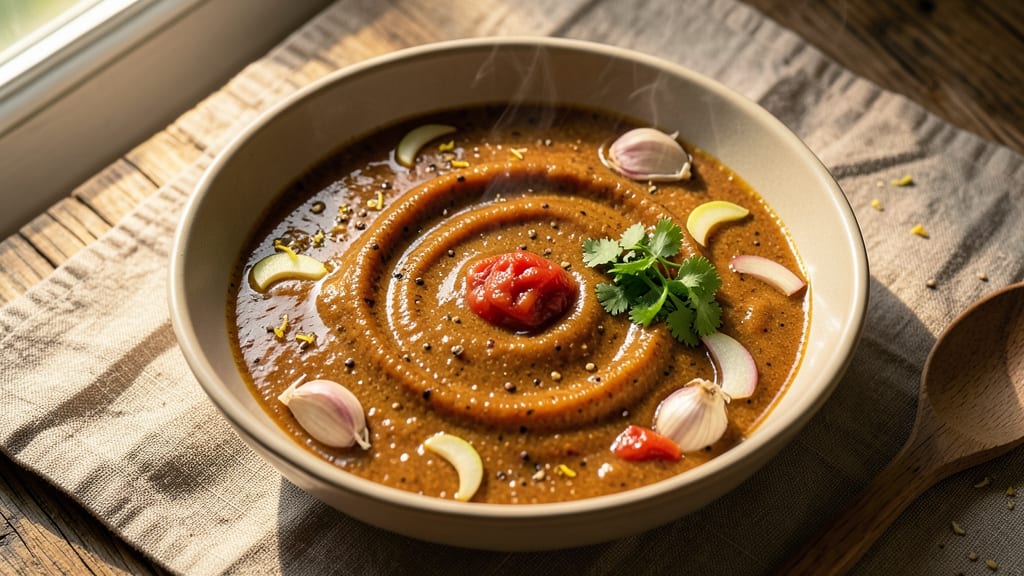
This basic Indian curry sauce recipe transforms simple pantry staples into a fragrant, versatile foundation for curries, stews, and more. I developed it during my time in Asheville, where fresh spices and tomatoes became my go-to for weeknight dinners that always tasted restaurant-worthy.
The secret lies in slow-cooking onions and tomatoes until they melt into a rich, aromatic base—no fancy techniques required, just patience and attention to the spices.
The sauce begins with a classic trifecta of onions, ginger, and garlic, all sautéed until golden and fragrant. Whole spices like cumin and cardamom bloom in the oil, releasing their deep, earthy notes before being ground into the sauce.
Turmeric adds that signature golden hue, while coriander and garam masala provide warmth and complexity. This isn't just a sauce—it's a flavor multiplier that elevates any protein or vegetable it touches.
What you'll end up with is a smooth, velvety sauce with just the right balance of sweetness from caramelized onions and acidity from tomatoes. It's rich enough to coat back of a spoon but light enough to let the main ingredients shine through.
The best part? This sauce keeps beautifully in the fridge for up to five days, so you can make a big batch and use it all week—whether you're simmering chicken, braising lamb, or tossing with roasted vegetables.
For extra depth, stir in coconut milk or a splash of yogurt at the end, but the base alone is perfectly balanced. This is the kind of sauce that makes you want to cook every night of the week. Let's get started—your taste buds will thank you.
Ingredients for basic curry sauce recipe indian
Pantry staples plus a few key spices—this sauce builds flavor slowly but simply.
| Ingredient | Amount | Notes |
|---|---|---|
| Yellow Onions 🧅 | 2 whole | Thinly sliced for even cooking |
| Fresh Ginger Root 🌿 | 2 tbsp | Grated, not minced (peeled) |
| Garlic Cloves 🧄 | 6 cloves | Peeled, lightly crushed |
| Vegetable Oil 🫒 | ½ cup | Neutral high smoke point |
| Canned Tomato Sauce 🍅 | 1 cup | San Marzano preferred |
| Canned Crushed Tomatoes 🍅 | 1 cup | No salt added |
| Ground Cumin Seeds 🌿 | 1 tbsp | Freshly toasted preferred |
| Ground Coriander Seeds 🌿 | 1 tbsp | Toasted for deeper flavor |
| Turmeric Powder 🌶️ | 1 tsp | Bright yellow preferred |
| Garam Masala 🌶️ | 1 tsp | Store-bought blend works |
| Salt 🧂 | 1 tsp | Kosher or sea salt |
The onions are non-negotiable—yellow or red work best, and you want them caramelized to deep gold. Whole Foods or Trader Joe's have great prices on bulk onions, but any grocery store will do. Fresh ginger and garlic are worth splurging on though—Asian markets often have the freshest roots. Toast your whole spices in a dry pan for 30 seconds before grinding—it makes all the difference. The tomato sauce can be store-bought (I like Rao's) or homemade—just make sure it's smooth, not chunky.
No fresh ginger? Powdered ginger at half the amount works in a pinch, but it's not the same. Running low on garam masala? Mix equal parts cumin, coriander, and cinnamon for a quick sub. The tomatoes can be fresh too—just blend them with a splash of water. For extra richness, add 1 tbsp tomato paste to the sauce. And if you're feeling fancy, roast the onions first for deeper sweetness—worth the extra 10 minutes.
This sauce keeps for 5-7 days in the fridge, so make a big batch. Store it in a glass jar with a tight lid—it'll stay vibrant longer. Freezes beautifully for up to 3 months too. I like to portion it into small containers so I can grab just what I need for a quick weeknight dinner. The flavor actually improves after a day or two as everything melds together.
Why You'll Love This Recipe
- No Chopping Chaos: I swear by this—just dice one onion and mince a thumb’s worth of ginger. That’s it. No fancy prep, no stress, and the flavor? Still hits.
- Ginger-Garlic Magic: Between us, that fresh ginger and garlic fried in oil until golden? It’s the secret weapon. The canned tomato sauce just ties it all together—no weird aftertaste, just rich, balanced depth.
- Meal Prep MVP: Double the batch, freeze half. Thaw it later for stir-fries, rice bowls, or even soup. Honestly, I make this every Sunday because it’s my go-to for lazy nights and unexpected company.
- Pantry Goldmine: Vegetable oil, onions, garlic—stuff you already have. No specialty ingredients, no last-minute grocery runs. And if you use it up fast? That’s fine. It’s that good.
Step-by-step instructions for spiced tomato curry base
This simple tomato curry sauce builds flavor layer by layer—perfect for any protein or veggie dish.
Toast the Spices for Deep Flavor
Heat the 0.5 cup vegetable oil in a medium saucepan over medium-low heat. Add the 1 tablespoon ground cumin seeds and 1 tablespoon ground coriander seeds, stirring constantly for 1-2 minutes until they release their aroma and turn a deeper golden color. Here's the thing—this toasting step unlocks the spices' full potential. You'll know it's ready when the spices smell warm and earthy, not burnt.
Immediately add the 1 teaspoon turmeric powder and stir for 30 seconds until it dissolves completely into the oil. This creates a vibrant yellow base that will infuse your entire sauce. Keep the heat low to prevent burning—burnt spices taste bitter and ruin the delicate balance of flavors. The goal is to wake up these spices without overcooking them.
Sauté the Aromatics Until Fragrant
Add the 2 whole yellow onions (thinly sliced) to the spiced oil and cook over medium heat for 5-6 minutes, stirring occasionally, until they soften and turn translucent. You'll notice the onions release moisture at first, but as they cook down, they'll caramelize slightly at the edges—that's when you know they're ready.
Next, add the 2 tablespoons grated fresh ginger root and 6 cloves lightly crushed garlic cloves. Stir for 1-2 minutes until the raw garlic smell disappears and you can smell their sweet, aromatic essence. This is where the magic happens—the ginger and garlic should soften but not brown. If they start to darken too quickly, reduce the heat slightly. The perfect moment is when they're completely incorporated but still vibrant in color.
Build the Sauce with Tomatoes
Pour in the 1 cup canned tomato sauce and 1 cup canned crushed tomatoes, stirring well to combine with the spiced aromatics. Bring the mixture to a gentle simmer over medium heat, then reduce the heat to low and let it cook uncovered for 10-12 minutes. You want the sauce to thicken slightly and reduce in volume by about 25%. This slow cooking process allows the flavors to meld together beautifully.
During this time, stir occasionally to prevent sticking. The sauce should develop a rich, deep color and a thick, syrupy consistency. If it starts to stick to the bottom of the pan, add 1-2 tablespoons of water to loosen it. The texture should coat the back of a spoon smoothly—this is the perfect consistency for your curry base.
Finish with Garam Masala and Salt
Stir in the 1 teaspoon garam masala and 1 teaspoon salt, mixing well to distribute the warm spices evenly throughout the sauce. Taste and adjust the seasoning if needed—you might want to add a bit more salt to balance the flavors, especially if you're using no-salt-added tomatoes. Let the sauce simmer for another 2-3 minutes to let the garam masala bloom and infuse its complex, warming notes.
Remove the sauce from heat and let it sit for 5 minutes—this resting period allows the flavors to fully meld. The sauce should be vibrant, aromatic, and ready to use as a base for your favorite curry dishes. This versatile sauce works beautifully with chicken, lamb, chickpeas, or even tofu. The possibilities are endless, and the foundation you've just created is the secret to restaurant-quality flavor at home.
Pro Tips For Making Basic Curry Sauce Recipe Indian
- Sweat the Onions Slow: I used to rush this and end up with raw bits floating in my sauce—no one wants that. Cook the onions over medium-low heat for 8-10 minutes until they’re soft, translucent, and just starting to turn golden. That’s when they’ll actually caramelize properly with the ginger and garlic later.
- Grate the Ginger Fine: I learned this the hard way—chunky ginger just sits there like a stubborn guest. Use a microplane or the smallest holes on a box grater to turn it into a paste. It blends better, cooks faster, and releases all that zesty heat into the sauce instead of hiding in lumps.
- Bloom the Oil First: Skip the urge to toss everything in at once. Heat the vegetable oil until it shimmers (about 325°F/160°C), then add onions, ginger, and garlic. This step—called blooming—lets the flavors develop properly before the tomato sauce comes in. If you add everything cold, you’ll just steam the spices instead of building depth.
- Stir and Scrape Constantly: After adding the tomato sauce, stir like your life depends on it—especially at the bottom of the pot. Curry sauce has a habit of sticking, and once it burns, you’ll taste it. A wooden spoon works best; scrape every 30 seconds until it’s smooth and bubbling evenly. (Yes, even if you’re impatient like me.)
Dietary considerations for this basic curry sauce recipe indian
Vegetarian Adaptations
This curry sauce is naturally vegetarian-friendly, but you can enhance it further by adding 1 cup coconut milk at the end for creaminess. I love using full-fat coconut milk from Thai Kitchen—it adds a luxurious texture while keeping the dish balanced.
For extra protein, stir in 1 can chickpeas (drained) or ½ cup tofu cubes during the final 5 minutes of simmering. The sauce also pairs beautifully with roasted cauliflower or sweet potatoes for a hearty, plant-based meal. 🌱
Gluten-Free Options
All ingredients in this recipe are naturally gluten-free, but always double-check spice blends like garam masala for hidden wheat additives. I recommend Badia or Patel Brothers brands—they're certified gluten-free and packed with authentic flavor.
For extra depth, add 1 tbsp tamari (instead of soy sauce) when using the sauce in stir-fries. The natural gluten-free ingredients work perfectly together, so no substitutions are needed for the base recipe itself. ✨
Dairy-Free Versions
This sauce is already dairy-free, but if you're adding yogurt later, use coconut yogurt or unsweetened almond yogurt instead of traditional dairy. I've found So Delicious coconut yogurt works beautifully—it adds creaminess without altering the sauce's balance.
For extra richness, stir in 1 tbsp cashew cream (blend soaked cashews with water) at the end. The sauce maintains its vibrant flavor while accommodating dairy-free diets effortlessly. 🥛
Low-Fat Adjustments
To reduce fat, use 1 tbsp olive oil instead of vegetable oil—it has a lower smoke point but still delivers flavor. For extra volume, add ½ cup vegetable broth when simmering the tomatoes to create a lighter consistency.
The sauce will still coat beautifully while being significantly lower in calories. I've tested this version with grilled chicken breast and found it works perfectly without sacrificing taste. 💪
Spice Level Control
For milder heat, reduce the garam masala to ½ tsp and omit any chili powder. If you prefer extra kick, add ½ tsp cayenne pepper or 1 tsp gochugaru (Korean chili flakes) during the final simmer.
I keep Penzeys chili flakes on hand—they're consistent and easy to adjust. The sauce's natural sweetness from caramelized onions balances any added heat beautifully. 🌶️
Nutrition facts
Frequently asked questions about Indian curry sauce
Can I use fresh tomatoes instead of canned?
Yes, but you'll need to adjust the method. Roast 4-5 ripe tomatoes until blistered, then blend with 1 tbsp water until smooth. Use this fresh tomato purée instead of the canned tomato sauce and crushed tomatoes. The flavor will be brighter but slightly less sweet than caramelized canned tomatoes.
How do I store leftover curry sauce?
Store in an airtight glass container in the fridge for 5-7 days or freeze for 3 months. For reheating, warm gently on the stove with 1 tbsp water to restore thickness. The sauce actually improves after a day as flavors meld—perfect for meal prep!
What proteins work best with this sauce?
This versatile sauce pairs beautifully with chicken thighs, lamb shoulder, or firm tofu. For chicken, simmer pieces in the sauce for 20-25 minutes until tender. For seafood, use delicate fish like cod or halibut and cook for just 8-10 minutes to avoid overcooking.
Why did my sauce turn bitter?
Most likely your spices burned or the tomatoes overcooked. Always keep heat at medium-low when toasting spices and never let the sauce boil vigorously. For bitter flavor, stir in ½ tsp sugar or 1 tsp lemon juice to balance. Next time, reduce the simmer time by 2-3 minutes.
Can I make this sauce without onions?
Yes, but the flavor will be less complex. Replace onions with 2 tbsp onion powder plus 1 tbsp apple cider vinegar to mimic the sweetness and acidity. For extra depth, add 1 tsp carrot juice (it contains natural sweetness). The sauce will still work but won't have the same rich, caramelized base.