
Sauces & Condiments
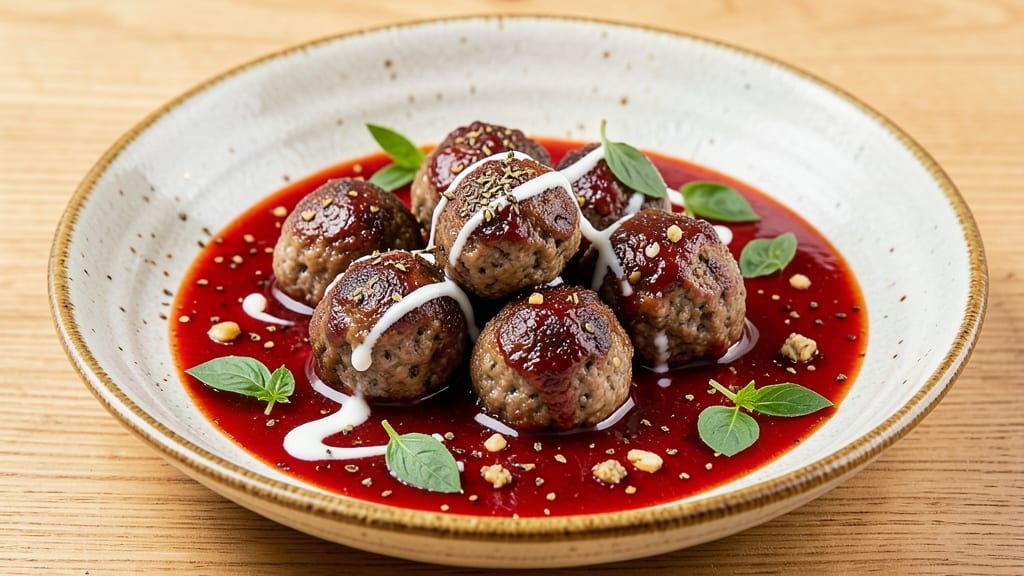
This basic meatball sauce recipe transforms simple ingredients into a rich, aromatic foundation for your favorite Italian dishes. The secret lies in simmering high-quality tomato sauce with garlic, herbs, and a splash of red wine for depth—no fancy techniques required.
What starts as a humble sauce becomes an irresistible, velvety glaze that clings perfectly to meatballs, pasta, or crusty bread.
Professional results come from patience and balance: letting the sauce reduce naturally to concentrate flavors while avoiding over-simmering that turns it into glue. A touch of cream or Parmesan at the end elevates it from good to restaurant-quality, adding silkiness without overpowering the tomato base.
The 20-minute cook time ensures you'll have sauce ready when your meatballs are done.
What makes this sauce truly special is its versatility—use it immediately over meatballs or pasta, or store it in the fridge for up to 5 days where flavors deepen over time.
The aromatic blend of garlic, basil, and oregano creates layers of complexity that transform a basic sauce into something memorable. This isn't just a sauce; it's the heart of your Italian meal.
For extra richness, deglaze the pot with wine after browning aromatics—a simple step that builds flavor depth instantly. The sauce thickens beautifully as it simmers, creating that perfect balance between chunky tomato pieces and smooth, velvety texture.
Whether you're serving it tonight or saving it for later, this sauce delivers professional-quality results with minimal effort.
Ingredients for basic meatball sauce
Eight simple ingredients create a sauce that's the heart of Italian meals.
| Ingredient | Amount | Notes |
|---|---|---|
| High-Quality Tomato Sauce 🍅 | 2 cups | San Marzano preferred for sweetness |
| Garlic Cloves 🧄 | 4 cloves | Freshly minced for aroma |
| Fresh Basil Leaves 🌿 | ½ cup | Chopped, stems removed |
| Dried Oregano 🍃 | 1 tsp | Mexican oregano ideal |
| Red Wine 🍷 | ¼ cup | Bold dry variety like Cabernet |
| Heavy Cream 🥛 | ¼ cup | Full-fat for richness |
| Parmesan Cheese 🧀 | ¼ cup | Freshly grated from block |
| Olive Oil 🫒 | 2 tbsp | Extra-virgin for cooking |
| Salt 🧂 | 1 tsp | Diamond Crystal preferred |
| Black Pepper 🌶️ | ½ tsp | Freshly ground preferred |
The tomato sauce is where flavor starts. San Marzano tomatoes are worth hunting down for their natural sweetness, but any quality canned tomato sauce works in a pinch. I always grab mine from Whole Foods or the Italian market—they carry the real stuff. Garlic and basil are non-negotiable here; fresh is best, but if you're using dried basil, cut the amount to one-third. The oregano? Mexican oregano has a completely different flavor profile than Italian—worth tracking down if you're serious about authenticity. For the wine, any bold dry red works—Cab Sauv, Merlot, whatever's open.
No red wine? Beef broth with a splash of balsamic gets you close, though the depth won't be identical. Fresh herbs wilt fast, so if you're prepping ahead, store them in a damp paper towel in a sealed container for up to 3 days. The Parmesan needs to be freshly grated—pre-grated tastes like sawdust. For extra richness, add a splash of cream at the end instead of mixing it in early. And if you're short on time, jarred marinara sauce works fine (just skip the wine deglazing step).
This sauce tastes even better the next day as flavors meld. Store it in an airtight container in the fridge for up to 5 days, or freeze portions for 3 months. I always make a double batch—one for tonight, one for later. The sauce reduces as it cools, so if it's too thick when cold, just add a splash of water or broth to loosen it up. Perfect for meatballs, pasta, or even as a pizza sauce—just add a sprinkle of Parmesan before serving.
Why You'll Love This Recipe
- No-Stress Simplicity: I swear by this recipe because it’s the kind of meal that doesn’t demand perfection—just a pot, a few minced cloves, and a splash of wine. The sauce comes together while you boil water for pasta or toss a salad, and honestly? The hardest part is waiting for it to simmer.
- Wine-Infused Depth: That little red wine splash? Total game-changer. It cuts through the richness of the meatballs and deepens the tomato sauce into something almost velvety. I’ll be real: I’ve made this sauce without wine, and it’s still good—but this version? Ridiculously good.
- Weeknight & Potluck Hero: Between us, this is my go-to for both lazy Tuesdays and Sunday gatherings. Double the batch, freeze half, and you’ve got a ready-made sauce for next month’s dinner. At family dinners, it’s the dish that gets seconds without me having to lift a finger.
- Budget-Friendly Luxury: High-quality tomato sauce and a few fresh herbs feel fancy, but they’re actually budget-friendly staples. A bottle of red wine lasts for multiple batches, and the flavors build over time—so the more you make, the more satisfying (and cost-effective) it gets. My wallet and taste buds both win.
Step-by-step instructions for simmered tomato meatball sauce
This sauce builds flavor layer by layer—simple steps, big results.
Bloom the Aromatics in Olive Oil
Heat the 2 tablespoons olive oil in a medium saucepan over medium-low heat. Add the 4 cloves minced garlic and cook for 1-2 minutes until fragrant but not browned—just golden around the edges. This step unlocks the garlic's sweetness without bitterness.
Here's the thing—if you see the garlic turning brown too quickly, reduce the heat immediately. Burnt garlic makes the whole sauce taste bitter. Add the 1 teaspoon dried oregano and stir for 30 seconds to toast the spices gently. This releases their essential oils, giving your sauce that deep, earthy backbone.
Deglaze with Red Wine
Pour in the ¼ cup red wine and let it simmer for 2-3 minutes until reduced by half. You'll see the alcohol cook off, leaving behind concentrated flavor. This is where the sauce starts to develop complexity—don't skip this step or your sauce will taste flat.
I like to use a bold red like Cabernet here. The tannins in the wine cut through the richness of the cream later, balancing the dish perfectly. If you're using a lighter wine, simmer it just until fully evaporated to avoid any harsh notes.
Build the Tomato Base
Add the 2 cups high-quality tomato sauce and bring to a gentle simmer. Stir in the 1 teaspoon salt and ½ teaspoon black pepper. Let it cook uncovered for 5 minutes until the sauce thickens slightly and the raw tomato flavor mellows into sweetness.
This is where the San Marzano tomatoes shine—they're naturally sweet and low-acid, so they won't overpower the other flavors. If you're using regular canned tomatoes, you might want to add a pinch of sugar at this stage to balance any tartness.
Finish with Cream and Cheese
Reduce the heat to low and stir in the ¼ cup heavy cream. Let it warm through for 1-2 minutes—just until it's heated but not boiling. Then add the ¼ cup freshly grated Parmesan cheese and stir until fully melted and smooth.
Here's where the sauce comes together. The cream adds luxurious body while the Parmesan brings salty depth. If the sauce looks too thick, add 1-2 tablespoons water to loosen it. The final texture should coat the back of a spoon but still be silky, not gluey.
Brighten with Fresh Basil
Remove the sauce from heat and stir in the ½ cup chopped fresh basil. Let it steep for 2-3 minutes—this infuses the sauce with bright, herbal notes that cut through the richness. The basil should wilt completely, releasing all its flavor into the sauce.
For the best results, use basil that's still slightly damp—dried leaves won't give the same vibrant flavor. If you're serving this sauce immediately, skip the steeping time and just stir it in right before plating. Either way, the fresh basil makes all the difference between good sauce and exceptional sauce.
Pro Tips For Making Basic Meatball Sauce
- Sweat the Garlic First: I learned this the hard way—adding raw garlic to simmering sauce makes it bitter. Instead, crush the cloves and cook them in a dry pan over medium heat for 2-3 minutes until fragrant but not browned. That golden aroma? It’s the foundation of flavor in this sauce.
- Deglaze with Wine Immediately: Don’t let that red wine go to waste by pouring it in after the garlic burns. As soon as you add the wine, scrape up those browned bits from the pan—they’re packed with flavor. Let it reduce by half before adding the tomato sauce, or your sauce will taste thin and watery.
- Simmer Low and Slow: This isn’t a race. After adding the tomato sauce, reduce the heat to a gentle simmer and let it cook uncovered for at least 20 minutes. Skipping this step leaves the sauce mealy and underdeveloped—like serving a tomato that never ripened properly.
- Tear Basil at the End: Fresh basil wilts and turns bitter if added too early. Instead, stir in the torn leaves (not chopped—tearing preserves more aroma) just before serving. If you’re prepping ahead, add a pinch of dried basil to the sauce during cooking, then finish with fresh for brightness.
Creative variations of this dish
Classic Red Wine Twist
Swap the red wine for ½ cup white wine (like Pinot Grigio) and add 1 teaspoon balsamic vinegar to create a lighter, more acidic sauce perfect for summer. The vinegar brightens the tomato flavor while the white wine keeps the sauce from feeling too heavy.
I love this version over grilled meatballs or with fresh linguine. 🍷
Creamy Alfredo Fusion
Replace the tomato sauce with 2 cups heavy cream and add 1 cup freshly grated Parmesan along with 1 teaspoon onion powder and ½ teaspoon nutmeg.
Simmer for 10 minutes until thickened, then finish with ¼ cup chopped parsley. This rich, velvety sauce pairs perfectly with baked ziti or chicken parmesan. 🧀
Spicy Arrabbiata Style
Boost the heat by adding 1-2 tablespoons Calabrian chili paste (or 1 teaspoon red pepper flakes) along with 1 minced shallot when blooming the aromatics. Deglaze with ¼ cup white wine instead of red, then finish with 1 tablespoon lemon zest for brightness.
This fiery sauce is ideal for spicy meatballs or penne pasta. 🌶️
Herb-Infused Sun-Dried Tomato
Blend ½ cup sun-dried tomatoes (oil-packed) with 1 clove garlic and 2 tablespoons olive oil until smooth. Stir this mixture into the sauce after the wine reduction, along with 1 teaspoon dried thyme and ½ teaspoon smoked paprika.
The deep, umami-rich flavor elevates the sauce for stuffed shells or bruschetta. 🌿
Creamy Mushroom Addition
Sauté 1 cup sliced cremini mushrooms with the garlic, then deglaze with wine. After adding the tomato sauce, stir in 2 tablespoons mushroom broth (or water) and 1 teaspoon thyme.
Finish with 2 tablespoons cream cheese for a luxurious, earthy twist that works beautifully with beef or pork meatballs. 🍄
Sweet & Tangy BBQ Glaze
Replace the tomato sauce with 1 cup BBQ sauce (like Sweet Baby Ray's) and add ¼ cup ketchup and 1 tablespoon apple cider vinegar. Simmer for 10 minutes to thicken, then finish with 1 tablespoon brown sugar and ½ teaspoon smoked paprika.
This sweet-tangy sauce is perfect for sliders or as a dipping sauce. 🍔
Nutrition facts
Frequently asked questions
Can I make this sauce without wine?
Replace the ¼ cup red wine with ¼ cup beef broth or ¼ cup water plus 1 teaspoon balsamic vinegar for acidity. The sauce will still develop depth—just skip the reduction step and add the tomato sauce immediately. For extra flavor, use 1 teaspoon soy sauce instead of vinegar.
How do I prevent the sauce from getting too thick?
If your sauce thickens too much, simply add 1-2 tablespoons water or broth while stirring. For prevention, keep the heat at medium-low and avoid boiling. The sauce should simmer gently, not bubble vigorously. For extra insurance, start with 2 cups tomato sauce instead of reducing it first.
Can I use dried basil instead of fresh?
Yes, but use 1 teaspoon dried basil (about one-third the amount of fresh). For best results, crush the dried leaves between your fingers to release the oils before adding. Fresh basil adds vibrant flavor and color, but dried works in a pinch—just don't expect the same bright aroma.
How long can I store this sauce?
Store in an airtight container in the fridge for up to 5 days, where flavors deepen over time. For longer storage, freeze in portions for 3 months. Thaw overnight in the fridge—never at room temperature. The sauce thickens when cold, so add a splash of water when reheating.
What if I don't have Parmesan cheese?
Use ¼ cup Pecorino Romano for a sharper flavor, or ¼ cup grana padano for a milder alternative. In a pinch, ¼ cup sharp cheddar works, though it won't have the same umami depth. For a dairy-free option, omit the cheese or use 1 tablespoon nutritional yeast for a cheesy note.