
Sauces & Condiments
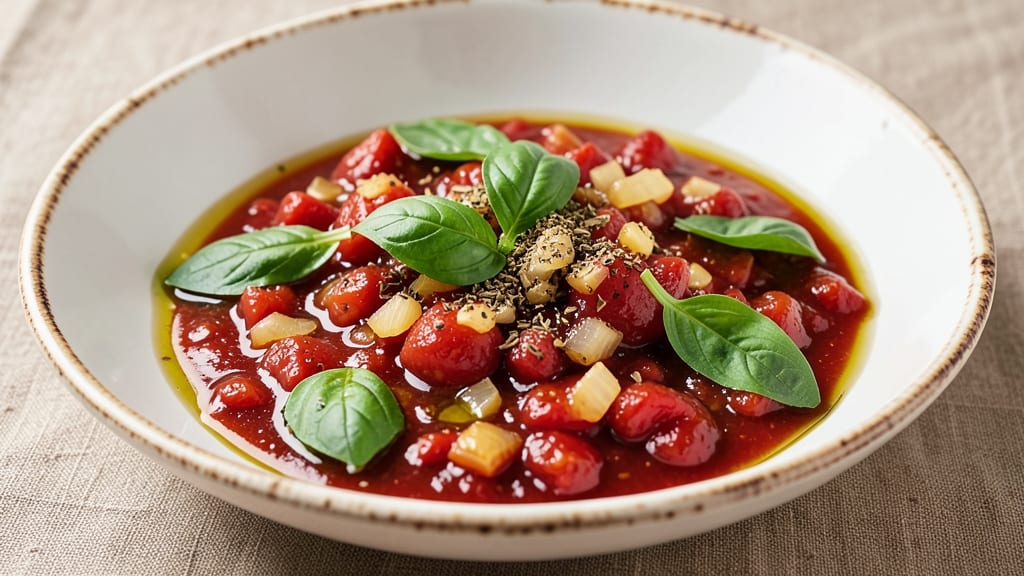
A basic Italian spaghetti sauce recipe transforms simple pantry ingredients into rich, aromatic perfection with just 30 minutes of simmering. The foundation—crushed tomatoes, garlic, and onions—builds depth as it reduces, while herbs like basil and oregano infuse that unmistakable Italian flavor.
This recipe delivers restaurant-quality sauce without shortcuts, relying on slow cooking to develop complexity and balance.
The beauty of this sauce lies in its versatility—use it fresh over al dente spaghetti or store it for up to 5 days in the fridge, where flavors deepen over time. Optional additions like ground beef or mushrooms add heartiness, but the base remains foolproof.
The key is patience: letting the sauce simmer uncovered allows excess moisture to evaporate, concentrating flavors into a velvety, clingy consistency.
What you’ll end up with is a sauce that’s vibrant, slightly sweet, and brimming with umami—each spoonful carrying layers of garlic, tomato, and herb notes. The texture is ideal for tossing with pasta, but it also shines as a marinade, pizza topping, or even a hearty soup base.
This isn’t just sauce; it’s the backbone of Italian comfort food, elevated by simple techniques.
Ready in under an hour, this sauce proves that homemade can rival store-bought—without the preservatives or cost. The method is straightforward, but the results are anything but basic. Let’s get simmering.
Ingredients for basic italian spaghetti sauce
Pantry staples simmered into restaurant-quality sauce—no shortcuts, just rich Italian flavor.
| Ingredient | Amount | Notes |
|---|---|---|
| Crushed Tomatoes (San Marzano if available) 🍅 | 28 oz | High-quality canned tomatoes preferred |
| Yellow Onion 🧅 | 1 whole | Medium-sized, finely diced |
| Garlic Cloves 🧄 | 4 cloves | Fresh, minced for aromatic depth |
| Extra-Virgin Olive Oil 🫒 | 2 tbsp | High-quality, fruity variety |
| Dried Oregano 🌿 | 1 tsp | Italian or Mediterranean blend |
| Fresh Basil Leaves 🌿 | ¼ cup | Torn, not chopped for texture |
| Kosher Salt 🧂 | 1 ½ tsp | Diamond Crystal preferred |
| Black Peppercorns 🌶️ | ½ tsp | Freshly cracked for intensity |
| Red Wine (optional) 🍷 | ½ cup | Dry, bold variety like Chianti |
| Tomato Paste 🍅 | 2 tbsp | High-quality, no added sugar |
The tomatoes form the foundation, so San Marzano cans are ideal—their sweet, meaty texture builds depth. Trader Joe's and Whole Foods carry them year-round, but any high-quality crushed tomatoes work. Onions and garlic are non-negotiable for that authentic base—yellow onions add natural sweetness, while garlic delivers the aromatic punch. Fresh basil elevates the sauce, but dried works at one-third the amount if fresh isn't available. The olive oil should be extra-virgin—cheap oil will taste harsh after simmering.
No red wine? Substitute with extra tomato paste or beef broth—both add depth without altering the flavor profile. Swap dried oregano for fresh at a one-to-one ratio, but toast the dried spice first for better flavor. The tomato paste can be replaced with extra crushed tomatoes if you prefer a looser consistency. For a meatier version, add 8 oz ground beef or Italian sausage—just brown it first before adding to the sauce. The key is balance: salt builds flavor gradually, while pepper adds subtle heat.
Sauce tastes even better the next day as flavors meld. Store in an airtight container in the fridge for up to 5 days, or freeze for 3 months in portion-sized containers. For best texture, reheat gently on the stove—never microwave. Double the batch if you're feeding a crowd; it reheats beautifully. The sauce thickens as it cools, so thin with a splash of pasta water if needed. This isn't just sauce—it's the backbone of Italian meals, elevated by simple techniques.
Why You'll Love This Recipe
- No-Chop Night: I swear by this when my energy’s shot—just dice that onion while the garlic sizzles in the olive oil, and you’re done. The San Marzano tomatoes handle the rest; no fancy techniques, no stress.
- Umami Bomb: That first spoonful of simmered garlic and crushed tomatoes? It’s the kind of flavor that makes you pause mid-bite. The oregano ties it all together—earthy, bright, and just spicy enough to linger.
- Weeknight Workhorse: This sauce is my go-to for lazy Tuesdays or unexpected company. Toss it with pasta, ladle it over grilled chicken, or freeze half for when you’re too tired to cook. It’s the ultimate lazy-day hero.
- Budget Magic: A single jar of San Marzano tomatoes and a bulb of garlic stretch for weeks—I’ve made this sauce for four people for under $8. The olive oil and oregano are the only splurges, and they’re worth every penny.
Step-by-step instructions for basic Italian spaghetti sauce
Transform simple pantry staples into a rich, aromatic sauce through precise technique and patience.
Sauté Onion and Garlic to Develop Flavor
Heat the 2 tablespoons extra-virgin olive oil in a large saucepan over medium-low heat. Add the finely diced yellow onion and cook for 5-6 minutes, stirring occasionally, until the onion becomes translucent and begins to soften. This gradual cooking prevents burning while extracting sweetness.
Add the 4 minced garlic cloves and cook for another 30-60 seconds until fragrant—you should smell that unmistakable garlic aroma without any browned bits. Watch the pan closely; garlic burns quickly and turns bitter. Remove the pan from heat temporarily if needed, then return it to the stove only when ready to continue. This aromatic base forms the foundation of your sauce.
Build the Sauce with Tomato Paste and Wine
Return the saucepan to medium heat and stir in the 2 tablespoons tomato paste, coating the onions and garlic completely. Cook for 2-3 minutes until the paste darkens slightly and releases its concentrated flavor. This step deepens the sauce's richness and balances acidity.
If using, pour in the ½ cup red wine and scrape the bottom of the pan with a wooden spoon to deglaze, lifting all the browned bits that contain flavor. Let the wine simmer for 2-3 minutes until reduced by half. This reduction intensifies the wine's flavor and prevents a raw alcohol taste in the final sauce. Skip this step if omitting wine—just proceed directly to adding the tomatoes.
Incorporate Tomatoes and Seasonings
Add the 28 ounces crushed tomatoes, 1½ teaspoons kosher salt, and ½ teaspoon freshly cracked black peppercorns to the saucepan. Stir well to combine, then bring the mixture to a gentle simmer over medium-low heat. The sauce should bubble softly—never a rolling boil, which can cause it to splatter and lose flavor.
Partially cover the saucepan with a lid and let the sauce simmer for 20-25 minutes, stirring occasionally. This slow cooking allows the flavors to meld and the sauce to thicken naturally. If the sauce becomes too thick during cooking, add 1-2 tablespoons water to maintain a smooth consistency. The goal is a velvety texture with balanced acidity and sweetness.
Finish with Fresh Basil and Adjust Seasoning
Remove the saucepan from heat and stir in the ¼ cup torn fresh basil leaves. The basil should wilt slightly but retain some texture—this adds brightness and freshness to the finished sauce. Let the sauce sit off the heat for 5 minutes to allow the flavors to fully integrate.
Taste the sauce and adjust the seasoning if needed. Add a pinch more salt if the sauce tastes flat, or a splash of red wine (if previously omitted) if it needs acidity. The sauce should be rich, slightly tangy, and well-balanced. Serve immediately over al dente spaghetti, reserving some pasta water to thin the sauce if necessary. The sauce will continue to improve as it sits, so don't rush this final step.
Pro Tips For Making Basic Italian Spaghetti Sauce
- Sweat the Onion First: I learned this the hard way—if you brown the onion in olive oil on medium-low heat for 8-10 minutes until it’s soft and translucent (not crispy), the sauce won’t taste raw. Skip this, and you’ll get that "cooked-in-a-rush" flavor no matter how long you simmer later.
- Crush Garlic Like a Pro: Don’t mince—smashed cloves (3-4, peeled) release more flavor without burning. Use the flat side of your knife to press them into the oil after the onion softens, then let them sit 30 seconds before stirring. (Yes, even if you’re impatient like me.)
- Simmer Low and Slow: After adding tomatoes, reduce heat to the lowest setting that keeps a gentle bubble—no rolling boil. This isn’t a race; 45-60 minutes lets the flavors meld. I used to rush it, and the sauce always tasted thin and one-note.
- Salt the Tomatoes Early: Add 1-2 teaspoons of salt with the crushed tomatoes (not just at the end). It draws out moisture, concentrates the flavor, and prevents a watery sauce. Trust me, your future self will notice the difference—especially with San Marzano.
Pro cooking tips for this recipe
Low-and-Slow Simmering
This sauce relies on gentle heat to develop its rich, complex flavors. After adding tomatoes, maintain a medium-low simmer—never a rolling boil—so the sauce thickens gradually without losing moisture. I use a wide, shallow saucepan (like my All-Clad Stainless Steel) to maximize surface area for even heat distribution.
Stir occasionally to prevent sticking, and if the sauce gets too thick, add 1-2 tablespoons water—never oil, which can make it greasy. 🌡️
Deglaze for Maximum Flavor
After cooking the onions and garlic, scrape up every browned bit from the pan—this is where flavor gold hides! Use a wooden spoon (metal can scratch your pan) and add ½ cup red wine (or sub with tomato paste or broth) to deglaze.
Let it reduce by half before adding tomatoes—this step intensifies the sauce’s depth. I swear by Chianti for its bold acidity, but any dry red works. 🍷
Aromatic Base Matters
Don’t rush the onion and garlic—5-6 minutes of slow cooking until translucent is key. I use yellow onions for their natural sweetness, and I mince the garlic finely (almost paste-like) to distribute flavor evenly.
If your garlic burns, the sauce will taste bitter. To prevent this, reduce heat to low and watch closely. Fresh garlic is non-negotiable here—powdered just won’t cut it. 🧄
Tomato Paste Secret
Stirring in 2 tablespoons tomato paste before adding crushed tomatoes builds umami depth and balances acidity. Cook it for 2-3 minutes until it darkens slightly—this step is often skipped but makes a huge difference.
I like Muir Glen brand for its rich, no-sugar-added quality. If you’re worried about thickness, don’t add extra water yet; the sauce will reduce naturally as it simmers. 🍅
Basil Timing
Add fresh basil only at the very end—off the heat—to preserve its bright, peppery flavor. Tearing the leaves (not chopping) keeps texture intact. Let the sauce sit for 5 minutes before tasting; this lets the basil’s oils infuse without overpowering.
If you’re using dried basil, add it with the tomatoes and reduce the amount to ⅓ teaspoon. 🌿
Salt Gradually
Start with 1½ teaspoons kosher salt and taste as you go. Italian sauces should be slightly under-seasoned when hot—they’ll mellow as they cool. I like Diamond Crystal for its flaky texture, which dissolves better.
If the sauce tastes flat after simmering, add a pinch more salt or a splash of red wine to brighten it. Don’t overdo it; you can always adjust later. 🧂
Nutrition facts
Frequently asked questions
Can I make this sauce without wine?
Skip the wine and add 1 extra tablespoon tomato paste or ¼ cup beef broth instead. Both will deepen the flavor without alcohol. The sauce will still taste rich and balanced—just slightly less complex. For extra depth, try a splash of balsamic vinegar at the end.
How do I store leftovers?
Transfer to an airtight container and refrigerate for up to 5 days. The sauce actually improves overnight as flavors meld! For longer storage, freeze in portion-sized containers for up to 3 months. Thaw in the fridge overnight and reheat gently on the stove—never microwave to avoid skin formation.
What if my sauce is too acidic?
Add a pinch of sugar (½ teaspoon) or a splash of red wine to balance the acidity. For a sweeter profile, stir in 1 teaspoon honey or 1 tablespoon tomato paste (which contains natural sugars). Simmer for 2-3 minutes to let the flavors integrate before serving.
Can I use dried basil instead of fresh?
Yes, but reduce the amount to ⅓ teaspoon dried for ¼ cup fresh. Add dried basil with the tomatoes during simmering, not at the end. For best results, toast the dried basil in the pan for 30 seconds before adding other ingredients to enhance its flavor.
Why does my sauce get watery?
This happens if you don't simmer long enough or add too much liquid. Always cook uncovered on medium-low heat for 20-25 minutes to reduce moisture naturally. If needed, remove the lid for the last 5 minutes to thicken further. For a thicker sauce, stir in 1 teaspoon cornstarch mixed with 1 tablespoon water and simmer for 2 minutes.