
Sauces & Condiments
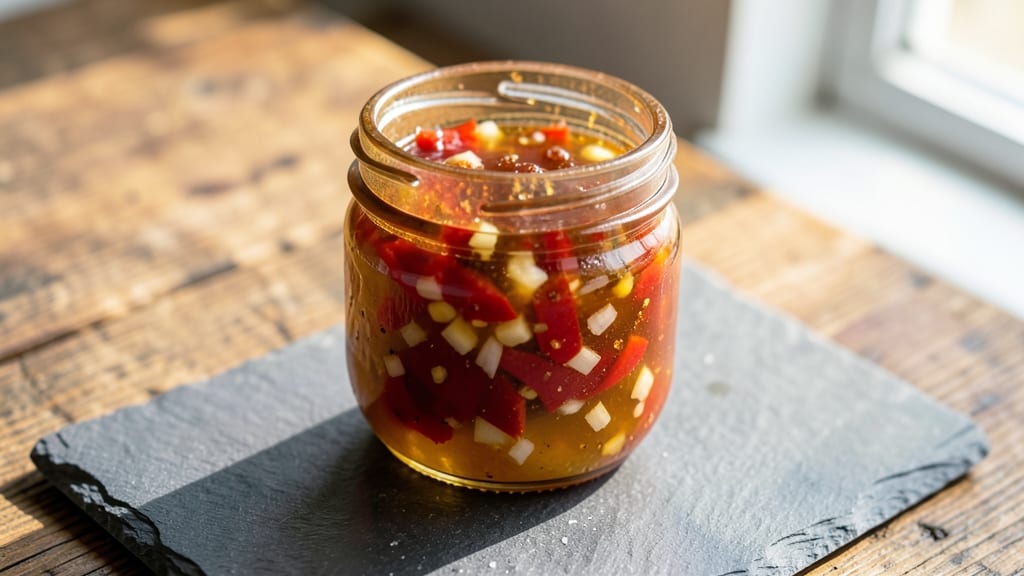
A basic habanero hot sauce recipe packs a fiery punch that transforms simple vinegar into a complex, heat-balanced hot sauce worth making at home. This recipe delivers a bright, tangy sauce with controlled heat—no blistering mistakes—by carefully blending habanero with vinegar, garlic, and a touch of sweetness.
The key is patience in straining and proper storage to preserve that fresh, vibrant kick without overpowering your dishes.
What sets this hot sauce apart is the harmony of flavors: habanero’s tropical fruitiness shines through when paired with apple cider vinegar, while garlic and onion add depth without masking the heat.
Unlike store-bought versions, this recipe lets you adjust the spice level to your tolerance, starting with 2-3 habaneros for a manageable burn. The process is straightforward—simmer, strain, and bottle—but requires attention to safety, especially when handling raw habaneros.
By the end, you’ll have a versatile hot sauce that elevates tacos, grilled meats, or even popcorn with its balanced heat and acidity. The sauce keeps for months in the fridge, so you can make a big batch and enjoy it all season.
Whether you’re a spice enthusiast or a beginner, this recipe proves that homemade hot sauce is simpler—and far more rewarding—than you’d expect.
Pro tip: Always wear gloves when handling habaneros, and avoid touching your face to prevent irritation. The reward? A sauce so good, you’ll reach for it every time you crave bold, homemade heat. Let’s get started.
Ingredients for basic habanero hot sauce
Eight ingredients, bold flavors—this fiery hot sauce transforms simple pantry staples into restaurant-quality heat.
| Ingredient | Amount | Notes |
|---|---|---|
| Fresh Habanero Peppers 🌶️ | 3 whole | Worn gloves recommended for handling |
| Apple Cider Vinegar 🍎 | 2 cups | Raw, unfiltered preferred |
| Garlic Cloves 🧄 | 4 cloves | Fresh, peeled, roughly chopped |
| Yellow Onion 🧅 | ½ whole | Medium size, diced finely |
| Granulated Sugar 🍚 | 2 tbsp | Light brown sugar for depth |
| Salt 🧂 | 1 tsp | Diamond Crystal preferred |
| Extra-Virgin Olive Oil 🫒 | 1 tbsp | For straining and sealing |
| Water 💧 | ½ cup | For thinning if needed |
The habaneros are the star, so pick the brightest, firmest peppers you can find—Mexican or Caribbean varieties have the best tropical fruitiness. Trader Joe's and Latin markets usually carry them fresh, but if you're buying dried, soak them first. The vinegar matters too: raw, unfiltered apple cider vinegar adds complexity that white vinegar can't match. For the garlic and onion, fresh is non-negotiable—powders won't give you that deep, caramelized flavor after simmering. If you're sensitive to heat, start with just 2 habaneros and adjust to taste.
No habaneros? Scotch bonnet peppers work in a pinch (same heat level), but you'll lose that fruity sweetness. Short on vinegar? White vinegar at half the amount keeps the tang, though the flavor will be sharper. The sugar might seem odd, but it's essential—light brown sugar adds molasses notes that balance the heat beautifully. If you're making a big batch, double the sugar and salt proportionally. For straining, a fine-mesh sieve or cheesecloth works best—don't skip this step, or your sauce will be grainy. The olive oil at the end isn't just for sealing; it adds a silky finish.
This sauce keeps for up to 6 months in the fridge when stored properly—glass jars with airtight seals are ideal. The oil layer on top acts as a natural preservative, so don't skim it off. For gifting, sterilized bottles with cork seals look professional and keep the sauce fresh for months. If you make a big batch, freeze half in ice cube trays for easy single-serving use. Always label with the date and heat level (mild, medium, hot) so you remember what you're dealing with later.
Why You'll Love This Recipe
- No-Fuss Ingredients: I swear, you only need five things—peppers, vinegar, garlic, onion, and sugar. That’s it. No fancy infusions, no hard-to-find spices, just raw, bright flavor from your pantry.
- Sweet Heat Balance: The sugar cuts the habanero’s bite just enough to make it addictive, not painful. That crisp vinegar tang and caramelized onion? It’s like a flavor party where the spice is the guest of honor—but it doesn’t overstay its welcome.
- Pantry-to-Table Magic: This sauce is my go-to for tacos, eggs, or even drizzled over grilled cheese. Honestly, I’ve used it in marinades, on deviled eggs, and straight from the jar—it’s the ultimate shortcut for when you want heat without the fuss.
- Lasts for Weeks: Make a big batch, store it in the fridge, and you’ll have spice on demand for months. Between us, I’ve had a jar of this sitting for three months and it still packs a punch—no waste, all flavor. Budget win.
Step-by-step instructions for homemade habanero hot sauce
This fiery sauce balances intense heat with sweetness—let's make it together.
Prepare the Habanero Base
Put on gloves—habaneros pack serious heat! Finely chop the 3 whole fresh habanero peppers, removing seeds and membranes if you prefer less intensity. The seeds contain most of the capsaicin, which is what makes habaneros so fiery. I like to keep a few seeds for maximum heat, but adjust based on your tolerance.
Transfer the chopped peppers to a medium saucepan and add the 0.5 whole yellow onion, also finely diced. This onion will mellow the heat while adding depth. Cook over medium heat for 5 minutes, stirring occasionally, until the onion softens and begins to release its natural sweetness. You'll smell the habanero's signature fruity, almost floral aroma—this is your first sign that the flavors are developing.
Build Flavor with Aromatics and Vinegar
Add the 4 cloves of roughly chopped garlic to the pan and cook for another 2 minutes until fragrant. You'll know it's ready when the garlic turns golden around the edges—this prevents it from burning while still releasing its full flavor. Then pour in the 2 cups of apple cider vinegar, which will preserve the sauce and add tangy brightness.
Bring the mixture to a gentle boil, then reduce heat to low and let it simmer uncovered for 15 minutes. This slow cook allows the habanero's oils to infuse into the vinegar, creating a rich, complex base. Stir occasionally to prevent sticking, and watch for the mixture to thicken slightly as moisture evaporates.
Sweeten and Season
After 15 minutes of simmering, add the 2 tablespoons of granulated sugar and 1 teaspoon of salt. Stir well to dissolve the sugar completely—this step is crucial for balancing the habanero's heat with sweetness. The sugar will caramelize slightly during the remaining cooking time, adding another layer of complexity to the sauce.
Simmer for another 10 minutes, stirring occasionally. The sauce should now have a deep red color and a thick, syrupy consistency. If it's too thick, add the 0.5 cup of water gradually until you reach your desired thickness. Taste as you go—you're aiming for a perfect balance between heat, sweetness, and tang.
Strain and Finish
Remove the sauce from heat and let it cool slightly. Line a fine-mesh strainer with cheesecloth or a coffee filter, then carefully strain the sauce into a clean bowl, pressing gently on the solids to extract as much liquid as possible. This step removes the onion and garlic pieces, leaving you with a smooth, vibrant sauce.
Once strained, return the sauce to the saucepan and add the 1 tablespoon of extra-virgin olive oil. Heat gently over low heat for 2 minutes to help the oil emulsify with the sauce, giving it a glossy finish. Transfer to a sterilized glass jar and let it cool completely before sealing. The sauce will continue to mellow and develop flavor over the next 24 hours.
Pro Tips For Making Basic Habanero Hot Sauce
- REMOVE PEPPER SEEDS FIRST: I learned this the hard way—roasting whole habaneros with seeds still in them turns your sauce into a nuclear waste zone. Scoop out seeds and membranes before roasting, or brace for a week of watery eyes and regret.
- SIMMER LOW AND SLOW: Your sauce won’t break down properly if you rush it. After adding vinegar, reduce heat to a bare simmer—just enough to see tiny bubbles at the edges. Skipping this step leaves you with a chunky, underdeveloped mess instead of a smooth, layered sauce.
- CHAR THE ONION: Don’t just dice the onion—get it caramelized first. Cook it in a dry pan for 8–10 minutes until deep golden and sticky. This adds depth that raw onion can’t match, and it takes almost no extra time.
- STRAIN TWICE: One pass through a fine-mesh strainer won’t cut it. After simmering, strain the mixture, then press the solids with a spoon to extract every last bit of flavor. For extra smoothness, run it through a cheesecloth-lined sieve afterward—your lazy straining is what’s making your sauce look amateur.
Wine and beer pairings for these flavors
White Wine Pairings
For a refreshing contrast to habanero’s fiery heat, a crisp Sauvignon Blanc from New Zealand or Loire Valley is ideal. The wine’s bright acidity and citrus notes cut through the sauce’s intensity while complementing its tropical fruitiness.
Look for Cloudy Bay or Oyster Bay—their zesty flavors make every bite of spicy tacos or grilled shrimp more enjoyable. Serve slightly chilled to enhance the wine’s vibrancy. 🍷
Aromatic whites like Viognier or Gewürztraminer also shine with this sauce, thanks to their lychee and floral undertones. These wines add a luxurious touch to seafood dishes drizzled with your hot sauce, balancing the heat with their natural sweetness.
A half-glass is perfect—enough to cleanse your palate without overwhelming the meal.
Beer Pairings
For beer lovers, a Mexican lager like Modelo Especial or Pacifico is a classic match. The beer’s light maltiness and subtle hop bitterness provide a smooth counterpoint to the habanero’s sharpness.
I often reach for these when serving the sauce with tacos or nachos—it’s a pairing that feels effortlessly right. 🍺
If you prefer something bolder, try a Belgian witbier like Hoegaarden or Stella Artois. The coriander and orange peel notes in these beers echo the habanero’s tropical flavors while their effervescence cools the palate.
For a local twist, a wheat beer with a hint of citrus works beautifully, especially with seafood dishes.
Unexpected Pairings
Don’t overlook sparkling rosé as a surprising but brilliant match. The bubbles and delicate berry flavors in a Provençal rosé create a refreshing contrast, making it perfect for summer dishes like grilled vegetables or shrimp skewers.
I’ve found that even a dry sparkling wine like La Crema elevates the experience with its crisp acidity.
For a non-alcoholic option, try ginger beer or sparkling limeade. The ginger’s warmth and lime’s tartness mirror the sauce’s complexity, while the carbonation helps reset your palate between bites.
These pairings prove that habanero hot sauce isn’t just for spicy dishes—it’s a versatile flavor enhancer that works across a variety of meals.
Nutrition facts
Frequently asked questions
How do I adjust the heat level in this habanero hot sauce?
Start by removing most of the seeds and membranes from the habaneros—they contain capsaicin, the compound that creates heat. For milder heat, use 2 habaneros instead of 3. For extra spice, keep all seeds and add 1/2 teaspoon cayenne pepper to the simmering mixture. Always taste as you go!
Can I substitute dried habaneros for fresh ones?
Yes, but you'll need to soak them first. Use 1 tablespoon dried habanero flakes (about 3-4 dried peppers) and soak in 1/2 cup warm water for 15 minutes before adding to the recipe. Dried peppers are more concentrated, so reduce the amount by half compared to fresh. The texture will be slightly different but still delicious.
Why does my hot sauce look cloudy after straining?
Cloudiness usually means tiny pepper particles or vinegar sediment slipped through. For a smoother sauce, strain a second time using a coffee filter or cheesecloth. If you prefer some texture, leave it slightly cloudy—it adds character! For extra clarity, let the sauce sit for 24 hours before bottling.
How can I use this hot sauce beyond tacos and grilled meats?
This versatile sauce elevates seafood (drizzle over ceviche or shrimp), pizza (mix into marinara), or even cocktails (add 1 tsp to bloody marys). Try it in vinaigrettes for salads or as a marinade for tofu or chicken wings. The key is balance—start with 1/2 teaspoon and adjust to taste.
What should I do if I accidentally touch my eyes while handling habaneros?
Rinse immediately with cool water for 15-30 seconds—never rub your eyes! If irritation persists, use milk (not water) to help neutralize the capsaicin. Avoid touching your face while cooking, and wear gloves for protection. Keep a small bowl of milk nearby as a precaution.