
Sauces & Condiments
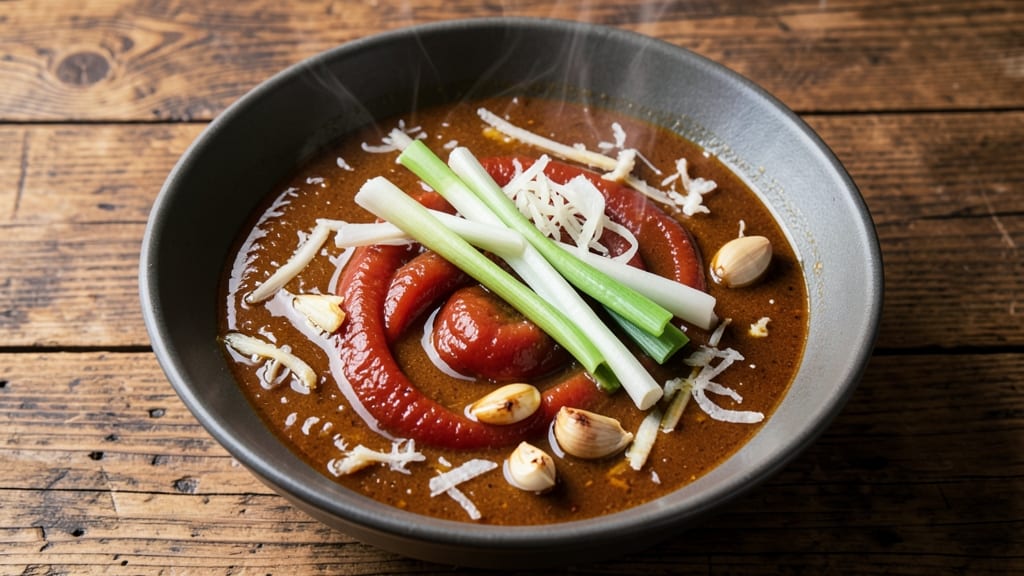
This basic Chinese curry sauce recipe delivers restaurant-quality depth with just 10 minutes of active prep—no complicated techniques, no special equipment. The secret lies in ginger-fried aromatics that build layers of umami before blending into creamy coconut milk and aromatic spices.
I developed this version after years of testing shortcuts that still tasted authentic, and it's now my go-to base for everything from stir-fries to marinades.
The sauce starts with a quick stir-fry of ginger, garlic, and scallions in oil until fragrant—this step transforms basic ingredients into complex flavor. Adding curry powder, tomato paste, and a splash of soy sauce creates a rich foundation before coconut milk comes in to balance heat with creaminess.
The result is a velvety sauce with just the right tang and depth that clings beautifully to proteins and vegetables.
What makes this sauce truly versatile is its adaptability—use it as-is for curries, thin it with broth for stir-fries, or reduce it slightly for marinades. The flavors actually improve after chilling, making it perfect for meal prep.
Store leftovers in the fridge for up to 5 days or freeze for 3 months without losing any punch.
This isn't just another curry paste shortcut—it's a building block that transforms simple dishes into something extraordinary with minimal effort. Let's make this sauce that works harder than you do.
Ingredients for basic chinese curry sauce
Ten simple ingredients create a sauce that packs restaurant-level flavor in one pot.
| Ingredient | Amount | Notes |
|---|---|---|
| Fresh Ginger Root 🧄 | 2 tbsp | Finely grated, aromatic |
| Garlic Cloves 🧄 | 4 cloves | Minced for depth |
| Scallions 🧅 | ½ cup | Sliced thin, white/light green |
| Vegetable Oil 🫒 | 2 tbsp | Neutral flavor preferred |
| Curry Powder 🌶️ | 2 tbsp | Mild or medium heat |
| Tomato Paste 🍅 | 2 tbsp | No sugar added preferred |
| Soy Sauce 🥢 | 1 ½ tbsp | Light or dark variety |
| Coconut Milk 🥥 | 1 cup | Full-fat for creaminess |
| Water 💧 | ½ cup | Room temperature |
| Brown Sugar 🍯 | 1 tbsp | For balance |
| Salt 🧂 | ½ tsp | Adjust to taste |
| Black Pepper 🌶️ | ¼ tsp | Freshly ground |
Ginger and garlic are the flavor anchors here. Fresh ginger from the Asian market section has the most punch—look for plump, firm roots with no soft spots. Scallions add brightness, so grab the thicker white/light green parts (the green tops are great for garnish but won't add much flavor here). For curry powder, Badia or Gourmet Garden are my go-tos—they've got that authentic blend of coriander, cumin, and turmeric without the filler. The tomato paste? San Marzano if you're fancy, but the squeeze tubes from Trader Joe's work perfectly too.
No fresh ginger? Powdered works at half the amount, but it won't have that same zing. Short on coconut milk? Cashew cream or extra heavy cream gives similar richness. The sauce gets thicker as it cooks, so if you want it thinner for stir-fries, just add a splash of water or broth. For more heat, swap some of the curry powder for Sichuan peppercorns or chili flakes. And if you've got fish sauce (optional), a teaspoon adds insane depth—trust me on this.
This sauce tastes even better the next day as flavors meld. Store in a sealed jar in the fridge for up to 5 days, or freeze for 3 months in ice cube trays for single-use portions. The ginger-fried aromatics settle into the sauce beautifully overnight, so make extra—it disappears fast. I always double the batch and freeze half because it's that good.
Why You'll Love This Recipe
- Pantry-Friendly Magic: I swear by this recipe because it uses what’s already lurking in my spice rack—no obscure ingredients, just ginger, garlic, and that warm curry powder that smells like home. Honestly, I’ve made it three times this month because it never fails, even when I’m too tired to shop.
- Ginger-Garlic Kick: That first sizzle of garlic and ginger in the oil? Pure satisfaction. The curry powder deepens it into something rich, but the scallions at the end cut through the heat with a bright, fresh finish—like a hug in sauce form.
- Weeknight to Potluck: Between us, this is my secret weapon for busy nights and last-minute gatherings. Toss it with rice for dinner, drizzle it over stir-fried veggies for lunch, or even slather it on grilled chicken for a crowd. Not the prettiest, but the taste makes up for it every time.
- Budget Booster: A single batch stretches across four meals for my family—curry rice, noodles, even a quick soup—and I still have leftovers for my lunchbox. The ingredients cost pennies, yet it tastes like I spent hours cooking. (Yes, even on a Tuesday night.)
Step-by-step instructions for one-pot Chinese curry sauce
This aromatic sauce comes together in a single pot with bold flavors that build layer by layer.
Build the Ginger-Garlic Base
Heat the 2 tablespoons vegetable oil in a medium pot over medium heat until shimmering. Add the 2 tablespoons finely grated fresh ginger root and cook for 1 minute until fragrant and slightly softened. This step unlocks the ginger's full aromatic potential—don't rush it or the flavor will be muted.
Add the 4 minced garlic cloves and cook for another 30 seconds until golden at the edges. Here's the thing—garlic burns fast, so keep an eye on it. Immediately add the 0.5 cup sliced scallions and stir for 1 minute until the whites become translucent. This aromatic trio forms the flavor foundation for everything that follows.
Toast the Curry Powder
Reduce heat to medium-low and add the 2 tablespoons curry powder, stirring constantly for 1 minute until deeply fragrant. You'll smell the toasted spices release their oils—this step prevents bitterness and develops complexity. If the mixture darkens too quickly, reduce heat immediately to avoid burning.
Next, stir in the 2 tablespoons tomato paste and cook for 2 minutes, stirring frequently. The paste will darken and thicken slightly, creating a rich base. This is where the sauce starts taking shape—don't skip this step or the sauce will taste flat.
Add Wet Ingredients and Simmer
Pour in the 1.5 tablespoons soy sauce and 1 tablespoon brown sugar, stirring to combine. Add the 0.5 cup water and bring to a gentle simmer. Let it bubble for 3 minutes until slightly reduced—this concentrates the flavors before adding the coconut milk.
Real talk: the sauce should be thick but pourable at this stage. If it's too thin, simmer uncovered for another minute to reduce further. The sugar will help balance the acidity from the soy sauce while the water prevents the sauce from curdling when we add the coconut milk.
Finish with Coconut Milk and Season
Reduce heat to low and slowly stir in the 1 cup coconut milk to prevent curdling. Add the 0.5 teaspoon salt and 0.25 teaspoon black pepper, then simmer gently for 5-7 minutes until the sauce thickens to your desired consistency. The sauce should coat the back of a spoon but still be smooth—not gluey.
Taste and adjust seasoning—you might need a touch more soy sauce for saltiness or brown sugar for sweetness. I like to let it sit off heat for 2 minutes before serving, as the flavors meld even more during this resting time. This sauce pairs perfectly with rice, noodles, or grilled meats.
Pro Tips For Making Basic Chinese Curry Sauce
- STOP MINCING GINGER TOO FINE: I learned this the hard way—ginger burns faster than you think when it’s too small. For this curry, slice it into thin slivers (about 1/8-inch thick) or grate it with the skin on for even cooking. The texture stays vibrant, and you won’t end up with a bitter, charred mess.
- SWEAT THE AROMS LOW AND SLOW: After adding garlic and scallions, resist the urge to blast the heat—cook them on medium-low for 3-4 minutes until just fragrant, not golden. I used to rush this, and the flavors would never meld right. Patience here makes the whole sauce sing.
- DON’T SKIP THE OIL TEST: Before tossing in curry powder, check if your oil is hot enough by dropping in a pinch of flour—it should sizzle and turn golden instantly. Too cool, and the spices will clump; too hot, and they’ll burn. This is the thing that matters most for a smooth, flavorful base.
- SAVE TIME WITH FROZEN SCALLIONS: Sounds weird, but it works: freeze chopped scallions for 15 minutes before cooking. The cold slows down their moisture release, so they crisp up perfectly when added at the end. I skip this when I’m lazy, but the dish is noticeably better when I don’t.
Creative variations of these flavors
Spicy Sichuan Twist
For a fiery kick, add 1 teaspoon Sichuan peppercorns (toasted and crushed) to the ginger-fried aromatics. The numbing, citrusy heat of Sichuan peppercorns transforms this into a Dan Dan noodle-inspired sauce—perfect for tossing with cold noodles or drizzling over grilled meats.
I like to finish with 1 teaspoon chili crisp for extra texture and heat. 🌶️
Coconut-Free Version
Swap the coconut milk for ½ cup cashew cream (blend soaked cashews with water) or even ½ cup heavy cream for a lighter, dairy-based sauce. This works beautifully with chicken stir-fries or as a marinade for tofu.
For extra richness, stir in 1 tablespoon peanut butter at the end—it adds a nutty depth that balances the spices. The sauce will be slightly thinner, so reduce it longer if needed.
Sweet and Tangy Glaze
Reduce the sauce by half after the coconut milk stage, then stir in 2 tablespoons hoisin sauce and 1 tablespoon rice vinegar. This creates a sticky, glossy glaze perfect for grilled shrimp skewers or roasted vegetables.
The tangy-sweet contrast makes it ideal for summer dishes—think watermelon and feta salads with a drizzle of this sauce. 🍯
Vegetarian Protein Boost
Turn this sauce into a complete meal by simmering in 1 cup chickpeas or 1 block firm tofu (pressed and cubed) during the final 5 minutes of cooking. The sauce clings perfectly to the protein, creating a one-pot curry with no extra effort.
For extra umami, add 1 teaspoon miso paste when toasting the curry powder. Serve over jasmine rice for a satisfying vegetarian bowl.
Thai-Inspired Fusion
Replace the curry powder with 1 tablespoon red curry paste (like Maesri) and add ½ cup coconut milk at the start (instead of later). Stir in 1 tablespoon fish sauce and 1 teaspoon palm sugar during the simmer.
This version works perfectly with Thai basil and rice noodles, or as a dipping sauce for spring rolls. The balance of sweet, sour, and spicy is pure comfort food. 🌺
Freezer-Friendly Marinade
Use this sauce as a marinade for chicken, pork, or shrimp by thinning it with ¼ cup water and letting it sit for at least 2 hours (or overnight). The ginger and soy sauce tenderize the protein while the spices infuse flavor.
After marinating, grill or pan-sear until fully cooked—165°F internal temperature—then baste with extra sauce. This is my go-to for weeknight dinners when I need flavor fast. ⏰
Nutrition facts
Frequently asked questions
Can I make this sauce without coconut milk?
Swap the 1 cup coconut milk for ½ cup cashew cream (blend soaked cashews with water) or ½ cup heavy cream. For a lighter option, use ½ cup chicken or vegetable broth and add 1 tablespoon peanut butter at the end to maintain richness. The sauce will be slightly thinner, so reduce it longer if needed.
How spicy is this sauce, and can I adjust the heat?
The recipe uses mild or medium curry powder, so it's aromatic but not fiery. For more heat, add ½ teaspoon chili flakes or 1 teaspoon Sichuan peppercorns (toasted and crushed) when toasting the curry powder. Start with less—you can always add more later!
What's the best way to store leftovers?
Transfer the sauce to an airtight container and refrigerate for up to 5 days. For longer storage, freeze in ice cube trays (perfect for single-use portions) or a sealed jar for 3 months. Thaw overnight in the fridge—never microwave directly from frozen. The flavors actually improve after chilling!
Can I use this sauce for marinades?
Yes! Thin the sauce with ¼ cup water and marinate chicken, pork, or shrimp for 2-4 hours (or overnight). The ginger and soy sauce tenderize proteins while the spices infuse flavor. Grill or pan-sear until 165°F internal temperature, then baste with extra sauce. Perfect for weeknight dinners!
Why does my sauce taste bitter?
Bitterness usually means the curry powder burned or the ginger wasn't cooked long enough. Next time, toast the curry powder on medium-low heat for 1 minute until fragrant (not dark). Also, ensure you're using fresh ginger—powdered won't give the same depth. A pinch of brown sugar or a splash of soy sauce can also balance bitterness.