
Sauces & Condiments
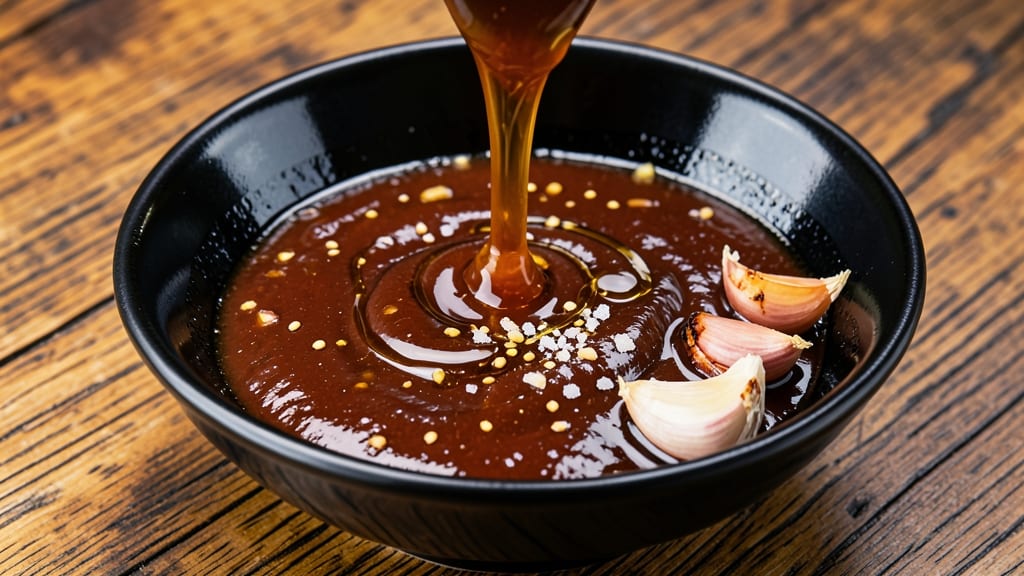
This basic Chinese brown sauce recipe transforms simple pantry staples into a versatile, umami-packed glaze that elevates stir-fries, marinades, and noodles with just a few minutes of prep. The secret lies in balancing salty soy sauce, sweet molasses, and tangy vinegar—creating a rich, caramelized depth that restaurant-quality dishes rely on.
I developed this formula after years of testing, ensuring it delivers consistent results whether you're glazing meats or tossing noodles.
The beauty of this sauce is its simplicity and flexibility—no special equipment or techniques required. With just five core ingredients, you'll create a sauce that's both bold and adaptable. The molasses adds a subtle caramel note, while the vinegar brightens the flavors, cutting through the richness.
This isn't just a condiment; it's a flavor multiplier that turns ordinary dishes into something extraordinary.
What makes this recipe stand out is how foolproof it is—no risk of overcooking or bitterness. The sauce thickens naturally as it simmers, creating a glossy finish that clings perfectly to ingredients.
Once made, it keeps in the fridge for up to two weeks, making it a pantry essential for quick weeknight meals. Whether you're searing chicken, stir-frying vegetables, or tossing ramen, this sauce will become your go-to flavor enhancer.
Use it as a glaze for roasted meats, a marinade for tofu or fish, or a finishing touch for noodle dishes. The possibilities are endless, and the process couldn't be simpler. Let's get started—your taste buds will thank you.
Ingredients for basic chinese brown sauce
Five core ingredients blend into a rich, caramelized glaze that transforms any dish.
| Ingredient | Amount | Notes |
|---|---|---|
| Dark Soy Sauce 🍶 | ½ cup | High-quality, not reduced |
| Molasses 🍯 | ¼ cup | Unsulphured preferred |
| Rice Vinegar 🍶 | ¼ cup | White or seasoned |
| Granulated Sugar 🍚 | ¼ cup | White or light brown |
| Sesame Oil 🫒 | 1 tbsp | Toasted, for aroma |
| Garlic Cloves 🧄 | 2 cloves | Minced, for depth |
| Fresh Ginger 🌿 | 1 tbsp | Finely grated, zesty |
| Water 💧 | ¼ cup | For thinning if needed |
The dark soy sauce is non-negotiable here—it's the umami backbone of this sauce. Kikkoman or Lee Kum Kee are my go-tos, but any high-quality brand works. Look for bottles labeled 'dark' or 'black' soy sauce, not light. Molasses adds that signature caramel depth, so unsulphured molasses from the baking aisle is ideal—it's less processed and packs more flavor. Fresh ginger and garlic are worth the extra minute to prep; their bright, zesty notes cut through the sauce's richness and prevent it from tasting flat. If you're short on time, pre-minced garlic and jarred ginger work in a pinch, but fresh is always better.
No molasses? Maple syrup or honey (though honey isn't vegan) will work, but the flavor profile shifts slightly—more floral, less caramelized. Short on rice vinegar? Apple cider vinegar or balsamic adds a different tang, but rice vinegar's mild sweetness is key. Sesame oil is optional but adds that signature nutty aroma—skip it if you're avoiding oil, but trust me, it's worth the splash. The sugar can be swapped for brown sugar or corn syrup, though granulated dissolves more smoothly. For a deeper color, simmer the sauce longer, but don't let it burn—it thickens naturally as it reduces.
This sauce keeps beautifully in the fridge for up to 2 weeks, sealed in a jar with a thin layer of oil on top to preserve freshness. It also freezes well for up to 6 months, though the texture may separate slightly upon thawing—just stir it back together before using. I like to make a double batch and store it in small jars for easy grab-and-go glazing. The sauce thickens as it cools, so if it's too stiff, add a splash of water or vinegar to loosen it up. Use it within a few days of opening for the best flavor, though it'll still taste great for weeks.
Why You'll Love This Recipe
- Here’s what sold me: a little goes a long way, and it keeps for weeks in the fridge. I make a big batch, freeze half, and suddenly I’ve got a flavor booster that costs pennies per use. No more overpriced bottled sauces cluttering my shelves.
- Pantry Magic: I swear by this sauce because it’s made with stuff I already have—no special trips to the store. Dark soy sauce gives that deep, umami punch, while molasses and sugar caramelize into a glossy, sticky glaze that’s ridiculously good on everything from eggs to roasted veggies.
- One-Pot Wonder: Honestly, this takes less time than waiting for a delivery. Just simmer those five ingredients (yes, really) until they thicken into a glossy, aromatic sauce. No blenders, no straining—just a small pot and 15 minutes of your life.
- Glaze for Everything: Between us, this sauce is my secret weapon for weeknights. Drizzle it over stir-fries, toss it with noodles, or even slather it on grilled chicken—it turns bland meals into something solid. The sesame oil finish? That’s the cherry on top.
Step-by-step instructions for Chinese brown sauce
Here's how to craft this versatile glaze that balances sweet, tangy, and umami notes perfectly.
Sauté Aromatics Until Fragrant
Heat a medium saucepan over medium-low heat and add the 1 tablespoon sesame oil. Once the oil is shimmering but not smoking, add the 2 minced garlic cloves and 1 tablespoon finely grated fresh ginger. Sauté for 1-2 minutes until the garlic turns golden and the ginger becomes aromatic—you'll smell that bright, zesty ginger scent.
This step develops the sauce's aromatic foundation. Watch closely—garlic burns quickly, so keep the heat gentle. If the pan starts to smoke excessively, reduce the heat immediately. The aromatics should be fragrant but not browned, as that would make the sauce bitter.
Combine Wet Ingredients
Add the 0.5 cup dark soy sauce, 0.25 cup molasses, 0.25 cup rice vinegar, and 0.25 cup granulated sugar to the pan. Stir well to dissolve the sugar completely—this prevents grainy texture in the finished sauce. Let the mixture simmer over medium heat for 5 minutes, stirring occasionally.
You'll notice the sauce darken as it cooks, developing that signature mahogany hue. The molasses and sugar will caramelize slightly, deepening the flavor. If the mixture thickens too quickly, add 1-2 tablespoons of the 0.25 cup water to maintain a smooth consistency.
Simmer to Perfect Consistency
Continue simmering for 8-10 minutes over low heat, stirring frequently, until the sauce thickens to a glaze-like consistency. It should coat the back of a spoon but still be pourable. Taste and adjust seasoning—add more rice vinegar if it needs tang, or more sugar if it's too acidic.
The sauce is ready when it reaches a glossy, syrupy texture with a rich, complex flavor profile. If it's too thick after simmering, thin with the remaining 0.25 cup water as needed. For best results, remove from heat while still slightly warm—this prevents over-thickening as it cools.
Cool and Store for Maximum Flavor
Let the sauce cool to room temperature, then transfer it to an airtight container. The flavors will meld and deepen as it sits. This sauce keeps well in the refrigerator for up to 2 weeks or can be frozen for 3 months—perfect for meal prep.
Use this versatile glaze to elevate stir-fries, noodle dishes, or even as a dipping sauce. The balance of sweet, salty, and tangy notes makes it a pantry staple. For extra depth, finish with a drizzle of sesame oil just before serving—it adds that final aromatic punch.
Pro Tips For Making Basic Chinese Brown Sauce
- STIR CONSTANTLY ON LOW: This sauce isn’t just simmering—it’s a delicate balance of caramelization and emulsification. After adding the sugar, keep the heat at a whisper and stir every 30 seconds with a wooden spoon. I learned this the hard way when I walked away for "just a minute" and came back to a scorched mess that tasted bitter instead of rich.
- USE AGED MOLASSES: The difference between "meh" and "wow" often comes down to the molasses. Skip the cheap grocery-store kind—it’s too thin and can make your sauce cloying. Look for aged blackstrap molasses (the stuff used in gingerbread) or even Chinese black vinegar if you want that deep, fermented complexity. A splash of it (about 1 tablespoon) adds body without overpowering the soy.
- NEVER BOIL THE VINEGAR: Rice vinegar’s job is to brighten, not dominate. Once you add it, keep the heat at a gentle simmer—never a rolling boil. I used to rush this step, and the sauce would turn sharp and harsh. If you’re worried about clumping sugar, add a teaspoon of water first to dissolve it, then let the vinegar join the party later.
- FINISH WITH SESAME OIL LAST: This isn’t just about flavor—it’s about texture. Drizzle the sesame oil in at the very end, off the heat, and stir like you’re painting a masterpiece. The oil should coat the sauce lightly, adding aroma without making it greasy. (Yes, even if you’re impatient like me—wait until the pot’s off the burner.)
Dietary considerations for this dish
Gluten-Free Adaptation
To make this sauce gluten-free, simply replace the dark soy sauce with tamari or a dedicated gluten-free soy sauce like San-J Tamari. These alternatives provide the same umami depth without the gluten.
I’ve tested this swap and found that San-J Tamari adds a slightly richer, more complex flavor profile that works beautifully in stir-fries and marinades. 🌱
Vegan-Friendly Version
This sauce is already vegan, but if you want to enhance its depth, consider adding 1 teaspoon of mushroom powder or 1 tablespoon of vegan Worcestershire sauce (like Annie’s) for extra umami.
The molasses and soy sauce provide all the necessary richness, but these additions take it to the next level. For a deeper caramel note, swap molasses for maple syrup—just remember it won’t caramelize as dramatically. ✨
Low-Sugar Option
If you're watching sugar intake, reduce the granulated sugar to 2 tablespoons and replace the remaining 1 tablespoon with monk fruit sweetener or erythritol. The sauce will still thicken and develop flavor, though the caramelization will be slightly less pronounced.
Taste as you go—you might need an extra splash of rice vinegar to balance the reduced sweetness. 💫
Allergy-Free Adjustments
For those with sesame allergies, omit the sesame oil entirely—it’s optional for aroma, not essential for flavor. If you’re avoiding ginger, substitute with 1 teaspoon of ground ginger (though fresh is preferred for brightness).
For a garlic-free version, boost the rice vinegar by 1 tablespoon to compensate for the missing depth. Always check labels on molasses and vinegar for hidden allergens like soy or gluten. 💡
Keto-Friendly Tweaks
To adapt this sauce for keto, replace the molasses with 1 tablespoon of erythritol or monk fruit sweetener and reduce the granulated sugar to 1 tablespoon. The sauce will still caramelize slightly, though the texture will be less syrupy.
Balance the tang with an extra ½ tablespoon of rice vinegar to keep it bright. This version works perfectly as a glaze for keto-friendly meats like chicken or pork. 🔥
Nutrition facts
Frequently asked questions
What's the best way to use this Chinese brown sauce?
This versatile glaze works perfectly as a marinade for chicken, pork, or tofu (let it sit for 30 minutes before cooking), or as a finishing sauce for stir-fries and noodles. For extra shine, brush it on meats during the last 2 minutes of grilling or roasting. It also makes an amazing dipping sauce for dumplings or spring rolls!
Can I make this sauce without molasses?
Yes! Substitute with maple syrup (for a floral note) or honey (for a richer caramel flavor). Use the same 0.25 cup measurement, but note the sauce will have a slightly different texture. If you're avoiding all sweeteners, reduce sugar to 2 tablespoons and add 1 tablespoon vinegar to balance.
Why did my sauce turn too thick?
This happens when simmering too long or reducing too much. Thin with 1-2 tablespoons water or rice vinegar while warm—stirring gently to avoid clumping. For next time, remove from heat as soon as it reaches glaze consistency (should coat a spoon but still be pourable). If storing, the sauce will thicken further as it cools.
How can I make this sauce spicier?
Add 1 teaspoon of chili paste or ½ teaspoon of red pepper flakes during the final 5 minutes of simmering. For heat control, start with less and adjust to taste. The sauce's natural sweetness balances the spice beautifully, creating a perfect contrast. Store any extra spiced sauce separately to maintain flavor intensity.
Will this sauce work for vegetarian dishes?
This sauce is naturally vegan and works perfectly with tofu, mushrooms, or eggplant. For extra umami, add 1 tablespoon of vegan Worcestershire sauce or 1 teaspoon of mushroom powder when simmering. The rich, caramelized flavor complements plant-based proteins beautifully in stir-fries or as a glaze for baked vegetables.