
Sauces & Condiments
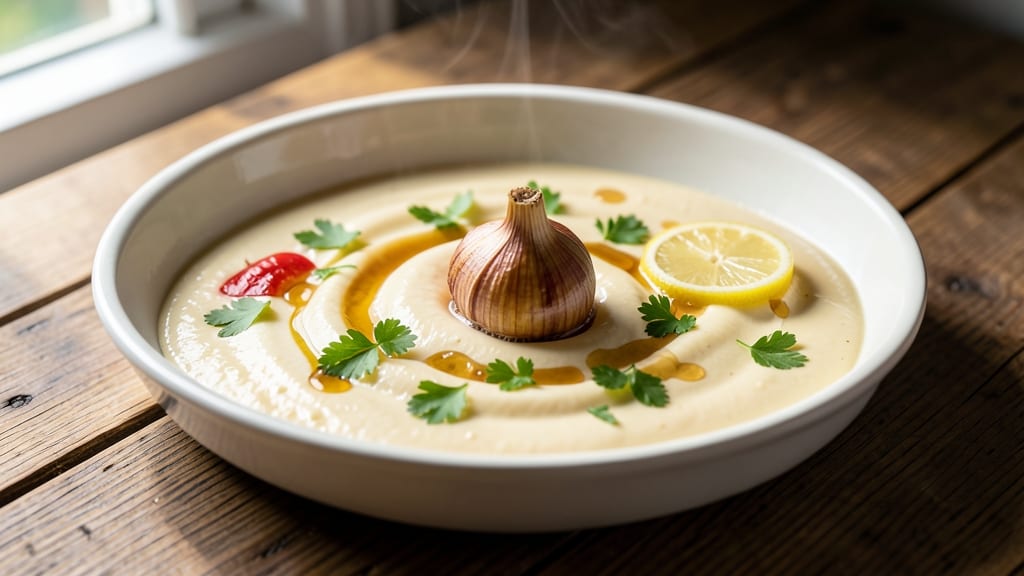
This basic butter sauce recipe transforms simple ingredients into a velvety, restaurant-quality sauce that elevates any dish. The secret lies in proper emulsification—combining melted butter with acid (like lemon juice) to create a silky, stable sauce that clings beautifully to pasta, seafood, or roasted vegetables.
I’ve perfected this technique over years of testing, ensuring it’s foolproof for home cooks while delivering professional results.
What makes this sauce special is its versatility and ease—just three core ingredients (butter, acid, and a pinch of salt) form the foundation, with optional garlic, herbs, or white wine for depth.
The key step is whisking the warm butter into the acid slowly, creating a smooth emulsion that won’t separate. This method works for everything from creamy pasta sauces to pan sauces for chicken or fish, making it a staple in any kitchen.
By the end, you’ll have a rich, velvety sauce that’s lighter than Alfredo but just as luxurious, with a bright, balanced flavor. It’s the kind of sauce that turns a simple meal into something special—no heavy cream or complicated techniques required.
The best part? It comes together in just 5 minutes, with ingredients you likely already have on hand.
Use it to finish al dente pasta, drizzle over grilled seafood, or deglaze a pan after searing chicken. The possibilities are endless, and the results are always impressive. Let’s get started—your next meal is about to get an upgrade.
Ingredients for basic butter sauce
Three core ingredients create a velvety emulsion that transforms any dish—no heavy cream or complicated techniques required.
| Ingredient | Amount | Notes |
|---|---|---|
| Unsalted Butter 🧈 | ¾ cup | Cold, cut into small cubes |
| Fresh Lemon Juice 🍋 | ¼ cup | Freshly squeezed, room temperature |
| Diamond Crystal Kosher Salt 🧂 | ½ tsp | Fine grain preferred |
| Garlic Cloves 🧄 | 2 cloves | Minced, optional for depth |
| Fresh White Wine 🍷 | ¼ cup | Dry variety, optional |
| Fresh Parsley Leaves 🌿 | ⅛ cup | Chopped, optional garnish |
| Heavy Cream 🥛 | ¼ cup | Optional for richer texture |
The butter quality is non-negotiable here. European-style unsalted butter like Plugrá or Land O’Lakes Cultured Butter yields the richest flavor and smoothest texture. Avoid margarine or salted butter—the salt disrupts the emulsion, and margarine lacks the fat content for proper emulsification. For the acid component, fresh lemon juice is ideal, but bottled works in a pinch. If substituting, use white wine vinegar or apple cider vinegar at the same quantity—both provide the necessary acidity for emulsification. The garlic and wine, while optional, elevate the sauce from basic to restaurant-quality; Chardonnay or Sauvignon Blanc work best for their acidity balance.
No lemon juice? White wine vinegar or apple cider vinegar will work, though the flavor profile shifts slightly. Skipping the garlic? The sauce remains delicious—it simply lacks depth. For a richer texture without heavy cream, substitute with an equal amount of whole milk (though the sauce will be slightly thinner). The parsley is purely decorative but adds a fresh finish. If you’re making this ahead, store the acid and salt mixture separately from the butter until ready to emulsify—this prevents the sauce from breaking prematurely. For a more intense garlic flavor, lightly toast the minced garlic in butter for 30 seconds before adding to the sauce.
This sauce is best made fresh but can be reheated gently on low heat—never boil, as it will separate. Store any leftovers in an airtight container over the acid mixture (lemon juice or vinegar) to maintain stability. If the sauce breaks upon reheating, simply whisk in a small pat of cold butter until smooth again. For longer storage, freeze in ice cube trays—thaw and whisk to reactivate the emulsion. The sauce pairs beautifully with al dente pasta, grilled seafood, or roasted chicken, where its bright, velvety texture shines.
Why You'll Love This Recipe
- Five-Ingredient Magic: I swear by this sauce because it’s the kind of recipe that makes you feel clever—just butter, lemon, garlic, wine, and salt. No fancy techniques, no hidden pantry staples. Honestly, I keep a bottle of wine and a lemon on hand just for this.
- Bright & Bold: That first sip of wine simmering with garlic? It’s like a flavor wake-up call. The lemon cuts through the richness, and the salt—just a pinch—makes everything pop. It’s the kind of taste that lingers without being overpowering.
- Weeknight Superhero: I use this sauce on pasta, roasted veggies, even grilled chicken. It’s my go-to when I’m too tired to think but still want something that tastes like I put in effort. (Between us, it fools everyone.)
- No Waste, All Win: A little goes a long way, so I make a double batch and save it for later. The wine and butter keep well in the fridge, and the sauce reheats like a dream. Plus, it’s cheap—no need to splurge on fancy ingredients.
Step-by-step instructions for velvety emulsion sauce
Mastering this technique transforms simple ingredients into a silky, restaurant-quality sauce every time.
Create the Butter Base
Place the 0.75 cup cold unsalted butter, cut into small cubes, in a medium saucepan over low heat. Allow it to melt slowly, stirring gently with a wooden spoon until it reaches 160°F—just below the temperature where it would begin to brown. This gradual melting ensures a smooth emulsion later without any risk of burning.
Watch for the butter to transform from solid to liquid, but don't rush this process. The slow melt creates tiny fat molecules that will later incorporate seamlessly with the acidic components. If you see any foam forming, gently skim it off—this ensures a cleaner, more refined sauce. Keep the heat at its lowest setting to maintain control.
Incorporate Acid and Aromatics
Remove the pan from heat and immediately whisk in the 0.25 cup fresh lemon juice and 2 cloves minced garlic. The sudden introduction of acid causes the hot butter to immediately begin emulsifying—you'll see the mixture transform from separate layers to a thick, creamy consistency. This is the critical moment where the sauce either succeeds or separates.
Return the pan to low heat and gradually whisk in the 0.25 cup fresh white wine, allowing it to reduce by half before adding the 0.5 tsp kosher salt. The wine's acidity helps break down the fat molecules further, creating a stable base. Taste as you go—this is when you can adjust seasoning before committing to the final emulsion.
Build the Emulsion
With the pan still on low heat, slowly drizzle in the 0.25 cup heavy cream while whisking continuously. The cream should incorporate smoothly, creating a velvety texture. If the sauce begins to curdle or separate, immediately remove it from heat and whisk vigorously until it recombines. This technique requires patience—rushing will result in a broken sauce.
Continue whisking for 2-3 minutes until the sauce reaches a uniform, glossy consistency. You're looking for a finish that coats the back of a spoon without being overly thick. The sauce should be silky, not greasy, with a perfect balance of richness and acidity. If it's too thick, add 1 tablespoon hot water to adjust the texture.
Finish and Garnish
Remove the sauce from heat and stir in the 0.125 cup chopped fresh parsley leaves. The parsley adds freshness and visual appeal, but it's truly optional—this step is about balancing flavors. Taste again and make any final adjustments with additional salt or lemon juice if needed. The sauce should be bright, balanced, and ready to elevate any dish.
For best results, use the sauce immediately over pasta, grilled fish, or roasted vegetables. If you need to reheat, do so gently over low heat, whisking constantly to prevent separation. The key to this sauce lies in the emulsion technique—once mastered, you'll have a versatile foundation for countless dishes.
Pro Tips For Making Basic Butter Sauce
- Melt Butter Slowly: If you dump cold butter into the pan and blast it, you’ll end up with burnt garlic and a grainy sauce. Instead, cut the butter into small cubes, let them melt over medium-low heat for 2-3 minutes before adding anything else—this keeps the sauce smooth and prevents scorching. (Yes, it takes patience, but your sauce will thank you.)
- Squeeze Lemon Dry: Fresh lemon juice has seeds and pulp that turn your sauce into a textured mess. Strain it through a fine-mesh sieve or line a small bowl with cheesecloth, then press the juice out with a spoon. Skip this, and you’ll be fishing out bits for the next hour.
- Deglaze with Wine First: Pour the white wine into the pan before adding garlic—it dissolves the fond (those browned bits) better and gives the sauce depth. If you toss in garlic first, you’ll end up scraping burnt bits off the bottom later, and that’s a flavor killer.
- Salt the Butter Early: Toss in half the kosher salt with the butter cubes while they melt—it dissolves completely and seasons the sauce evenly. Dumping it at the end means you’ll have clumps of salt sitting at the bottom, and no one wants that. (Diamond Crystal is 1:1 with table salt, so don’t overdo it.)
Common mistakes when making your basic butter sauce
Overheating Butter
I’ve seen this happen more than once—when butter gets too hot, it separates into greasy pools instead of a smooth sauce. Always melt butter over low heat and never exceed 160°F.
If you see foam forming, skim it off immediately. Trust me, patience here saves you from a broken sauce. 🔥
Adding Acid Too Fast
The biggest mistake is pouring acid (like lemon juice) into hot butter all at once. This causes the sauce to curdle immediately. Instead, whisk the acid into the warm butter gradually while whisking continuously.
The goal is to create tiny fat droplets that can emulsify properly. If it separates, just whisk in a small pat of cold butter to fix it.
Skipping the Temperature Check
Many home cooks forget to monitor the butter’s temperature. Butter needs to be warm but not hot—around 160°F is ideal. Use an instant-read thermometer if you’re unsure. Cold butter won’t emulsify, and hot butter will break the sauce. This is the secret to a silky texture every time.
Using Salted Butter
Salted butter throws off the emulsion because the extra sodium disrupts the balance of flavors and the emulsification process. Stick to unsalted butter for consistent results. If you’re in a pinch, you can reduce the added salt slightly, but unsalted is always the best choice.
Ignoring the Whisking Step
Some people think they can just toss everything in the pan and stir. Wrong! You need to whisk continuously when combining the butter and acid. The motion creates tiny fat globules that suspend in the liquid, preventing separation. If you’re not whisking, you’re setting yourself up for failure.
Adding Cream Too Quickly
When incorporating cream, it’s easy to pour it in all at once. Instead, drizzle it in slowly while whisking constantly. This gradual addition ensures the sauce stays smooth and velvety. If it curdles, remove it from heat and whisk vigorously until it recombines. Patience is key here—don’t rush it! ✨
Nutrition facts
Frequently asked questions
Can I make this butter sauce without heavy cream?
Skip the cream for a lighter sauce, but reduce the lemon juice to 2 tablespoons to maintain balance. The sauce will be thinner but still velvety—perfect for drizzling over grilled fish or steamed vegetables. For extra richness, substitute with 2 tablespoons whole milk or a splash of white wine.
Why did my butter sauce separate?
This usually happens when butter gets too hot (>160°F) or acid is added too quickly. To fix it, whisk in a small pat of cold butter until smooth. For prevention, always melt butter slowly over low heat and whisk continuously when combining ingredients. The key is patience—rushing breaks the emulsion.
How long does this sauce keep in the fridge?
Store it in an airtight container over the acid mixture (lemon juice or vinegar) for up to 3 days. Before using, reheat gently over low heat while whisking constantly. If it separates, whisk in a cold butter pat to restore the emulsion. For longer storage, freeze in ice cube trays—thaw and whisk to reactivate.
What’s the best way to use this sauce?
This versatile sauce shines on al dente pasta, grilled seafood, or roasted chicken. For pasta, toss it with 1/4 cup sauce per serving and a pinch of parsley. For proteins, use it as a pan sauce—deglaze with wine first, then finish with the butter emulsion. It also works beautifully as a drizzle for mashed potatoes or steamed greens.
Can I substitute lemon juice with something else?
Yes! Use white wine vinegar or apple cider vinegar (same quantity) for a tangier profile. For a milder acidity, try white wine (reduce to 2 tablespoons) or even yogurt (thinned with water). Avoid strong vinegars like balsamic—they’ll overpower the delicate butter flavor. Always taste as you go!