
Sauces & Condiments
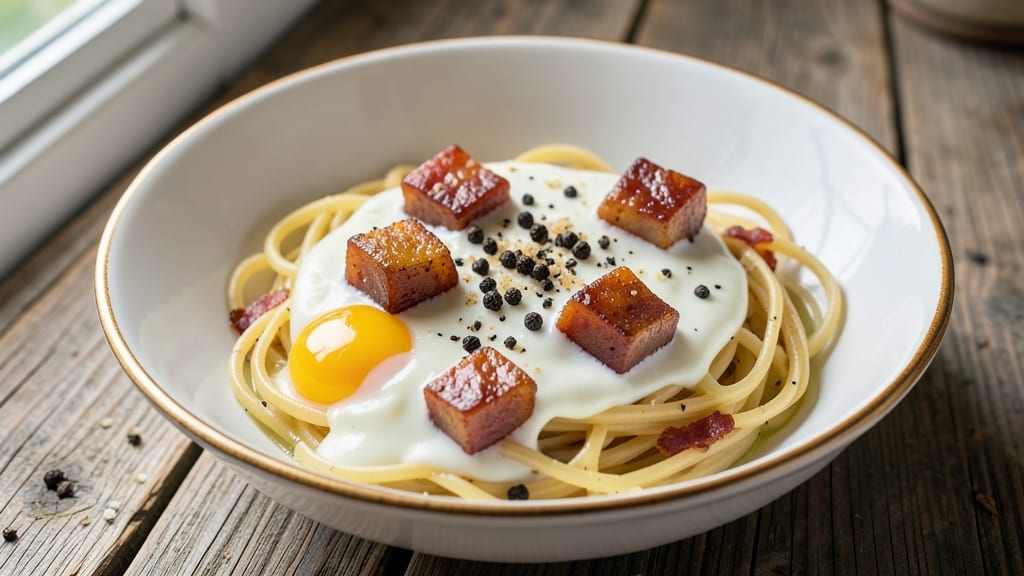
A basic carbonara sauce recipe transforms simple ingredients into a velvety, peppery emulsion that clings to pasta like a dream. The secret lies in tempering eggs with starchy pasta water—a technique that prevents curdling while creating that signature creamy texture.
I’ve perfected this method after years of trial and error, ensuring every batch delivers restaurant-quality results without the guesswork.
This sauce relies on three essential components: Pecorino Romano and Parmigiano-Reggiano for sharp, salty depth, fresh egg yolks for richness, and freshly cracked black pepper for that signature kick. Pancetta or guanciale adds smoky umami, but even without it, the sauce remains bold and satisfying.
The key is working quickly—once the eggs hit the hot pasta, timing becomes everything.
What you’ll achieve is a silky, cling-coat sauce that’s neither greasy nor grainy, with a perfect balance of tangy cheese and peppery heat. The emulsion stays smooth even when reheated, making it ideal for leftovers or meal prep. This isn’t just a sauce; it’s the heart of a perfect carbonara.
Store any leftovers in an airtight container in the fridge for up to 3 days, or freeze for longer shelf life. The sauce thickens slightly when chilled, so simply reheat it gently with a splash of pasta water to restore its velvety consistency. Ready to master this classic?
Ingredients for basic carbonara sauce
Eight ingredients transform into a velvety emulsion that clings perfectly to pasta.
| Ingredient | Amount | Notes |
|---|---|---|
| Fresh Egg Yolks 🥚 | 4 whole | Large eggs preferred, room temperature |
| Pecorino Romano Cheese 🧀 | ¾ cup | Freshly grated, aged minimum 8 months |
| Parmigiano-Reggiano Cheese 🧀 | ½ cup | Freshly grated, fine texture |
| Pancetta 🥓 | 4 oz | Diced small, rendered fat reserved |
| Freshly Ground Black Pepper 🌶️ | 1 tsp | Coarsely cracked, not powdered |
| Reserved Pasta Water 💧 | 1 cup | Starchy water from cooked pasta |
| Extra-Virgin Olive Oil 🫒 | 1 tbsp | For finishing, fruity variety |
| Diamond Crystal Kosher Salt 🧂 | ½ tsp | For seasoning, not iodized |
The cheeses are non-negotiable. Pecorino Romano delivers that sharp, salty bite while Parmigiano-Reggiano adds sweet umami depth. For both, grate them fresh—pre-shredded contains anti-caking agents that prevent proper emulsification. Whole Foods or specialty Italian markets carry the best aged Pecorino, but a good deli section will suffice. Pancetta is ideal for that smoky flavor, but guanciale works too if you can find it. The key is rendering the fat slowly—don't rush this step. Freshly cracked black pepper (not powdered) is essential for that signature carbonara heat.
No pancetta? Thick-cut bacon works in a pinch, though it's smokier. Short on Pecorino? Double the Parmigiano-Reggiano—it won't be identical but still delicious. The reserved pasta water must be starchy—save the last cup of water before draining your pasta. For the eggs, room temperature yolks emulsify better than cold ones. If you're concerned about salmonella, pasteurized eggs work fine. The olive oil should be extra-virgin—none of that cheap cooking oil. And yes, you can make this without cheese if you're vegan (use nutritional yeast + cashew cream), but it won't be authentic.
This sauce is best used immediately, but leftovers keep 3 days refrigerated or 3 months frozen. Reheat gently with a splash of pasta water—never microwave it directly. For meal prep, portion into airtight containers with a thin layer of olive oil on top to prevent drying. The sauce thickens when chilled, so always reheat with extra pasta water. Never boil the sauce—keep it below a simmer or the eggs will scramble. Fresh pasta works best, but dried pasta will absorb the sauce beautifully if you toss it well.
Why You'll Love This Recipe
- No Fuss, No Fail: I swear by this recipe because it’s the kind of meal that forgives mistakes. Pancetta cooks in minutes, eggs temper effortlessly—no scrambling or overthinking. Honestly, my first attempt was a little runny, but now I just toss in the yolks off-heat and boom, creamy perfection every time.
- Umami Bomb: That combo of Pecorino and Parmigiano? It’s like a flavor explosion in your mouth. The pancetta adds salty richness, and the black pepper? Freshly cracked right over the sauce—it’s the little details that make this dish dangerously good. I’ll be real: I’ve been known to eat it straight from the pan.
- Weeknight Flex: This sauce works for pasta, eggs, even a quick omelet if I’m in a rush. Toss it with spaghetti for dinner, save half for breakfast hash, or drizzle it over roasted veggies when I’m feeling fancy. Between us, it’s my go-to when I don’t want to plan but still crave something restaurant-worthy.
- Budget Win: Pancetta is cheaper than bacon, and a little cheese goes a long way. I stretch this sauce for two meals—first night over pasta, second night on toast with a fried egg. Not the prettiest, but the taste makes up for it, and my wallet thanks me every time.
Step-by-step instructions for egg-yolk emulsion carbonara
Master this classic technique to create a silky, perfectly balanced sauce every time.
Render Pancetta Until Golden and Crisp
Place the 4 oz diced pancetta in a cold, dry skillet over medium-low heat. Cook undisturbed for 8-10 minutes, stirring only when necessary, until the fat renders out and the pancetta becomes deep golden brown with crispy edges. The rendered fat should pool in the pan—this is your flavor foundation.
Here's the thing—don't rush this step. If the heat gets too high, the pancetta will burn before the fat renders properly. You want that fat to shimmer like liquid gold before you proceed. Once golden, remove the pancetta with a slotted spoon and set aside, leaving the rendered fat in the pan. This fat will later emulsify with your egg mixture to create the sauce's signature richness.
Prepare the Egg-Cheese Emulsion
In a medium bowl, whisk together the 4 whole fresh egg yolks, 0.75 cup freshly grated Pecorino Romano cheese, and 0.5 cup freshly grated Parmigiano-Reggiano cheese until smooth and fully combined. Add the 1 tsp freshly ground black pepper and 0.5 tsp Diamond Crystal kosher salt, whisking until evenly distributed. The mixture should be thick but still pourable—like a pale yellow custard.
This is the moment that matters: room-temperature eggs are crucial. Cold eggs will create a sauce that separates instead of emulsifying properly. If your eggs are straight from the fridge, let them sit at room temperature for 30 minutes before starting. The cheese should be finely grated—no large chunks—so it melts smoothly into the sauce. Set this bowl aside while you prepare the pasta.
Cook Pasta Al Dente and Reserve Starchy Water
Cook your pasta in generously salted boiling water until 1 minute before the package instructions specify for al dente. Reserve 1 cup of the starchy pasta water before draining—this is your emulsifier. The starch in the water helps bind the egg mixture into a silky sauce. Drain the pasta and immediately return it to the pot off the heat, tossing with 1 tablespoon extra-virgin olive oil to prevent sticking.
Don't rinse the pasta—those surface starches are essential for creating the sauce's velvety texture. While the pasta cooks, keep the reserved pasta water nearby. You'll need it to adjust the sauce's consistency later. The pasta should be hot but not steaming when you're ready to combine everything.
Combine Off Heat for Perfect Emulsion
With the pasta still in its pot, remove it from the heat and add the rendered pancetta fat along with the pancetta pieces. Toss gently to coat the pasta in the fat. Then, immediately pour in the egg-cheese mixture while stirring vigorously with tongs or a wooden spoon. The residual heat from the pasta will gently cook the eggs into a creamy sauce.
Here's where precision counts: if the sauce starts to thicken too much, add reserved pasta water 1 tablespoon at a time until you reach a smooth, glossy consistency. The sauce should coat the back of a spoon but still flow freely. If it curdles, don't panic—just add more hot pasta water to break it down. The key is working quickly and maintaining control over the heat.
Finish and Serve Immediately
Return the sauce to low heat for just 1-2 minutes, stirring constantly, until it reaches 160°F—hot enough to kill any potential bacteria but not so hot it scrambles the eggs. The sauce should now be silky, glossy, and perfectly clinging to each strand of pasta. Taste and adjust seasoning with additional Pecorino Romano or black pepper if needed.
Serve immediately while the sauce is at its peak temperature. Each bite should deliver a perfect balance of creamy egg, salty cheese, peppery heat, and crispy pancetta. The sauce will thicken slightly as it cools, but the initial emulsion ensures it remains velvety rather than grainy. This technique guarantees a restaurant-quality carbonara every time—no curdling, no lumps, just pure, rich perfection.
Pro Tips For Making Basic Carbonara Sauce
- Cook Pancetta Crisp: Render the pancetta until it’s golden and crackling—about 8-10 minutes on medium heat. I used to rush this, and the sauce turned greasy instead of rich. Let those fat pockets crisp up; that’s where the flavor hides.
- Grate Cheese Fresh: Skip the pre-grated stuff—it’s full of anti-caking agents that make the sauce grainy. Use a fine grater for Pecorino and Parmigiano, then mix them together in a bowl. The texture difference is night and day.
- Temper Eggs Slowly: Heat the pasta water to a gentle simmer (170°F/77°C), then drizzle it into the egg-yolk mixture while whisking like you’re beating your ex’s drum. Stop when it’s just warm—no cooking the eggs, or you’ll end up with scrambled carbonara.
- Reserve Starchy Water: Save a ladleful of pasta water before draining—about ½ cup. The starch in it binds the sauce to the noodles, so you’re not left with a dry, clumpy mess. Add it sparingly while tossing.
Wine and beer pairings for this dish
Classic Italian Whites
For an authentic pairing, reach for a crisp, medium-bodied Italian white like Vermentino from Sardinia or Greco di Tufo from Campania. These wines have bright citrus notes and mineral undertones that cut through the sauce's richness while complementing the peppery heat.
I love chilling a bottle of Feudo di San Gregorio Vermentino—its zesty lemon and almond flavors refresh your palate between bites. 🍷
Bold Reds for Contrast
A Chianti Classico or Sangiovese from Tuscany works surprisingly well with carbonara, especially if your sauce has a deeper, smokier profile from pancetta. Look for a wine with 12-14% alcohol and earthy cherry notes—these stand up to the cheese without overpowering it.
My go-to is Castello di Volpaia Chianti Classico, which balances acidity and fruit beautifully.
Light Beers for Balance
If you prefer beer, opt for a crisp Italian lager like Peroni or Moretti. Their clean, slightly malty profiles won’t compete with the sauce’s flavors but will cleanse your palate between bites.
For craft beer lovers, a Belgian witbier (like Hoegaarden) adds a refreshing citrus note that pairs wonderfully with the black pepper. Avoid heavy IPAs or stouts—they’ll overpower the delicate cheese and egg emulsion. 🍺
Unexpected Sparkling
Don’t overlook sparkling wine! A chilled Prosecco or Franciacorta adds effervescence that cuts through the richness while enhancing the sauce’s peppery notes. The bubbles also help reset your palate between bites. I recommend La Marca Prosecco—its crisp apple and pear flavors create a delightful contrast with the creamy sauce.
Non-Alcoholic Options
For a refreshing non-alcoholic choice, try a sparkling blood orange soda like San Pellegrino Aranciata Rossa. The citrus notes complement the pepper, while the bubbles provide the same palate-cleansing effect as wine.
Alternatively, a chilled hibiscus iced tea with a splash of lime adds a floral, slightly tart contrast that balances the sauce’s richness. ✨
Nutrition facts
Frequently asked questions
Why does my carbonara sauce get grainy or separate?
The most common causes are cold eggs or overcooking. Always use room-temperature eggs and combine the sauce off the heat—residual pasta heat gently cooks the eggs into an emulsion. If it curdles, immediately add hot pasta water to break it down. Stirring too vigorously or using powdered pepper can also create graininess.
Can I make carbonara sauce ahead of time?
Yes, but it's best used fresh. Store leftovers in an airtight container for 3 days refrigerated or 3 months frozen. Reheat gently with a splash of pasta water—never microwave directly. The sauce thickens when chilled, so thin it with extra water when reheating. For meal prep, portion into containers with a thin layer of olive oil on top.
What's the difference between carbonara and bolognese?
Carbonara is a light, creamy egg-cheese sauce with crispy pancetta, while bolognese is a rich, meaty tomato-based ragù. Carbonara relies on emulsified eggs and cheese for creaminess, while bolognese uses slow-cooked ground meat in a tomato sauce. They're completely different dishes—carbonara is never served with tomato sauce!
Can I substitute butter for pancetta fat?
Not for authentic flavor, but you can use it in a pinch. Pancetta fat adds smoky depth that butter can't replicate. If substituting, render 4 tbsp butter until golden brown (don't melt it completely) to mimic the pancetta's flavor. For best results, use a mix of butter and pancetta fat—just 2 tbsp butter with 2 tbsp rendered pancetta fat.
How do I know when the sauce is properly emulsified?
A properly emulsified sauce should be silky, glossy, and coat the back of a spoon without being thick. It should flow freely when you lift the spoon but still cling to the pasta. The texture should be smooth, not grainy or chunky. If it looks too thin, add a little more cheese; if too thick, thin with reserved pasta water. The perfect sauce will have a velvety mouthfeel with no lumps.