
Sauces & Condiments
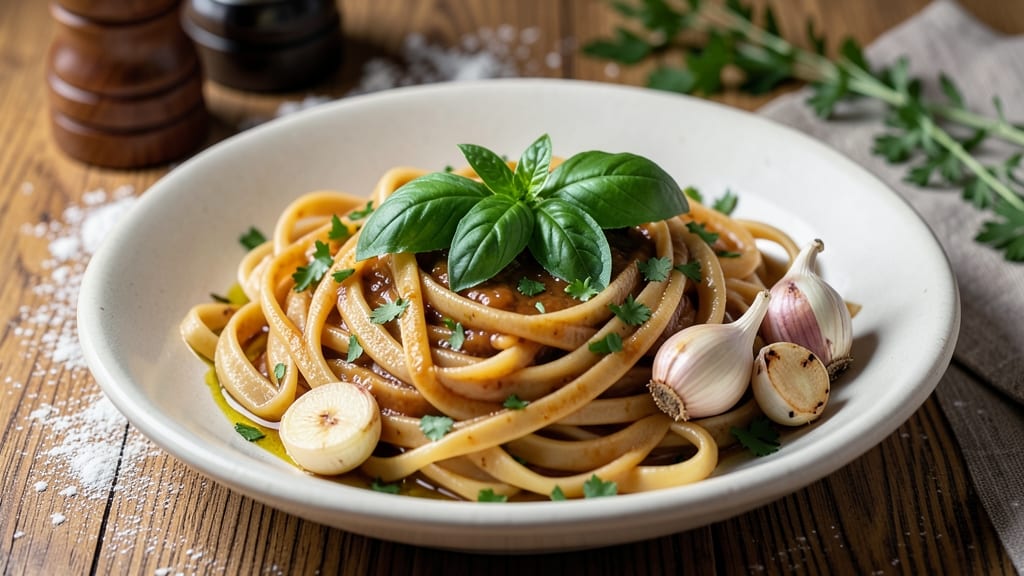
A basic fettuccine sauce recipe that’s velvety and garlic-herb-infused turns simple pasta into a restaurant-worthy dish—all in just 15 minutes. This foundational sauce builds rich, aromatic flavor through slow simmering and fresh herbs, creating a smooth, clinging base that elevates fettuccine effortlessly.
The secret lies in balancing garlic, olive oil, and a touch of acidity to prevent bitterness while developing depth.
The foundation starts with high-quality olive oil and fresh garlic, cooked low and slow to release their natural sweetness without burning. A splash of white wine or chicken broth deglazes the pan, lifting flavorful browned bits while keeping the sauce light.
Fresh basil or parsley finishes it with bright, herbaceous notes that cut through the richness.
What you’ll end up with is a smooth, velvety sauce with just the right balance of savory, herby, and slightly tangy flavors—ideal for tossing with cooked fettuccine.
The texture is silky yet clings beautifully, ensuring every bite is packed with flavor. This sauce is versatile enough for weeknight dinners but elegant enough for company.
Perfect for pairing with grilled chicken, shrimp, or mushrooms, or enjoy it as-is for a simple yet satisfying meal. The recipe scales easily, so you can make extra to freeze for future pasta nights. Let’s get started on this foolproof foundation for endless fettuccine creations.
Ingredients for basic fettuccine sauce
Nine ingredients—just enough to create a restaurant-worthy fettuccine sauce that’s velvety, aromatic, and packed with garlic-herb flavor.
| Ingredient | Amount | Notes |
|---|---|---|
| Extra-Virgin Olive Oil 🫒 | ½ cup | High-quality, fruity, cold-pressed |
| Garlic Cloves 🧄 | 6 whole | Fresh, peeled, thinly sliced |
| Shallots 🧅 | 2 whole | Small, thinly sliced, or substitute 1 small onion |
| Fresh Basil Leaves 🌿 | ½ cup | Packed, stems removed, loosely chopped |
| Fresh Parsley Leaves 🌿 | ¼ cup | Packed, loosely chopped, or omit if only basil |
| Dry White Wine 🍷 | ½ cup | Sauvignon Blanc or Pinot Grigio preferred |
| Chicken Broth 🍲 | ¾ cup | Low-sodium, homemade or quality store-bought |
| Heavy Cream 🥛 | ¼ cup | Full-fat for best texture (or substitute coconut milk) |
| Salt 🧂 | 1 tsp | Diamond Crystal or kosher, adjust to taste |
| Black Pepper 🌶️ | ¼ tsp | Freshly cracked black peppercorns |
| Lemon Juice 🍋 | 1 tbsp | Freshly squeezed, for brightness |
The olive oil is where this sauce shines—look for extra-virgin with fruity notes from brands like California Olive Ranch or Bertolli at your local grocery store. Fresh garlic and shallots are non-negotiable here; pre-minced garlic loses flavor fast. I always grab a bunch of basil and parsley from the grocery store’s produce section—they’re usually fresher than the pre-packaged stuff. For the wine, any dry white will work, but Sauvignon Blanc or Pinot Grigio add a nice brightness. If you’re avoiding alcohol, use extra chicken broth instead.
No white wine? Substitute with an extra 0.25 cup of chicken broth plus 1 tsp lemon juice—it’ll keep the acidity balanced. Heavy cream can be swapped for coconut milk or cashew cream for a dairy-free version, though the texture will be slightly lighter. Fresh herbs are ideal, but dried basil or parsley at one-third the amount will work in a pinch. The secret to preventing bitterness is low-and-slow cooking—don’t rush the garlic or it’ll turn bitter. For extra depth, toast the shallots and garlic in the olive oil for 2-3 minutes before adding anything else.
This sauce keeps beautifully—store in an airtight container in the fridge for up to 5 days. It actually tastes better the next day as the flavors meld. Freeze for up to 3 months by portioning into ice cube trays, then transfer to a freezer bag. When reheating, add a splash of water or broth to loosen the sauce. I always make extra because it’s perfect for tossing with grilled chicken, shrimp, or mushrooms later in the week.
Why You'll Love This Recipe
- Five-Ingredient Magic: I swear by this—just oil, garlic, shallots, and fresh herbs. That’s it. No fancy pantry trips, no hidden ingredients. The shallots caramelize beautifully in the olive oil while the garlic sizzles, and by the time the basil hits, it’s like a bright, aromatic hug in a pan.
- Weeknight Hero: Honestly, this is my "I don’t want to think" sauce. Toss it with fettuccine, a sprinkle of parmesan, and you’re done—no stress, no fuss. Even when I’m too tired to plan, this delivers every time. (Yes, even on a Tuesday night.)
- Leftovers That Don’t Suck: Between us, most pasta sauces turn sad after day two. Not this one. The olive oil keeps it rich, and the herbs stay vibrant if you store it right. I’ve reheated portions for lunch all week—still tastes like it came fresh off the stove.
- Herb Swap Freedom: Here’s what sold me—this sauce is a blank canvas. Low on basil? Swap in parsley or even a pinch of oregano. Need something heartier? Add a splash of cream or a handful of spinach. It’s my go-to for when I’m craving something fresh but don’t want to reinvent the wheel.
Step-by-step instructions for velvety garlic-herb fettuccine sauce
This simple method delivers restaurant-quality sauce with layers of flavor in just minutes.
Sauté Shallots and Garlic Until Fragrant
Heat the 0.5 cup extra-virgin olive oil in a medium saucepan over medium-low heat. Add the 2 whole shallots and cook for 3-4 minutes until they soften and become translucent. Here's the thing—don't rush this step. You want them to melt into the oil without browning.
Add the 6 whole garlic cloves and continue cooking for another 1-2 minutes until the garlic is golden around the edges but not browned. The moment it turns brown, it burns quickly and becomes bitter. Remove the pan from heat immediately after the garlic reaches this perfect stage—you'll know it's ready when the kitchen fills with that irresistible aroma.
Deglaze with Wine and Reduce
Return the pan to medium heat and carefully pour in the 0.5 cup dry white wine. Stir constantly as it bubbles up, scraping the bottom of the pan to release all those flavorful browned bits. This deglazing step captures all the caramelized goodness from the shallots and garlic.
Let the wine simmer for 3-4 minutes until it reduces by about half. You're looking for a syrupy consistency here—this concentrated wine will form the base of your sauce. If it reduces too quickly, just lower the heat slightly to maintain gentle simmering.
Build the Sauce with Broth and Herbs
Add the 0.75 cup chicken broth, 1 tsp salt, and 0.25 tsp black pepper to the pan. Bring to a gentle simmer and let it cook uncovered for 5-6 minutes until slightly reduced. This is where the sauce starts to develop depth and body.
Stir in the 0.5 cup fresh basil leaves and 0.25 cup fresh parsley leaves. Let the sauce simmer for another 2 minutes—just enough time for the herbs to release their aromatic oils without turning mushy. The sauce should now be smooth with a vibrant green hue from the herbs.
Finish with Cream and Brighten
Reduce heat to low and gently whisk in the 0.25 cup heavy cream. Cook for 2-3 minutes until the sauce thickens slightly and coats the back of a spoon. The cream adds richness and helps emulsify the sauce for that velvety texture we're after.
Finally, stir in the 1 tbsp lemon juice and taste. The acidity brightens all the flavors and balances the richness. Adjust seasoning if needed—sometimes the wine or broth brings its own saltiness. The sauce should be perfectly balanced with garlic's sweetness, herbs' freshness, and wine's acidity.
Serve Immediately Over Fettuccine
Keep the sauce warm over low heat while you cook your fettuccine. Toss the drained pasta with the sauce, adding a splash of pasta water if needed to reach your desired consistency. The sauce should cling beautifully to each strand of fettuccine.
For best results, serve immediately. This sauce doesn't keep well once off the heat—it's at its peak when fresh. Garnish with additional fresh herbs if you like, but honestly, the sauce is already packed with flavor. Each bite should deliver that perfect balance of creamy, herby, garlicky goodness.
Pro Tips For Making Basic Fettuccine Sauce
- SWIM THE SHALLOTS: Thinly slice those shallots—almost translucent, like rice paper—and cook them low and slow in the olive oil first. I used to rush this, and the flavor got lost in the garlic. Give them 3-4 minutes until they’re soft and just starting to turn golden, or they’ll turn to mush when the garlic hits.
- GARLIC: CRISP THEN CRUSH: Smash your garlic cloves with the flat side of your knife before adding them to the pan. This releases more flavor without burning. I learned this the hard way—whole cloves just sit there, undercooked and bitter, while smashed ones caramelize into sweet perfection.
- SALT THE BASIL: Tear the basil leaves, sprinkle them with a pinch of salt, and let them sit for 30 seconds before adding to the sauce. The salt softens the leaves and pulls out their aroma—no more floating bitter bits at the bottom of your plate.
- SAVE THE PARSLEY: Reserve a handful of parsley until the very end—chop it fine and toss it with the pasta and sauce off the heat. This keeps the bright green color and fresh flavor from wilting in the hot oil where the garlic and shallots live. (Yes, even if you’re impatient like me.)
Common mistakes when making great basic fettuccine sauce
Overcooking Garlic
Garlic burns faster than you think—just 10 seconds over medium heat can turn sweet, mellow garlic into bitter, acrid sludge. I’ve ruined countless sauces by walking away for "just a minute."
The key is constant attention: cook the 6 garlic cloves on medium-low heat until they’re just golden around the edges, then remove the pan immediately. If you smell burning, you’ve waited too long. 🌶️
Skipping the Deglaze
That browned bit stuck to your pan isn’t just flavor—it’s the foundation of your sauce. If you skip the 0.5 cup dry white wine deglaze, you’re missing out on 30-40% of the sauce’s depth.
Stir vigorously as the wine bubbles to lift those caramelized bits. Pro tip: use a wooden spoon—it’s more forgiving than a metal one when scraping.
Ignoring the Wine Reduction
Rushing the wine reduction is a common mistake. You need that syrupy consistency—not just a quick boil-off. Simmer uncovered for 3-4 minutes until the wine reduces by half.
If you rush it, the sauce will taste flat. Think of it like making jam: patience builds flavor. The reduced wine adds complexity that raw wine can’t match.
Adding Cream Too Early
Adding the 0.25 cup heavy cream before the broth has reduced creates a watery, separated sauce. The broth needs to develop body first—simmer it for 5-6 minutes until slightly thickened.
Only then should you whisk in the cream on low heat. This ensures a velvety texture, not a broken, curdled mess. The cream should blend smoothly, not separate.
Over-Salting Early
Adding all 1 tsp salt at once is a rookie move. The wine and broth already contain salt, and the cream adds more. Taste after the broth simmers and adjust gradually.
I usually add ½ tsp initially, then another ½ tsp after the cream is incorporated. This prevents a bland sauce that needs desperate seasoning fixes later. 🧂
Using Low-Quality Oil
Cheap olive oil with a low smoke point burns quickly and imparts a harsh flavor. Always use extra-virgin olive oil—brands like California Olive Ranch or Bertolli have the fruity notes that elevate this sauce.
If your oil smells like soap or tastes bitter, toss it. The oil is the sauce’s backbone, so don’t skimp. A good oil makes the difference between "home-cooked" and "restaurant-quality."
Nutrition facts
Frequently asked questions
Can I make this sauce without wine?
Replace the 0.5 cup dry white wine with an extra 0.25 cup chicken broth plus 1 tsp lemon juice to maintain the same bright, acidic balance. The sauce will still develop depth—just without the wine's subtle complexity.
How do I make this sauce dairy-free?
Swap the 0.25 cup heavy cream for 0.25 cup full-fat coconut milk or cashew cream (blend soaked cashews with water). The texture will be slightly lighter but still delicious. For extra richness, add 1 tbsp nutritional yeast at the end.
Why did my sauce turn bitter?
Most likely, your garlic burned (even for 10 seconds over medium heat) or you didn't reduce the wine enough. Next time, cook garlic on low heat until just golden, then remove immediately. For bitter wine, simmer uncovered for 3-4 minutes until syrupy.
Can I use this sauce for other pasta shapes?
Yes! This velvety base works beautifully with penne, rigatoni, or even spaghetti. For wider noodles like fettuccine, the sauce clings perfectly. For thinner strands, add a splash of pasta water to loosen the texture. The herby garlic flavor shines in any pasta dish.
How long will leftovers keep?
Store in an airtight container in the fridge for up to 5 days. The flavors actually improve as they meld! For freezing, portion into ice cube trays, then transfer to a freezer bag—thaw overnight in the fridge before reheating with a splash of water or broth.