
Sauces & Condiments
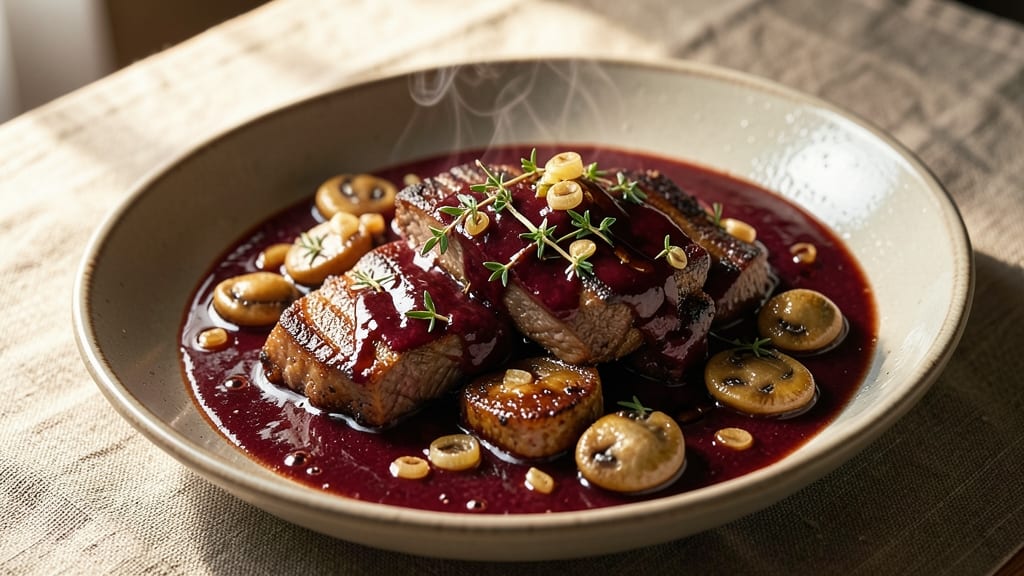
This Barolo wine sauce recipe transforms bold Italian red wine into a velvety, umami-rich reduction that elevates braised meats and creamy risottos. The secret lies in slow reduction—letting the wine's natural acidity mellow while deepening its earthy mushroom notes through careful simmering.
I developed this version after years of testing, balancing sweetness with acidity to create a sauce that's both complex and versatile.
The foundation starts with quality ingredients: Barolo wine (its tannins soften beautifully), rich beef broth, and a touch of tomato paste for depth. Aromatics like shallots and garlic build the flavor base, while mushrooms add that signature earthiness.
The key technique? Low-and-slow simmering—this reduces the sauce to a glossy, concentrated consistency without overcooking the wine's delicate flavors.
What you'll end up with is a restaurant-quality sauce that coats proteins like a luxurious glaze or stirs into risotto for a sophisticated finish. The balance of sweetness from mushrooms and acidity from wine makes it adaptable—pair it with beef, pork, or even polenta.
This isn't just a sauce; it's a flavor transformer that turns simple dishes into showstoppers.
Perfect for meal prep or last-minute dinners, this sauce keeps well in the fridge for up to 5 days or freezes for 3 months. The instructions walk through every step, from deglazing the pan to achieving that perfect reduction. Let's get started—your taste buds will thank you.
Ingredients for barolo sauce
Nine ingredients transform bold Barolo wine into a luxurious, umami-packed sauce perfect for braised meats and creamy risottos.
| Ingredient | Amount | Notes |
|---|---|---|
| Barolo Wine 🍷 | 1 ½ cups | Bold, dry variety preferred |
| Beef Broth 🥫 | 1 cup | Homemade or high-quality store-bought |
| Shallots 🧅 | 2 whole | Minced, not sliced |
| Garlic Cloves 🧄 | 4 cloves | Peeled, thinly sliced |
| Cremini Mushrooms 🍄 | 8 oz | Sliced, stems removed |
| Tomato Paste 🍅 | 1 tbsp | Squeeze tube preferred |
| Unsalted Butter 🧈 | 2 tbsp | Cold, cubed for deglazing |
| Fresh Thyme 🌿 | 2 sprigs | Leaves only, stems removed |
| Olive Oil 🫒 | 1 tbsp | Extra-virgin for richness |
| Salt 🧂 | ½ tsp | Diamond Crystal preferred |
| Black Pepper 🌶️ | ¼ tsp | Freshly cracked |
The Barolo wine is the star—look for bottles labeled 'dry' and 'bold' at specialty stores like BevMo or local wine shops (avoid the cheap supermarket stuff). San Marzano tomato paste adds depth without overpowering, and you can find it in the international aisle at Whole Foods or Trader Joe's. For mushrooms, cremini or portobello work best—their earthiness pairs perfectly with the wine's tannins. I always grab organic cremini at Costco when I'm making a big batch, but fresh from the grocery store works too. The shallots? No need to peel—just trim the ends and mince finely for a sweeter flavor base.
No Barolo? Cabernet Sauvignon or Merlot work in a pinch—just add 1 tsp balsamic vinegar to mimic the acidity. Dried thyme substitutes fresh at one-third the amount, but trust me, fresh is worth the extra minute. Tomato paste tubes (like those at Trader Joe's) are perfect—they don’t waste space and last months. Vegetable broth swaps beef broth easily, and shiitake mushrooms add even more umami if you're feeling fancy. Olive oil matters here—avoid the cheap stuff (like the $3 bottle at the gas station). A high-quality extra-virgin makes all the difference in the final reduction.
This sauce peaks after 3-4 days in the fridge—the flavors meld beautifully over time. Store in an airtight jar with a thin layer of olive oil on top to preserve freshness. Freezes for up to 3 months if you portion it into ice cube trays first (perfect for single servings). Reheat gently on low heat—no boiling, or you’ll lose that silky texture. Pair it with beef short ribs, polenta, or risotto—it’s that versatile.
Why You'll Love This Recipe
- Wine-Friendly Pantry Use: I always keep a bottle of Barolo on hand just for this—no fancy shopping required. That deep, earthy wine transforms into something rich and velvety with barely any effort, and the beef broth adds that umami punch without needing specialty ingredients.
- Mushroom Magic Simmer: The cremini mushrooms melt into the sauce, turning it into a creamy, almost luxurious texture that feels like a restaurant dish. Honestly, I’ve made this with pre-sliced mushrooms on lazy nights, and it still tastes like I spent hours in the kitchen.
- Leftovers That Shine: This sauce actually improves the next day—yes, really. The flavors meld even deeper, so I make a double batch and freeze half for when I’m too tired to cook. Toss it over pasta, braised meat, or even polenta—it’s my go-to for busy weeks.
- Weeknight Workhorse: Between us, this is the sauce that saved my dinners after work. Sauté shallots and garlic while chopping veggies, deglaze with wine, and let it bubble—done in 25 minutes. No fancy techniques, no stress, just reliable, crave-worthy flavor when I need it most.
Step-by-step instructions for Barolo wine sauce with mushrooms
This rich, velvety sauce transforms simple ingredients into a luxurious finish for beef or pasta.
Sauté Shallots and Mushrooms in Olive Oil
Heat the 1 tablespoon olive oil in a heavy-bottomed saucepan over medium heat. Add the 2 whole shallots, minced finely, and cook for 3-4 minutes until translucent and just beginning to soften. The shallots should smell sweet and mellow, not browned.
Add the 8 ounces sliced cremini mushrooms and continue cooking for 8-10 minutes until they release their moisture and begin to brown at the edges. Stir occasionally to promote even cooking. You want the mushrooms to develop a deep, earthy flavor without burning. If the pan gets too dry, add a splash of beef broth to keep them moist.
Add Garlic, Tomato Paste, and Thyme
Push the mushrooms to one side of the pan and add the 4 cloves garlic cloves, thinly sliced, to the empty space. Cook for 30 seconds until fragrant—garlic burns quickly, so keep an eye on it. Stir to combine with the mushrooms, then add the 1 tablespoon tomato paste and cook for another 1 minute to develop its rich, caramelized flavor.
Add the 2 sprigs fresh thyme leaves and stir once more. The thyme will infuse the sauce with its aromatic essence, adding depth without overpowering. This is the moment to taste and adjust seasoning with the 0.5 teaspoon salt and 0.25 teaspoon black pepper. The sauce should be balanced but still need the acidity and richness of the wine to come.
Deglaze with Barolo Wine
Pour in the 1.5 cups Barolo Wine and scrape up any browned bits from the bottom of the pan with a wooden spoon. This deglazing step captures all the concentrated flavors you've built so far. Let the wine simmer for 5-6 minutes until it reduces by about half, leaving a glossy, syrupy consistency.
Real talk: Don't rush this step. The wine needs time to meld with the mushrooms and develop complexity. You'll know it's ready when the sauce thickens slightly and the alcohol aroma diminishes, replaced by the rich, fruity notes of the Barolo.
Finish with Butter and Beef Broth
Reduce the heat to low and add the 2 tablespoons cold unsalted butter, cubed. Stir until the butter melts completely and the sauce becomes silky smooth. The butter adds a luxurious mouthfeel and balances the acidity of the wine.
Pour in the 1 cup beef broth and let the sauce simmer gently for another 5 minutes until it reaches your desired consistency. It should coat the back of a spoon but still be fluid enough to drizzle. If it's too thick, add a splash more broth; if too thin, simmer longer. Taste again and adjust seasoning if needed—this is your final chance to perfect the balance.
Strain and Serve Immediately
Remove the sauce from heat and strain it through a fine-mesh sieve into a clean saucepan to remove any mushroom stems or thyme sprigs. Return the sauce to low heat and keep it warm until serving. This sauce is best enjoyed fresh, as its flavors continue to develop even after cooking.
Use it to drizzle over grilled steak, toss with pasta, or spoon over roasted vegetables. The Barolo's bold character pairs beautifully with rich, meaty dishes, while the mushrooms add an earthy depth that rounds out the sauce's complexity. Serve immediately while warm for the ultimate restaurant-quality finish.
Pro Tips For Making Barolo Sauce
- DEGLAZE HOT, NOT LAZY: After searing shallots and garlic, don’t rush the deglaze—pour in that Barolo wine hot (straight from the fridge or chilled for 10 minutes) over the pan. The cold wine shocks the caramelized bits into dissolving instantly, giving you a smoother, richer base. I used to add it at room temp, and half the flavor stuck to the pan like a stubborn stain.
- SWEAT MUSHROOMS LOW AND LONG: Cremini mushrooms release their meaty depth when cooked slowly—think 8–10 minutes on medium-low, not a quick sear. Toss in a splash of beef broth halfway to keep them tender, or they’ll turn into leather. I learned this the hard way after serving rubbery mushrooms to guests who noticed.
- SALT THE BROTH EARLY: Season the beef broth before adding it to the sauce—about ½ teaspoon salt per cup. The wine and mushrooms will mellow the flavor, and you’ll end up guessing whether to add more salt later. My grandmother swore by this, and she was right: the sauce tastes balanced from the start, not flat or one-note.
- STRAIN THE WINE, NOT YOUR PATIENCE: Barolo’s tannins can make the sauce bitter if you don’t filter out the sediment. Strain it through a fine-mesh sieve before adding it to the pan—yes, even if you’re tempted to skip it. I was skeptical until I tried it: the sauce stayed bright and velvety, not cloudy or harsh. Takes 30 seconds but makes a real difference.
Dietary considerations for this recipe
Gluten-Free Adaptations
This Barolo sauce is naturally gluten-free, but always double-check your ingredients—especially broth and tomato paste. I use gluten-free beef broth from Imagine Foods and San Marzano tomato paste (which is typically gluten-free).
The mushrooms and wine add no gluten, so you're safe as long as you avoid cross-contamination with gluten-containing ingredients. 🌱
Dairy-Free Options
Skip the butter entirely and replace it with 2 tablespoons olive oil or vegan butter like Miyoko's. The sauce will still be rich and velvety—just slightly lighter. For extra depth, add 1 teaspoon nutritional yeast when finishing the sauce. This works beautifully with dairy-free risottos or grilled meats.
Vegetarian Versions
Swap beef broth for vegetable broth and use shiitake mushrooms (they're meatier). Add 1 tablespoon soy sauce or 1 teaspoon miso paste to boost umami. The sauce still pairs well with vegetarian dishes like mushroom risotto or roasted eggplant. The wine's acidity cuts through the earthiness perfectly.
Low-Sodium Adjustments
Use low-sodium beef broth and reduce the salt to ¼ teaspoon initially. Taste frequently during cooking—you can always add more salt at the end. Fresh herbs like thyme and mushrooms add natural flavor without relying on sodium. This version works great for heart-healthy meals while keeping all the depth. 💡
Allergy-Friendly Tips
For nut allergies, avoid butter substitutes with nut oils. For soy allergies, skip soy sauce and use 1 teaspoon coconut aminos instead. Always check wine labels—some brands process with soy or dairy. I recommend Frey Vineyards Barolo, which is clearly labeled for common allergens. Safety first!
Nutrition facts
Frequently asked questions
Can I substitute Barolo wine with another red wine?
Yes, but choose carefully! A bold, dry red like Cabernet Sauvignon or Merlot works best. Add 1 teaspoon balsamic vinegar per cup of wine to mimic Barolo's acidity. Avoid sweet wines—they'll make the sauce cloying. For maximum depth, use a wine with 12-14% alcohol and noticeable tannins.
How do I fix a sauce that's too acidic or too thick?
For acidity: Stir in 1 teaspoon sugar or ½ teaspoon honey to balance. Too thick? Thin with 1 tablespoon warm broth at a time. If it's too thin, simmer uncovered for 3-5 minutes to reduce. Never add cold liquid—it shocks the sauce and can cause separation.
What's the best way to store leftover Barolo sauce?
Cool completely, then transfer to an airtight container with a thin layer of olive oil on top. Keeps in the fridge for 5 days or freezes for 3 months. For freezing, portion into ice cube trays first—perfect for single servings! Reheat gently on low heat to preserve texture.
Can I make this sauce ahead of time?
The flavors actually improve when made 1-2 days ahead. Let it cool, refrigerate, then reheat slowly. The wine's tannins soften and the mushrooms deepen in flavor. For best results, reduce it by 20% more the second time to account for moisture loss during storage.
What dishes pair best with this sauce?
This sauce shines with braised beef, short ribs, or pasta dishes like pappardelle. It also elevates risotto, polenta, or even grilled lamb chops. The earthy mushrooms and wine's richness make it a perfect match for hearty, meaty proteins. Try it with roasted root vegetables for a vegetarian option.