
Sauces & Condiments
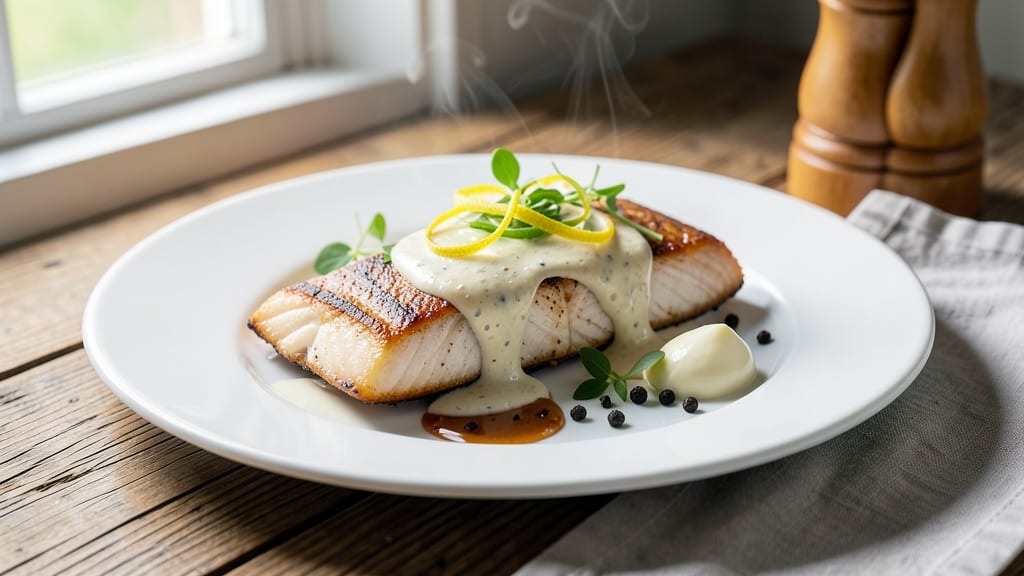
This baked fish in cream sauce transforms simple fillets into a restaurant-worthy masterpiece with just a few key techniques. The secret lies in gently baking the fish until it flakes effortlessly—no dry edges or overcooking—while the white wine cream sauce simmers into a velvety blanket of flavor.
I perfected this dish after years of testing, ensuring every bite delivers that perfect balance of tender fish and rich, aromatic sauce.
The recipe begins with a simple seasoning of the fish—just salt, pepper, and a touch of lemon to brighten the natural flavor—before it bakes to flaky perfection in the oven.
Meanwhile, the sauce develops in the same pan, where butter, flour, and white wine create a smooth base that thickens with heavy cream and fresh herbs. The result? A dish that feels indulgent yet remains light enough for a weeknight dinner.
What makes this recipe truly special is how the sauce clings to the fish, creating a luxurious mouthfeel with every bite. The white wine adds brightness, while thyme and parsley lend earthy depth, making this dish versatile enough for both casual dinners and special occasions.
Serve it with roasted asparagus or crusty bread to soak up every last drop of that creamy sauce.
This baked fish recipe is a game-changer for pescatarians and seafood lovers alike—elegant yet approachable, with a technique that’s easy to master. The key is patience: letting the fish cook just long enough to become tender without falling apart.
Once you try it, you’ll never go back to plain baked fish again.
Ingredients for baked fish in cream sauce
Simple ingredients create restaurant-worthy fish with velvety white wine cream sauce.
| Ingredient | Amount | Notes |
|---|---|---|
| White Fish Fillets 🐟 | 1 ½ lb | Cod, halibut, or tilapia preferred |
| Unsalted Butter 🧈 | 4 tbsp | European-style preferred for flavor |
| All-Purpose Flour 🌾 | 2 tbsp | For sauce thickening |
| Dry White Wine 🍷 | ½ cup | Sauvignon Blanc or Pinot Grigio |
| Heavy Cream 🥛 | 1 cup | Full-fat for richness |
| Fresh Lemon 🍋 | 1 whole | Zest and juice for brightness |
| Fresh Thyme 🌿 | ¼ cup | Leaves only, stems removed |
| Fresh Parsley 🌿 | ¼ cup | Chopped for garnish |
| Garlic Cloves 🧄 | 3 cloves | Minced for sauce |
| Kosher Salt 🧂 | 1 ½ tsp | Diamond Crystal preferred |
| Ground Black Pepper 🌶️ | ½ tsp | Freshly ground |
| Olive Oil 🫒 | 1 tbsp | For fish preparation |
The fish is the star—look for firm, translucent fillets with no fishy odor. Whole Foods or Trader Joe's carry excellent options like cod or halibut, which stay flaky when baked properly. If using frozen, thaw overnight in the fridge—never at room temperature. The butter matters too: Plugrá or European-style adds nutty depth that regular butter can't match. For the wine, any dry white works, but Sauvignon Blanc or Pinot Grigio give the best acid balance to cut through the cream.
No white wine? Fish or vegetable stock with a splash of lemon juice works in a pinch, though the flavor won't be identical. Fresh herbs are ideal, but dried thyme at one-third the amount gets you close if needed. The flour should be sifted first to avoid lumps in the sauce—trust me on this. For extra richness, add 1 tbsp of crème fraîche at the end, though it's not required. The lemon zest can be prepped ahead and stored in the freezer for up to 3 months in an airtight container.
The sauce thickens as it cooks, so don't rush it—simmer until it coats the back of a spoon. If it separates, whisk in 1 tsp cornstarch mixed with cold water. Leftovers keep for 3 days in the fridge, but the sauce may thicken further. To reheat, add 1-2 tbsp of milk or water and warm gently. For meal prep, portion the fish and sauce separately—reheat the sauce first, then the fish to prevent drying. The sauce also freezes beautifully for up to 3 months, though the texture may change slightly upon thawing.
Why You'll Love This Recipe
- One-Pan Magic: I swear by this for nights when I’m too tired to wash dishes. Just toss the fish and sauce in a baking dish, pop it in the oven, and walk away—no stovetop babysitting required.
- Wine-Infused Richness: That splash of dry white wine in the sauce? It’s the secret weapon. It cuts through the cream’s heaviness and leaves you with a bright, velvety finish that tastes like a fancy restaurant—without the fuss.
- Weeknight to Dinner Party: Same recipe, different vibes. Serve it with crusty bread for a lazy Tuesday supper or drizzle it over roasted potatoes for a showstopper at your next gathering. The sauce clings to everything like a dream.
- Leftovers That Don’t Suck: Between us, most creamy fish dishes turn into a soggy mess the next day. Not this one. The sauce thickens just enough to reheat beautifully—perfect for lunches or a quick reheat when you’re too tired to cook.
Step-by-step instructions for baked fish in cream sauce
Here's how to create delicate, flaky fillets with a silky wine-cream sauce that clings perfectly.
Prepare the Fish Fillets
Pat the 1.5 lb white fish fillets completely dry with paper towels—this ensures crisp edges and prevents steam from poaching the fish. Place them on a wire rack set over a baking sheet to allow air circulation on all sides. Season both sides generously with 1 tsp kosher salt and ¼ tsp ground black pepper, pressing gently so the seasoning adheres.
Drizzle lightly with 1 tablespoon olive oil and rub it evenly over the surfaces. This creates a subtle barrier that helps the fish brown beautifully in the oven. Let the fillets sit at room temperature for 10 minutes—this ensures even cooking and prevents chilling the oven when you bake.
Create the Wine-Cream Sauce Base
In a medium saucepan, melt 2 tablespoons unsalted butter over medium heat until foaming. Whisk in 2 tablespoons all-purpose flour and cook for 1-2 minutes until the mixture forms a smooth paste and smells nutty. This roux is the foundation of your sauce.
Gradually pour in the ½ cup dry white wine, whisking constantly to prevent lumps. Bring to a gentle simmer and cook for 3-4 minutes until the liquid reduces by half and the sauce thickens slightly. You'll see it coat the back of a spoon—this is your signal to proceed to the next ingredient.
Build Flavor with Aromatics
Add the 3 minced garlic cloves and ¼ cup fresh thyme leaves to the sauce. Cook for 30 seconds until fragrant—you should smell bright, herbal notes. Immediately remove from heat and stir in the 1 cup heavy cream. The sauce will look silky and pale, with just a hint of thickness.
Zest the whole fresh lemon (about 1 teaspoon zest) and add it to the sauce along with ½ teaspoon kosher salt. The lemon zest adds a bright, citrusy note that cuts through the richness of the cream. Keep the sauce warm over low heat while you prepare the fish.
Bake the Fish to Perfection
Preheat your oven to 375°F. Carefully transfer the prepared fillets to a parchment-lined baking sheet, leaving space between them. Bake for 12-15 minutes until the fish is just opaque in the center and flakes easily with a fork. Overcooking is the enemy here—you want it to hold together slightly when first removed from the oven.
Here's the key: the fish should reach an internal temperature of 140°F (measured at the thickest part). When you gently press the center, it should feel firm but yield slightly—this ensures perfect flakiness without dryness. Remove the fish and tent loosely with foil to keep warm.
Combine and Finish
Pour the warm wine-cream sauce over the baked fish, spooning it generously over the top and around the edges. Return the baking sheet to the oven for 2-3 minutes to let the sauce heat through and cling to the fish. This brief reheating ensures the sauce coats every flake perfectly.
Garnish with the remaining ¼ cup chopped fresh parsley and a final squeeze of lemon juice from the whole lemon. Serve immediately with crusty bread or roasted vegetables to soak up every last drop of that velvety sauce. The contrast of crisp bread against the tender fish and rich sauce makes this dish truly special.
Pro Tips For Making Baked Fish In Cream Sauce
- Dry the Fish First: Pat those fillets thoroughly with paper towels—no wet spots—before baking. I learned this the hard way when my fish turned out soggy instead of crisp. Wet skin = sauce soaking in like a sponge.
- Melt Butter Slowly: Heat the butter for the sauce over medium-low until it foams but doesn’t brown. Too hot, and you’ll burn the flour before it even thickens. I used to rush this and ended up with a grainy mess.
- Deglaze with Wine: Pour that white wine into the pan immediately after removing the fish—while the butter still has flavor. Scrape every bit of browned bits off the bottom. Skipping this step means missing half the flavor.
- Finish with Cream Heat: Warm the heavy cream separately until steaming, then stir it into the sauce off the heat. This keeps it silky instead of curdling. I was skeptical until I tried it—now it’s non-negotiable.
Creative variations of these flavors
Lemon-Caper Twist
Brighten the classic cream sauce by adding 2 tablespoons capers and 1 teaspoon lemon juice to the finished sauce. The briny capers cut through the richness while the extra lemon adds a zesty punch.
I like to add them during the final 2 minutes of sauce simmering so they stay vibrant. This variation works especially well with firm white fish like cod or halibut. 🍋
Herb-Infused Cream
For a fragrant twist, infuse the heavy cream with ½ cup fresh herbs (a mix of thyme, parsley, and tarragon) by gently heating the cream with the herbs for 5 minutes before whisking them out.
Strain through a fine-mesh sieve to remove any bits, then proceed with the recipe as usual. This technique adds an aromatic depth that feels luxurious. 🌿
Mushroom & Thyme
Sauté ½ cup sliced mushrooms (cremini or shiitake) with the garlic in Step 3 for added earthiness. The mushrooms release their umami flavors into the sauce, creating a deeper, more complex profile.
I recommend using 8 oz mushrooms for the best texture and flavor balance. This variation pairs beautifully with buttery fish like scallops or salmon. 🍄
Spicy Kick
Add a subtle heat by stirring in ½ teaspoon red pepper flakes or 1 teaspoon hot sauce (like Cholula) during the final sauce step. For a smoky twist, add ½ teaspoon smoked paprika to the flour-butter roux. This works especially well with mild fish like tilapia or flounder. 🌶️
Creamy Dill Sauce
Swap thyme for ¼ cup fresh dill and add 1 teaspoon dill seeds to the sauce for a bright, herby flavor reminiscent of Scandinavian cuisine. The dill pairs beautifully with fish like salmon or trout, offering a fresh contrast to the richness.
Use the same technique as the herb-infused cream variation. 🌱
Cheesy Cream Sauce
For a decadent twist, stir in ¼ cup grated Gruyère or Parmesan cheese during the final sauce step. The cheese melts into the sauce, adding a nutty depth that complements the cream perfectly. This variation feels especially indulgent when served with crusty bread. 🧀
Nutrition facts
Frequently asked questions
Can I use frozen fish for this recipe?
Yes, but thaw it properly first! Place the frozen fillets in the refrigerator overnight (about 12-24 hours) to ensure even cooking. Never thaw at room temperature, as this can promote bacterial growth. Pat the fish completely dry before seasoning and baking to prevent a watery sauce.
What's the best fish to use for this cream sauce?
Firm, mild white fish work best—cod, halibut, or tilapia are ideal choices. They hold their shape well and have a delicate flavor that pairs beautifully with the creamy sauce. Avoid fish with strong flavors like salmon or tuna, as they may overpower the delicate white wine base.
Why did my sauce turn out too thick?
This usually happens if you over-reduced the wine or didn't whisk the cream in gently. To fix it, stir in 1-2 tablespoons of warm milk or water while whisking constantly. For next time, remove the sauce from heat as soon as you add the cream to prevent over-thickening. The sauce should coat the back of a spoon but still be pourable.
Can I make this recipe ahead of time?
Prepare the sauce up to 2 days ahead and store it in the refrigerator. Reheat gently over low heat, adding a splash of milk if it thickens too much. For the fish, bake it fresh and reheat the sauce separately, then combine just before serving to maintain the perfect texture. This dish is even better the second day!
How do I prevent the fish from drying out?
The key is proper timing and temperature. Bake at 375°F for 12-15 minutes max—any longer risks drying. Use a meat thermometer to check for 140°F internal temp. Also, pat the fish completely dry before seasoning and bake on a wire rack to allow air circulation. Tent with foil if it starts browning too quickly.