
Sauces & Condiments
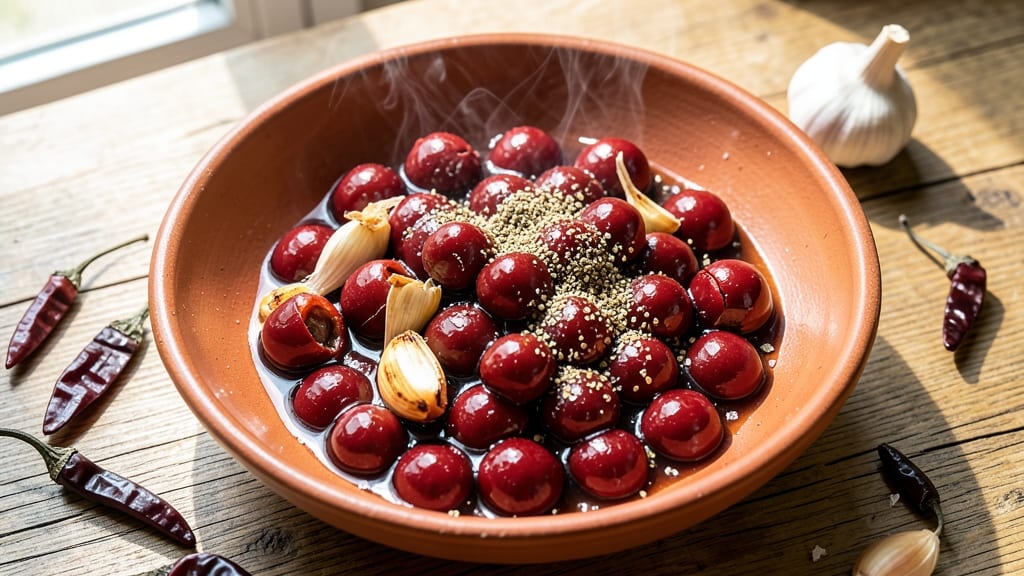
This ball chili sauce recipe transforms simple ingredients into a bold, balanced condiment that bridges sweetness and heat—perfect for drizzling over noodles, stir-fries, or dipping wings. The secret lies in slow simmering chili peppers, vinegar, and sugar until they meld into a glossy, sticky sauce with layers of flavor.
I developed this version after craving a sauce that wasn’t just spicy, but complex—where the sweetness lingers just long enough to tame the burn.
The process starts with toasting the spices to deepen their aroma, then simmering everything in a single pot until the mixture reduces to a thick, syrupy consistency. No blender required—just patience and occasional stirring to prevent sticking.
The result? A sauce that’s glossy, clingy, and packed with umami, where the heat builds gradually rather than overwhelming. It’s the kind of condiment that turns ordinary dishes into something memorable.
What makes this sauce truly versatile is its ability to adapt—use it as a dipping sauce for spring rolls, a glaze for grilled meats, or a finishing drizzle over ramen. The balance of sweet, tangy, and spicy flavors ensures it works in both bold and delicate dishes.
Best of all, it keeps well in the fridge for up to two weeks, so you can make a big batch and enjoy it throughout the week.
For those who love heat but crave depth, this recipe delivers restaurant-quality results without the fuss. The slow simmering process allows the flavors to develop fully, while the vinegar and sugar create a perfect harmony.
Whether you’re a home cook or a seasoned chef, this sauce is a game-changer for adding dimension to your meals. Let’s get started!
Ingredients for ball chili sauce
Ten ingredients, one unforgettable sauce—where sweetness and heat dance in perfect harmony.
| Ingredient | Amount | Notes |
|---|---|---|
| Dried Red Chili Peppers 🌶️ | ½ cup | Crushed for texture, like ancho or guajillo |
| White Vinegar 🍶 | 1 cup | White or apple cider vinegar preferred |
| Granulated Sugar 🍚 | ½ cup | Light brown sugar for deeper caramel notes |
| Garlic Cloves 🧄 | 6 cloves | Peeled, lightly toasted for aroma |
| Ground Cumin 🌿 | 1 tbsp | Toasted for deeper, earthier flavor |
| Ground Coriander 🌿 | 1 tsp | Freshly ground preferred |
| Salt 🧂 | 1 ½ tsp | Diamond Crystal kosher salt |
| Extra-Virgin Olive Oil 🫒 | 2 tbsp | High-quality, fruity variety |
| Fresh Ginger 🌿 | 1 tbsp | Grated, for subtle heat and depth |
| Water 💧 | 1 cup | Filtered or spring water preferred |
The chili peppers are the soul of this sauce, so choose wisely. Ancho or guajillo peppers give a deep, fruity heat, while bird’s eye peppers bring fiery intensity. Trader Joe’s carries great dried chilis in bulk, and if you can’t find them, penzeys.com ships worldwide. Toast the spices in a dry pan until fragrant—this step unlocks their full potential. The garlic and ginger should be freshly grated or toasted, as pre-minced versions lose their punch quickly. For the sugar, light brown adds subtle caramel notes that balance the vinegar’s acidity beautifully.
No dried chilis? Fresh red jalapeños or serranos work in a pinch, but you’ll need about twice the amount since they’re milder when raw. Substitute apple cider vinegar for white if you prefer a fruity tang, though white vinegar’s sharpness helps cut through the sweetness. Running out of cumin? Smoked paprika at half the amount adds depth without the earthiness. The olive oil should be high-quality extra-virgin—cheap oil will make the sauce taste flat. For a smoother texture, strain the sauce through a fine-mesh sieve after simmering, but trust me, the slight texture is part of the charm.
This sauce keeps up to two weeks in the fridge, sealed tightly in a glass jar. The flavors actually improve over time as the ingredients meld further—perfect for making a big batch. For longer storage, freeze in ice cube trays and transfer to a bag; thaw overnight in the fridge. The sauce thickens as it cools, so add a splash of water or vinegar if it becomes too stiff. Drizzle over ramen, grilled meats, or spring rolls—it’s the ultimate flavor booster that turns simple dishes into restaurant-worthy experiences.
Why You'll Love This Recipe
- No-Sweat Simplicity: I swear by this recipe because it’s the kind of sauce that doesn’t demand your attention. Soak those dried chilies overnight, then toss everything into a pot—no blending, no straining, just simmer until the flavors meld. Honestly, I’ve made it while scrolling through my phone.
- Sweet Heat Magic: That perfect balance of vinegar’s tang, sugar’s caramelized kick, and cumin’s earthy warmth? It’s what makes this sauce dangerously addictive. The garlic cloves, lightly toasted before adding, give it a depth that turns everyday meals into something special.
- Pantry Staple Power: Between us, this sauce is my secret weapon for lazy nights and last-minute gatherings. Drizzle it over grilled chicken, toss it into rice, or use it as a marinade—it works everywhere. And since it keeps for weeks in the fridge, I’m always stocked.
- Budget-Friendly Flex: I make a big batch because it’s cheap to produce and lasts forever. A handful of dried chilies and a few spices stretch into gallons of sauce, and the sugar-vinegar combo cuts costs without sacrificing flavor. Plus, it’s the kind of thing you’ll reach for again and again.
Step-by-step instructions for layered heat and sweetness in ball chili sauce
This sauce delivers a perfect balance of smoky depth and bright acidity—every step builds complexity.
Toast and Prepare the Chili Peppers
Heat a dry skillet over medium heat and add the 0.5 cup dried red chili peppers. Toast them for 2-3 minutes, stirring constantly, until they darken slightly and release their aromatic oils. This step deepens their smoky character—don't let them burn, or they'll turn bitter.
Remove the peppers from the heat and transfer them to a heatproof bowl. Pour the 1 cup white vinegar over them, ensuring they're completely submerged. Let them steep for 15 minutes while you prepare the remaining ingredients. This soaking softens the peppers and infuses the vinegar with their fiery essence, creating the sauce's foundational brightness.
Build the Spice Base with Garlic and Ginger
In the same skillet (no need to clean it—the flavor compounds are gold), add the 2 tbsp extra-virgin olive oil over medium heat. Once the oil shimmers, add the 6 peeled garlic cloves and the 1 tbsp freshly grated ginger. Sauté for 2-3 minutes until the garlic turns golden and fragrant, but not browned—this prevents bitterness and ensures a smooth, aromatic foundation.
Immediately add the 1 tbsp ground cumin and 1 tsp ground coriander, stirring for 30 seconds to toast the spices. This quick toasting enhances their earthy notes and removes any raw flavors. The spices should smell warm and inviting—like a spice market in the morning. Remove the skillet from heat and set it aside.
Combine and Simmer for Depth
In a medium saucepan, combine the steeped chili peppers (with their vinegar), the toasted garlic-ginger-spice mixture, the 0.5 cup granulated sugar, the 1.5 tsp salt, and the 1 cup water. Bring the mixture to a gentle boil over medium-high heat, then reduce the heat to low and let it simmer uncovered for 20-25 minutes. Stir occasionally to prevent sticking and ensure even cooking.
As it simmers, the sugar will caramelize slightly, creating a glossy sheen on the surface and a subtle sweetness that balances the heat. The sauce should thicken gradually, coating the back of a spoon. Taste it after 15 minutes—if it's too sharp, add a pinch more sugar; if it's too sweet, a splash of vinegar will rebalance it. The goal is a sauce that dances between sweet, smoky, and tangy.
Strain and Finish for Silky Texture
Once the sauce has thickened to your liking, remove it from the heat and let it cool for 5 minutes. Then, strain it through a fine-mesh sieve into a clean bowl, pressing gently on the solids to extract every drop of flavor. Discard the solids—they've done their job. The strained sauce should be smooth, vibrant, and glossy, with a deep red hue that hints at its layered complexity.
Taste and adjust the seasoning one final time. If it needs more heat, add a pinch of cayenne; if it's too thin, simmer it uncovered for another 5 minutes to reduce further. Transfer the sauce to a clean jar and let it cool completely before sealing. This sauce keeps for up to 2 weeks in the refrigerator, where its flavors will continue to meld and deepen.
Pro Tips For Making Ball Chili Sauce
- SOAK PEPPERS OVERNIGHT: I learned this the hard way—dried chilies straight from the jar won’t soften properly, no matter how long you simmer. Toss them in hot water for 10 minutes first, then let them soak in fresh water overnight. They’ll plump up, release their oils, and blend into a smoother, richer sauce—no gritty surprises.
- BLANCH GARLIC FIRST: Raw garlic burns fast and turns bitter in vinegar-heavy sauces. Drop whole cloves in boiling water for 30 seconds, then shock in ice water. Peel them immediately—they’ll slide right off. This keeps the flavor bright and prevents that harsh, cooked-on taste.
- STIR CONSTANTLY AT FIRST: The first 5 minutes of simmering are when sugar and vinegar react most aggressively. If you walk away, you’ll end up with scorched bits at the bottom that ruin the whole batch. Keep a wooden spoon moving—even if it feels tedious, it’s the only way to avoid a lumpy, burnt mess.
- ADD CUMIN LAST: Ground cumin loses its earthy punch when cooked too long. Sprinkle it in during the final 2 minutes of simmering, just to warm through. This keeps the flavor fresh and vibrant, not dull or bitter—trust me, it makes a real difference.
Regional styles of this dish
Chinese Cantonese Style
In Cantonese cuisine, ball chili sauce is often called la jiao jiang (辣椒酱) and features a thicker, chunkier texture with fermented black beans (about 2 tbsp) added for umami depth. The sauce is typically served with dumplings, noodles, or congee, where its bold flavors cut through the richness.
I like to add 1 tbsp soy sauce and 1 tsp fermented black vinegar to this version for extra complexity. The heat is balanced with more sugar (⅔ cup) to create a syrupy consistency perfect for drizzling. 🌶️
Thai-Inspired Variations
Thai ball chili sauce leans into bright citrus notes with the addition of 2 tbsp lime juice and 1 tbsp fish sauce for a salty-sweet balance. I swap white vinegar for rice vinegar and reduce the sugar to ⅓ cup to keep the heat more prominent.
Fresh Thai bird’s eye chilies (about 1 tbsp, finely chopped) are simmered directly in the sauce for a fiery kick. This version pairs beautifully with grilled meats, satay, or fresh spring rolls. 🍋
Korean Gochujang Fusion
For a Korean twist, blend 2 tbsp gochujang (Korean chili paste) into the finished sauce for a fermented, slightly sweet heat. I also add 1 tsp sesame oil and 1 tsp toasted sesame seeds for nutty depth.
The vinegar is reduced to ¾ cup, and the sugar stays at ½ cup to maintain balance. This sauce is perfect for bulgogi, kimchi pancakes, or as a dipping sauce for mandu (dumplings). The texture becomes slightly grainy, adding another layer of interest. 🌿
Vietnamese Chấm Sauce Twist
In Vietnam, this sauce evolves into a nuoc cham-inspired condiment by adding 1 tbsp shrimp paste and 1 tsp shrimp powder for a briny, oceanic note. The vinegar is increased to 1¼ cups, and the sugar is reduced to ⅓ cup to keep the sauce tangy and sharp.
Fresh cilantro (¼ cup, chopped) and green onions (2 tbsp, sliced) are stirred in at the end for freshness. This version is ideal for pho, banh mi, or as a dipping sauce for fresh herbs and rice paper rolls. ✨
American BBQ Glaze Adaptation
For a smoky, sweet glaze, I reduce the vinegar to ½ cup and add 1 tbsp smoked paprika and 1 tsp liquid smoke to the simmering mixture. The sugar is bumped up to ⅔ cup, and 1 tbsp molasses is stirred in for a deeper caramelized flavor.
This sauce works as a glaze for ribs, pulled pork, or grilled chicken, adding a sticky, spicy-sweet crust. The heat is milder but still present, making it family-friendly while delivering bold flavor. 🔥
Nutrition facts
Frequently asked questions
Can I make this ball chili sauce without dried chilies?
Use 1-2 fresh red jalapeños or serranos instead, finely chopped. For extra heat, add 1-2 Thai bird’s eye chilies. Simmer them directly in the sauce for 10 minutes before straining. Fresh chilies add brightness but require more time to soften—don’t skip the simmer!
How do I adjust the heat level in this sauce?
For milder heat, reduce the simmering time to 15 minutes and strain out more solids. For extra spice, add ½ tsp cayenne pepper or 1-2 extra dried chilies during toasting. Always taste as you go—adjust gradually to avoid overpowering the sweet-tangy balance.
Why did my sauce turn out too thin?
Sauce thickness depends on simmering time and liquid reduction. If yours is too thin, return it to low heat and simmer uncovered for another 5-10 minutes, stirring occasionally. For immediate thickening, mix 1 tsp cornstarch with 1 tbsp water and stir it in while hot. Patience is key—rushing leads to runny results!
What’s the best way to store and reheat this sauce?
Store in an airtight glass jar in the fridge for up to 2 weeks. For reheating, transfer to a small saucepan and warm over low heat for 2-3 minutes, stirring constantly. Avoid microwaving—it can make the sauce grainy. If it thickens too much after refrigeration, thin with a splash of vinegar or water.
Can I use this sauce in cold dishes?
Yes! Its bold flavors work beautifully in cold dishes like summer rolls, fresh spring roll bowls, or chilled noodle salads. The vinegar and sugar prevent spoilage, but always store it in the fridge for up to 2 weeks when using in cold applications. Drizzle just before serving to maintain freshness.