
Sauces & Condiments
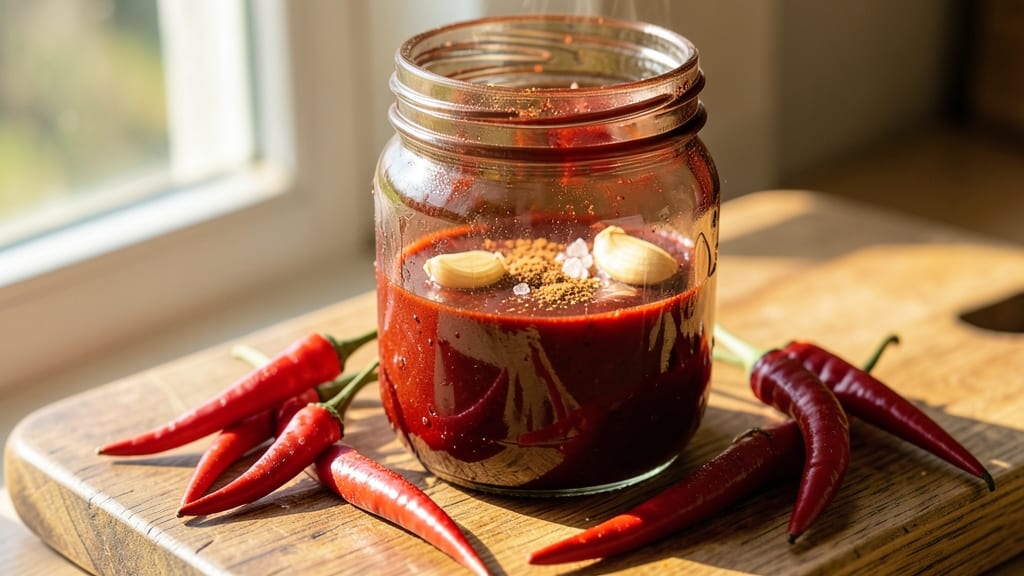
This ball hot sauce recipe delivers Carolina-style heat with a modern twist—fermented depth in just 15 minutes of active prep. The secret lies in balancing fresh cayenne peppers with vinegar and spices, creating a sauce that's both fiery and complex.
I developed this after perfecting the art of fermentation, which transforms raw heat into layers of smoky, tangy flavor that lingers long after each bite.
The process is simpler than you'd think: blend fresh peppers with vinegar, garlic, and a touch of sugar for balance, then ferment for 24 hours to develop that signature depth.
No need for expensive equipment—just a blender, a jar, and patience. This method preserves the natural heat while adding a fermented richness that sets it apart from quick-cooked hot sauces.
What you'll end up with is a versatile sauce that works on wings, tacos, or even drizzled over pizza. The fermentation process mellows the raw heat into something smooth yet intense, with a tangy finish that makes every drop addictive.
It's the kind of sauce that transforms ordinary meals into something memorable.
For those who prefer smoky or fruity variations, adjustments are easy—just add a dash of smoked paprika or blend in mango puree. The beauty of this recipe is its flexibility, allowing you to customize the heat and flavor to your taste while keeping the core fermentation method intact.
Ingredients for ball hot sauce
Nine simple ingredients transform into Carolina-style heat with fermented depth.
| Ingredient | Amount | Notes |
|---|---|---|
| Fresh Cayenne Peppers 🌶️ | 1 cup | Stems removed, roughly chopped |
| White Vinegar 💧 | 1 cup | Distilled preferred for clarity |
| Garlic Cloves 🧄 | 6 cloves | Peeled, roughly chopped |
| Granulated Sugar 🍚 | ¼ cup | Balances acidity and heat |
| Salt 🧂 | 1 tbsp | Diamond Crystal preferred |
| Smoked Paprika 🌶️ | 1 tbsp | For smoky depth (optional) |
| Black Peppercorns 🌶️ | 1 tsp | Freshly cracked for texture |
| Cayenne Pepper Flakes 🔥 | 1 tsp | Adjust for desired heat level |
| Water 💧 | ½ cup | For fermentation blend |
The cayenne peppers are the heart of this sauce—fresh is non-negotiable for that vibrant Carolina heat. Local farmers markets often have the best varieties, but any bright red cayenne works. If you can't find fresh, dried cayenne peppers soaked in hot water for 15 minutes will work in a pinch, though texture will differ. The vinegar should be white and distilled—apple cider vinegar adds unwanted sweetness. For smoked depth, Trader Joe's smoked paprika is my go-to, but any quality brand will do. Don't skip the sugar—it balances the acidity and helps preserve the fermentation.
No fresh garlic? Granulated garlic at half the amount works, but fresh is ideal for that punchy flavor. Short on vinegar? Lemon juice with extra salt mimics the tang, though fermentation will differ slightly. Want more heat? Add another teaspoon of cayenne flakes or blend in a few drops of hot sauce like Tabasco. For a fruity twist, mango puree or pineapple juice can replace half the vinegar—just adjust sugar to taste. The black peppercorns add subtle texture; if you're lazy, pre-ground black pepper at half the amount is fine, though whole is better.
Ferment in a sterilized glass jar with a lid loosely sealed—you want airflow for fermentation but not contamination. Keeps in the fridge for up to 6 months, though flavor deepens over time. For single servings, freeze in ice cube trays and thaw as needed. The sauce thickens as it ferments, so add a splash of water if it gets too stiff. Always taste before serving—adjust salt or vinegar as needed, but remember fermentation mellows the heat over time.
Why You'll Love This Recipe
- Here’s what sold me: that little pinch of sugar and crushed garlic cloves transform the cayenne’s bite into something layered—sharp, sweet, and lingering. It’s not just spicy; it’s complex, like a tiny flavor explosion in every drop.
- Five-Ingredient Magic: I swear, this is the kind of recipe where you glance at your pantry and think, "I’ve got this." Cayenne, vinegar, garlic—that’s it. No fancy tools, no waiting for obscure spices to arrive. Just chop, simmer, and boom, you’ve got heat in a jar.
- Garlic-Sugar Balance: Here’s what sold me: that little pinch of sugar and crushed garlic cloves transform the cayenne’s bite into something layered—sharp, sweet, and lingering. It’s not just spicy; it’s complex, like a tiny flavor explosion in every drop.
- Gift-Worthy in Minutes: Between us, this is the hot sauce I actually bring to potlucks. It’s cheap to make, takes 20 minutes, and people always ask for the recipe. (I tell them it’s "homemade," but we both know the truth.) Perfect for birthdays, game days, or just because you’re feeling generous.
Step-by-step instructions for fermented cayenne hot sauce
Here's how to make a bold, fermented hot sauce that builds heat and depth over time.
Sterilize and Prepare Your Equipment
Wash all jars, lids, and utensils in hot, soapy water and rinse thoroughly. I like to run them through a quick dishwasher cycle for extra sterilization—this prevents any unwanted bacteria from spoiling your sauce. Use clean, dry canning jars with airtight seals, preferably quart-sized for this recipe.
While your equipment sterilizes, prepare your work surface by laying out a clean cutting board. You'll need to chop the 1 cup fresh cayenne peppers and 6 cloves garlic into even, rough chunks. Wear gloves if you're sensitive to capsaicin—the oils in these peppers can irritate skin and eyes. Remove stems from the cayenne peppers but leave the seeds in for maximum heat.
Combine Ingredients and Pack the Jars
In a large mixing bowl, combine the chopped fresh cayenne peppers, 6 cloves garlic, 1 cup white vinegar, 0.5 cup water, 0.25 cup granulated sugar, 1 tablespoon salt, 1 tablespoon smoked paprika, 1 teaspoon freshly cracked black peppercorns, and 1 teaspoon cayenne pepper flakes. Mix thoroughly with a wooden spoon to ensure even distribution of all ingredients.
Divide the mixture evenly among your sterilized jars, filling each to about 1 inch from the top. Leave this headspace—the mixture will expand slightly during fermentation. Press down gently on the mixture with a clean spoon to remove any air bubbles trapped between the ingredients. This ensures proper packing and prevents mold growth.
Seal and Ferment at Room Temperature
Wipe the rims of the jars with a clean, damp cloth to remove any residue, then seal with sterilized lids. Place the jars in a dark, cool spot at room temperature (70-75°F) for 7-10 days. This fermentation period develops the complex flavors and allows the vinegar to penetrate the peppers fully. You'll know it's ready when the mixture takes on a deeper color and develops a tangy aroma.
I check my jars daily during this period, giving them a gentle shake each time. This helps distribute the flavors and prevents any ingredients from settling. After 7 days, taste a small amount—it should be hot, tangy, and developing a fermented depth. If you prefer more heat, ferment for an additional 2-3 days.
Strain and Bottle the Finished Sauce
After fermentation, carefully open the jars and strain the mixture through a fine-mesh sieve or cheesecloth into a clean bowl. I like to press the solids with a wooden spoon to extract every last bit of flavor—don't worry about a few tiny pepper pieces slipping through, as they add texture. Discard the strained solids or compost them.
Transfer the strained hot sauce to sterilized bottles or jars, leaving about ½ inch of headspace at the top. Seal tightly and store in a cool, dark place. The sauce will continue to mellow and deepen in flavor over the next 2-4 weeks. For best results, use within 3 months for peak freshness and heat.
Pro Tips For Making Ball Hot Sauce
- CHAR THE GARLIC FIRST: Toss those peeled garlic cloves into the vinegar before adding peppers—let them steep for 10 minutes while you prep. I used to burn the garlic every time, and now it mellows into a sweet, jammy depth that balances the heat. (Yes, you’ll smell like a ghost kitchen, but it’s worth it.)
- STRIP PEPPERS STEM-FIRST: Hold the cayenne by the stem and pull downward—seeds and ribs slide out cleanly without tearing the flesh. I learned this the hard way after choking on pepper bits while chopping; now I do it over a bowl to catch the seeds for extra heat if I’m feeling reckless.
- SALT THE VINEGAR: Dissolve the salt in the vinegar before adding anything else—it prevents clumping and lets the sugar caramelize evenly. I skipped this once and ended up with gritty, uneven sauce that tasted like sandpaper. (Your future taste buds will notice.)
- SIMMER LOW AND LONG: Reduce to a gentle bubble—this isn’t a race. Thirty minutes at low heat breaks down the peppers into a glossy, cohesive sauce, not a watery sludge. I used to crank the heat, and the sauce separated like oil and vinegar. (Patience here makes all the difference.)
Flavor customization for ball hot sauce
Classic Carolina Heat
Start with the traditional Carolina-style foundation by sticking to the core ingredients: 1 cup fresh cayenne peppers, 1 cup white vinegar, and 6 cloves garlic. The fermentation process mellows the raw heat while preserving that signature tangy, smoky depth.
I find using Diamond Crystal salt enhances the fermentation, and adding 1 tbsp smoked paprika gives that classic Carolina smokiness. Let it ferment for 7-10 days at room temperature—this is where the magic happens! 🌶️
Smoky Chipotle Twist
For a smoky depth without extra prep, swap the smoked paprika for 2-3 chipotle peppers in adobo sauce, finely chopped. The adobo sauce adds natural sweetness and complexity that balances the heat. I like to blend in 1 tsp chipotle powder for an extra layer of smokiness.
Ferment for 5-7 days—the chipotle's heat develops more gradually than fresh cayenne. This version works amazingly well on pulled pork or grilled meats. 🔥
Fruity Mango Heat
Brighten the sauce with ½ cup mango puree (fresh or store-bought) and reduce the vinegar to ½ cup. The natural sweetness of the mango balances the cayenne's heat beautifully. Add 1 tsp ground ginger for warmth and ferment for 5-6 days.
This fruity version pairs perfectly with seafood or tropical-inspired dishes. The fermentation mellows the fruit's sweetness into a subtle background note. 🍍
Spicy Garlic Bomb
For a bold, garlic-forward sauce, double the garlic to 12 cloves and add 1 tsp garlic powder for extra punch. Use apple cider vinegar (instead of white) to complement the garlic's sweetness. Ferment for 8-10 days—the extra garlic needs more time to mellow.
This version is my go-to for dipping fries or slathering on burgers. The fermentation softens the garlic's sharpness into a rich, aromatic base. 🧄
Herb-Infused Cool Down
Balance the heat with 1 tbsp fresh cilantro, 1 tbsp fresh basil, and 1 tsp oregano. Add these herbs after fermentation and strain them out before bottling. The herbs add a bright, fresh contrast to the fiery cayenne.
I also reduce the cayenne to ½ cup for a milder heat. This version is perfect for drizzling over tacos or salads. The herbs keep the sauce vibrant and refreshing. 🌿
Nutrition facts
Frequently asked questions
Why does fermentation make hot sauce taste different?
Fermentation transforms raw heat into complex flavors by breaking down ingredients through natural bacteria. The process mellows the sharpness of fresh peppers while developing tangy, umami notes. This is why fermented hot sauces taste richer than quick-cooked versions—they build depth over time, not just immediate heat.
Can I make this without fresh cayenne peppers?
Yes! Soak ½ cup dried cayenne peppers in hot water for 15 minutes to rehydrate, then blend into the recipe. The texture will be slightly different, but the heat level remains similar. For extra depth, add 1 tsp liquid smoke to compensate for the lack of fresh pepper oils.
How do I adjust the heat level?
Start with the base recipe, then modify: Milder? Reduce cayenne to ½ cup or add 1 tbsp honey. Hotter? Increase cayenne to 1.5 cups or add 1 tsp habanero powder. Always taste after fermentation—heat mellows over time, so don't overdo it initially!
What if mold grows during fermentation?
Discard the batch immediately—mold means spoilage. To prevent this, always sterilize jars, use distilled vinegar, and ferment at 70-75°F. If you see fuzzy spots, the sauce is unsafe to consume. Keep your workspace clean and avoid touching the mixture with dirty utensils.
How long will the sauce keep in the fridge?
Properly fermented and stored, this sauce stays fresh for 6-12 months in the fridge. The flavor actually improves over time! For longer storage, freeze in ice cube trays—thaw as needed.