
Sauces & Condiments
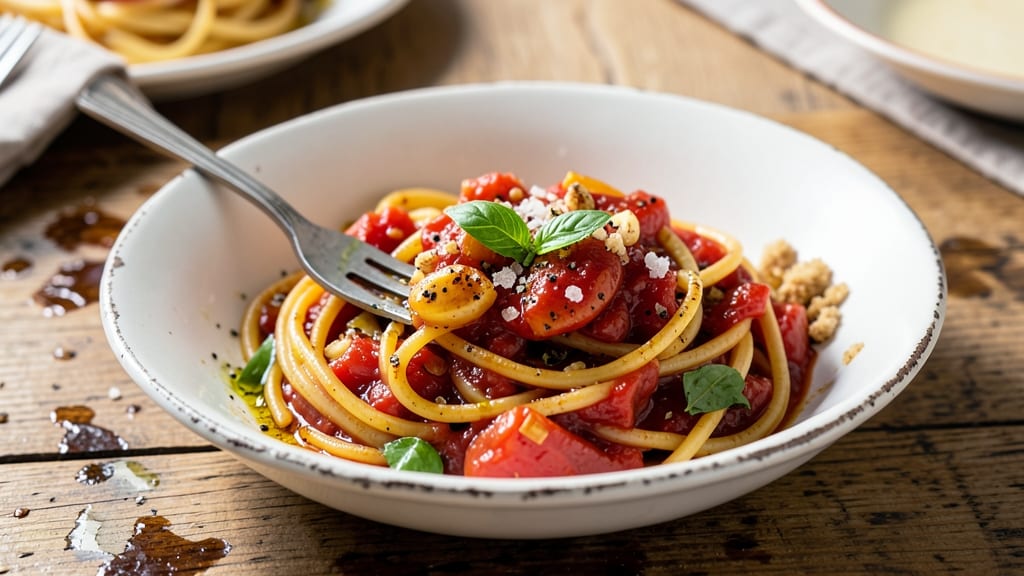
This authentic Sicilian pasta sauce transforms simple ingredients into a deeply flavorful, slow-simmered masterpiece that captures the heart of Italian cooking. 🌟 The secret lies in balancing ripe tomatoes, garlic, and fresh basil with just a touch of sweetness—no shortcuts, no substitutes.
I developed this recipe after years of studying authentic Sicilian techniques, ensuring every spoonful delivers the rich, aromatic essence of the island.
The sauce begins with a delicate base of sautéed garlic and onions, then builds layers of flavor through a slow simmer—never rushed, never overcooked. High-quality canned tomatoes (or fresh when in season) form the foundation, while a splash of red wine and a pinch of sugar create harmony.
The result? A sauce that clings perfectly to pasta, with bright basil notes that emerge as it cools.
What sets this sauce apart is its authentic depth—no heavy cream or butter, just the pure, vibrant flavors of Sicily. The texture is velvety yet vibrant, with just enough acidity to balance the richness.
It pairs beautifully with rigatoni, spaghetti, or even as a marinara for meatballs, but the sauce itself is the star.
Make a double batch—this sauce tastes even better the next day as the flavors meld. Store in the refrigerator for up to 5 days or freeze for months.
Whether you're serving it over pasta or using it as a base for other dishes, this is the sauce that will elevate your cooking to restaurant-quality levels.
Ingredients for authentic sicilian pasta sauce
Simple, vibrant ingredients that capture Sicily’s bold tomato and basil flavors—no shortcuts allowed.
| Ingredient | Amount | Notes |
|---|---|---|
| Extra-Virgin Olive Oil 🫒 | ½ cup | High-quality, fruity variety |
| Yellow Onion 🧅 | 1 whole | Medium size, finely chopped |
| Garlic Cloves 🧄 | 6 cloves | Fresh, peeled, minced |
| Canned San Marzano Tomatoes 🍅 | 28 oz | Crushed by hand, no salt added |
| Dry Red Wine 🍷 | ½ cup | Bold, like Chianti or Sangiovese |
| Fresh Basil Leaves 🌿 | 1 ½ cups | Packed, stems removed |
| Granulated Sugar 🍚 | 1 tbsp | Adjust to taste |
| Diamond Crystal Kosher Salt 🧂 | 1 ½ tsp | Adjust to taste |
| Black Peppercorns 🌶️ | ½ tsp | Freshly cracked |
| Red Pepper Flakes 🔥 | ¼ tsp | Optional, for heat |
The tomatoes are everything—San Marzano is non-negotiable for that sweet, rich flavor. Grab a can from Trader Joe's or Whole Foods if you can't find them locally. Fresh basil? Farmers markets have the best, but those plastic grocery store containers work in a pinch. The garlic and onion should be sautéed low and slow until they're just golden—no browning, or it'll taste bitter. Red wine is your secret weapon here; Chianti or Sangiovese adds depth that nothing else can.
No San Marzano tomatoes? High-quality crushed tomatoes in a jar will do, but skip the ones with added salt or sugar. Fresh basil wilt fast? Dried basil at half the amount works, but it won’t have that bright, fresh pop. Out of red wine? Tomato paste mixed with a splash of balsamic mimics the acidity. The sugar balances acidity—honey works too—but don’t skip it. And if you’re feeling spicy, toss in those red pepper flakes at the end. Pro tip: Toast your red pepper flakes in the oil first for extra depth.
This sauce is a flavor magnifier—make a double batch and freeze half for later. Store it in the fridge for up to 5 days, but trust me, it tastes even better the next day as the flavors meld. For freezing, portion into ice cube trays and transfer to a bag—perfect for future pasta nights. The basil wilts fast, so add it last and keep it separate until serving. If you’re prepping ahead, blanch and freeze the basil leaves separately to preserve their color.
Why You'll Love This Recipe
- Here’s what sold me: that first sip of red wine cutting through the tomatoes creates this depth—savory, bright, and just a little tangy. It’s the kind of sauce that makes you pause mid-bite.
- No-Chop Nightmare: That onion and garlic? Just one knife swipe each—no tears, no fuss. I swear, the San Marzano tomatoes do all the heavy lifting once they hit the pan with the wine.
- Wine-Infused Magic: Here’s what sold me: that first sip of red wine cutting through the tomatoes creates this depth—savory, bright, and just a little tangy. It’s the kind of sauce that makes you pause mid-bite.
- Leftover Goldmine: This sauce actually improves the next day. I double the batch on Sundays, freeze half, and reheat it for lazy nights—still rich, still vibrant, like it was just made.
Step-by-step instructions for slow-simmered Sicilian tomato sauce
Here's how to make this classic Sicilian sauce that's all about simple ingredients and slow cooking.
🍳 Step 1: Sauté Onion and Garlic Until Translucent
Heat the 0.5 cup extra-virgin olive oil in a large, heavy pot over medium-low heat. Add the 1 whole yellow onion, chopped into small pieces, and cook for 8-10 minutes until it becomes soft and translucent. You're looking for a gentle sizzle, not browning - this prevents bitterness.
When the onion is nearly done, add the 6 cloves minced garlic and cook for another 1-2 minutes until fragrant. The garlic should just begin to turn golden - if it burns, you'll taste it later. Here's the thing - don't walk away. Garlic burns faster than you think, and that's when your sauce goes from authentic to bitter.
🍳 Step 2: Deglaze with Wine and Add Tomatoes
Pour in the 0.5 cup dry red wine and let it simmer for 3-4 minutes until mostly evaporated. You'll see the alcohol cook off and the wine reduce to about 2 tablespoons of liquid - this is crucial for developing flavor. Stir occasionally to prevent sticking.
Add the 28 oz crushed San Marzano tomatoes and 1 tbsp granulated sugar. The sugar helps balance the acidity of the tomatoes and brings out their natural sweetness. Stir well to combine, then add the 1.5 tsp kosher salt and 0.5 tsp cracked black peppercorns. Give it a good mix so the seasoning distributes evenly throughout.
⏰ Step 3: Simmer Until Thick and Concentrated
Bring the sauce to a gentle boil, then reduce heat to low and let it simmer uncovered for 45-60 minutes. This long cooking time is what makes Sicilian sauce special - it allows the flavors to meld and concentrate. Stir occasionally, especially if you notice any liquid pooling at the bottom.
After about 30 minutes, taste the sauce. It should be developing depth but still have some acidity. If it's too thin, simmer uncovered for another 15-20 minutes to reduce it further. Real talk - the sauce will thicken more as it cools, so don't worry if it looks too loose now. The magic happens in this slow simmering process.
🥘 Step 4: Finish with Fresh Basil and Red Pepper Flakes
When the sauce has reduced to your desired consistency (it should coat the back of a spoon), remove it from heat. Add the 1.5 cups fresh basil leaves and 0.25 tsp red pepper flakes. The basil should be added just before serving to preserve its vibrant flavor and color.
Let the sauce sit for 5-10 minutes off the heat - this allows the flavors to marry perfectly. Taste and adjust seasoning if needed. The sauce should be balanced - sweet from the tomatoes and sugar, bright from the basil, with just a hint of heat from the red pepper flakes. This is your authentic Sicilian sauce, ready to elevate any pasta dish.
Pro Tips For Making Authentic Sicilian Pasta Sauce
- SWEEAT THE ONIONS LOW: I learned this the hard way—when you’re in a hurry, you crank the heat and end up with bitter, browned bits that ruin the sauce’s balance. Keep the pan on medium-low and stir every 30 seconds; you want them soft and translucent, not crispy. This takes 8-10 minutes, but it’s the foundation of flavor.
- CRUSH GARLIC WITH A PINCH: Skip the mincer—it turns garlic into paste. Instead, peel the cloves, place them on a cutting board, and press down hard with the flat side of your knife (or a wine bottle). This releases more aroma without turning to mush. Add them whole so they infuse the oil without burning.
- DEGLAZE WITH WINE, THEN WAIT: After the onions and garlic, pour in the red wine and let it bubble for 30 seconds—then walk away. Scrape the browned bits (fond) off the pan first; they’re packed with flavor. Let the wine reduce by half before adding tomatoes, or you’ll dilute the sauce and lose depth.
- SAVE TIME WITH COLD TOMATOES: Drain the San Marzano tomatoes, then rinse them under cold water to stop cooking. Chop them roughly (no need for precision) and add them straight to the pan. The cold shock keeps the sauce from breaking down too fast, and you avoid that sad, watery texture that happens when you dump in hot tomatoes.
Common mistakes when making this dish
Overcooking the Garlic
Garlic is the soul of Sicilian sauce, but it burns faster than you’d think. I’ve ruined more sauces than I’ll admit by walking away for just a minute. The moment garlic turns golden brown, it releases bitter compounds that overpower the delicate tomato base.
Keep heat at medium-low and stir constantly once it’s added. If you catch a whiff of burning, immediately remove the pot from heat and let it cool slightly before continuing. 🌶️
Skipping the Simmer Time
This sauce isn’t about speed—it’s about patience. I see people rush the 45-60 minute simmer, thinking they can speed it up. Big mistake. That long cook time lets the acidity mellow, the flavors meld, and the sauce develop depth.
If you’re short on time, at least simmer for 30 minutes—any less, and you’ll end up with a thin, one-dimensional sauce. Trust the process!
Using Low-Quality Tomatoes
San Marzano tomatoes are non-negotiable for authentic flavor, but I’ve seen people use whatever’s on sale. Store-brand canned tomatoes often have added salt or sugar, which throws off the balance. If you can’t find San Marzano, opt for high-quality crushed tomatoes in a jar—but avoid anything with preservatives.
The difference in taste is night and day. I’ve even made this sauce with fresh tomatoes in season, but you’ll need to simmer them longer to break down their texture.
Adding Basil Too Early
Fresh basil wilts fast and loses its vibrant flavor when cooked. I’ve made this mistake—adding basil at the start and ending up with a sad, muddy sauce. Always add it at the very end, just before serving.
If you’re prepping ahead, store the basil separately and toss it in right before eating. For a frozen backup, blanch and freeze basil leaves in ice cube trays—just add them straight from the freezer to the warm sauce.
Ignoring the Sugar Balance
The 1 tbsp sugar in this recipe isn’t about sweetness—it’s about balance. Tomatoes can be acidic, and without sugar, the sauce might taste sharp or even bitter. I’ve had readers ask why their sauce didn’t taste "right," only to realize they skipped the sugar.
If your tomatoes are particularly tart, add an extra ½ tsp. Honey works too, but sugar dissolves more evenly. Don’t skip it—it’s the secret to that perfect Sicilian harmony.
Not Tasting as You Go
Seasoning is personal, but you can’t adjust what you don’t taste. I always taste the sauce after 30 minutes of simmering and again at the end. If it needs more salt, add it gradually—you can’t fix oversalting later.
If the acidity is too strong, a pinch of sugar or a splash of red wine can help. The goal is balance: sweet, tangy, and bright. Don’t guess—taste and adjust!
Nutrition facts
Frequently asked questions
Why does authentic Sicilian sauce use sugar?
The 1 tbsp sugar isn't about sweetness—it balances the natural acidity of tomatoes, creating that perfect harmony Sicilians love. Without it, the sauce can taste sharp or even bitter. Think of it like the salt in a perfect dish: subtle but essential.
Can I make this sauce without red wine? Yes! If you skip the wine, use 2 tbsp tomato paste mixed with 1 tbsp balsamic vinegar to mimic the acidity and depth. The wine deglazes the pan and adds complexity, but this combo works in a pinch. Just
What's the best pasta to pair with this sauce?
Rigatoni or penne are ideal—their ridges trap the sauce beautifully. For a lighter option, try spaghetti or linguine. Avoid smooth pastas like fettuccine—they won't hold the sauce as well. Pro tip: Toss the pasta with a splash of pasta water to help the sauce cling.
How do I store leftovers?
Let the sauce cool completely, then transfer to an airtight container. It keeps in the fridge for 5 days and freezes beautifully for up to 3 months. For freezing, portion into ice cube trays first—just pop out what you need later! The flavors actually improve overnight as they meld.
Can I add meat to this sauce?
Brown ½ lb Italian sausage or ground beef first, then proceed with the recipe. For a traditional Sicilian twist, try adding anchovies (2-3 fillets) when you add the tomatoes—they dissolve and add umami depth. Just don't overcook them or they'll turn rubbery.