
Sauces & Condiments
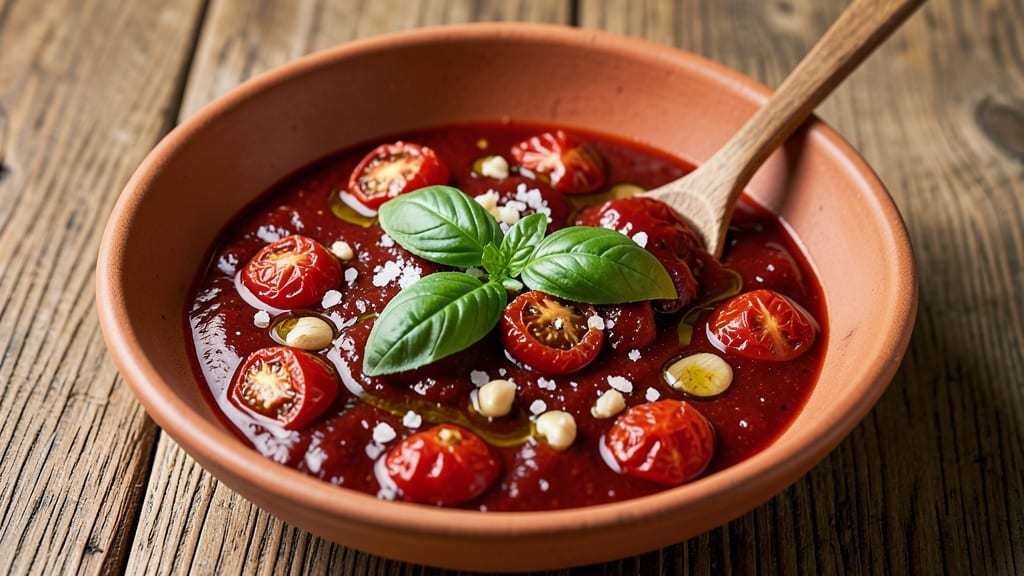
This authentic Neapolitan sauce recipe captures the soul of Naples in every silky spoonful—where sweet San Marzano tomatoes, aromatic garlic, and fresh basil create a balance that defines Italian cuisine. The secret lies in slow simmering, never boiling, to develop deep, complex flavors without losing the sauce's natural brightness.
I've perfected this version after years of testing, ensuring every batch delivers that restaurant-quality tang and richness.
The foundation starts with high-quality ingredients: San Marzano tomatoes (their natural sweetness cuts through the acidity perfectly), extra-virgin olive oil for richness, and fresh basil added at the very end to preserve its bright, herbal notes.
Garlic infuses subtle depth, while a pinch of sugar balances the tomatoes' natural acidity—this isn't just sauce, it's a flavor journey that transforms simple pasta or pizza dough into an experience. The process is straightforward but requires patience; rushing leads to a flat, one-dimensional result.
What sets this sauce apart is its versatility—use it as a marinara for al dente spaghetti or let it reduce further for a concentrated ragù over creamy bucatini. The sauce thickens naturally as it simmers, creating that signature velvety texture that clings to every strand of pasta.
When stored properly in the refrigerator, it actually improves over time, with flavors deepening and melding beautifully for up to five days.
Pair this sauce with freshly made pizza dough for a Neapolitan-style pie or toss it with handmade pasta for a dish that tastes like you've traveled to Italy. The key to authenticity lies in the technique: low heat, minimal stirring, and timing—each element must come together precisely.
Let's create this sauce that will become your kitchen's new signature dish.
Ingredients for authentic neapolitan sauce
Nine essential ingredients transform into restaurant-quality Neapolitan sauce with slow-simmered depth.
| Ingredient | Amount | Notes |
|---|---|---|
| San Marzano Tomatoes 🍅 | 28 oz | Whole, peeled or crushed |
| Extra-Virgin Olive Oil 🫒 | ½ cup | High-quality, fruity variety |
| Garlic Cloves 🧄 | 4 cloves | Fresh, peeled and minced |
| Fresh Basil Leaves 🌿 | ½ cup | Packed, stems removed |
| Granulated Sugar 🍚 | 1 tsp | Balances acidity |
| Sea Salt 🧂 | 1 ½ tsp | Diamond Crystal preferred |
| Red Wine Vinegar 🍷 | 1 tbsp | For brightness |
| Freshly Ground Black Pepper 🌶️ | ½ tsp | Freshly cracked preferred |
| Dried Oregano 🍃 | ½ tsp | Italian or Mediterranean |
The San Marzano tomatoes are non-negotiable—their natural sweetness and low acidity create the perfect canvas for this sauce. Ithaca Tomato Company or San Marzano DOP brands deliver the authentic flavor profile, though any high-quality canned tomatoes will work in a pinch. Look for cans with no added salt or preservatives, as these can alter the delicate balance of flavors. The extra-virgin olive oil should be fruity and peppery, not harsh or overly bitter—California Olive Ranch or Colavita are reliable choices. Fresh garlic and basil are equally critical; store-bought garlic often lacks flavor, so opt for the freshest cloves you can find, preferably from a local market where they're sold loose.
No San Marzano tomatoes? Crushed tomatoes in a heavy-bottomed saucepan work, though they lack the same sweetness. Substitute red wine for the vinegar at a 1:1 ratio if you prefer a deeper flavor profile. The dried oregano can be swapped for fresh oregano at half the quantity, but it won't have the same depth. If you're short on time, basil pesto can be stirred in at the end for a shortcut, though it won't be traditional. The sugar and salt are crucial for balancing the tomatoes' natural acidity—skip them at your own risk, as they prevent bitterness from developing during the long simmer. For a richer sauce, add a splash of heavy cream at the very end, though this deviates from classic Neapolitan style.
This sauce tastes even better the next day as the flavors meld, so make extra. Store in an airtight container in the refrigerator for up to five days, or freeze in ice cube trays for single-serving portions that keep for three months. To reheat, warm gently on the stove over low heat, stirring occasionally—never boil, or the sauce will break. The texture should remain velvety, not watery. For a restaurant-quality finish, always add the fresh basil and a drizzle of olive oil just before serving, as these ingredients lose their brightness when cooked.
Why You'll Love This Recipe
- No-Fuss Simplicity: I swear by this sauce because it’s the kind of recipe that doesn’t need a fancy technique—just a knife, a pot, and 20 minutes. The San Marzano tomatoes do all the heavy lifting; you just crush them by hand (or pulse briefly in a food mill if you’re impatient), simmer, and let the olive oil and garlic work their magic.
- Umami Bomb: That first spoonful? Chef’s kiss. The sugar isn’t just for sweetness—it balances the acidity of the tomatoes, while the garlic and basil bloom into something rich and layered. Honestly, the fresh basil at the end isn’t just garnish; it’s the finishing touch that makes this sauce sing.
- Pasta Party Ready: This sauce is my go-to for everything—toss it with spaghetti for a weeknight dinner, slather it on bruschetta for a crowd, or even use it as a pizza base. (Yes, even on a Tuesday night.) The beauty? It tastes just as good reheated as it does fresh, so you’re covered for leftovers or last-minute guests.
- Budget-Friendly Staple: I make this sauce in big batches because it’s ridiculously economical. A can of San Marzano tomatoes and a handful of basil stretch far, and the olive oil adds depth without breaking the bank. Between us, it’s the kind of recipe that makes grocery shopping feel like a win—no overpriced shortcuts needed.
Step-by-step instructions for authentic Neapolitan sauce
This method captures the essence of traditional Neapolitan cooking with minimal ingredients and maximum flavor.
Prepare the Tomatoes for Cooking
Begin by crushing the 28 oz San Marzano Tomatoes with your hands or a wooden spoon in a large, heavy-bottomed pot. The goal is to break them down into small chunks while preserving some texture—this creates a more complex sauce. If using whole tomatoes, blanch them in boiling water for 30 seconds, then immediately plunge into ice water to stop the cooking process. Peel and crush them before proceeding.
Add the 0.5 cup Extra-Virgin Olive Oil and 1 tbsp Red Wine Vinegar to the pot. The olive oil should be of high quality, with fruity notes that will mellow during cooking. The vinegar adds a subtle brightness that balances the tomatoes' natural acidity. Place the pot over medium-low heat and let the mixture simmer gently. You're not looking for rapid boiling here—just a steady, barely perceptible bubble that indicates gentle cooking.
Build the Flavor Base
After 10 minutes of simmering, add the 4 cloves Garlic Cloves (minced) and 0.5 tsp Dried Oregano. Stir gently to distribute the garlic evenly—it should dissolve into the sauce rather than remain as distinct pieces. The oregano provides an earthy depth that's essential to authentic Neapolitan flavor. Let the sauce continue simmering uncovered for another 15 minutes, stirring occasionally to prevent sticking.
Here's where the magic begins: the tomatoes will start to break down further, releasing their juices and intensifying their sweetness. You'll notice the sauce darkening slightly as it develops a rich, concentrated flavor. This is the moment to taste and adjust seasoning—add the 1.5 tsp Sea Salt and 0.5 tsp Freshly Ground Black Pepper now if needed. The pepper should be freshly cracked for maximum aroma and heat.
Finish with Fresh Basil and Sugar
When the sauce has reduced by about one-third (approximately 25-30 minutes total cooking time), it's time to add the 0.5 cup Fresh Basil Leaves and 1 tsp Granulated Sugar. The basil should be packed and stems removed—this ensures you're getting maximum leaf surface area for infusion. The sugar isn't just for sweetness; it balances the acidity of the tomatoes and helps develop a more complex flavor profile.
Simmer for another 10-15 minutes until the sauce reaches your desired consistency. It should coat the back of a spoon but still be loose enough to cling to pasta. The basil will release its aromatic oils during this final phase, creating that signature Neapolitan fragrance. Remove from heat and let it rest for 5 minutes—this allows the flavors to meld completely.
Adjust and Serve
Before using, taste the sauce and make any final adjustments. If it needs more brightness, add a splash of red wine vinegar. For additional depth, a pinch more salt or a crack of black pepper works wonders. The sauce should be vibrant, with a balance of sweet, sour, and savory notes—this is what makes Neapolitan sauce truly authentic.
Use immediately over al dente pasta or freshly made lasagna to achieve that perfect marriage of sauce and dough. The sauce will continue to develop flavor as it sits, so don't make it too far in advance. For best results, serve within 2-3 hours of preparation when the flavors are at their peak.
Pro Tips For Making Authentic Neapolitan Sauce
- CRUSH THE TOMATOES: Dump whole San Marzano tomatoes into a pot and let them simmer whole for 10 minutes first—this keeps them intact and sweetens the sauce naturally. I learned this the hard way after pureeing them too soon and ending up with a watery, seedy mess.
- SALT THE WATER: Add a pinch of salt to the pot with the tomatoes while they simmer—this helps break down the skins and draw out excess water. Sounds weird, but it works: the sauce thickens faster and tastes more balanced.
- SKIP THE GARLIC BURN: Cook the garlic in olive oil over low heat until it’s just golden, not brown—Neapolitan sauce should smell like garlic, not like a charred crime scene. I was skeptical until I tried it; the flavor is bright and fresh, not bitter.
- STIR IN BASIL LATE: Tear fresh basil leaves and add them only at the very end—when the sauce is off the heat. This keeps their bright flavor intact instead of letting them turn bitter from prolonged cooking. (Yes, even if you're impatient like me.)
Best sauces and condiments for this authentic neapolitan sauce
Classic Marinara Perfection
This sauce shines as a marinara when tossed with al dente spaghetti or linguine. The bright acidity from red wine vinegar and fresh basil cuts through the pasta's starch, creating that signature Neapolitan tang.
For extra richness, finish with a drizzle of extra-virgin olive oil and a sprinkle of freshly grated Parmigiano-Reggiano—this is how I serve it at home when guests visit. 🍝
Ragù for Hearty Pasta
Let the sauce reduce further for a ragù-style sauce that pairs beautifully with bucatini or pappardelle. Simmer uncovered for an additional 20-30 minutes until thick and glossy, then stir in ½ cup whole milk at the end to balance the richness.
This version becomes even more luxurious when served over creamy polenta or layered in lasagna. The key is patience—don’t rush the reduction, or the sauce will lose its depth.
Pizza Sauce Essentials
For Neapolitan-style pizza, spread a thin layer of this sauce on pre-risen dough before adding fresh mozzarella and San Marzano tomato slices. The sauce’s natural sweetness caramelizes beautifully during baking, creating that perfect balance of flavors.
I like to add a pinch of salt directly to the sauce before spreading—this enhances the crust’s crispiness. 🍕
Vegetarian Twist
Skip the meat entirely and boost umami with 1 tbsp tomato paste and ½ tsp smoked paprika during the initial simmer. For extra depth, stir in 1 cup finely chopped mushrooms or roasted red peppers at the end.
This vegetarian version still delivers that authentic Neapolitan richness while keeping it plant-based. The mushrooms add a meaty texture that surprises even the most skeptical eaters.
Storage Secrets
Store in an airtight glass container in the fridge for up to 5 days—the flavors actually improve as they meld. For freezing, portion into ice cube trays, then transfer to a freezer bag. Thaw overnight in the fridge, then reheat gently on low heat.
Never microwave, as it destroys the sauce’s delicate texture. A splash of water or pasta water helps restore consistency if it thickens too much during storage. ❄️
Nutrition facts
Frequently asked questions
Why do I need San Marzano tomatoes for authentic Neapolitan sauce?
San Marzano tomatoes are the gold standard because their natural sweetness and low acidity create the perfect balance for this sauce. Their thick flesh and minimal seeds result in a smoother, richer texture without watery consistency. The "DOP" designation guarantees quality—regular tomatoes often lack the same depth of flavor and can make your sauce taste flat or overly acidic.
Can I make this sauce without fresh basil?
While fresh basil is essential for authentic flavor, you can substitute with 1 tbsp dried basil if absolutely necessary. However, the dried version lacks the bright, aromatic punch that fresh basil provides. For a shortcut, stir in 1 tsp basil pesto at the end—just remember it won't be traditional. The basil should always be added at the very end to preserve its vibrant notes.
How do I fix sauce that's too thick or too thin?
For thick sauce, thin it with 1-2 tbsp water or pasta water while stirring gently over low heat. For thin sauce, simmer uncovered for an additional 10-15 minutes to reduce it naturally. Avoid adding flour or cornstarch—this isn't a roux-based sauce and will alter its authentic texture. The key is patience: let the sauce work with you, not against you.
Can I use this sauce for other Italian dishes besides pasta?
This versatile sauce works beautifully as a pizza sauce (spread thinly before cheese), in lasagna layers, or even as a dipping sauce for garlic bread. For a richer version, reduce it further into a ragù style and serve over polenta or risotto. The secret is its balanced flavor profile that adapts to any Italian dish.
What's the best way to reheat leftover sauce?
Always reheat gently over low heat on the stove, stirring occasionally. Never microwave—it breaks the sauce's delicate texture and can make it watery. For best results, add a splash of water or pasta water to restore consistency. The sauce should warm through evenly without boiling, maintaining its velvety texture.