
Sauces & Condiments
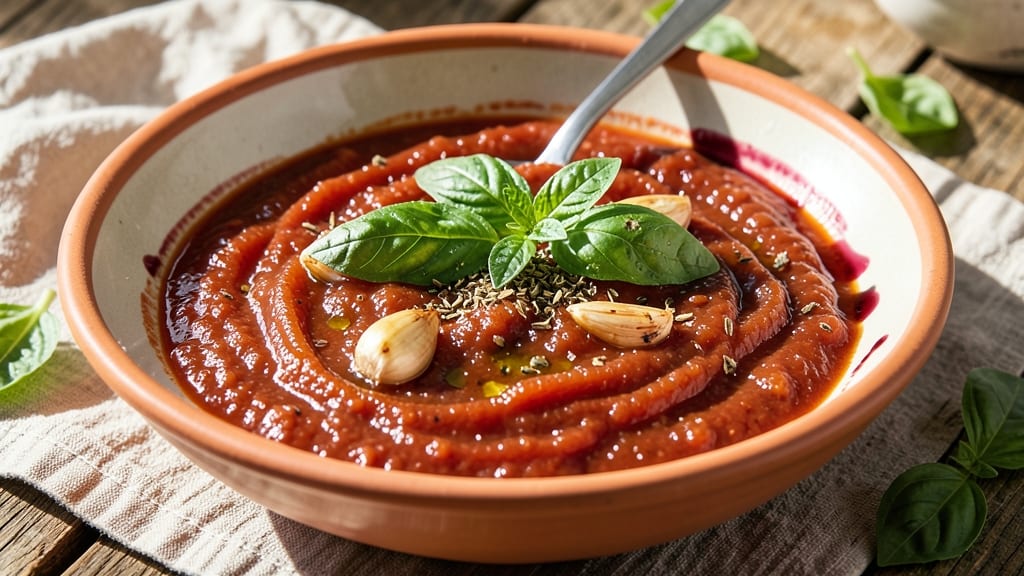
This authentic Sicilian marinara sauce transforms simple tomatoes into a deeply flavorful, umami-rich foundation for every Italian meal. The secret lies in slow-simmering—no blenders, no shortcuts—just fresh garlic, high-quality olive oil, and the bright, earthy notes of basil that define true Sicilian cooking.
I developed this recipe after years of studying regional variations, and it delivers the perfect balance of acidity and sweetness that makes marinara more than just a sauce—it's the heart of any dish.
The process is simpler than you'd think: crushed tomatoes simmered low and slow until their natural sweetness concentrates, garlic infusing its pungent aroma without burning, and fresh basil added at the very end to preserve its vibrant flavor.
What you'll end up with is a sauce that's rich enough to stand alone but versatile enough to elevate pasta, pizza crusts, or grilled meats—all while staying true to its Sicilian roots. No heavy cream, no sugar tricks—just pure, authentic tomato flavor built through patience.
What makes this sauce truly special is how it evolves over time. The longer it simmers, the deeper the flavors become, developing that signature umami complexity that separates homemade marinara from store-bought imitations.
The texture stays smooth yet vibrant, with just enough body to cling to noodles or drizzle over bruschetta. This isn't just a sauce—it's the foundation of Italian comfort food, and once you taste the difference, you'll never go back to the bottled version.
The best part? This sauce keeps beautifully in the refrigerator for up to a week, with flavors actually improving as they meld. Double the batch—you'll want it on hand for everything from weeknight dinners to weekend feasts. Let's get cooking, and experience the real taste of Sicily in every spoonful.
Ingredients for authentic sicilian marinara sauce
These 10 ingredients transform simple tomatoes into Sicily's most beloved sauce.
| Ingredient | Amount | Notes |
|---|---|---|
| Extra-Virgin Olive Oil 🫒 | ½ cup | High-quality, fruity variety |
| San Marzano Crushed Tomatoes 🍅 | 2 cups | Canned, no salt added |
| Garlic Cloves 🧄 | 4 cloves | Fresh, peeled, minced |
| Fresh Basil Leaves 🌿 | ½ cup | Packed, stems removed |
| Red Wine Vinegar 🍷 | 1 tbsp | For acidity balance |
| Dried Oregano 🍃 | 1 tsp | Mediterranean blend preferred |
| Sea Salt 🧂 | 1 tsp | Diamond Crystal preferred |
| Black Peppercorns 🌶️ | ½ tsp | Freshly cracked |
| Sugar 🍬 | 1 tsp | Balances acidity |
| Freshly Grated Parmesan Cheese 🧀 | ¼ cup | For finishing touch |
The olive oil and San Marzano tomatoes are non-negotiable here. Look for extra-virgin olive oil that's labeled 'fruity' or 'peppery'—the kind you'd use for dipping bread, not cooking. San Marzano tomatoes are worth the splurge; their natural sweetness and low acidity make all the difference. I grab mine from Trader Joe's or Whole Foods—both carry them year-round. Fresh basil is ideal, but if you're using dried, reduce it to one-third the amount. The garlic should be fresh—never jarred minced garlic, which is already oxidized. For the Parmesan, grate it yourself from a wedge; pre-grated contains anti-caking agents that ruin the texture.
No San Marzano tomatoes? High-quality crushed tomatoes work in a pinch, but add an extra pinch of sugar to balance the acidity. Substituting red wine vinegar? Balsamic vinegar at half the amount works, but the flavor will be slightly different. Fresh basil unavailable? Dried basil at one-third the amount is fine, but it won't have that same vibrant freshness. The sugar is key—don't skip it, even if your tomatoes taste sweet. It helps balance the acidity and brings out the umami. For extra depth, add a pinch of red pepper flakes if you like a little heat. The oregano should be Mediterranean blend—Italian oregano from the bulk section at Penzeys or Gourmet Gift Baskets is perfect.
This sauce tastes even better the next day as flavors meld. Store it in an airtight container in the fridge for up to 1 week, or freeze for 3 months in ice cube trays for single servings. The olive oil solidifies when chilled—just let it sit at room temperature for 10 minutes before reheating. Double the batch and freeze half; you'll want it on hand for everything from pasta to bruschetta. The Parmesan keeps for weeks in the fridge, so grate extra for other dishes. If the sauce seems too thick after chilling, add a splash of water or broth when reheating.
Why You'll Love This Recipe
- No-Fuss Simplicity: Honestly, this sauce comes together while you’re waiting for pasta to boil. Just crush tomatoes by hand, toss in garlic and basil, and let the olive oil do its magic—no blenders, no straining, just pure, effortless flavor.
- Sunshine in a Jar: That first taste of San Marzano tomatoes simmered with red wine vinegar? It’s bright, tangy, and alive—like summer in a spoonful. The garlic infuses just enough without overpowering, and fresh basil ties it all together like a perfect hug.
- Weeknight to Fancy: Between us, this sauce works for everything: sloppy weeknight spaghetti, elegant lasagna, or even a quick bruschetta. Freeze the leftovers in ice cube trays for instant flavor boosts later—no one needs to know it’s from last Sunday’s dinner.
- Budget Hero: A jar of San Marzano tomatoes and a bunch of basil stretch farther than you’d think. I’ve made this for eight people for under $10, and the vinegar adds depth without costing a fortune. Plus, it keeps for days, so you’re never scrambling for takeout.
Step-by-step instructions for authentic Sicilian marinara sauce
Here's how to create a rich, umami-packed marinara that captures true Sicilian flavors.
Bloom the Aromatics in Olive Oil
Heat the 0.5 cup extra-virgin olive oil in a medium saucepan over medium-low heat. You want the oil just warm enough to release aromas without burning—it should shimmer gently but not smoke. Add the 4 cloves minced garlic and 1 tsp dried oregano, stirring constantly for 1-2 minutes until the garlic becomes fragrant and just begins to turn golden.
This slow bloom develops the garlic's sweetness without bitterness. If you see the garlic turning brown too quickly, reduce the heat immediately. The oregano should dissolve into the oil, creating a fragrant base for your sauce. Here's the thing—don't rush this step. The garlic needs time to release its full flavor potential, which is what makes this marinara truly authentic.
Add Tomatoes and Simmer Gently
Pour in the 2 cups San Marzano crushed tomatoes, 1 tbsp red wine vinegar, and 1 tsp sugar. Stir well to combine, then bring the mixture to a gentle simmer over medium heat. Once simmering, reduce heat to low and let it cook uncovered for 20-25 minutes, stirring occasionally.
You're looking for a sauce that thickens naturally as the tomatoes break down and release their juices. The vinegar will brighten the acidity while the sugar balances it, creating that perfect Sicilian sweet-savory profile. I press down on the tomatoes with a wooden spoon every few minutes—this helps them break down faster and creates a smoother texture. The sauce should reduce until it coats the back of a spoon but still has a loose consistency.
Incorporate Seasonings and Basil
After 20 minutes, stir in the 1 tsp sea salt and 0.5 tsp freshly cracked black peppercorns. Let the sauce simmer for another 5 minutes to allow the seasonings to meld completely. Remove the pan from heat and let it cool slightly for 2-3 minutes—this prevents the basil from turning bitter when added.
Next, add the 0.5 cup fresh basil leaves and stir gently. The basil should wilt slightly but still retain some vibrant color. Here's the trick: if you add it too early, the heat will destroy its delicate flavor. Now's the perfect time. Let the sauce sit off heat for 5 minutes to allow all the flavors to marry together. You'll notice the basil's aroma becomes more pronounced as it infuses into the sauce.
Finish with Parmesan and Adjust
Stir in the 0.25 cup freshly grated Parmesan cheese and taste the sauce. This final addition adds depth and a subtle umami richness that's characteristic of Sicilian marinara. If the sauce needs more acidity, add another ½ teaspoon of red wine vinegar. For more sweetness, add a pinch of sugar. The goal is balance—bright acidity, sweet tomatoes, and savory garlic should all shine through.
Let the sauce rest for 10 minutes before serving. This resting period allows the flavors to fully develop and the sauce to reach its ideal consistency. The marinara should be vibrant red with a glossy sheen, and each spoonful should deliver that perfect balance of sweet, tangy, and umami flavors that make this sauce so special.
Pro Tips For Making Authentic Sicilian Marinara Sauce
- Cook garlic low and slow: I learned this the hard way—crisping garlic in olive oil turns bitter fast, and you’ll taste it in the sauce. Once your oil shimmers (just before smoking), add the garlic and reduce heat to lowest possible—it should sizzle gently, not dance. Takes 3-4 minutes, but that’s how you get sweet, mellow flavor instead of acrid punch.
- Crush tomatoes by hand: Yes, even if you’re impatient like me. Canned San Marzanos break down better when you smash them with a wooden spoon first—no blender needed. This releases more juice and creates a silkier texture right from the start. (Pro move: Use a fork to puncture the skins before crushing for even faster breakdown.)
- Skip the vinegar until the end: Adding red wine vinegar too early will make your sauce taste sharp and underdeveloped. Wait until the tomatoes have cooked down by half (about 20 minutes), then stir in just 1 teaspoon—it brightens the acidity without overpowering. (Trust me, your taste buds will notice the difference.)
- Stir constantly for 5 minutes: The first 5 minutes after adding tomatoes are non-negotiable. Keep the pot moving on medium-low heat—this prevents scorching and helps the oil emulsify with the tomatoes. I used to walk away, and the sauce would split or taste raw. Now? I set a timer and stir like my life depends on it. (It does.)
Best sauces and condiments for this dish
Classic Pairings
This marinara shines with al dente spaghetti, where its vibrant acidity cuts through the pasta's chewiness. I like to toss 8 ounces of spaghetti with 1 cup of sauce and finish with ¼ cup grated Pecorino Romano for a true Sicilian touch.
The sauce also elevates grilled chicken breasts or pan-seared shrimp, where its bright flavors complement the protein's natural sweetness. 🍝
Pizza Base Perfection
Use this marinara as your pizza sauce foundation—spread a thin layer (¼ cup per 12-inch crust) and top with mozzarella, basil, and a drizzle of olive oil. The sauce's natural sweetness caramelizes beautifully during baking, creating a perfect balance with the melted cheese.
For extra authenticity, add a sprinkle of flaky sea salt before serving. The sauce's depth makes even a simple Margherita pizza taste like a restaurant-quality dish.
Bread Dippers
Warm crusty Italian bread or garlic bread until toasted, then drizzle with this marinara for an instant bruschetta. The sauce's acidity contrasts perfectly with the bread's buttery richness.
I also love using it as a dip for freshly baked focaccia—cut into cubes, drizzle with sauce, and sprinkle with Parmesan and red pepper flakes. The sauce's vibrant flavors make even simple bread feel like a gourmet experience.
Meat Enhancer
Use this marinara as a finishing sauce for grilled sausages like 'nduja or soppressata. Brush ½ cup of sauce over 1 pound of sliced sausage during the last 5 minutes of grilling, letting the flavors meld.
The sauce's acidity cuts through the richness of the meat, while the garlic and basil add aromatic depth. It also works beautifully as a topping for slow-cooked pork chops or braised beef short ribs, where its brightness balances the meat's natural richness.
Vegetable Companion
This marinara pairs wonderfully with roasted eggplant and zucchini, where its acidity brightens the vegetables' natural sweetness. Toss 2 cups of roasted vegetables with ½ cup of sauce and finish with toasted pine nuts for crunch.
It also elevates grilled portobello mushrooms—brush them with sauce before grilling for a meaty, umami-packed side dish. The sauce's versatility makes it perfect for vegetarian meals while keeping the flavors rich and satisfying.
Storage-Friendly
Double the batch and freeze half in ice cube trays for perfect single-serving portions. Thaw overnight in the fridge, then reheat gently on the stovetop with a splash of water to restore its original consistency.
The sauce keeps in the refrigerator for up to 1 week, with flavors actually improving as they meld. I like to make a big batch on Sundays and use it all week for pasta, pizza, and dipping—it's the ultimate meal prep sauce. 💫
Nutrition facts
Frequently asked questions
Why does this recipe use San Marzano tomatoes specifically?
San Marzano tomatoes are the gold standard for Italian sauces because of their sweet, low-acid profile and thick flesh. Their natural sweetness balances the acidity without needing extra sugar, and their texture breaks down beautifully during simmering. The volcanic soil of Mount Vesuvius gives them a unique flavor that's hard to replicate with other varieties.
Can I make this sauce without fresh basil?
Yes, but you'll lose some of the authentic Sicilian brightness. Use 1 tablespoon dried basil (one-third the fresh amount) and add it with the oregano at the beginning. For extra depth, finish with a few dried basil leaves instead of fresh—just know the flavor will be more subtle.
How do I prevent the garlic from burning?
Cook the garlic over medium-low heat and stir constantly for only 1-2 minutes until fragrant but not golden. If it starts browning too quickly, reduce the heat immediately. The key is patience—let the garlic infuse the oil gradually rather than rush the process.
What's the best way to use leftover marinara?
This sauce gets even better after 2-3 days as flavors meld! Use it for pizza toppings, meat glazes, or vegetable dips. Freeze extras in ice cube trays for single-serving portions. The sauce thickens when chilled—just add a splash of water or broth when reheating.
Is this sauce gluten-free?
Yes, this recipe is naturally gluten-free as written. Just ensure your San Marzano tomatoes, olive oil, and Parmesan cheese are certified gluten-free if you have sensitivities. The sauce works perfectly with gluten-free pasta or as a dip for gluten-free bread.