
Sauces & Condiments
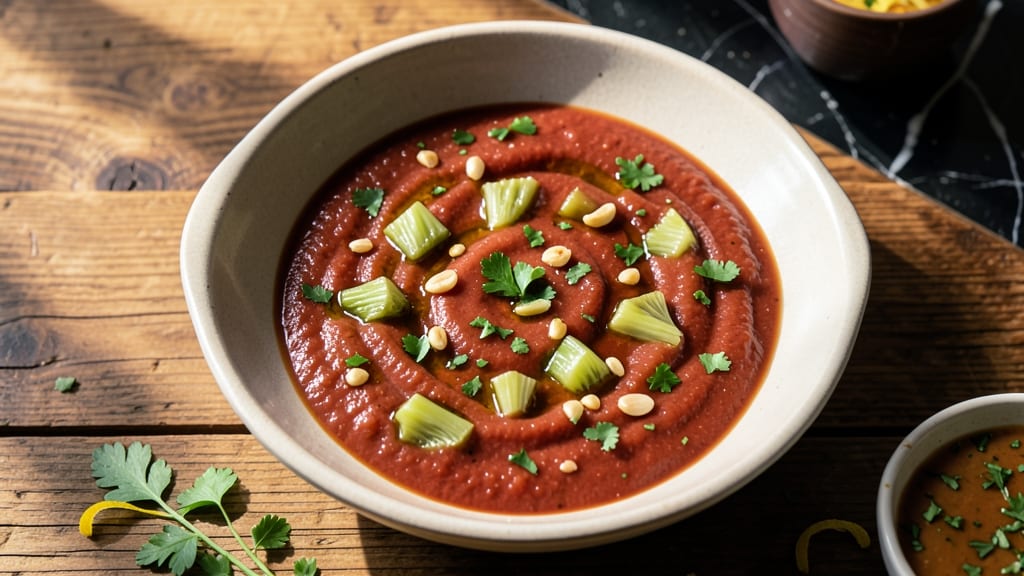
This artichoke garlic pizza sauce transforms your homemade pizza into a flavor powerhouse with its rich umami depth and bright herb notes. 🌟 The secret lies in blending tender artichoke hearts with garlic, tomato paste, and olive oil, creating a sauce that's far more complex than traditional tomato bases.
I developed this recipe after craving a pizza sauce with texture and layers—something that would elevate any pizza night without overpowering the cheese.
The sauce starts with a simple simmer of artichokes, garlic, and tomato paste, then gets blended smooth for an ultra-creamy consistency. A splash of white wine and fresh herbs (parsley and basil) add brightness, while a touch of lemon zest keeps the flavors vibrant.
This isn't just a sauce—it's a flavor bomb that turns every slice into a restaurant-worthy experience.
What makes this sauce special is its versatility. Use it as a pizza base, a pasta sauce, or even a dipping sauce for crusty bread. The artichokes add a subtle brininess that pairs perfectly with melted mozzarella, while the garlic and herbs ensure every bite is packed with flavor.
Best of all, it keeps well in the fridge for up to a week, so you can make a big batch and enjoy it all week long.
The cooking process is straightforward: simmer, blend, and adjust seasoning until it's perfectly balanced. Whether you're a pizza enthusiast or just love bold, umami-rich flavors, this sauce will quickly become a staple in your kitchen. Let's get started on creating something truly special for your next pizza night.
Ingredients for artichoke garlic pizza sauce
Nine simple ingredients create this restaurant-worthy pizza sauce with rich umami and fresh herb brightness.
| Ingredient | Amount | Notes |
|---|---|---|
| Artichoke Hearts 🍃 | 1 cup | Marinated, drained and chopped |
| Garlic Cloves 🧄 | 4 cloves | Fresh, minced for depth |
| Tomato Paste 🍅 | ¼ cup | High-quality, smooth texture |
| Extra-Virgin Olive Oil 🫒 | ½ cup | Fruity, high-quality preferred |
| Dry White Wine 🍷 | ¼ cup | Sauvignon Blanc or Pinot Grigio |
| Fresh Parsley 🌿 | ¼ cup | Stems removed, chopped fine |
| Fresh Basil Leaves 🌿 | ¼ cup | Packed, torn by hand |
| Lemon Zest 🍋 | 1 tsp | Bright, fine zest only |
| Salt 🧂 | ½ tsp | Diamond Crystal preferred |
| Black Pepper 🌶️ | ¼ tsp | Freshly ground for warmth |
The artichokes bring that signature briny depth—Trader Joe's marinated hearts are my go-to since they're pre-drained and consistent. Fresh garlic is non-negotiable here; roasted garlic loses its punch. For the tomato paste, San Marzano is worth the splurge if you can find it—its sweetness shines through. The olive oil should be fruity and peppery; California avocado oil works well if you want something neutral. White wine adds acidity, but don't stress—whatever dry white you have open will do the trick. Fresh herbs are ideal, but dried basil at half the amount works in a pinch.
No artichokes? Sun-dried tomatoes add a similar depth, though they'll change the texture slightly. Short on garlic? Garlic powder at one-third the amount gives a milder flavor. The lemon zest can be skipped if you're not a fan, but it brightens everything up. For a creamier texture, blend in 2 tbsp of cashew cream after cooking. The sauce thickens as it cools, so if it's too thick after blending, just add 1-2 tbsp of water or olive oil. If you're not using it immediately, cover the surface with olive oil to prevent browning.
This sauce keeps beautifully—1 week in the fridge or 3 months frozen. I like to portion it into small jars so I can grab just what I need for a pizza night. The flavors actually improve after a day or two as everything melds together. For extra richness, stir in 1 tbsp of nutritional yeast before serving. It's perfect for pizza, but also amazing on grilled cheese or as a pasta sauce. Trust me, you'll want to make a double batch.
Why You'll Love This Recipe
- Five-Ingredient Magic: I swear by this—just chop, simmer, and taste. No measuring cups, no stress, no fancy tools. The artichokes and garlic practically cook themselves in the white wine, while the tomato paste ties it all together like a hug.
- Umami Bomb: That first bite? Rich, briny, and alive with garlic. The artichokes add a meaty texture, the wine cuts through the richness, and the olive oil makes it sing. It’s the kind of sauce that makes you pause mid-slice and go, “Wait, why haven’t I done this before?”
- Pantry Superstar: Use it on pizza, toss it with pasta, or slather it on grilled chicken. It’s my go-to for lazy Sundays or when I’m feeding a crowd—no one ever guesses it’s just canned artichokes and a splash of wine doing all the work.
- Leftovers That Don’t Suck: Unlike most sauces, this one improves overnight. The flavors meld into something deeper, and it reheats like a dream. I keep a jar in the fridge for emergencies—because yes, even a Tuesday night deserves this.
Step-by-step instructions for artichoke garlic pizza sauce
Here's how to craft this vibrant, umami-rich sauce that elevates any pizza.
🍳 Step 1: Sauté Garlic in Olive Oil Until Fragrant
Heat the 0.5 cup extra-virgin olive oil in a medium saucepan over medium-low heat. Add the 4 cloves minced garlic cloves and cook for 2-3 minutes until golden and fragrant—not browned. This step builds the aromatic foundation of your sauce.
Watch the garlic closely—it burns quickly. You'll know it's ready when the pan smells intensely garlicky and the edges just begin to turn pale gold. Remove the pan from heat immediately after to prevent bitterness.
🍳 Step 2: Stir in Tomato Paste and Artichokes
Return the pan to medium heat and add the 0.25 cup tomato paste and 1 cup chopped artichoke hearts. Stir continuously for 3-4 minutes until the tomato paste darkens slightly and coats the artichokes.
This step develops the sauce's rich, concentrated flavor. The artichokes will soften slightly but maintain their texture. If the mixture sticks, add 1 tablespoon water to help it release from the pan.
🍳 Step 3: Deglaze with White Wine
Pour in the 0.25 cup dry white wine and scrape up any browned bits from the bottom of the pan. Simmer for 3-4 minutes until the wine has mostly evaporated and the sauce begins to thicken.
This deglazing step captures all the flavor compounds stuck to the pan. You'll see the sauce reduce and become glossy. If it looks too thin, let it cook an extra minute—the alcohol will burn off and the sauce will naturally thicken.
🥘 Step 4: Add Herbs and Seasonings
Reduce heat to low and stir in the 0.25 cup chopped fresh parsley, 0.25 cup torn fresh basil leaves, 1 tsp lemon zest, 0.5 tsp salt, and 0.25 tsp black pepper. Simmer gently for 2-3 minutes to allow the flavors to meld.
Here's the thing—the herbs should just wilt slightly but remain vibrant. If they turn mushy, you've cooked them too long. The lemon zest adds a bright contrast to the rich umami flavors, while the herbs bring freshness that balances the sauce.
⏰ Step 5: Simmer and Adjust Consistency
Continue simmering for 5-7 minutes until the sauce reaches your desired consistency. For a thicker sauce, simmer uncovered. For a thinner sauce, add 1-2 tablespoons water as needed.
Taste and adjust seasoning—you might need a pinch more salt or pepper. The sauce should be vibrant with artichoke and garlic flavors, with a bright herbal finish. Let it cool slightly before using on pizza to prevent the cheese from cooking too quickly.
Pro Tips For Making Artichoke Garlic Pizza Sauce
- SAUTÉ GARLIC LOW AND SLOW: I learned this the hard way—blasting garlic in olive oil turns it bitter fast. Keep the heat at a medium simmer, stirring constantly, until the cloves are just golden, not brown. That’s where the flavor lives, not the burnt bits you’ll regret scraping out later.
- CHOP ARTICHOKE HEARTS SMALL: Big chunks mean uneven cooking and a sauce that’s more chunky than smooth. Dice them into ¼-inch pieces—they’ll break down faster and blend into a silky texture. (Yes, even if you’re impatient like me, resist the urge to rush this.)
- DEGLAZE WITH WINE IMMEDIATELY: Let that wine sit for 30 seconds after adding it—don’t rush the scraping. The sauce will taste flat if you stir too soon; give it time to pull up all the garlic and tomato paste goodness from the pan. Your future self will notice the difference.
- STIR IN TOMATO PASTE LAST: Sounds weird, but it works: Add the tomato paste after the wine has mostly evaporated, not at the start. This keeps the sauce from turning into a thick, gloopy mess—it’ll stay glossy and cling to the pizza crust properly. (Your pizza will thank you.)
Dietary considerations for these flavors
Vegetarian-Friendly Base
This sauce is 100% plant-based and packed with protein-rich artichokes—about 8 grams of protein per serving—making it perfect for veggie diets. The tomato paste provides lycopene, an antioxidant that supports heart health, while the extra-virgin olive oil delivers healthy monounsaturated fats.
The garlic adds allicin, a compound known for immune-boosting properties. 💚
Gluten-Free Guaranteed
All ingredients in this recipe are naturally gluten-free, so it’s safe for anyone with celiac disease or gluten sensitivity. The white wine and tomato paste are typically gluten-free, but always double-check labels if you're highly sensitive.
The sauce’s rich umami flavor comes from the artichokes and garlic, so no wheat-based thickeners are needed.
Dairy-Free & Nut-Free
Unlike many pizza sauces that contain dairy or nuts, this one is completely free of both. The cashew cream (optional addition) is nut-based, but you can skip it entirely for a nut-free version.
The sauce’s creaminess comes from the artichokes and olive oil, so it’s just as satisfying without any dairy or nuts.
Low-FODMAP Adaptations
For those following a low-FODMAP diet, this sauce can be easily modified. Use ½ cup artichoke hearts (instead of 1 cup) and omit the garlic—replace it with 1 tsp garlic-infused olive oil (available at specialty stores).
The white wine can be swapped for ½ cup vegetable broth to avoid fermentable sugars. Always test tolerance, as artichokes can be high in FODMAPs for some individuals.
Vegan & Allergen-Free
This sauce is naturally vegan and free from common allergens like dairy, eggs, and nuts. The fresh herbs and lemon zest add brightness without any animal products.
For extra safety, ensure your tomato paste and white wine** are certified vegan. The sauce’s rich, garlicky flavor makes it a crowd-pleaser for vegan gatherings or potlucks.
Nutrition facts
Frequently asked questions
Can I make this sauce without wine?
Replace the 0.25 cup white wine with 0.25 cup vegetable broth or even 0.25 cup water—it won't affect the flavor much. The wine adds acidity that brightens the sauce, but the herbs and lemon zest will still keep everything balanced. For extra depth, add 1 tsp balsamic vinegar with the wine substitute.
How do I adjust the thickness for different uses?
For pizza, aim for a medium-thick consistency—like heavy cream. For pasta or dipping, thin it with 1-2 tbsp water or olive oil until it coats the back of a spoon. If too thick after blending, simmer uncovered for 3-5 extra minutes to reduce. The sauce naturally thickens as it cools, so don't worry if it looks perfect right after blending.
What's the best way to store this sauce?
Store in an airtight container in the fridge for up to 1 week. For longer storage, freeze in ice cube trays or small jars—thaw overnight in the fridge. To prevent browning, press plastic wrap directly on the surface before sealing. The flavors actually improve after 24 hours as everything melds together.
Can I use jarred artichoke hearts instead of canned?
Yes, but jarred artichokes need extra prep. Drain and rinse them thoroughly to remove excess liquid, then chop finely. They're often less salty than canned, so you might need to add ¼ tsp extra salt during seasoning. For best texture, simmer jarred artichokes for 1 extra minute to soften slightly before blending.
How does this sauce compare to traditional marinara?
This sauce is richer and more complex than marinara—it has a creamy texture from artichokes and olive oil, plus deep umami from garlic and tomato paste. While marinara is tangy and tomato-forward, this version balances hearty flavors with bright herbs. It pairs beautifully with mozzarella and vegan cheeses alike, making it more versatile for different diets.