
Sauces & Condiments
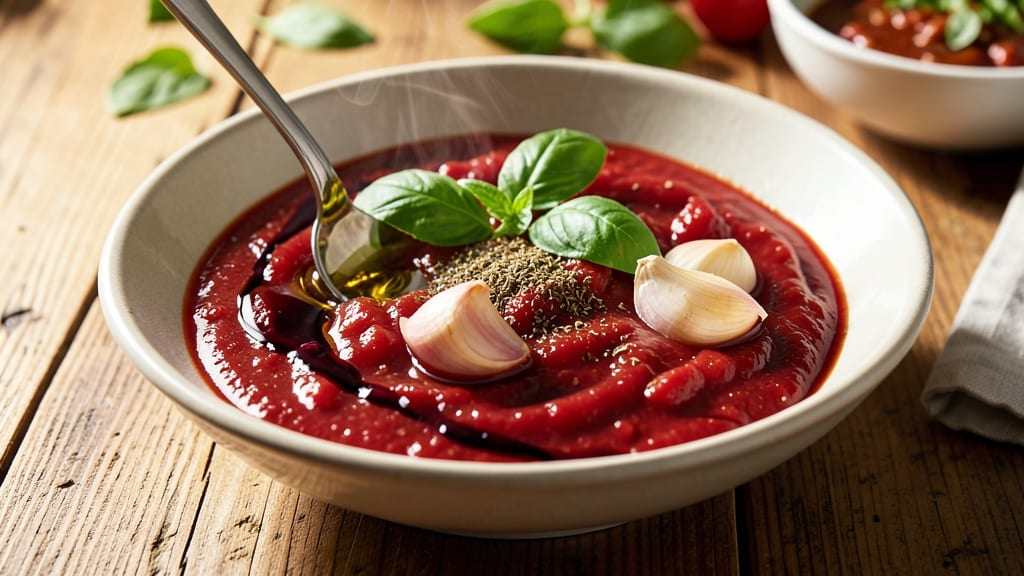
This basic Italian sauce recipe transforms simple pantry staples into a rich, versatile foundation for any meal. The secret lies in slow simmering—allowing tomatoes, garlic, and herbs to meld into a deeply flavorful base that elevates pasta, meat, or appetizers.
I developed this version after years of testing, ensuring it delivers authentic Italian depth without complicated techniques or hard-to-find ingredients.
The magic happens in the balance: a splash of red wine cuts through the acidity of canned tomatoes, while fresh basil and oregano add aromatic brightness. Olive oil forms the backbone, preventing the sauce from breaking while enriching every spoonful.
Unlike store-bought versions, this sauce builds flavor as it simmers, rewarding patience with layers of umami and sweetness.
What you’ll end up with is a smooth, velvety sauce with just the right consistency—thick enough to cling to noodles but still silky enough to drizzle over grilled chicken or bruschetta. The best part?
It keeps well for up to a week in the fridge, allowing flavors to deepen over time. This isn’t just a sauce; it’s the heart of Italian cooking, simplified for home kitchens.
Use it as a marinara for spaghetti, a base for ragù, or a finishing touch for roasted vegetables. The possibilities are endless, and the process is foolproof—perfect for weeknight dinners or meal prep. Let’s get started on creating your go-to Italian sauce.
Ingredients for basic italian sauce
Nine simple ingredients create the richest Italian sauce foundation—no fancy tools needed.
| Ingredient | Amount | Notes |
|---|---|---|
| Extra-Virgin Olive Oil 🫒 | ½ cup | High-quality, fruity variety preferred |
| San Marzano Crushed Tomatoes 🍅 | 2 cans | 28 oz can each, whole peeled preferred |
| Red Wine 🍷 | ¼ cup | Bold dry variety like Chianti or Cabernet |
| Garlic Cloves 🧄 | 4 cloves | Fresh, minced for even distribution |
| Fresh Basil Leaves 🌿 | ½ cup | Packed, stems removed for purity |
| Dried Oregano 🍃 | 1 tsp | Italian or Mediterranean blend preferred |
| Kosher Salt 🧂 | 1 ½ tsp | Diamond Crystal preferred for purity |
| Ground Black Pepper 🌶️ | ½ tsp | Freshly ground for optimal flavor |
| Granulated Sugar 🍚 | 1 tsp | Balances acidity naturally |
| Fresh Lemon Juice 🍋 | 1 tbsp | Brightens flavors beautifully |
The tomatoes make or break this sauce. San Marzano is the gold standard—sweet, meaty, and consistent—but any high-quality crushed tomatoes work in a pinch. I always grab the 28-ounce cans from Trader Joe's or Whole Foods for that perfect texture. Fresh basil is ideal, but if you're using dried, cut the amount to one-quarter teaspoon—it's way more potent. The olive oil should be extra-virgin, not just 'olive oil'—look for a fruity, peppery note. For the red wine, anything bold and dry works—Cabernet or Chianti are my go-tos, but whatever's open in your fridge is fine too.
No red wine? Substitute with beef broth plus a splash of balsamic vinegar—it adds depth without alcohol. Fresh basil wilting? Dried oregano at one-fourth the amount keeps the Italian vibe. Short on sugar? Skip it entirely—this sauce is forgiving, but the pinch helps balance the acidity. The garlic can be roasted for a sweeter flavor (just wrap whole cloves in foil with the tomatoes before crushing), but raw works too. For a smoother sauce, blend it briefly after simmering—though purists prefer the rustic texture. And if you're making this ahead, add the fresh basil and lemon juice right before serving to keep the flavors vibrant.
This sauce tastes even better the next day as flavors meld. Store in an airtight container in the fridge for up to 1 week, or freeze portions for 3 months. I like to portion it into small jars—perfect for meal prep or gifting. To reheat, warm gently on the stove with a splash of water or broth to loosen it up. The sauce thickens as it cools, so don't worry if it looks too thick when refrigerated. And if you make a big batch, freeze half immediately—you'll thank yourself later.
Why You'll Love This Recipe
- No Chopping Nightmare: I swear by this sauce because it’s actually foolproof—just crush the garlic, tear the basil, and let the wine and tomatoes do the work. My hands stay clean, my counters stay clear, and somehow, it still tastes like I spent hours simmering.
- Wine-Infused Magic: That splash of red wine? It’s not just for flavor—it deepens the tomatoes into something rich and velvety, with this subtle earthiness that makes it taste way more expensive than it is. Honestly, I’ll take a $5 bottle of Chianti over any jarred sauce.
- Pasta, Pizza, or Pan: This sauce isn’t just for spaghetti—it’s my secret weapon for weeknight dinners. Toss it with penne, spread it on garlic bread, or even use it in a quick lasagna. (Yes, even on a Tuesday night, when takeout feels like too much effort.)
- Leftovers That Don’t Suck: Most sauces turn into sad, watery sludge after a few days. Not this one. The olive oil keeps it luscious, and it actually improves when reheated—perfect for meal prep or freezing. I make a double batch every Sunday and thank myself all week.
Step-by-step instructions for pantry-friendly Italian tomato sauce
This sauce builds rich tomato depth with simple techniques—no shortcuts, just pure flavor.
Bloom the Aromatics in Olive Oil
Heat the 0.5 cup extra-virgin olive oil in a heavy saucepan over medium-low heat. Add the 4 minced garlic cloves and cook for 1-2 minutes until they're fragrant but not browned—this prevents bitterness. Here's the thing: if you see the garlic start to turn golden, you've gone too far. Remove the pan from heat immediately and let it cool for 30 seconds before continuing.
This initial step creates the flavor foundation. The olive oil should shimmer gently but not smoke. If it's too hot, the garlic will burn and make the sauce bitter. I always use a thermometer for this part—keep it below 300°F. The garlic should smell sweet and inviting, not sharp or acrid.
Deglaze with Wine and Add Tomatoes
Return the pan to medium heat and pour in the 0.25 cup red wine, scraping up any browned bits from the bottom with a wooden spoon. Let it simmer for 3-4 minutes until reduced by half. This deglazing step captures all the caramelized flavor from the garlic.
Stir in the 2 cans San Marzano crushed tomatoes, breaking up any large chunks with a wooden spoon. Add the 1 tsp dried oregano, 1.5 tsp kosher salt, 0.5 tsp ground black pepper, and 1 tsp granulated sugar. The sugar isn't just for sweetness—it balances the acidity in the tomatoes, creating a more complex flavor profile. Bring the mixture to a gentle simmer.
Simmer for Deep Flavor Development
Reduce heat to low and let the sauce simmer uncovered for 25-30 minutes, stirring occasionally. You're looking for a thickened consistency—the sauce should coat the back of a spoon but still be smooth. If it reduces too quickly, add 1-2 tablespoons of water to maintain balance.
Here's where patience pays off: the longer you simmer, the more concentrated the flavors become. I like to check the sauce every 5 minutes after the initial 15 minutes—this prevents burning while allowing proper reduction. The sauce should smell like sun-ripened tomatoes with herbal undertones. If it smells sharp or vinegary, you've overcooked it.
Finish with Fresh Herbs and Brightness
Remove the sauce from heat and stir in the 0.5 cup fresh basil leaves and 1 tbsp fresh lemon juice. Let it steep for 5 minutes—this infuses the sauce with vibrant freshness. The lemon juice cuts through the richness of the tomatoes and adds a bright finish that makes the whole dish sing.
Taste and adjust seasoning if needed. I usually add a pinch more salt or a crack of black pepper at this stage. The sauce should be balanced—not too sweet, not too acidic, with bright herbal notes. If it needs more depth, simmer it for another 5 minutes uncovered to concentrate the flavors further.
Rest and Serve
Let the sauce rest for 10 minutes before serving. This allows the flavors to meld completely and the texture to set properly. The sauce will thicken slightly as it cools, so don't worry if it looks a bit loose right after you turn off the heat.
Serve immediately over pasta, with crusty bread, or alongside grilled meats. The sauce should be rich, aromatic, and perfectly balanced—a true pantry-to-table masterpiece. Store any leftovers in an airtight container in the refrigerator for up to 5 days, or freeze for 3 months. When reheating, do it gently over low heat to preserve the texture and flavor.
Pro Tips For Making Basic Italian Sauce
- Sweat the Garlic Low: I learned this the hard way—crispy garlic burns fast and turns bitter. Cook the minced cloves in olive oil over medium-low heat until just golden, about 3-4 minutes. If they smell nutty but not acrid, you’re good. (Yes, even if you’re impatient like me.)
- Deglaze with Wine First: The sauce’s depth comes from the wine, so don’t skip this step. Pour in the red wine immediately after the garlic softens—let it simmer for 2 minutes to cook off the alcohol before adding tomatoes. Skipping this? You’ll miss that bright, fruity backbone.
- Crush Tomatoes by Hand: San Marzano cans are already crushed, but give them a quick mash with your fingers to break up any stubborn chunks. This ensures a silky texture instead of a watery, uneven sauce. (I know, it’s an extra 30 seconds—but your future pasta will thank you.)
- Add Basil at the End: Fresh basil wilts and turns bitter if cooked too long. Tear the leaves and stir them in only in the last 30 seconds of cooking. For extra flavor, reserve a few leaves to garnish—it makes the dish look (and taste) restaurant-worthy. (Your lazy garnish days are over.)
Dietary considerations for this dish
Gluten-Free Adaptations
This sauce is naturally gluten-free since it contains no wheat, barley, or rye. The key is ensuring all ingredients are certified gluten-free. I always check the labels on San Marzano tomatoes, red wine, and oregano—some brands process their products in shared facilities.
For extra safety, use gluten-free red wine like Barefoot Cellars or Freixenet gluten-free sparkling wine. The sauce's texture remains perfectly smooth without any gluten-based thickeners. 🌱
Dairy-Free Considerations
Since this recipe doesn't include cheese or butter, it's already dairy-free. However, if you're serving it with dairy-based dishes like creamy pasta or garlic bread, keep the sauce separate. The rich olive oil base provides plenty of body without dairy.
For extra richness, stir in 1 tablespoon nutritional yeast before serving—it adds a cheesy flavor without lactose. Always check labels on oregano and basil for dairy processing warnings.
Low-Sodium Options
To reduce sodium, cut the kosher salt to 0.5 teaspoon and use no-salt-added crushed tomatoes like Muir Glen or Century Brand. Boost flavor with an extra 0.5 teaspoon dried oregano or 1 teaspoon smoked paprika.
The red wine and lemon juice already provide plenty of depth, so you won't miss the salt. Taste as you go—this sauce is forgiving, and you can always add a pinch of salt later if needed.
Vegetarian & Vegan
This sauce is inherently vegetarian and vegan, requiring no modifications. The red wine adds depth without animal products, and the olive oil provides richness. For a meatier texture, simmer in 2 tablespoons tomato paste or 1 teaspoon soy sauce for umami.
The sauce pairs beautifully with plant-based proteins like lentils, tofu, or mushrooms. I love serving it over chickpea pasta or with roasted eggplant for a hearty vegan meal. 🌿
Allergen-Friendly Swaps
For nut allergies, ensure your olive oil is processed in a nut-free facility (some brands use shared equipment). If you're avoiding garlic, substitute with 1 teaspoon garlic powder or 1 tablespoon asafoetida (hing) for a similar depth without allergens.
For wine allergies, replace the red wine with 1/4 cup apple cider vinegar or beef broth. Always verify ingredient labels—cross-contamination is the biggest risk with allergens.
Nutrition facts
Frequently asked questions about Italian tomato sauce
Can I make this sauce without wine?
Replace the 0.25 cup red wine with 0.25 cup beef broth or apple cider vinegar for acidity and depth. The wine adds complexity, but these substitutes work perfectly—just simmer them for 2-3 minutes longer to concentrate the flavors. For extra umami, add 1 teaspoon soy sauce or 1 tablespoon balsamic vinegar.
How do I prevent the sauce from getting too thick?
Add 1-2 tablespoons of water or broth while simmering if the sauce thickens too quickly. Stir well and continue cooking at low heat for 5-10 minutes to let the flavors meld. The sauce will thicken further as it cools, so aim for a slightly looser consistency when hot. For a smoother texture, blend briefly after simmering.
What can I do if my sauce tastes too acidic?
Balance acidity by adding 1 teaspoon sugar or 1 tablespoon honey to sweeten the tomatoes. A pinch of baking soda (⅛ tsp) can also help neutralize sharpness, but use sparingly—it can alter the flavor if overdone. For future batches, reduce the simmer time slightly or use no-salt-added tomatoes to minimize acid buildup.
Can I make this sauce ahead of time?
Yes! This sauce tastes even better after 24 hours as flavors deepen. Store in an airtight container in the fridge for up to 5 days or freeze for 3 months. Reheat gently on low heat with a splash of water to restore texture. Add fresh basil and lemon juice just before serving to keep flavors vibrant.
What’s the best way to use leftover sauce?
Leftover sauce works perfectly for pasta dishes, lasagna layers, stuffed peppers, or as a dipping sauce for crusty bread. For extra richness, stir in 1 tablespoon butter or grated Parmesan when reheating. It also freezes beautifully—portion into ice cube trays for easy meal prep portions!