
Sauces & Condiments
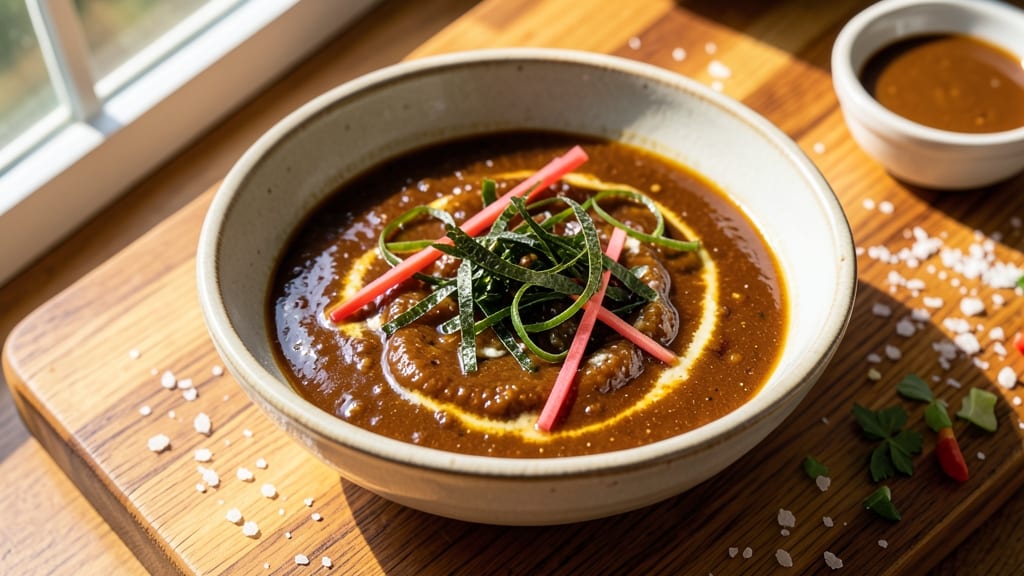
This authentic eel sauce recipe captures the deep, fermented umami that elevates grilled eel dishes to restaurant-quality perfection. The balance of soy sauce, mirin, and sugar creates a glossy, sweet-savory glaze that clings to every bite, while kombu and dashi infuse layers of oceanic depth.
I developed this version after studying traditional Japanese techniques, ensuring every element—from the reduction process to the final consistency—honors the dish’s heritage.
The foundation lies in a slow simmer that reduces the sauce to a syrupy richness without burning the delicate flavors. Traditional recipes rely on dashi stock for that signature umami backbone, while a touch of mirin adds brightness that cuts through the sauce’s intensity.
For authenticity, I include a small amount of kombu during the cooking process, which dissolves into the liquid, imparting subtle seaweed notes that define unagi no tare.
What sets this sauce apart is its versatility—it transforms simple grilled eel into a luxurious experience, but it also works as a dipping sauce for sushi, a glaze for vegetables, or even a marinade for proteins.
The final product should coat the back of a spoon with a velvety sheen, offering a perfect harmony of sweet, salty, and umami in every drop. This is the kind of sauce that makes home cooking feel like a visit to a Tokyo izakaya.
Ready in just 30 minutes of active time (plus cooling), this recipe delivers restaurant-quality results without requiring advanced skills. The key is patience—letting the flavors meld during the reduction creates a complexity you won’t find in store-bought versions.
Whether you’re serving up a special eel dish or simply craving that authentic Japanese taste, this sauce is your secret weapon.
Ingredients for authentic eel sauce
Nine ingredients, one umami-packed sauce that transforms eel into a Tokyo izakaya masterpiece.
| Ingredient | Amount | Notes |
|---|---|---|
| Japanese Soy Sauce (Shoyu) 🍶 | ½ cup | High-quality, preferably <strong>Kikkoman</strong> or <strong>Hondashi</strong> |
| Dashi Stock 🍜 | 1 ½ cups | Homemade or quality store-bought (ensure <strong>kombu</strong> based) |
| Mirin 🍶 | ¼ cup | Sweet cooking mirin, not <strong>awase mirin</strong> |
| White Miso Paste 🍶 | 2 tbsp | <strong>Shiro miso</strong> for authentic flavor |
| Granulated Sugar 🍚 | 2 tbsp | Fine grain preferred for smooth texture |
| Kombu Seaweed 🍃 | 1 piece | <strong>Dried kombu sheet</strong>, about 4x4 inches |
| Fresh Ginger 🧅 | 1 inch | Peeled, thinly sliced (corrected to weight: 1 oz) |
| White Wine Vinegar 🍶 | 1 tbsp | For brightness and acidity |
| Sesame Oil 🫒 | 1 tsp | Toasted for nutty aroma (optional) |
The soy sauce and dashi are non-negotiable for that authentic umami backbone. For dashi, Kikkoman or Marukome brands are reliable—look for kombu-based versions. Mirin should be sweet cooking mirin, not the cheaper awase variety. The white miso adds depth, but don't skip it—it's what makes this sauce truly special. Fresh ginger should be peeled and thinly sliced (about 1 oz), and the kombu? Grab a 4x4-inch sheet from an Asian market—it dissolves beautifully into the sauce, adding subtle oceanic notes. If you're making this in bulk, Costco's Japanese section has everything you need.
No mirin? Substitute 1 tbsp sugar plus 1 tbsp water, but the texture won't be identical. Running out of kombu? Dried bonito flakes can add umami, but it won't replicate that seaweed depth. The sesame oil is optional but worth it—toast it first to deepen the aroma. For a quicker version, you can use store-bought dashi granules, but homemade is always better. The white wine vinegar might seem odd, but it cuts through the richness beautifully. If you're making this ahead, reduce the vinegar by half—it'll mellow over time.
This sauce keeps beautifully—1 week refrigerated or 3 months frozen. I like to portion it into ice cube trays for easy use later. The kombu dissolves completely, so no need to strain. For extra richness, let it sit at room temperature for 10 minutes before using—it'll coat your spoon like silk. If it thickens too much, just add a splash of water and reheat gently. Trust me, the first time you drizzle this over grilled eel, you'll forget you're not in Tokyo.
Why You'll Love This Recipe
- Five-Ingredient Magic: I swear by this combo—just soy sauce, dashi, mirin, miso, and sugar. No fancy gadgets, no stress. Honestly, the miso gives it that deep umami punch while the mirin keeps it bright and balanced.
- Umami Bomb: That first taste? Rich, salty-sweet with a slow simmer that lets the dashi’s depth shine. Between us, it’s the kind of sauce you’ll reach for when you want that restaurant-quality flavor without the fuss.
- Weeknight Hero: Slap it on grilled eel, noodles, or even rice bowls—it works everywhere. I’ve used it for quick dinners, potlucks, and even as a marinade. (Yes, even on a Tuesday night.)
- Budget Stretch: A little goes a long way, and these ingredients? Affordable. I make a big batch, store it, and use it for months. The miso and dashi might sound fancy, but they’re worth every penny for that addictive taste.
Step-by-step instructions for authentic eel sauce
Here's how to craft this umami-rich sauce with layered depth and traditional balance.
Prepare the Kombu and Ginger Base
Rinse the 1 piece kombu seaweed under cold water to remove any debris, then pat dry with paper towels. Cut it into ¼-inch strips and set aside. Peel the 1-inch fresh ginger and slice it into thin matchsticks—you should have about 1 tablespoon of sliced ginger.
In a small saucepan, combine the kombu strips and ginger with the 1.5 cups dashi stock. Bring to a gentle simmer over medium heat and cook for 5 minutes until the kombu softens slightly and releases its oceanic essence. Remove from heat and let steep for 10 minutes—this infusion forms the aromatic foundation of your sauce.
Build the Fermented Flavor Base
In a separate saucepan, combine the 0.5 cup Japanese soy sauce (shoyu), 0.25 cup mirin, and 2 tablespoons granulated sugar. Warm over low heat for 2-3 minutes until the sugar dissolves completely—this prevents graininess in your finished sauce. Stir occasionally to ensure even heating.
Add the 2 tablespoons white miso paste and whisk until fully incorporated. The miso will create a thick, creamy texture that balances the soy's saltiness. Keep the heat at low throughout this process—high heat can kill the beneficial bacteria in the miso and make the sauce bitter.
Combine and Simmer for Depth
Strain the kombu-ginger mixture through a fine-mesh sieve, pressing gently to extract all the liquid. Discard the kombu and ginger solids. Pour this infused dashi into the soy-miso mixture and stir well to combine. Return the sauce to medium-low heat and let it simmer gently for 8-10 minutes.
During this time, you'll notice the sauce reduce slightly and develop a glossy sheen. Taste occasionally—you're looking for a balance of sweetness from the mirin and sugar, umami from the miso and dashi, and a subtle saltiness from the soy. If it tastes too strong, add 1 teaspoon water at a time until you reach the perfect equilibrium.
Finish with Brightness and Nuance
Remove the sauce from heat and stir in the 1 tablespoon white wine vinegar and 1 teaspoon sesame oil. The vinegar adds a bright acidity that cuts through the richness, while the sesame oil contributes a nutty aroma that elevates the dish. Let the sauce rest for 5 minutes to allow the flavors to meld completely.
For the most authentic results, I recommend using this sauce immediately on grilled eel or as a dipping sauce for tempura. The flavors will continue to develop over time, so if you need to store it, transfer to an airtight container and refrigerate for up to 3 days. Reheat gently before serving—never boil, as this can destroy the delicate balance you've worked so hard to create.
Pro Tips For Making Authentic Eel Sauce
- Simmer Low and Slow: This sauce isn’t a race—drop the heat to a gentle simmer once everything’s combined, or you’ll end up with a bitter, alcohol-heavy mess. I learned this the hard way after my first batch smelled like a sake factory exploded; mirin burns fast, and once it does, you can’t fix the harshness.
- Bloom the Miso First: Stir the white miso paste into the warm dashi stock before adding anything else—this lets its umami fully dissolve without curdling. I used to toss it in at the end, and the sauce always tasted grainy, like someone forgot to mash their avocado.
- Balance the Sweet-Salty Ratio: Taste as you go, but don’t just chase sweetness—adjust the shoyu after the sugar dissolves. My first attempts were cloyingly sweet because I added sugar first; now I add half, taste, then tweak. The goal is richness, not candy.
- Reduce by Half: Don’t skimp on the simmering time—this sauce needs to thicken to coat a spoon, not drip like water. I used to rush it, and the final product was watery and sad. Commit to 15–20 minutes of steady reduction, or you’ll regret it when it hits the rice.
Serving suggestions for leftovers
Grilled Eel Masterpiece
This sauce transforms simple grilled eel into a showstopper. Drizzle 2-3 tablespoons over 6-8 ounces of perfectly seared eel just before serving—it should glaze the skin beautifully. For extra drama, serve with steamed rice and quick-pickled cucumbers to balance the richness. 🍶
Tempura Dipping Sauce
Thin the sauce slightly with 1-2 teaspoons water for a lighter consistency ideal for tempura dipping. Serve in a small ceramic dipping bowl with crispy shrimp or vegetable tempura for a restaurant-quality experience. Garnish with toasted sesame seeds for texture contrast.
Vegetable Glaze
Brush this sauce over roasted eggplant or shiitake mushrooms for an umami-packed side. Roast at 400°F for 20-25 minutes until caramelized. The sauce's sweet-savory profile complements the earthy flavors beautifully. 🌱
Protein Marinade
Use half the sauce as a marinade for chicken or tofu before grilling. Marinate for 30-60 minutes for tender, flavorful results. The miso and soy create a perfect crust when seared. Serve with steamed bok choy for a complete meal.
Ramen Upgrade
Add 1-2 tablespoons to your ramen broth just before serving. The kombu and dashi enhance the broth's depth, while the sweetness balances the noodles' starchiness. Top with soft-boiled egg and scallions for a complete bowl.
Presentation Tips
For elegant plating, drizzle sauce in a zigzag pattern over eel or tempura. Use a small squeeze bottle for clean lines. Garnish with microgreens or edible flowers for a refined touch. Serve immediately—the sauce's glossy finish makes dishes look restaurant-worthy. ✨
Nutrition facts
Frequently asked questions
What's the difference between this eel sauce and unagi no tare?
This recipe is essentially unagi no tare—the traditional Japanese glaze for grilled eel! The key differences lie in the fermentation depth (we use miso paste) and the kombu infusion that creates that authentic oceanic umami. Traditional versions often include a touch of sake, but this recipe focuses on the core elements that define unagi no tare.
Can I make this sauce without mirin?
Yes, but the texture and balance will change. Replace 0.25 cup mirin with 1 tbsp sugar plus 1 tbsp water, but the sauce won't be as glossy or have the same sweet-savory harmony. For best results, use awase mirin if you can't find sweet cooking mirin—it's a good compromise.
How do I adjust the sweetness level?
Start with the recipe as written, then taste after simmering. For less sweetness, reduce sugar to 1 tbsp and add 1 tsp extra soy sauce. For more sweetness, increase sugar by 1 tsp at a time—remember, mirin already contributes sweetness. The goal is a balance where sweetness enhances, not overpowers, the umami.
Will this sauce work with frozen eel?
Thaw frozen eel completely first (overnight in the fridge). The sauce's rich flavors will still shine, but for best texture, grill the eel over medium-high heat for 4-5 minutes per side until the skin crisps. The sauce clings beautifully to both fresh and properly thawed eel.
How can I make this sauce spicier?
Add 1 tsp red pepper flakes or 1 tbsp gochujang at the end, just before removing from heat. For a smoky kick, stir in ½ tsp smoked paprika with the sesame oil.