
Sauces & Condiments
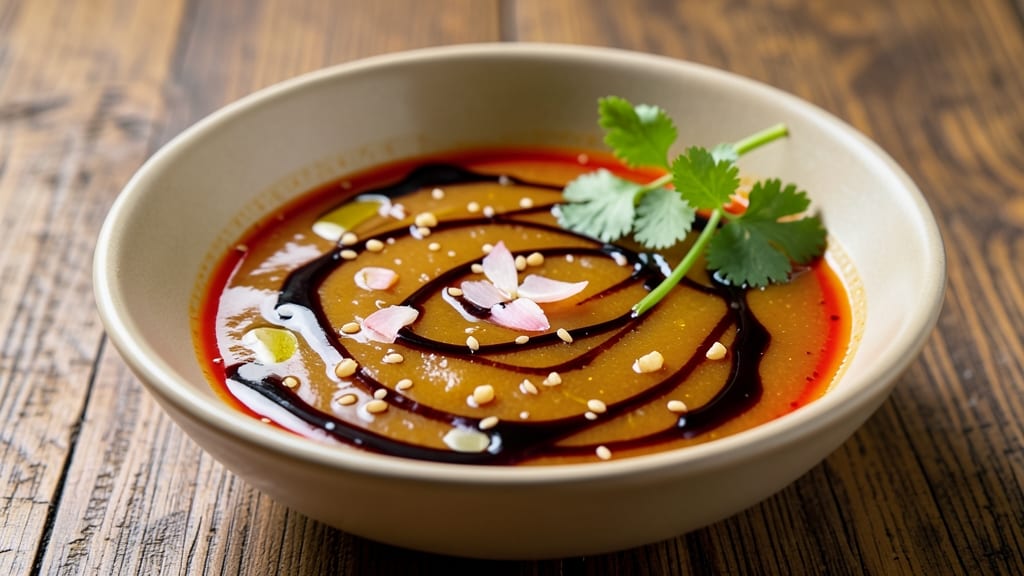
This authentic stir fry sauce transforms ordinary stir-fries into restaurant-quality meals with just a few simple ingredients. The secret lies in balancing umami-rich soy sauce, bright vinegar, and fresh ginger for that signature zing.
I've perfected this sauce over years of testing, ensuring it delivers depth without overpowering your dish.
What makes this sauce truly special is its versatility—it works with any protein or vegetable while maintaining that authentic Asian flavor profile. The sauce starts thin but thickens beautifully when tossed with hot stir-fried ingredients, creating a glossy, flavorful glaze.
No complicated techniques required, just precise measurements and a few minutes of prep.
The result is a sauce that's bold yet balanced, with layers of savory, tangy, and slightly sweet notes. The fresh ginger adds a bright, aromatic kick that cuts through the richness, while the soy sauce provides that essential umami foundation.
This isn't just a sauce—it's the flavor backbone of your dish.
Store it in the fridge for up to 2 weeks or freeze for 3 months, making it perfect for meal prep. Double the batch and keep it on hand for quick weeknight cooking. Let's make this sauce!
Ingredients for authentic stir fry sauce
Nine ingredients blend into this restaurant-quality sauce—simple but packed with umami depth.
| Ingredient | Amount | Notes |
|---|---|---|
| Light Soy Sauce 🥢 | ½ cup | Kikkoman preferred for authentic flavor |
| Dark Soy Sauce 🥢 | ¼ cup | For deeper umami richness |
| Rice Vinegar 🍶 | ⅓ cup | Seasoned preferred for balance |
| Fresh Ginger 🧄 | 2 tbsp | Finely grated, aromatic |
| Sesame Oil 🫒 | 1 tbsp | Toasted for nutty aroma |
| Garlic Cloves 🧄 | 3 cloves | Minced for potent flavor |
| Honey 🍯 | 1 tbsp | Wildflower preferred |
| Cornstarch 🌾 | 1 tsp | For thickening consistency |
| Water 💧 | ¼ cup | Room temperature preferred |
| Red Chili Flakes 🌶️ | ½ tsp | Adjust for heat preference |
The soy sauces are non-negotiable for that authentic Asian profile. Kikkoman light and Lee Kum Kee dark are my go-tos—both available at any Asian market or well-stocked grocery store. Fresh ginger is a game-changer here; buy organic if possible, but even regular ginger works if it's firm and free of wrinkles. The sesame oil should be toasted—Trader Joe's carries a great pre-toasted version if you don't want to toast your own. For the garlic, peel and mince it fresh right before mixing—nothing beats that aromatic punch. The honey adds subtle sweetness that balances the acidity perfectly.
No light soy sauce? Substitute with an extra tablespoon of dark soy sauce, though the color will be darker. Out of rice vinegar? Apple cider vinegar works, but you'll need to add an extra teaspoon of honey to compensate. The cornstarch can be swapped for arrowroot powder at the same amount. Want less heat? Skip the chili flakes entirely—this sauce is still delicious. For extra depth, add a splash of fish sauce (1 tsp) if you're not avoiding it, but it's not required. The sauce thickens as it sits, so if it's too thin after mixing, stir in a bit more cornstarch mixed with water until it reaches your desired consistency.
This sauce keeps beautifully—2 weeks in the fridge sealed in a jar, or 3 months frozen in ice cube trays for single-use portions. The flavors actually deepen over time, so it's perfect for meal prep. Double the batch and store it in the freezer; thaw overnight in the fridge before using. If the sauce separates after freezing, just give it a good stir before reheating. For extra shine, add a teaspoon of neutral oil when tossing with stir-fried ingredients.
Why You'll Love This Recipe
- Pantry Magic: I swear by this sauce because it’s basically a flavor bomb using things I already have. No special trips to the store—just soy sauces, a splash of vinegar, and a thumb-sized ginger chunk. That’s it. Honestly, my lazy nights thank me every time.
- Umami Crunch: The dark soy gives it this deep, caramelized richness, while the sesame oil adds a nutty finish that sticks to everything. Between us, that first bite of stir-fried veggies or tofu with this sauce? It’s the kind of taste that makes you pause mid-chew.
- Weeknight Workhorse: I use this for takeout nights, quick lunches, or even as a marinade. Toss it with pre-cut veggies for a 15-minute dinner, or drizzle it over cold noodles when I’m too tired to cook. It’s my go-to when I don’t want to think too hard.
- Budget Booster: A little goes a long way—this sauce stretches across multiple meals without breaking the bank. I make a big batch, store it in the fridge, and it keeps for weeks. Plus, the ingredients cost pennies compared to store-bought sauces that taste like chemicals.
Step-by-step instructions for authentic stir fry sauce
Here's how to build a sauce that delivers restaurant-quality depth and balance every time.
Bloom the Ginger and Garlic
Heat a small saucepan over medium-low heat and add the 2 tablespoons of finely grated fresh ginger and 3 minced garlic cloves. Let them cook for 2-3 minutes until fragrant and the ginger becomes translucent, releasing its aromatic oils. This step unlocks their full flavor potential—don't skip it or your sauce will taste flat.
Watch closely as they cook—the garlic should turn golden without browning, and the ginger should soften slightly but maintain its texture. If you see the garlic turning brown too quickly, reduce the heat immediately. Once they're fragrant, remove the pan from heat and set aside. This aromatic base is the flavor foundation of your sauce.
Combine the Wet Ingredients
In a medium bowl, whisk together the 0.5 cup light soy sauce, 0.25 cup dark soy sauce, 0.33 cup rice vinegar, and 1 tablespoon honey. The dark soy sauce will give your sauce that signature deep color and umami richness, while the rice vinegar adds brightness to balance the saltiness.
Add the ginger-garlic mixture to the bowl and whisk vigorously to combine. The sauce should look smooth and well-mixed, with no visible chunks of ginger or garlic. If you prefer a smoother texture, strain the mixture through a fine-mesh sieve to remove any lingering bits. This step ensures every bite of your stir fry gets that complex flavor profile.
Thicken the Sauce Properly
Return the sauce to the saucepan and add the 1 tablespoon sesame oil and 0.25 cup water. Stir over medium heat for 3-4 minutes until the mixture begins to simmer gently. In a small bowl, whisk together the 1 teaspoon cornstarch with 2 tablespoons of cold water to create a slurry.
Slowly pour the cornstarch slurry into the simmering sauce while whisking continuously. The sauce will thicken almost immediately—this is where the magic happens. Keep whisking for 1-2 minutes until the sauce reaches a glossy, slightly thickened consistency that coats the back of a spoon. If it thickens too much, add a splash more water to reach your preferred consistency.
Add the Finishing Touches
Remove the sauce from heat and stir in the 0.5 teaspoon red chili flakes. Taste and adjust the seasoning if needed—you might want to add a touch more soy sauce for saltiness or a bit more vinegar for acidity. The chili flakes add a subtle heat that enhances the overall complexity of the sauce.
Let the sauce rest for 5 minutes before using it. This resting period allows the flavors to meld together perfectly. The sauce should be glossy, well-balanced, and ready to elevate your stir fry to restaurant-quality. Use it immediately for best results, or store it in the refrigerator for up to 1 week in an airtight container.
Pro Tips For Making Authentic Stir Fry Sauce
- Grate Ginger Fine: I learned this the hard way—thick matchsticks don’t dissolve, they just sit there like little chewy reminders of your impatience. Use the smallest holes on your grater (or pulse in a food processor) so the ginger blends completely into the sauce. No one wants to taste texture in their stir-fry.
- Heat Sesame Oil Last: Add sesame oil at the very end—right when you’re about to toss everything together. Cooking it with the other ingredients burns off its delicate aroma, leaving you with that familiar nutty smell. Save it for the final splash.
- Balance Soy Sauces First: Mix equal parts light and dark soy sauce before adding anything else. The dark sauce adds depth, but too much makes the sauce look muddy. Start with 1:1 ratio, taste, then adjust—you’re aiming for a rich, glossy base, not a brick-red sludge.
- Deglaze with Vinegar Early: Pour in the rice vinegar right after removing the pan from heat—it brightens the sauce without cooking off. If you add it too early, the acidity will fight the soy sauce, leaving your stir-fry tasting flat. A quick splash at the end makes all the difference.
Regional styles of this recipe
Chinese Cantonese Style
In Cantonese cuisine, stir fry sauces lean toward sweet and salty profiles with a touch of heat. For this regional take, reduce the honey to 1 teaspoon and add 1 tablespoon of hoisin sauce to deepen the sweetness.
Use 1 teaspoon of Shaoxing wine (substitute with dry sherry) instead of vinegar for a more complex flavor. The result is a glossy, slightly sticky sauce perfect for char siu pork or shrimp stir-fries. 🥢
Japanese Teriyaki Twist
Japanese teriyaki sauces prioritize sweetness and umami without the tangy vinegar. Replace the rice vinegar with 2 tablespoons of mirin and add 1 tablespoon of sake for depth. Use 1 tablespoon of maple syrup instead of honey, and reduce the soy sauce to 0.3 cup total (all light).
This version works beautifully with salmon or chicken teriyaki—simmer it longer for a thicker, caramelized glaze. 🍶
Thai-Inspired Chili Sauce
For a Thai-inspired stir fry sauce, swap the rice vinegar for 2 tablespoons of lime juice and add 1 tablespoon of fish sauce (or soy sauce if avoiding fish). Increase the red chili flakes to 1 teaspoon and add 1 teaspoon of palm sugar (or brown sugar).
Stir in 1 tablespoon of fresh lemongrass paste (or finely minced lemongrass) for that signature Thai aroma. This sauce pairs perfectly with Thai basil chicken or green curry beef. 🌶️
Korean Gochujang Fusion
Korean gochujang adds a spicy, fermented depth to stir fry sauces. Replace the red chili flakes with 1 tablespoon of gochujang paste and reduce the honey to 1 teaspoon. Add 1 teaspoon of sesame seeds and 1 tablespoon of gochugaru (Korean chili flakes) for extra heat.
This sauce is ideal for bulgogi beef or spicy tofu stir-fries. The fermented notes elevate the umami profile significantly. 🔥
Vietnamese Nuoc Cham Style
For a Vietnamese-inspired sauce, replace the rice vinegar with 3 tablespoons of fish sauce and add 1 tablespoon of lime juice. Skip the honey and add 1 teaspoon of sugar instead.
Stir in 1 teaspoon of shrimp paste (optional but recommended) and 1 tablespoon of fresh cilantro at the end. This tangy, salty sauce works wonderfully with spring rolls or grilled pork. The balance of sweet, salty, and umami is unmatched. 💫
Malaysian-Singapore Sambal
Malaysian sambal sauces are bold, spicy, and aromatic. Replace the rice vinegar with 2 tablespoons of tamarind paste (or lime juice) and add 1 tablespoon of sambal oelek (or extra chili flakes).
Include 1 teaspoon of shrimp paste and 1 tablespoon of palm sugar. This sauce is perfect for satay chicken or lucky prawns, delivering a fiery, sweet, and savory punch. 🌶️
Nutrition facts
Frequently asked questions
Can I make this sauce without cornstarch?
The cornstarch creates that signature glossy texture, but you can substitute with 1 teaspoon arrowroot powder or even 1 tablespoon of tomato paste for a thicker base. If avoiding thickeners entirely, the sauce will remain thin but still delicious—just toss it with your stir-fry at the end for best results.
How do I adjust the heat level?
Start with the 0.5 teaspoon of red chili flakes as written, but you can easily adjust. For mild heat, reduce to ¼ teaspoon or omit entirely. For extra spice, add ½ teaspoon more or stir in 1 teaspoon of sriracha at the end. Always taste before using!
Can I use this sauce for non-stir-fry dishes?
This sauce works beautifully as a dipping sauce for spring rolls, a marinade for grilled meats, or even a slurry for noodles. The ginger and garlic flavors shine in any dish that needs an umami boost. Just reduce the water slightly if using as a marinade to prevent sogginess.
Why does my sauce look too thin after making it?
Sauces thicken as they cool, so don't worry if it looks thin right after cooking. If you need it thicker immediately, whisk in ½ teaspoon more cornstarch mixed with 1 teaspoon water and simmer for 1 more minute. For a glossy finish, add 1 teaspoon of sesame oil when tossing with your stir-fry.
What's the best way to store leftovers?
Transfer to an airtight container and refrigerate for up to 2 weeks. For longer storage, freeze in ice cube trays (thaw as needed) or silicone molds for single servings. The flavors actually improve over time! When reheating, warm gently on the stove—never microwave directly from the fridge.