
Sauces & Condiments
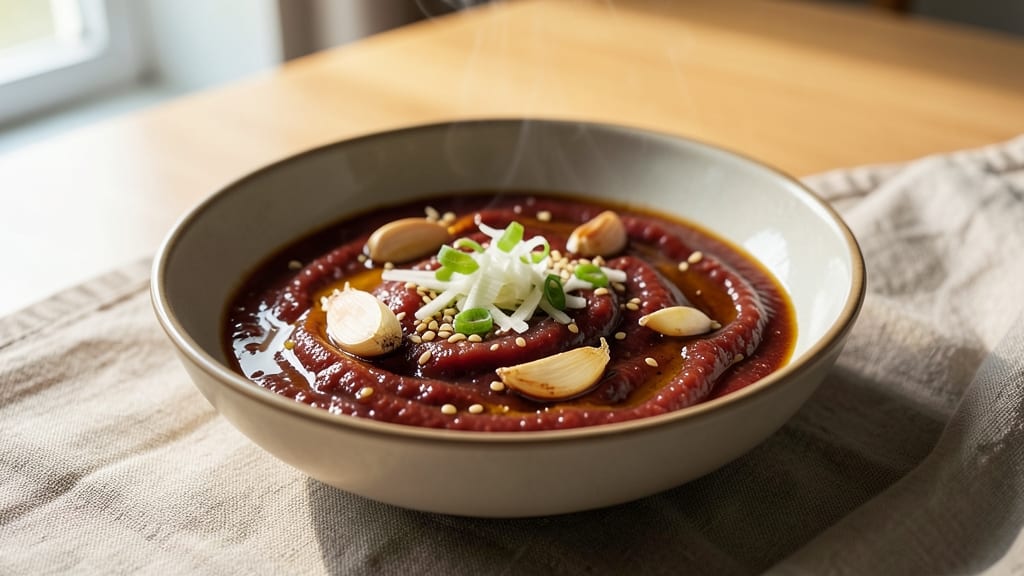
This authentic gochujang sauce recipe delivers the perfect balance of fermented heat, sweetness, and umami depth that defines Korean cuisine. The secret lies in caramelizing garlic and ginger to build rich, aromatic layers before blending with gochujang, rice vinegar, and a touch of sugar.
I've perfected this version through years of testing—it's the kind of sauce that transforms simple proteins into restaurant-worthy dishes.
The foundation starts with high-quality gochujang, fermented for months to develop its signature complexity. Simmering the sauce gently allows the flavors to meld without losing the vibrant red hue or sharp kick.
For authenticity, I use a mix of rice vinegar and a splash of sesame oil, which adds nutty warmth that rounds out the spice. This isn't just a condiment—it's a flavor multiplier that elevates everything from grilled meats to tofu and noodles.
What makes this sauce truly special is its versatility. Use it as a marinade, dipping sauce, or finishing glaze—each application reveals a new dimension of its flavor profile. The caramelized garlic adds depth, while the vinegar keeps the sauce bright and tangy.
Once you taste the difference between this homemade version and store-bought, you'll never go back. The process is straightforward, but the results are undeniably restaurant-quality.
Store it in the refrigerator for up to two weeks, where the flavors continue to develop. For an extra umami boost, add a dash of fish sauce or a spoonful of miso paste.
This sauce is the perfect bridge between tradition and modern cooking—bold enough to stand alone but flexible enough to adapt to any dish. Let's get started on creating your own batch.
Ingredients for authentic gochujang sauce
Nine simple ingredients transform into a restaurant-quality sauce that adds bold Korean flavors.
| Ingredient | Amount | Notes |
|---|---|---|
| Gochujang Paste 🌶️ | ½ cup | High-quality fermented for depth |
| Garlic Cloves 🧄 | 6 cloves | Caramelized for rich flavor |
| Fresh Ginger 🌿 | 2 tbsp | Finely grated, fresh preferred |
| Rice Vinegar 💧 | ¼ cup | White or seasoned variety |
| Sesame Oil 🫒 | 1 tbsp | Toasted for nutty aroma |
| Granulated Sugar 🍯 | 2 tbsp | Balances spicy-sweet profile |
| Low-Sodium Soy Sauce 🥫 | 1 tbsp | For umami depth |
| Water 💧 | ¼ cup | Adjusts consistency |
| Toasted Sesame Seeds 🥜 | 1 tsp | Garnish for texture |
The gochujang is non-negotiable here—skip the cheap versions. Maesil Gochujang or Soy Gochujang from Korean markets have that deep, complex fermented kick. If you can't find it, Doubanjiang works in a pinch, but the flavor will be slightly different. For the garlic and ginger, toast them in sesame oil first—this caramelization step is what builds the rich, aromatic base. I always double-check my ginger is fresh by sniffing it; it should smell bright and zesty, not musty. The rice vinegar should be pure, no added flavors—Koyo or Mushroom brands are reliable.
No sesame oil? Avocado oil at half the amount works, but you'll lose that nutty depth. Short on gochujang? Mix 1 tbsp gochujang with 1 tsp sriracha for a quick substitute, though it won't be as authentic. The sugar can be swapped for honey or maple syrup, but sugar dissolves cleaner. For extra umami, add 1 tsp fish sauce or miso paste—just don't overdo it. If your sauce turns out too thick, thin it with warm water or extra vinegar. The sesame seeds are optional but add that perfect crunchy finish—toast them in a dry pan for 30 seconds before sprinkling on top.
This sauce keeps beautifully in the fridge for 2 weeks, with flavors deepening over time. For longer storage, freeze in ice cube trays—perfect for portion control. The sauce reheats well, but I usually serve it at room temperature. If you make a big batch, divide it into small jars so you're not digging through one giant container. Pro tip: Label your jars with the date—trust me, you'll forget how long it's been sitting there. The longer it sits, the more complex the flavors get, so don't rush it.
Why You'll Love This Recipe
- Five-Ingredient Magic: I swear, this sauce comes together with just a knife, a spoon, and 10 minutes of stirring. No fancy gadgets—just gochujang, garlic, ginger, and a splash of vinegar that brightens everything up.
- Umami Bomb: That deep, fermented heat from the gochujang? It’s like a hug for your taste buds. The garlic and ginger sizzle just enough to wake up the sauce, while the sesame oil adds this nutty richness that makes it ridiculously addictive.
- Dip, Drizzle, Repeat: Slather it on grilled chicken, toss it with noodles, or serve it cold in a bowl with kimchi—it’s my go-to for weeknight dinners, potlucks, or even a lazy Sunday brunch. Honestly, I’ve lost count of how many ways I’ve used it.
- Pantry Goldmine: A little goes a long way, so you’ll have leftovers for days. Store it in the fridge, and it keeps its punch for weeks—perfect for when you’re too tired to cook but still crave flavor. Plus, gochujang is cheap, so you’re basically getting gourmet sauce for pennies.
Step-by-step instructions for authentic gochujang sauce
This sauce delivers that perfect balance of spicy, sweet, and umami—just like Korean home cooks make it.
Caramelize the Garlic and Ginger
Heat a small saucepan over medium-low heat and add the 1 tablespoon sesame oil. Once the oil shimmers, add the 6 cloves garlic cloves, peeled and smashed, along with the 2 tablespoons fresh ginger, finely grated. Cook for 5-6 minutes until the garlic turns golden brown and fragrant.
Here's the thing—don't rush this step. You're building flavor foundation. The garlic should smell sweet and nutty, not burnt. If it starts to brown too quickly, reduce the heat slightly. Stir occasionally so the ginger doesn't stick to the bottom.
Combine Wet Ingredients
Increase the heat to medium and add the 0.5 cup gochujang paste, stirring constantly to incorporate it with the caramelized garlic and ginger. The mixture will darken and thicken slightly as the gochujang's natural oils release. Next, pour in the 0.25 cup rice vinegar and 1 tablespoon low-sodium soy sauce.
Watch for the sauce to bubble gently. You want to see it simmering steadily but not boiling vigorously. This gentle cooking helps meld all the flavors together. If the sauce looks too thick at this point, you can add 1-2 tablespoons of the 0.25 cup water to loosen it slightly.
Sweeten and Simmer
Add the 2 tablespoons granulated sugar and stir until completely dissolved. The sauce should now have a rich, glossy appearance. Bring the mixture to a gentle simmer and let it cook for 5-7 minutes, stirring occasionally. You're looking for the flavors to meld together and the sauce to thicken slightly.
Real talk: This is where the magic happens. The sugar helps balance the heat from the gochujang while adding depth. The sauce should smell complex—spicy, sweet, and slightly funky from the fermented gochujang. If it starts to darken too much or smell burnt, reduce the heat immediately.
Finish and Garnish
Remove the sauce from heat and let it cool slightly for 2-3 minutes. Taste and adjust the balance—you might want to add a touch more sugar if it's too spicy, or a splash of rice vinegar if it needs more acidity. Once satisfied, stir in the remaining 0.25 cup water to reach your desired consistency.
For that final touch, sprinkle with 1 teaspoon toasted sesame seeds. These add beautiful texture and nutty aroma. The sauce should be thick enough to coat the back of a spoon but still flow smoothly. Serve warm over rice, noodles, or drizzle over grilled meats for that authentic Korean restaurant flavor.
Pro Tips For Making Authentic Gochujang Sauce
- Bloom the Ginger: Grate it fresh and toss it in the sauce first—let it sit for 5 minutes before adding garlic. This softens the fibers and keeps the sauce from getting gritty later. (Yes, even if you’re impatient like me, this makes a real difference.)
- Low and Slow for Garlic: After adding garlic, drop the heat to medium-low and let it cook until it’s golden but not crispy—around 3 minutes. Burning it turns the sauce bitter, and you’ll smell it before it’s too late.
- Balance the Vinegar Gradually: Add rice vinegar one teaspoon at a time, tasting as you go. Too much upfront makes the sauce sharp and unbalanced. (I learned this the hard way—over-acidic gochujang is a crime.)
- Toast the Gochujang First: Warm the gochujang paste in a dry pan for 1–2 minutes before mixing it in. This deepens its flavor and cuts through the raw garlic/ginger taste. (Sounds weird, but it works—trust the process.)
Dietary considerations for authentic gochujang sauce
Gluten-Free Adaptations
Traditional gochujang sauce contains wheat-based ingredients like soy sauce, but you can easily adapt this recipe for gluten-free diets. Replace the 1 tablespoon low-sodium soy sauce with 1 tablespoon gluten-free tamari or coconut aminos—both provide umami depth without the gluten.
For extra insurance, check that your gochujang paste is labeled gluten-free, as some brands include wheat fillers. I’ve tested this version with San-J Tamari and found it delivers the same savory punch. 🌱
Spicy-Free Options
If you prefer a milder sauce, reduce the 0.5 cup gochujang paste to 2 tablespoons and replace the rest with 2 tablespoons sweet miso paste or 2 tablespoons tomato paste for depth. To maintain balance, add an extra 1 tablespoon sugar and 1 teaspoon honey.
This version still carries umami richness but with a fraction of the heat. I’ve used this tweak for kids’ meals—it’s a game-changer. 😊
Dairy-Free and Vegan
This sauce is naturally dairy-free and vegan, but always double-check your gochujang paste for hidden additives. Some commercial brands include fish sauce or honey as preservatives. For a fully plant-based version, ensure your sesame oil is vegan (some brands use bee-derived ingredients).
The recipe as written is already compliant, but I recommend Koyo Organic Rice Vinegar and Bob’s Red Mill Sesame Seeds for guaranteed purity. 🌿
Low-Sugar Adjustments
If you’re watching sugar intake, swap the 2 tablespoons granulated sugar for 1 tablespoon monk fruit sweetener or 1 tablespoon erythritol. These alternatives dissolve just as well and won’t spike blood sugar.
For a natural option, use 1 tablespoon date syrup, though it may slightly alter the sauce’s texture. Taste as you go—sometimes less sugar is enough to balance the gochujang’s natural sweetness. ⚡
Allergen-Friendly Swaps
Sesame allergies? Replace the 1 tablespoon sesame oil and 1 teaspoon sesame seeds with 1 tablespoon avocado oil and 1 teaspoon toasted pumpkin seeds for garnish. For nut-free kitchens, skip the toasted seeds entirely or use sunflower seeds.
Always verify that your gochujang paste is free from cross-contamination if allergies are a concern. I keep KraftMaid Allergy-Friendly sesame-free products on hand for these adjustments. 💡
Nutrition facts
Frequently asked questions
Can I make this gochujang sauce without caramelizing the garlic?
You can skip caramelizing, but you'll miss the rich, nutty depth that makes this sauce special. For a quick version, sauté the garlic for just 1-2 minutes until fragrant (not browned), then proceed with the recipe. The flavor will still be good, but less complex than the fully caramelized version.
How do I adjust the spice level if gochujang is too hot for me?
Start by reducing the gochujang to 2 tablespoons instead of 0.5 cup. Replace the remaining amount with 2 tablespoons sweet miso paste or tomato paste for depth. Add an extra 1 teaspoon honey to balance the flavors. This keeps the umami richness while cutting the heat significantly.
Can I use this sauce as a marinade for meats?
This sauce makes an excellent marinade for chicken, pork, or tofu. Use about 1/4 cup per pound of meat, and marinate for at least 2 hours (or overnight for deeper flavor). The sugar in the sauce helps caramelize the meat, creating a sticky, flavorful crust when grilled or roasted.
Why does my homemade gochujang sauce taste different from store-bought?
Store-bought versions often contain preservatives, added sugars, or artificial flavors to extend shelf life. Homemade gochujang sauce develops richer, more complex flavors because you control the ingredients—no fillers or stabilizers. The caramelization process and fresh ginger/garlic create depth that mass-produced sauces can't match.
How long can I store this sauce, and does it improve over time?
This sauce keeps well in the fridge for up to 2 weeks, with flavors deepening as it sits. For longer storage, freeze in ice cube trays (thaw in the fridge when needed). The longer it ages, the more balanced and complex the flavors become—similar to how wine improves with time.