
Sauces & Condiments
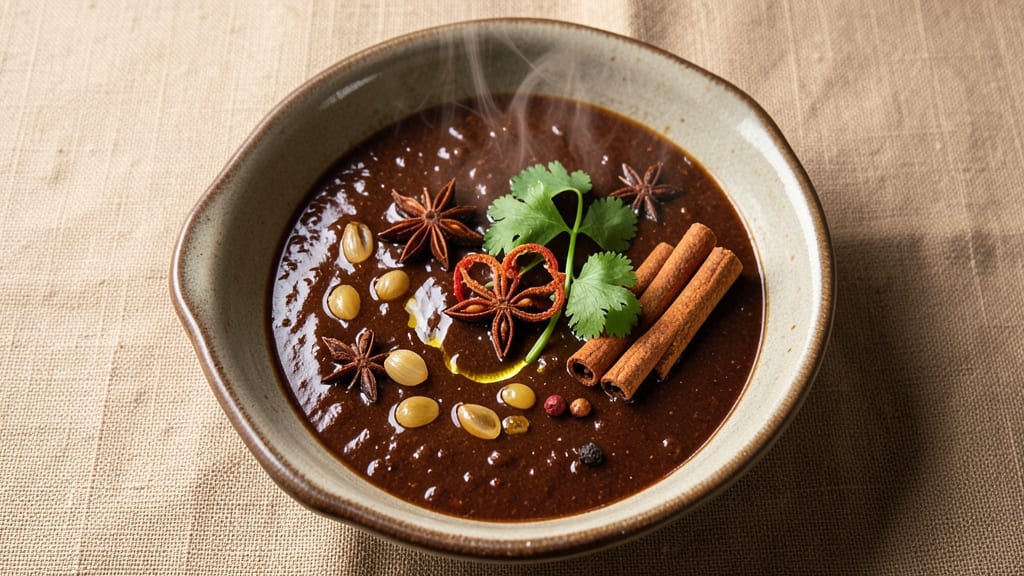
This authentic Chinese curry sauce recipe delivers the complex harmony of spice, umami, and aromatic depth that defines Cantonese and Sichuan traditions. The secret lies in balancing star anise, cinnamon, and Sichuan peppercorns with coconut milk's richness, creating a sauce that transforms simple proteins into restaurant-worthy dishes.
What sets this apart is the layered approach—first toasting whole spices for depth, then simmering with ginger and garlic to build flavor gradually.
The result is a velvety sauce with just the right balance of heat and sweetness, where each ingredient plays its part without overpowering. This isn't just a condiment—it's the soul of your dish, whether you're stir-frying noodles, braising meats, or serving as a dip for spring rolls.
The technique ensures authentic flavor without shortcuts, using traditional methods that deliver professional results at home.
What makes this sauce truly versatile is its adaptability—use it as a base for curries, a glaze for roasted meats, or a dipping sauce for vegetables. The key is patience: letting the spices bloom in oil before adding liquids creates the rich, aromatic foundation that defines authentic Chinese cooking.
Every spoonful carries the warmth of a bustling Cantonese kitchen.
Perfect for weeknight dinners or special occasions, this sauce keeps well in the refrigerator for up to a week, allowing you to build flavor over time. The instructions walk you through each step, ensuring you achieve that deep umami balance that makes this sauce unforgettable. Let's create something truly special.
Ingredients for authentic chinese curry sauce
Twelve ingredients, each playing its part in this velvety sauce of spice and umami.
| Ingredient | Amount | Notes |
|---|---|---|
| Star Anise Pods 🌿 | 2 whole | Lightly crushed for aroma |
| Cinnamon Sticks 🌿 | 2 whole | 2-inch pieces for depth |
| Sichuan Peppercorns 🌶️ | 1 tbsp | Whole, toasted lightly |
| Dried Ginger 🧅 | 1 tsp | Freshly grated preferred |
| Garlic Cloves 🧄 | 6 cloves | Minced for aromatic base |
| Shallots 🧅 | 2 whole | Thinly sliced, not minced |
| Full-Fat Coconut Milk 🥥 | 1 ½ cups | High-quality canned brand |
| Fish Sauce 🍶 | 1 tbsp | Red Boat preferred |
| Dark Soy Sauce 🍶 | 1 tbsp | For deep umami color |
| Brown Sugar 🍚 | 2 tbsp | Packed lightly |
| Sesame Oil 🫒 | 1 tbsp | Toasted for nutty finish |
| Vegetable Oil 🫒 | 2 tbsp | High smoke point preferred |
| Cornstarch 🌾 | 1 tsp | For thickening consistency |
| Water 💧 | 2 tbsp | Room temperature |
The spices are where the magic happens. Star anise and cinnamon sticks need to be whole and aromatic—skip the ground versions, they lack depth. Sichuan peppercorns are non-negotiable for that signature tingling heat; grab them at an Asian market or specialty store. The ginger and garlic should be freshly minced just before cooking to preserve their bright flavors. For the coconut milk, Thai Kitchen or Aroy-D brand delivers the creamiest texture without watering down the sauce. If you're using dried ginger, toast it lightly in a dry pan first—this brings out its warm, earthy notes.
No Sichuan peppercorns? Substitute with a pinch of cayenne plus black pepper, but you'll lose that signature numbing sensation. Running low on fish sauce? Soy sauce plus a splash of vinegar mimics some of the umami, though it won't be identical. The dark soy sauce adds color and depth—La Choy or Lee Kum Kee are reliable brands. For a sweeter touch, maple syrup can replace brown sugar in a pinch, though it won't caramelize the same way. The sesame oil should be toasted—heat it gently in a small pan until fragrant—this transforms it from a subtle aroma to a bold, nutty finish. And if you're making this ahead, save the sesame oil for the end to preserve its flavor.
This sauce builds flavor like fine wine—it tastes even better the next day once everything melds. Store it in an airtight container in the fridge for up to 7 days, or freeze portions for 3 months. The cornstarch slurry should be made last—it thickens as it cools, so reheat gently if you need to adjust consistency. For serving, drizzle with a touch of toasted sesame oil right before eating to wake up the flavors. And if you find yourself with leftovers, it makes an incredible glaze for roasted meats—just reduce it slightly before brushing on.
Why You'll Love This Recipe
- Pantry Magic: Honestly, I keep these spices in my cupboard anyway—star anise, cinnamon sticks, even Sichuan peppercorns—so no extra shopping. Toss them in a pot with garlic and ginger, and boom, you’ve got depth without the hassle.
- Deep Umami Bomb: That first sip? The star anise and Sichuan peppercorns hit like a warm, spicy hug. The garlic cloves caramelize just enough to make it taste like it simmered all day—not that it takes long, but you’ll swear it did.
- Weeknight & Leftovers: Between us, this sauce is my lazy dinner hero. Toss it with noodles for a quick meal, or save it for later—it actually tastes better the next day when the flavors meld. (Yes, even on a Tuesday night.)
- Budget Powerhouse: A few whole spices and garlic? You’re looking at pennies per serving. Make a big batch, freeze half, and still have change left for takeout. My wallet and I both approve.
Step-by-step instructions for authentic Chinese curry sauce
Here's how to build a sauce that captures the soul of Chinese curry—rich, aromatic, and perfectly balanced.
Toast the Whole Spices for Maximum Aroma
Heat a dry skillet over medium heat and add the 2 whole star anise pods and 2 whole cinnamon sticks. Toast for 1-2 minutes until fragrant—you should smell warm, woody notes filling your kitchen. This step unlocks their essential oils, which are the foundation of authentic flavor.
Remove the spices with a slotted spoon and set aside. In the same pan, add the 1 tablespoon Sichuan peppercorns and toast for another 30 seconds until they begin to sizzle and release their citrusy aroma. Be careful not to burn them—they should smell vibrant, not bitter. This light toasting prevents overpowering heat and enhances their natural complexity.
Build the Aromatic Base with Shallots and Garlic
Add the 2 tablespoons vegetable oil to the now-empty skillet and heat over medium-low heat. Add the 2 whole shallots, sliced thinly, and cook for 5-6 minutes until they soften and turn translucent. You're not looking for color here—just gentle sweetness to form the sauce's backbone.
Push the shallots to the sides of the pan and add the 6 cloves minced garlic to the center. Cook for 30 seconds until fragrant but not browned—garlic burns quickly and turns bitter. Stir to combine with the shallots, then sprinkle in the 1 teaspoon dried ginger. Cook for another 30 seconds until the ginger dissolves into the aromatics.
Develop the Sauce with Umami and Sweetness
Return the toasted spices to the pan and add the 1 tablespoon fish sauce, 1 tablespoon dark soy sauce, and 2 tablespoons brown sugar. Stir constantly for 2-3 minutes until the sugar begins to caramelize slightly—this creates depth and balances the sauce's acidity. The fish sauce should integrate completely, adding that unmistakable savory punch.
Pour in the 1.5 cups full-fat coconut milk and bring to a gentle simmer over medium heat. Let it cook uncovered for 5 minutes, stirring occasionally, until the mixture reduces slightly and thickens. You're looking for a velvety consistency—not too thin, but not paste-like either. This is where the sauce's character truly develops.
Thicken and Finish with Sesame Oil
In a small bowl, whisk together the 1 teaspoon cornstarch and 2 tablespoons water until smooth. Slowly pour this slurry into the simmering sauce while stirring constantly. The sauce will thicken noticeably within 1-2 minutes—this is your signal to remove it from heat immediately to prevent over-thickening.
Stir in the 1 tablespoon sesame oil and taste. The sauce should be rich, slightly sweet, with layers of umami from the fish sauce and dark soy, warmth from the spices, and a nutty finish from the sesame. If it needs more depth, add a touch more fish sauce. If it's too strong, balance with a splash of water. The sauce should coat the back of a spoon but remain silky, not gluey.
Rest and Adjust for Perfection
Let the sauce rest for 5 minutes off the heat. This allows the flavors to meld completely—you'll notice how the spices mellow slightly and the overall taste becomes more harmonious. Taste again and make final adjustments: a pinch more sugar for sweetness, a drop of fish sauce for saltiness, or a splash of water if it's too thick.
The sauce is now ready to use. It pairs beautifully with stir-fried meats, tofu, or vegetables, or even as a dipping sauce for dumplings. The key to authenticity lies in the balance—each element should be present but never overpowering. Serve immediately for the freshest flavor, or store in an airtight container in the refrigerator for up to 5 days, reheating gently before use.
Pro Tips For Making Authentic Chinese Curry Sauce
- CRUSH WHOLE SPICES FIRST: Don’t just toss star anise and cinnamon sticks into the pot whole—they’ll never infuse properly. Lightly crush them with a mortar and pestle or the flat side of a knife (just enough to break the hard outer shell). Sichuan peppercorns need a quick toast in a dry pan first to wake up their numbing heat—skip this, and your sauce will taste flat.
- SWEAT GARLIC LOW AND SLOW: High heat burns garlic before it renders its sweetness. Cook the minced cloves over medium-low with a splash of oil until they’re golden but not brown—about 5-7 minutes. If you rush this, you’ll end up with bitter, acrid flavors instead of that deep, caramelized base every good curry needs.
- STRAIN OUT WHOLE SPICES: Leaving star anise or cinnamon sticks in your sauce makes it taste like you forgot to clean up. After simmering, strain through a fine-mesh sieve lined with cheesecloth—it catches every last bit of residue. I learned this the hard way when my first batch had a weird, woody aftertaste that ruined the whole dish.
- TOAST DRIED GINGER BEFORE ADDING: Sounds weird, but it works: Lightly toast the dried ginger slices in a dry pan for 30 seconds until fragrant. This deepens its warmth and prevents it from turning bitter as it steeps. My grandmother swore by this, and she was right—it’s the difference between a good curry and one that actually sings.
Pro cooking tips for this dish
Spice Toasting Mastery
Toast your whole spices—star anise, cinnamon sticks, and Sichuan peppercorns—over medium heat for just 1-2 minutes until fragrant. This unlocks their essential oils, which are the foundation of authentic flavor.
I use a 10-inch cast iron skillet because it distributes heat evenly. Over-toasting burns their delicate aromas, turning them bitter—trust your nose, not the clock. 🌿
Layered Flavor Building
Cook the shallots until translucent (5-6 minutes) before adding garlic—this prevents burning. The key is patience: rush this step, and you’ll end up with bitter flavors. I like to push the shallots to the sides of the pan and add garlic to the center for even cooking.
This technique ensures every bite of your dish carries that aromatic depth. 🧄
Balancing Sweet and Umami
The brown sugar should caramelize slightly during the 2-3 minute stir-fry with fish sauce and dark soy. This creates a natural sweetness that balances the sauce’s acidity.
I taste as I go—if the sauce tastes flat, a pinch more sugar or a splash of Red Boat fish sauce can elevate it. The goal is harmony, not overpowering any single flavor. ✨
Thickening Like a Pro
Make your cornstarch slurry with room-temperature water—this prevents clumping. Whisk it vigorously before adding to the sauce, and stir constantly while cooking. The sauce should thicken in 1-2 minutes, but remove it immediately to avoid over-thickening. A silky texture is ideal—like a fine velvet. 💫
Sesame Oil Finishing
Toast your sesame oil separately in a small pan until fragrant—this transforms it from subtle to bold. Stir it into the sauce at the very end to preserve its nutty aroma. If the sauce tastes too strong, balance it with a splash of water or a pinch of sugar.
The final taste should be complex: sweet, umami-rich, and slightly spicy, with a lingering warmth. 🌶️
Resting for Depth
Let the sauce rest for 5 minutes off the heat—this allows flavors to meld. I often find the spices mellow slightly, and the overall taste becomes more harmonious.
Taste again and adjust if needed. This resting step is non-negotiable for authentic flavor development. The patience pays off in every spoonful. 💡
Nutrition facts
Frequently asked questions about authentic Chinese curry sauce
Can I make this sauce without Sichuan peppercorns?
Yes, but you'll lose that signature tingling heat that makes the sauce truly authentic. For a substitute, use a mix of ½ teaspoon cayenne pepper and ¼ teaspoon black pepper—this mimics some of the warmth, though not the numbing sensation. If you're avoiding spice entirely, reduce the heat by omitting the peppercorns and using just ½ teaspoon mild paprika instead.
How can I adjust the heat level for sensitive eaters?
Start by reducing the Sichuan peppercorns to ½ tablespoon and omit the cayenne if using a substitute. For extra mildness, replace the fish sauce with light soy sauce and reduce the brown sugar to 1 tablespoon—this softens the overall intensity. Always taste as you go and adjust gradually. The sauce can be toned down further by adding 1 extra tablespoon coconut milk at the end.
What dishes pair best with this curry sauce?
This versatile sauce shines with stir-fried noodles, tofu dishes, and grilled meats like chicken or pork. It also works as a dipping sauce for spring rolls or dumplings, or as a glaze for roasted vegetables. For a complete meal, try it over jasmine rice with steamed greens. The rich, aromatic profile complements both bold and delicate flavors equally well.
Why does my sauce taste bitter or burnt?
Bitterness usually comes from over-toasting the spices or burning the garlic. Keep the heat at medium-low when cooking aromatics and remove garlic immediately after it turns golden. For burnt flavors, ensure you're using high-quality coconut milk (avoid light versions) and simmer gently—never boil vigorously. If the sauce still tastes off, balance it with a pinch of sugar or a splash of rice vinegar to cut through bitterness.
Can I make this sauce vegan?
Replace the fish sauce with 1 tablespoon soy sauce plus ½ teaspoon vegan fish sauce substitute (like Veganum). For extra umami depth, add 1 teaspoon mushroom powder or ½ cup vegetable broth instead of water when making the cornstarch slurry. The sauce will maintain its rich, complex flavor while being completely plant-based. All other ingredients remain the same.