
Sauces & Condiments
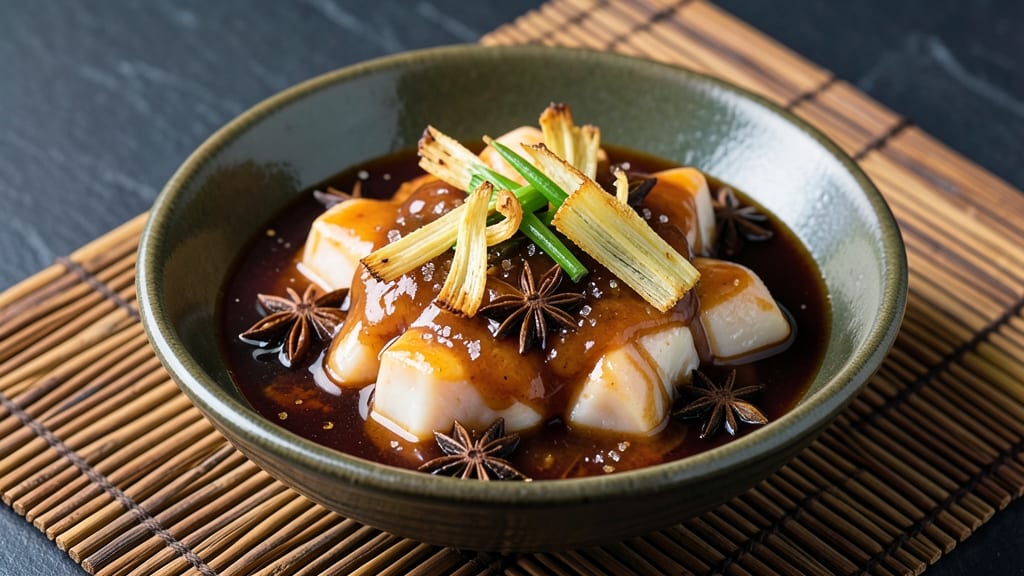
This authentic Chinese lobster sauce transforms ordinary dishes into restaurant-quality masterpieces with its deep umami richness and subtle sweetness. 🌟 The secret lies in fermented ingredients like soy sauce and Shaoxing wine, which develop complex flavors over time, while star anise and cloves add aromatic warmth that lingers on the palate.
Unlike store-bought versions, this recipe builds layers of flavor through slow reduction, creating a glossy, storable sauce that elevates everything from stir-fries to steamed seafood.
The foundation of this sauce begins with lobster stock—a non-negotiable for authenticity—paired with dark soy sauce for color and depth. A touch of sugar balances the saltiness, while celery crown (the leafy top) adds a delicate crunch and freshness that cuts through the sauce's richness.
The key technique? Simmering until thickened into a velvety consistency that clings beautifully to proteins, ensuring every bite delivers that signature Chinese restaurant experience at home.
What makes this sauce truly special is its versatility—drizzle it over steamed lobster tails, use it as a marinade for grilled meats, or incorporate it into stir-fries for an instant umami boost.
The fermented depth and balanced sweetness make it a pantry staple, while the optional spicy or vegetarian adaptations prove its adaptability. With just 15 minutes of active prep and 30 minutes of simmering, you'll have a jar of sauce that lasts for weeks, ready to transform any meal.
Perfect for seafood lovers or anyone craving the bold flavors of Chinese cuisine, this lobster sauce is the ultimate secret weapon. The slow reduction process ensures a smooth, glossy finish that's impossible to achieve with shortcuts, while the aromatic spices create a flavor profile that's both familiar and unexpectedly complex.
Once you taste the difference, store-bought versions won't stand a chance.
Ingredients for authentic chinese lobster sauce
Fermented depth meets delicate crunch in this umami-rich lobster sauce foundation.
| Ingredient | Amount | Notes |
|---|---|---|
| Lobster Stock 🦞 | 2 cups | Homemade or high-quality store-bought |
| Dark Soy Sauce 🥄 | ½ cup | For authentic color and depth |
| Shaoxing Wine 🍷 | ¼ cup | Dry Chinese cooking wine |
| Celery Crowns 🧅 | ½ cup | Leafy tops, finely chopped |
| Granulated Sugar 🍚 | 1 tbsp | Balances saltiness perfectly |
| Star Anise Pods 🌟 | 2 whole | For aromatic depth |
| Cloves 🌿 | 4 whole | Lightly crushed for flavor |
| Cornstarch Slurry 🌾 | 1 tbsp | 1 tbsp cornstarch + 1 tbsp water |
| Sesame Oil 🫒 | 1 tsp | For finishing aroma |
| Dried Shiitake Mushrooms 🍄 | 2 pieces | Rehydrated for umami |
The lobster stock is non-negotiable for authenticity—homemade yields the best results, but high-quality brands like Knorr or Pacific Foods work in a pinch. Dark soy sauce from Lee Kum Kee delivers that signature deep color and complex flavor profile. Shaoxing wine should be dry, not sweet—Kosher or King's Cup brands are reliable. Celery crowns add a subtle crunch and freshness that brightens the sauce; if unavailable, use fresh cilantro stems as a substitute. Star anise and cloves are essential for that aromatic warmth—Penzeys Spices carries high-quality whole spices that stay potent longer.
No lobster stock? Dungeness crab or shrimp stock works as a substitute, though the flavor will differ slightly. Dark soy sauce can be omitted if you prefer a lighter color, but the depth of flavor is lost. For a vegetarian adaptation, replace lobster stock with mushroom and seaweed stock. The cornstarch slurry is critical for achieving that signature glossy finish—don't skip this step. Dried shiitake mushrooms can be omitted, but their umami contribution is significant. If using pre-rehydrated mushrooms, pat them dry to avoid excess moisture in the sauce. The sugar balances the saltiness perfectly—adjust to taste if your soy sauce is particularly salty.
This sauce develops better with time—reheat gently to maintain its velvety consistency. Store in an airtight jar in the refrigerator for up to 2 weeks, or freeze for 3 months in ice cube trays for portion control. The celery crowns can be added fresh when serving to maintain their delicate crunch. For a spicy adaptation, add 1 tsp chili flakes at the end of cooking. Always stir well before using, as settling may occur during storage.
Why You'll Love This Recipe
- No-Stir Simplicity: I swear, this sauce comes together faster than I can light the stove—just simmer, taste, adjust. The celery crowns add depth without chopping, and the Shaoxing wine does half the flavor work for you.
- Umami Bomb: That dark soy and lobster stock combo? It’s like a flavor grenade—deep, salty-sweet, with just enough wine brightness to cut through. Honestly, I’ve used it on everything from dumplings to grilled fish, and it never lets me down.
- Party-Ready Secret: Between us, this is my go-to for last-minute dinner guests. Toss it with shrimp or tofu, drizzle over noodles, or even use it as a glaze for roasted veggies. (Yes, even on a Tuesday night.)
- Leftovers That Shine: Made a big batch? No problem. The sauce actually tastes better the next day—thicker, richer, and perfect for quick stir-fries or as a marinade. I’ve kept it in the fridge for a week without a single complaint.
Step-by-step instructions for authentic Chinese lobster sauce
Master this classic technique for a sauce that balances fermented depth with fresh celery crown crunch.
🍳 Step 1: Rehydrate and Infuse the Shiitake Mushrooms
Place the 2 pieces dried shiitake mushrooms in a small bowl and cover them with hot water. Let them soak for 15-20 minutes until they've absorbed the water and expanded significantly. This process unlocks their umami potential, which forms the aromatic foundation of the sauce.
While they soak, lightly crush the 4 whole cloves with the side of a knife—just enough to release their essential oils without grinding them into powder. Add these to the mushrooms along with the 2 whole star anise pods. The combination of these spices creates a complex aromatic base that will develop as the sauce simmers.
🍳 Step 2: Build the Flavor Base with Celery Crowns
In a clean saucepan, combine the 0.5 cup celery crowns with the 2 cups lobster stock. Bring to a gentle simmer over medium heat and cook for 8-10 minutes until the celery crowns are bright green and slightly softened but still retain their texture. This step is crucial—overcooking will turn them mushy and ruin the textural contrast.
Strain the mixture through a fine-mesh sieve, pressing gently on the celery crowns to extract maximum flavor. Set the strained stock aside and reserve the celery crowns for garnish. The strained liquid should have a vibrant green hue and carry the fresh, slightly bitter notes of celery that balance the sauce's richness.
🍳 Step 3: Develop the Sauce with Wine and Soy
Return the strained stock to the saucepan and add the 0.25 cup Shaoxing wine and 0.5 cup dark soy sauce. Increase heat to medium-high and bring to a boil, then immediately reduce to a gentle simmer. Cook for 5-7 minutes until the liquid reduces by about one-third and develops a glossy sheen.
Add the rehydrated shiitake mushrooms (squeeze out any excess water) and the 1 tbsp granulated sugar. Stir well and continue simmering for another 3-4 minutes until the sugar dissolves completely. The sauce should now have a rich, caramelized aroma with notes of fermented soy and mushroom umami. Taste and adjust seasoning—you may need a pinch more salt if your lobster stock was particularly mild.
🥘 Step 4: Thicken and Finish with Cornstarch
Prepare the 1 tbsp cornstarch slurry by whisking together 1 tbsp cornstarch with 1 tbsp water until completely smooth. Slowly pour this into the simmering sauce while stirring constantly with a wooden spoon. The sauce will begin to thicken immediately—keep stirring for 1-2 minutes until it reaches a glossy, velvety consistency that coats the back of a spoon.
Remove from heat and stir in the 1 tsp sesame oil. The aroma will deepen instantly, adding a nutty, toasty dimension to the sauce. The sesame oil should be distributed evenly throughout—this is what gives the sauce its signature finishing aroma. For best results, use the sauce immediately or store it in an airtight container in the refrigerator for up to 5 days.
Pro Tips For Making Authentic Chinese Lobster Sauce
- Bloom the Celery: Toss chopped celery crowns in a splash of Shaoxing wine for 5 minutes before adding to the sauce—this softens their tough fibers and infuses the alcohol deeper. I used to skip this, and the texture always felt off afterward.
- Simmer Slow and Steady: Once the sauce starts reducing, drop the heat to a bare simmer and resist the urge to rush. Lobster stock is delicate; boiling it turns it cloudy and dulls the flavor. My first batch looked murky until I learned this.
- Salt the Stock Early: Season the lobster stock with a pinch of salt before combining it with the sauce ingredients. This balances the final flavor more evenly—dark soy sauce is salty, and you’ll thank yourself when the taste isn’t overpowering.
- Reduce Sugar Gradually: Add the granulated sugar in two batches—half at the start, the rest when the sauce has reduced by half. This prevents a sudden spike in sweetness and lets the flavors meld naturally. I burned the first batch trying to rush it.
Essential equipment for this recipe
Saucepan Essentials
Start with a heavy-bottomed stainless steel saucepan like the All-Clad D5—it distributes heat evenly and prevents scorching during the 30-minute reduction. A 3-quart capacity is ideal for this recipe, giving you enough room to stir without splashing.
If you don’t have stainless steel, a well-seasoned cast iron skillet works too, but monitor heat closely to avoid burning the sauce. 🔥
Straining Tools
A fine-mesh sieve or china cap is critical for removing celery crowns while preserving their flavor. I recommend the OXO Good Grips—it’s sturdy and easy to clean. For maximum flavor extraction, press the celery crowns gently with a wooden spoon after straining.
If you don’t have a sieve, a clean kitchen towel lined with cheesecloth works in a pinch, though it’s messier.
Wooden Spoons
Use a heat-resistant wooden spoon (like Oxo’s bamboo or maple variety) to stir the sauce—it prevents scratching your pan and won’t melt like plastic. The grain of the wood also helps distribute the cornstarch slurry smoothly, ensuring a glossy, even consistency.
Avoid metal utensils during thickening to prevent lumps. 🌟
Spice Crushers
For crushing star anise and cloves, a mortar and pestle or rolling pin works best—just enough to bruise, not pulverize. I keep a small ceramic mortar on my counter for this purpose.
Avoid grinding into powder, as it can make the sauce taste bitter. If you’re short on time, a heavy-bottomed mug with a wine bottle works too!
Storage Containers
Store your finished sauce in glass mason jars (like Kerr or Ball brand) for up to 2 weeks in the fridge. They’re airtight, microwave-safe, and easy to label.
For longer storage, freeze in ice cube trays—each cube is perfect for a single serving. Avoid plastic containers, as they can absorb odors and shorten shelf life. 💫
Nutrition facts
Frequently asked questions
Can I make this sauce without lobster stock?
Yes, but the flavor will differ slightly. For a seafood alternative, use 2 cups of shrimp or crab stock. Vegetarians can substitute with a mix of mushroom and seaweed stock (like kombu) for umami depth. The key is ensuring your stock has enough saltiness to balance the sauce's sweetness.
How do I prevent the sauce from getting too thick?
Add the cornstarch slurry gradually while stirring constantly. If it thickens too much, thin it with 1-2 teaspoons of warm water or lobster stock. For best results, remove from heat immediately after reaching the desired consistency—overcooking will make it glue-like.
Can I make this sauce spicier?
Stir in 1-2 teaspoons of chili flakes or ½ teaspoon of ground Sichuan peppercorns at the end of cooking. For heat control, use a small amount first—you can always add more. The celery crowns also add a subtle freshness that balances the spice beautifully.
Why does my sauce look cloudy instead of glossy?
Cloudiness usually means the cornstarch wasn't fully dissolved or the sauce wasn't reduced enough. For a glossy finish, ensure your slurry is smooth (no lumps) and simmer until the sauce coats the back of a spoon. A quick fix: Reheat gently while stirring until it clarifies. The sesame oil finishing step also adds shine!
How long can I store this sauce?
Store in an airtight glass jar in the fridge for up to 2 weeks. For longer storage, freeze in ice cube trays (perfect for single servings) for 3 months. Thaw overnight in the fridge—never microwave directly. The flavors actually improve slightly after a few days of refrigeration!