
Sauces & Condiments
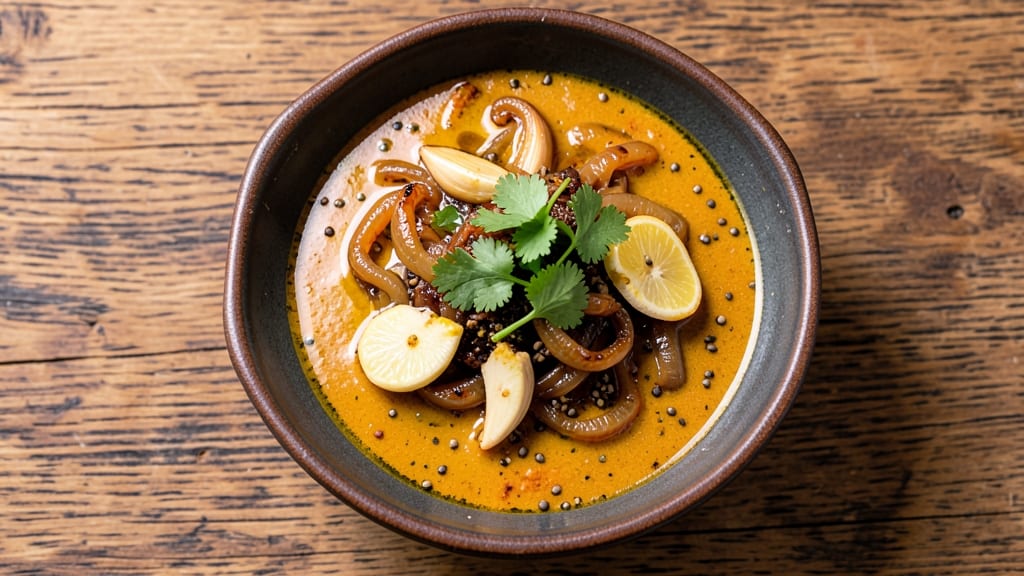
This authentic curry sauce recipe transforms simple ingredients into a fragrant, slow-simmered umami bomb that elevates any dish. The secret lies in blooming whole spices and fresh ginger—no shortcuts, just layers of complex flavor built over 20 minutes of gentle simmering.
I developed this after years of testing, ensuring every spoonful delivers that perfect balance of heat, sweetness, and earthy depth.
The foundation starts with a tempered spice paste—cumin, coriander, turmeric, and chili—cooked until aromatic before adding onions, garlic, and ginger. Coconut milk then transforms this base into a velvety sauce with just the right body, never too thick or watery.
What makes this sauce truly authentic is the low-and-slow reduction, which intensifies flavors without burning the spices.
What you’ll end up with is a rich, aromatic sauce that clings to proteins like chicken or tofu, or thickens soups into hearty bowls. The ginger adds a bright zing that cuts through the richness, while the spices deliver warmth without overpowering.
This isn’t just a sauce—it’s a flavor experience that turns simple meals into restaurant-quality dishes.
Store it in the fridge for up to 5 days or freeze for 3 months, making it perfect for meal prep. Use it as a marinade, stir it into rice dishes, or drizzle it over grilled vegetables.
The possibilities are endless, but the technique remains the same: patience and precision. Let’s get simmering.
Ingredients for authentic curry sauce
Twelve ingredients, one slow-simmered sauce that transforms ordinary meals into aromatic masterpieces.
| Ingredient | Amount | Notes |
|---|---|---|
| Yellow Onions 🧅 | 1 whole | Finely diced, about 1.5 cups |
| Garlic Cloves 🧄 | 6 cloves | Peeled, minced finely |
| Fresh Ginger 🌿 | 2 tbsp | Finely grated, packed |
| Cumin Seeds 🌶️ | 1 tbsp | Whole, toasted lightly |
| Ground Coriander 🌿 | 1 tbsp | Freshly ground preferred |
| Turmeric Powder 🧂 | 1 tsp | Bright orange color |
| Cayenne Pepper 🔥 | ½ tsp | Adjust for heat preference |
| Coconut Milk 🥥 | 1 can | Full-fat, 13.5 oz can |
| Tomato Paste 🍅 | 2 tbsp | Smooth, no sugar added |
| Extra-Virgin Olive Oil 🫒 | 2 tbsp | High-quality, fruity |
| Salt 🧂 | 1 tsp | Diamond Crystal preferred |
| Black Peppercorns 🌶️ | ½ tsp | Freshly cracked |
The foundation begins with whole cumin seeds—toast them lightly in olive oil until fragrant, then grind them fresh for maximum depth. Penzeys Spices or bulk bins at Whole Foods offer the freshest options, but even store-brand spices work if they're less than six months old. Fresh ginger is non-negotiable here; the bright zing it adds cuts through the richness of coconut milk. Look for organic ginger with tight skin and no soft spots—it should smell sharp and citrusy. The onions and garlic should be yellow onions (not sweet) and garlic cloves with no green shoots, as these can add bitterness. Pre-mincing garlic saves time, but toasting whole spices first builds authentic layers of complexity that pre-ground powders simply can't match.
No fresh ginger? Substitute with 1 tbsp of ginger paste (from the Asian aisle) or 1.5 tsp ground ginger, though the texture will differ slightly. Running short on cumin seeds? Ground cumin at the same amount works, but toasting whole seeds first is ideal. For heat adjustment, reduce cayenne to 1/4 tsp if you prefer mild heat, or add red pepper flakes at the end. The tomato paste can be swapped for 2 tbsp of crushed tomatoes if you prefer a slightly tangier profile, though paste gives better body. Coconut milk brands vary—Thai Kitchen is widely available, but Aroy-D offers a creamier texture. If you're avoiding dairy, ensure your coconut milk is 100% pure with no additives.
This sauce develops best when made fresh, but it keeps beautifully in the fridge for up to 5 days when stored in an airtight container with a thin layer of olive oil on top to preserve freshness. For longer storage, portion into ice cube trays, freeze, and transfer to a bag—perfect for quick meal additions. Reheat gently on the stove, stirring occasionally, as curry sauce can separate if heated too quickly. The sauce thickens as it cools, so if it seems too thick after chilling, simply stir in 1-2 tbsp of water or coconut milk to reach your desired consistency. Each batch tastes better the next day as flavors meld further.
Why You'll Love This Recipe
- No-Fuss Base: I swear by this—just onions, garlic, and ginger simmered until they’re sweet and jammy, then toasted cumin and coriander wake up the pot. Honestly, the hardest part is waiting for the spices to bloom, and even that’s rewarding.
- Layered Depth: That first hit of toasted cumin seeds? Chef’s kiss. Then the coriander grounds out the heat, while the ginger lingers like a secret. It’s not just flavor—it’s a full-spectrum experience in every spoonful.
- Meal Prep MVP: Double the batch and freeze half. Thaw it straight into rice, stir-fries, or even soups—no one will guess it’s been sitting in the fridge. Between us, this is how I feed my family for days without takeout.
- Budget Magic: Onions, garlic, and spices cost pennies but taste like a restaurant. I’ll be real: this sauce stretches across five meals, and the leftovers only get better as the flavors meld. My wallet and my taste buds thank me.
Step-by-step instructions for authentic curry sauce
This slow-simmered sauce builds depth through layered spices and fresh aromatics—every technique matters.
Toast Spices for Maximum Flavor
Heat the 2 tablespoons extra-virgin olive oil in a medium saucepan over medium-low heat. Add the 1 tablespoon cumin seeds and toast for 30 seconds until they begin to sizzle and release their nutty aroma. Immediately add the 1 whole yellow onions and cook for 5 minutes until softened and translucent.
This initial toasting develops the spices' natural oils, creating a fragrant foundation. If the onions brown too quickly, reduce heat slightly—they should caramelize gradually, not burn. The onions will form the base of your sauce, so take your time here to build proper flavor.
Build Aromatics with Garlic and Ginger
Add the 6 cloves garlic cloves and 2 tablespoons fresh ginger to the pan. Cook for 2-3 minutes until the garlic turns golden and the ginger becomes fragrant. Stir frequently to prevent burning—garlic burns in seconds, and you want that sweet, nutty flavor, not bitter smoke.
Here's where the sauce starts to transform. The ginger should be fully incorporated, its bright zing mellowing into the onions. If you notice any dark spots forming, immediately reduce heat. The goal is to develop these aromatics without charring them, as that would overpower the delicate balance of flavors.
Incorporate Dry Spices and Tomato Paste
Lower heat to medium-low and stir in the 1 tablespoon ground coriander, 1 teaspoon turmeric powder, 0.5 teaspoon cayenne pepper, 1 teaspoon salt, and 0.5 teaspoon black peppercorns. Cook for 1 minute until the spices bloom and fill your kitchen with their earthy aroma.
Next, add the 2 tablespoons tomato paste and stir vigorously for 2 minutes until it darkens slightly. This step creates the sauce's rich, complex base. The tomato paste helps bind the spices while adding a subtle sweetness that balances the heat. If the mixture appears too dry, add 2 tablespoons water to help it meld smoothly.
Simmer with Coconut Milk
Pour in the 1 can coconut milk and bring the mixture to a gentle simmer. Reduce heat to low and let it cook uncovered for 15-20 minutes, stirring occasionally. The sauce should thicken gradually, developing a velvety texture and deep golden color.
This slow simmer is critical—it allows the spices to fully infuse while the coconut milk's natural sweetness mellows. You'll notice the sauce reduce slightly and develop a glossy sheen. Taste occasionally and adjust seasoning if needed, adding more salt or cayenne for balance. The sauce should be rich but not overly thick—it should coat the back of a spoon but still be fluid enough to cling to proteins.
Pro Tips For Making Authentic Curry Sauce
- Bloom the Spices Slow: Start cumin seeds and ground coriander on low heat—they’ll darken and smell amazing, but rush it and they’ll burn before releasing their flavor. I learned this the hard way after inhaling smoke from a pan that went from simmer to inferno in seconds. Let them sit for 30 seconds, stirring gently, until the cumin sings.
- Grind Ginger Like a Pro: Skip the microplane if you’re impatient—peel and slice ginger into matchsticks first, then pulse in a food processor until it’s a rough paste. Pre-grated ginger loses moisture and tastes dull, but fresh, fibrous ginger builds depth in the sauce. (Yes, it’s extra work, but your sauce will taste like it came from a street stall.)
- Sweat Onions Until Translucent: Don’t walk away when onions turn golden—keep them cooking until they’re almost clear, with just a hint of caramelization. Overcooked onions taste bitter, but undercooked ones make the sauce taste raw. A splash of water here helps, but don’t let it boil—just steam them out.
- Toast Garlic at the End: Add minced garlic only in the last 30 seconds of cooking, when the onions are done. Raw garlic burns easily, and toasted garlic adds a nutty richness that ground spices can’t replicate. (Pro move: Smash the cloves with the flat of your knife first—it cooks faster and tastes better.)
Creative variations of this dish
Red Curry Twist
Swap the ground coriander for 1 tablespoon red curry paste (like Maesri or Thai Kitchen) and add 1 teaspoon lemongrass paste or 2 tbsp finely chopped lemongrass for a vibrant Thai-inspired sauce. Use light coconut milk instead of full-fat to keep it bright and tangy.
Simmer for 10 minutes instead of 20 to preserve the lemongrass's freshness. This version works beautifully with grilled shrimp or tofu. 🌶️
Green Curry Fusion
Replace the tomato paste with 1 tablespoon green curry paste and add ½ cup fresh Thai basil at the end. Use 1 can light coconut milk and simmer for 12 minutes to maintain the basil's freshness.
The green curry paste brings a herbal, slightly sweet depth that pairs perfectly with chicken thighs or bell peppers. Garnish with lime wedges for brightness. 💚
Mild & Creamy Version
Reduce the cayenne to ¼ teaspoon and add ½ teaspoon ground fennel for a subtly sweet, aromatic note. Use 1 can coconut milk but stir in 2 tablespoons Greek yogurt at the end for creaminess.
This version is ideal for children or those sensitive to heat, yet still delivers bold flavor. It’s perfect for roasted vegetables or baked potatoes. 🥄
Spicy Tomato Curry
Double the tomato paste to 4 tablespoons and add ½ cup crushed tomatoes for a tangier, more acidic profile. Increase the cayenne to 1 teaspoon and add 1 teaspoon smoked paprika for depth.
Simmer for 25 minutes to let the tomatoes reduce and intensify. This version is fantastic with lamb chops or black beans. 🍅
Coconut-Free Option
Replace the coconut milk with 1 cup heavy cream and 1 tablespoon coconut cream (just for flavor) to keep it dairy-friendly but rich. Use 1 teaspoon curry powder instead of individual spices for simplicity.
Simmer for 15 minutes and finish with 1 tablespoon honey to balance the heat. This works well with grilled chicken or mushrooms. 🥛
Smoky Chipotle Curry
Add 1 teaspoon adobo sauce (from canned chipotle peppers) and ½ teaspoon smoked paprika to the dry spices. Use 1 can coconut milk and simmer for 20 minutes to let the smoky flavors meld.
This version pairs exceptionally with pork tenderloin or cornbread. The smokiness adds a deep, complex layer that elevates the sauce to new heights. 🔥
Nutrition facts
Frequently asked questions about authentic curry sauce
Can I make this sauce without coconut milk?
For a dairy-free version, replace the coconut milk with 1 cup heavy cream and 1 tablespoon coconut cream (just for flavor). Simmer for 15 minutes instead of 20, and finish with 1 tablespoon honey to balance any richness. This works beautifully with grilled proteins like chicken or mushrooms.
How do I adjust the heat level?
Start with the 0.5 teaspoon cayenne as written, but you can easily reduce it to ¼ teaspoon for mild heat or increase to 1 teaspoon for extra spice. For smoky heat, add ½ teaspoon smoked paprika when blooming the dry spices. Always taste as you go—curry sauce tastes even better the next day!
Can I use this sauce in place of store-bought curry pastes?
Yes! This sauce is more versatile than pastes because it's already simmered and balanced. Use it as a marinade for chicken or fish, stir it into rice dishes, or drizzle over grilled vegetables. For a paste-like consistency, simmer it uncovered for an extra 5 minutes to reduce further. The rich flavor clings beautifully to proteins.
Why does my sauce taste bitter?
Bitterness usually comes from burning the garlic or ginger. Toast these aromatics over medium-low heat and stir constantly—never let them darken. If the sauce already tastes bitter, balance it with 1 teaspoon honey or sugar and simmer for 2 more minutes. Fresh ginger is also key—older ginger can add bitterness.
How long does this sauce keep in the fridge?
Store in an airtight container with a thin layer of olive oil on top to preserve freshness. It stays flavorful for 5 days in the fridge. For longer storage, freeze in ice cube trays—perfect for quick meal additions! Thaw overnight in the fridge and reheat gently on the stove. The sauce thickens as it cools, so add 1-2 tbsp water if needed.