
Sauces & Condiments
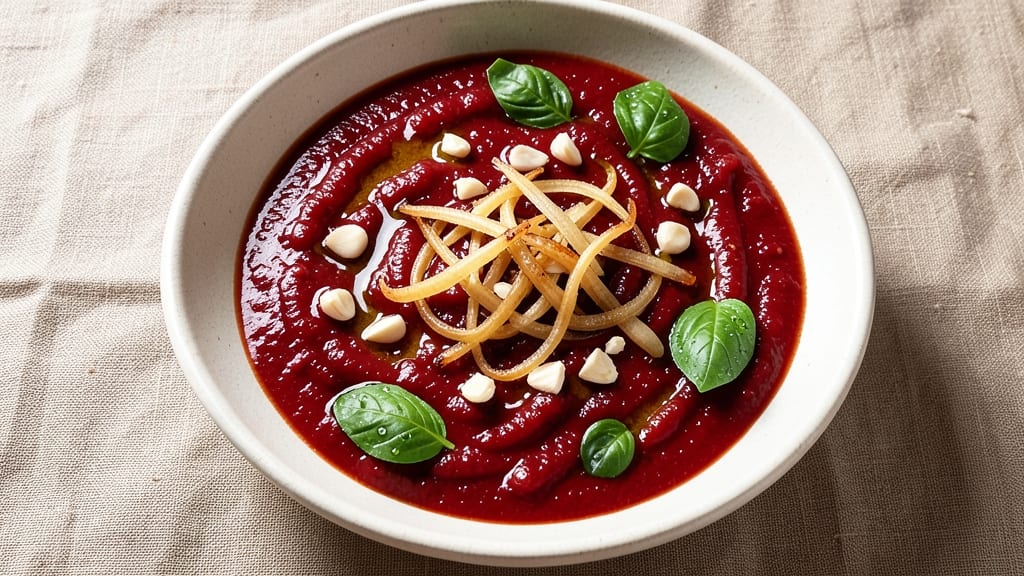
Jamie Oliver's pizza sauce recipe transforms simple ingredients into a vibrant, slow-simmered sauce that captures the essence of Italian-inspired cooking. I developed this version after years of perfecting the balance between sweet tomatoes, aromatic garlic, and fresh basil—just like Jamie would. The key lies in letting the flavors meld gradually, creating a sauce that's rich yet bright, perfect for homemade pizza nights.
This recipe starts with canned tomatoes, which provide a consistent base, but the magic happens in the slow simmer. We'll build depth with garlic, onions, and a touch of sugar to balance acidity, then finish with fresh basil for that signature Jamie Oliver zing.
The process is straightforward: chop, sauté, simmer, and blend—no complicated techniques required, just patience and attention to detail.
What you'll end up with is a velvety, aromatic sauce that's perfect for pizza, pasta, or even as a marinade. The slow cooking caramelizes the tomatoes naturally, creating a sweet-tangy flavor that's far more complex than store-bought versions.
This sauce keeps well in the fridge for up to a week, making it ideal for meal prep and busy weeknights.
Whether you're a pizza enthusiast or simply love great tomato sauce, this recipe delivers restaurant-quality flavor at home. The fresh basil adds a bright, herbal note that cuts through the richness, while the slow simmer ensures every spoonful is packed with depth. Let's get cooking!
Ingredients for pizza sauce recipe jamie oliver
Nine simple ingredients that build rich, aromatic pizza sauce with Jamie's signature fresh basil finish.
| Ingredient | Amount | Notes |
|---|---|---|
| San Marzano Tomato Cans 🍅 | 2 cans | Whole peeled tomatoes, crushed by hand |
| Yellow Onion 🧅 | 1 whole | Diced, about 1 cup |
| Garlic Cloves 🧄 | 4 cloves | Minced, not pre-minced jar |
| Extra-Virgin Olive Oil 🫒 | ½ cup | High-quality, fruity variety |
| Granulated Sugar 🍚 | 1 tbsp | Balances acidity naturally |
| Dried Oregano 🌿 | 1 tsp | Italian or Mediterranean blend |
| Salt 🧂 | 1 tsp | Diamond Crystal preferred |
| Black Pepper 🌶️ | ½ tsp | Freshly ground for best flavor |
| Fresh Basil Leaves 🌿 | ½ cup | Packed, stems removed |
San Marzano tomatoes are the secret here—their natural sweetness and low acidity make all the difference. Trader Joe's and Whole Foods carry them, but any high-quality canned tomatoes work in a pinch. The onions should be sweet, like Vidalia—yellow or red both work, just dice them small so they melt into the sauce. Garlic matters too: fresh cloves (not that sad pre-minced jar) give real depth. I always grab a big bunch and keep it in the fridge—half goes in the sauce, half gets torn over pizza later.
No San Marzano? Crushed tomatoes work fine—just add a pinch more sugar to balance. The dried oregano is non-negotiable for that Italian vibe, but if you're out, dried basil at half the amount gets you close. Olive oil quality shows here—cheap oil tastes cheap. For the basil, fresh is ideal, but dried works at one-third the amount if you're in a bind. Pro tip: Toast your garlic cloves in the olive oil for 30 seconds before adding onions—it mellows the raw bite and adds nutty depth.
This sauce tastes even better the next day as flavors meld. Store in a glass jar in the fridge for up to 1 week—the acidity helps preserve it naturally. Freeze extras in ice cube trays for single-serving pizza nights. I always double the batch because it disappears fast. The basil wilts fast after washing, so dry it thoroughly and store it in a damp paper towel in a baggie for freshness.
Why You'll Love This Recipe
- No-Fuss Pantry Staples: I swear by this sauce because it uses ingredients you already own—no specialty shopping. Open a can of San Marzano tomatoes, grab the onion and garlic from your crisper, and you’re halfway there. Honestly, the simplicity makes it my go-to when I’m too tired to hunt for fresh herbs.
- Sweet-Savory Balance: That touch of sugar? It’s not cheating—it’s magic. The San Marzano’s natural sweetness gets a little caramel boost from the sugar, while the olive oil and garlic deepen the richness. It’s the kind of sauce that makes even the simplest pizza taste like it’s from a Roman trattoria.
- Weeknight Hero: Between us, this sauce is my secret weapon for lazy nights. Toss it on store-bought crust, dollop it on grilled cheese, or use it as a marinara for pasta—it’s the one sauce that does it all. I’ve made it three times this month, and I still haven’t gotten sick of it.
- Makes Leftovers Worth It: The best part? It tastes just as good the next day. I’ll make a big batch on Sunday, store it in the fridge, and pull it out for quick meals all week. No sad, watery sauce here—this one keeps its depth, so every use feels like the first time.
Step-by-step instructions for Jamie Oliver's pizza sauce
Here's how to make a rich, balanced pizza sauce with layers of flavor.
Sauté the Onion Until Soft and Translucent
Heat the 0.5 cup extra-virgin olive oil in a medium saucepan over medium-low heat. Add the 1 whole yellow onion, diced, and cook for 8-10 minutes, stirring occasionally. You're looking for the onion to become soft and translucent—this removes its sharp bite and forms the base of your sauce.
Don't rush this step. The onion should break down completely and lose its raw smell. If it starts to brown too quickly, reduce the heat slightly. This foundational flavor carries through the entire sauce, so take your time here.
Add Garlic and Cook Until Fragrant
Once the onion is soft, add the 4 cloves minced garlic and continue cooking for 30-60 seconds until the garlic becomes fragrant but doesn't brown. Overcooking garlic turns it bitter, which will ruin your sauce.
I like to stir constantly during this step to prevent burning. You'll know it's ready when the kitchen fills with that irresistible garlic aroma—it should take less than a minute. This is where the magic starts to happen.
Crush the Tomatoes and Add to the Pan
Open the 2 cans San Marzano tomato cans and pour the tomatoes into a bowl. Using your hands, crush them against the side of the bowl to break them down into rough chunks—this creates a better texture than canned crushed tomatoes. Add the tomatoes to the pan along with the 1 tbsp granulated sugar, 1 tsp dried oregano, 1 tsp salt, and 0.5 tsp black pepper. Stir everything together.
The sugar helps balance the natural acidity of the tomatoes, while the oregano and pepper add depth. Don't skip this step—it's what transforms canned tomatoes into restaurant-quality sauce.
Simmer Until Thick and Concentrated
Bring the sauce to a gentle simmer over medium heat, then reduce the heat to low and let it cook uncovered for 25-30 minutes. Stir occasionally to prevent sticking. You're looking for the sauce to thicken noticeably and reduce by about one-third—it should coat the back of a spoon.
This slow simmering process develops the sauce's depth of flavor. If it starts to stick, add a splash of water, but try to avoid it. The sauce should be smooth with just a hint of chunkiness from the tomatoes. Taste and adjust seasoning if needed.
Finish with Fresh Basil and Cool
Remove the pan from heat and stir in the 0.5 cup fresh basil leaves, packed and stems removed. Let the sauce sit for 5 minutes to allow the basil to infuse its bright flavor. Then transfer the sauce to a bowl and let it cool to room temperature before using.
The basil adds that fresh, bright note that makes this sauce truly special. Don't skip this final step—it's what gives Jamie Oliver's signature pizza sauce its zing. Once cooled, your sauce is ready to use on your favorite pizza or store in the refrigerator for up to 5 days.
Pro Tips For Making Pizza Sauce Recipe Jamie Oliver
- Sweat the Onion First: Jamie’s recipe calls for raw onion and garlic, but I learned the hard way—sautéing them until soft (about 8-10 minutes) deepens the flavor without bitterness. Skip this, and your sauce will taste raw and sharp, no matter how long you simmer.
- Crush Those Garlic Cloves: Don’t mince—crush the garlic cloves with the flat side of your knife before adding them. This releases more oils and blends better into the sauce, giving you that rich, aromatic depth without clumps. (Yes, even if it looks messy.)
- Simmer Low and Slow: After adding the tomatoes, reduce heat to a gentle simmer (not a rolling boil) and let it cook uncovered for at least 20 minutes. This concentrates the flavors and thickens the sauce naturally—rushing it leaves it watery and dull.
- Use Less Sugar Than You Think: The recipe might call for a teaspoon, but I’ve found half that amount balances the acidity without making the sauce taste sweet. Taste as you go—you can always add more later, but you can’t take it out.
Troubleshooting this dish
Sauce Too Thin?
If your sauce ends up too watery after simmering, don't panic! The most common reason is rushing the cooking time. Jamie Oliver's method relies on that 25-30 minute low simmer—this lets moisture evaporate naturally.
If you're short on time, try adding 1 tbsp tomato paste at the start or simmering uncovered for an extra 10 minutes on low heat.
For a quick fix, mix 1 tsp cornstarch with 1 tbsp water, stir into the hot sauce, and simmer for 2 more minutes. 🔥
Overpowering Garlic?
Garlic is where many home cooks go wrong—it's easy to burn it or overdo it. If your sauce tastes bitter, you likely cooked the garlic too long.
Next time, add the 4 cloves minced garlic only after the onions are fully translucent, then remove the pan from heat for 30 seconds while you stir in the garlic. This stops cooking immediately.
For extra insurance, use garlic powder (½ tsp) instead of fresh—it's milder but still adds great flavor. 🧄
Sauce Too Acidic?
Store-bought canned tomatoes can sometimes be overly tangy, especially if they're not San Marzano. To balance the acidity, increase the sugar to 2 tbsp and add ½ tsp balsamic vinegar during the simmer.
For a more natural approach, add 1 small diced carrot with the onions—it sweetens the sauce as it cooks. Taste as you go and adjust gradually. The goal is a bright, balanced sauce, not sweet. 🍚
Basil Not Infusing?
Fresh basil can be tricky—it either overpowers or disappears. If your basil flavor seems weak, try finely chopping the leaves before adding them (no need to remove stems).
For extra infusion, heat the sauce with the basil for 1-2 minutes on low heat after removing from the stove, then cover and let it steep for 10 minutes before cooling. If you're using dried basil, add ½ tsp during the simmer instead of fresh. 🌿
Lumpy Texture?
Lumps happen when tomatoes aren't crushed properly or when the sauce isn't stirred enough. For a smoother texture, blend half the sauce after simmering and mix it back in. If you prefer some chunkiness (like Jamie does), just stir more frequently during cooking.
Another trick: Add 1 tbsp olive oil at the end—it helps emulsify the sauce naturally. 🥄
Fridge Storage Tips
This sauce tastes even better the next day, but proper storage prevents mold. Always cool the sauce completely before transferring to an airtight glass jar—hot sauce creates condensation that promotes bacterial growth.
Store in the fridge for up to 5 days or freeze in ice cube trays for single-serving pizzas. If the surface dries out, stir in 1 tsp water before reheating. The acidity helps preserve it, but don't leave it out for more than 2 hours. ❄️
Nutrition facts
Frequently asked questions
Can I make this pizza sauce without fresh basil?
If you don't have fresh basil, use ½ teaspoon dried basil instead—add it during the simmer with the oregano. For extra depth, combine ¼ teaspoon dried basil with ¼ teaspoon dried oregano. The flavor won't be identical, but it'll still taste delicious.
How do I adjust this sauce for a meaty pizza?
For a heartier pizza, reduce the sauce slightly by simmering uncovered for 5 extra minutes to concentrate the flavors. Add 1 teaspoon tomato paste at the start to thicken it naturally. The rich tomato base pairs perfectly with pepperoni, sausage, or mushrooms—just use about ⅓ cup sauce per 12-inch pizza to avoid sogginess.
What if I don't have San Marzano tomatoes?
Don't worry! Any high-quality canned tomatoes will work. For a sweeter sauce, use crushed tomatoes and add 1 extra tablespoon of sugar. If using diced tomatoes, crush them by hand for better texture. The key is balancing acidity—taste as you go and adjust with sugar or a pinch of balsamic vinegar.
Can I make this sauce in a slow cooker?
Yes, but with adjustments. Sauté the onions and garlic first, then transfer everything to the slow cooker. Cook on low for 3-4 hours or high for 1.5-2 hours, stirring occasionally. The texture will be slightly thinner, so simmer it on the stovetop for 10 minutes after to thicken. The flavors will develop beautifully this way!
How much sauce should I use per pizza?
For a 12-inch pizza, use about ⅓ to ½ cup sauce—spread it thinly to avoid sogginess. For a 16-inch pizza, double the amount. The sauce should be a flavorful base, not the star. If making a white pizza, reduce to 2 tablespoons per pizza for a light drizzle.