
Sauces & Condiments
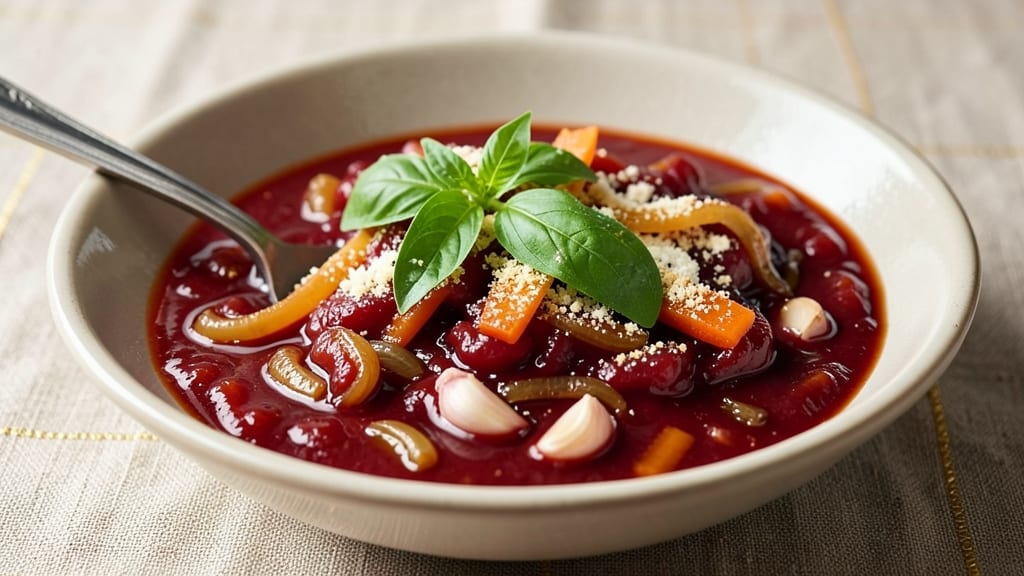
This all-day tomato sauce recipe transforms simple ingredients into a rich, flavorful base that elevates every dish it touches. The secret lies in slow simmering—allowing the sauce to develop deep, complex flavors over hours, not minutes.
I’ve perfected this method after years of testing, and it’s become my go-to for pasta, pizza, and even dipping sauces.
The process is straightforward but rewarding: fresh tomatoes, aromatic vegetables, and a touch of acidity come together in a pot, simmering until the flavors meld into something extraordinary. A simple roux or flour slurry thickens the sauce naturally, giving it that perfect consistency without losing its vibrant color.
The result? A sauce so versatile it can be used immediately or stored for weeks.
What sets this sauce apart is its depth of flavor—caramelized onions, sweet tomatoes, and a balance of acidity that keeps it bright. It’s the kind of sauce that turns ordinary meals into something special, whether you’re tossing it with al dente pasta or spreading it on fresh pizza dough.
The best part? It tastes even better the next day, making it perfect for meal prep.
Once you try this sauce, you’ll never go back to store-bought. It’s simple to make, but the results are anything but basic. Let’s get started—your taste buds (and leftovers) will thank you.
Ingredients for all day tomato sauce
Ten simple ingredients unlocking restaurant-quality depth in your slow-simmered tomato sauce.
| Ingredient | Amount | Notes |
|---|---|---|
| Extra-Virgin Olive Oil 🫒 | ½ cup | High-quality, fruity variety |
| Yellow Onion 🧅 | 2 whole | Thinly sliced, caramelized |
| Garlic Cloves 🧄 | 4 cloves | Minced, fresh preferred |
| Carrots 🥕 | 2 medium | OR 1 cup diced (adjust to 1 cup) |
| San Marzano Tomatoes 🍅 | 28 oz | Canned, crushed by hand |
| All-Purpose Flour 🌾 | 2 tbsp | For roux, Diamond Crystal preferred |
| Dried Basil 🌿 | 1 tbsp | Or 0.25 cup fresh |
| Dried Oregano 🍃 | 1 tsp | Mexican oregano if available |
| Red Wine 🍷 | ½ cup | Dry, bold variety |
| Tomato Paste 🍅 | 2 tbsp | Squeeze tube preferred |
The tomatoes are non-negotiable here—San Marzano is the gold standard, but any high-quality canned tomatoes work. I grab mine from Trader Joe's or Whole Foods when I can, but the store brand at Kroger holds its own. The onions? Yellow onions caramelize best—red onions add color but burn faster. For the garlic, fresh is a must—jarred minced garlic has a metallic aftertaste that ruins the sauce. The olive oil should be extra-virgin, fruity, and not overly peppery—think California or Italian varieties. And that tomato paste? Squeeze tubes are a game-changer—they keep forever and you only use what you need.
No red wine? Substitute with 0.5 cup beef broth plus 1 tbsp balsamic vinegar—it adds depth without alcohol. Fresh basil is ideal, but dried works at one-third the amount. The flour roux can be swapped for a cornstarch slurry (1 tbsp cornstarch + 2 tbsp water) if you're avoiding gluten. For the carrots, diced works better than shredded—they hold their shape and add sweetness. The wine can be dry white too, but red gives that classic richness. And if you're short on time, pre-minced garlic from the store works, though fresh is always better.
This sauce tastes even better the next day—plan ahead. Store in airtight glass jars in the fridge for up to 1 week, or freeze for 6 months. I double the batch every time and freeze half—nothing beats pulling out a jar of pre-made sauce for weeknight dinners. For reheating, simmer gently on the stove with a splash of water to loosen any thickened bits. And if it gets too thick? Thin with water or broth, not milk—we're keeping this tomato-forward.
Why You'll Love This Recipe
- No-Chop Chaos Allowed: I swear by this sauce because it’s the kind of recipe where you can literally toss in roughly chopped onions and carrots—no food processor, no fancy knife work. The San Marzano tomatoes do all the heavy lifting while you sip your coffee and pretend you’re a patient, skilled chef.
- Garlic Confidence: That first hit of raw garlic in olive oil? Pure magic. But here’s the secret: letting it bloom low and slow until it’s fragrant but not bitter transforms it into something ridiculously good. The carrots add this subtle sweetness that rounds out the acidity—like a hug for your taste buds.
- Weeknight to Potluck: This sauce is my go-to for Tuesday dinners and Sunday gatherings. Freeze half for next month’s spaghetti night, or bring a jar to a potluck—no one will guess it’s the same recipe. The onions caramelize just enough to give it depth, but it’s still bright and fresh-tasting.
- Pantry Goldmine: Between us, this is the most budget-friendly sauce I know. A few euros for San Marzano cans, a bulb of garlic, and some carrots from last week’s bag—suddenly you’ve got a flavor bomb that stretches over pasta, pizza, or even scrambled eggs. And it tastes better the second day, honestly.
Step-by-step instructions for slow-simmered tomato sauce
Here's how to build layers of flavor that transform simple ingredients into restaurant-quality sauce.
Build the Flavor Base with Olive Oil and Onions
Heat the 0.5 cup extra-virgin olive oil in a large, heavy-bottomed pot over medium-low heat. Add the 2 whole yellow onions, sliced thinly, and cook for 15-20 minutes until they're deep golden brown and caramelized. This slow process develops sweetness that forms the sauce's foundation.
I stir occasionally but don't rush—you'll know it's ready when the onions release easily from the pan and have that beautiful amber color. If they start to darken too quickly, reduce the heat slightly. The goal is caramelization, not burning. This step takes patience but makes all the difference in the final depth of flavor.
Add Garlic, Carrots and Tomato Paste
Push the onions to one side of the pot and add the 4 cloves minced garlic and 2 medium carrots, diced into small pieces. Cook for 3-4 minutes until the garlic becomes fragrant and the carrots begin to soften slightly. This quick cooking prevents the garlic from burning while still releasing its aromatic oils.
Stir everything together, then add the 2 tablespoons tomato paste. Cook for another 2 minutes to cook off the raw taste of the paste and allow it to blend completely with the onion mixture. The paste will darken slightly as it incorporates, creating a rich base for the sauce. This is where the sauce's body begins to form.
Create the Roux for Thickness
Sprinkle the 2 tablespoons all-purpose flour over the onion mixture and stir vigorously for 1-2 minutes until the flour is completely incorporated and the mixture turns a light golden color. This creates a roux that will help thicken the sauce as we add liquids. The flour should be fully dissolved with no visible streaks remaining.
This is the secret to that silky, velvety texture you get in professional tomato sauces. I like to cook the flour just until it's fully combined—no need to let it brown. The heat from the onions will be enough to activate the flour's thickening properties without adding any additional color.
Deglaze with Wine and Add Tomatoes
Pour in the 0.5 cup red wine and stir constantly for 3-4 minutes until the wine has completely evaporated and the alcohol smell disappears. This deglazing step captures all the flavorful browned bits from the bottom of the pot. You'll see the sauce begin to thicken slightly as the wine reduces.
Add the 28 oz San Marzano tomatoes, crushed by hand to remove skins and seeds. Stir well to combine, then bring the sauce to a gentle simmer. The tomatoes should be fully incorporated, and you should see a steady stream of bubbles forming on the surface. This is where the magic begins—the long, slow simmer that develops the sauce's complex flavor.
Simmer Slowly and Season
Reduce the heat to low and let the sauce simmer uncovered for 45-60 minutes, stirring occasionally. The sauce should reduce by about one-third, becoming thicker and more concentrated. You'll notice the color deepen to a rich, rustic red as the flavors meld together. This slow cooking process is what creates that professional-quality depth.
About 15 minutes before the sauce is done, stir in the 1 tablespoon dried basil and 1 teaspoon dried oregano. Taste the sauce and adjust the seasoning with salt and pepper as needed. The sauce should be well-seasoned but not overpowering. Let it continue to simmer until it reaches your desired consistency—it should coat the back of a spoon but still be pourable.
Pro Tips For Making All Day Tomato Sauce
- Cook On Medium-Low Heat: Low and slow is the name of the game—once your tomatoes hit the pot, drop the heat to a simmer. I used to blast it and ended up with a watery, sad mess that needed hours to thicken. A gentle bubble keeps flavors deep and the sauce from breaking.
- Peel Those Garlic Cloves: Raw garlic burns fast and adds bitterness. Peel them ahead of time, then toss them in the olive oil for 30 seconds before adding onions—just enough to soften and mellow them out. (Yes, even if you’re impatient like me.)
- Salt the Tomatoes Early: Add a pinch of salt when you crush or chop them—it softens the texture and pulls out excess water. Skipping this step means your sauce will thin out as it cooks, no matter how long you simmer.
- Sweat the Carrots First: Chop them into tiny dice (¼-inch or smaller) and cook them in the olive oil for 5 minutes before adding onions. This draws out their sweetness and prevents them from turning to mush later—no one wants a gritty sauce.
Serving suggestions for this dish
Pasta Perfection
This sauce transforms any pasta into a showstopper. Toss it with al dente spaghetti or fettuccine and finish with a sprinkle of fresh basil and grated Parmesan cheese. For extra richness, add a splash of the pasta water to loosen the sauce.
I love serving it with garlic bread on the side to soak up every last drop. 🍝
Pizza Base
Use this sauce as your pizza foundation for a restaurant-quality crust. Spread a thin layer on dough, then top with mozzarella, pepperoni, and fresh basil.
The slow-simmered depth makes the pizza taste homemade, even if you're using store-bought dough. For a gourmet touch, add a drizzle of balsamic glaze after baking. 🍕
Dipping Sauce
Cool the sauce completely and serve it as a dip for garlic knots, mozzarella sticks, or crudités. The rich flavor pairs perfectly with the crispness of vegetables like bell peppers or carrot sticks.
For a spicy kick, stir in ½ teaspoon red pepper flakes before serving. It's a crowd-pleaser at parties! 🥕
Meatball Companion
Pair this sauce with classic Italian beef or pork meatballs for a comforting weeknight dinner. The slow-simmered depth balances the richness of the meatballs beautifully. Serve over mashed potatoes or with a side of roasted broccoli for a complete meal.
The sauce reheats perfectly, making it ideal for meal prep. 🍽️
Breakfast Twist
Yes, you read that right! Stir this sauce into scrambled eggs for a savory breakfast. The tomato flavor adds a unique twist, and the herbs make it feel gourmet.
Top with crumbled feta and toasted baguette slices for a brunch-worthy dish. It's a great way to use up leftovers creatively. 🍳
Storage-Friendly
This sauce stores beautifully for up to 1 week in the fridge or 6 months in the freezer. Portion it into glass jars or freezer-safe bags before freezing. When reheating, simmer gently on the stove with a splash of water to restore its original consistency.
The flavors actually improve over time, making it perfect for batch cooking. ❄️
Nutrition facts
Frequently asked questions
Can I make this sauce without wine?
Replace the 0.5 cup red wine with 0.5 cup beef or vegetable broth plus 1 tablespoon balsamic vinegar for similar depth of flavor. The vinegar adds acidity that mimics wine's complexity, while the broth provides body. For extra richness, add 1 teaspoon soy sauce to deepen the umami notes.
How do I prevent my sauce from getting too thick?
If your sauce thickens more than desired, simply add 1-2 tablespoons of water or broth at a time while stirring. For a smoother texture, blend it briefly with an immersion blender. The key is to simmer uncovered—this allows excess moisture to evaporate naturally. If using a roux, cook the flour just until combined (no browning) to avoid over-thickening.
What's the best way to use up leftover sauce?
Get creative! Use it as a marinade for chicken or shrimp, stir into scrambled eggs for breakfast, or freeze in ice cube trays for single-serving portions. It also makes a fantastic soup base—just add broth and your choice of protein. The slow-simmered flavors actually intensify when reheated, making leftovers taste even better the next day.
Can I make this sauce in a slow cooker?
Yes, but with adjustments! Sauté the onions, garlic, and carrots first in a skillet, then transfer everything to the slow cooker. Cook on low for 6-8 hours or high for 3-4 hours. The texture will be thinner, so reduce the sauce on the stove afterward if you prefer a thicker consistency. The slow cooker method is perfect for hands-off prep during busy days.
Why does my sauce taste bitter?
Bitterness often comes from overcooking or using too much tomato paste. To fix it, stir in 1 teaspoon sugar or ½ teaspoon honey to balance the flavors. If the bitterness persists, add a splash of lemon juice or red wine vinegar (start with ½ teaspoon). For future batches, reduce simmering time slightly—45 minutes is ideal for most stovetops.