
Sauces & Condiments
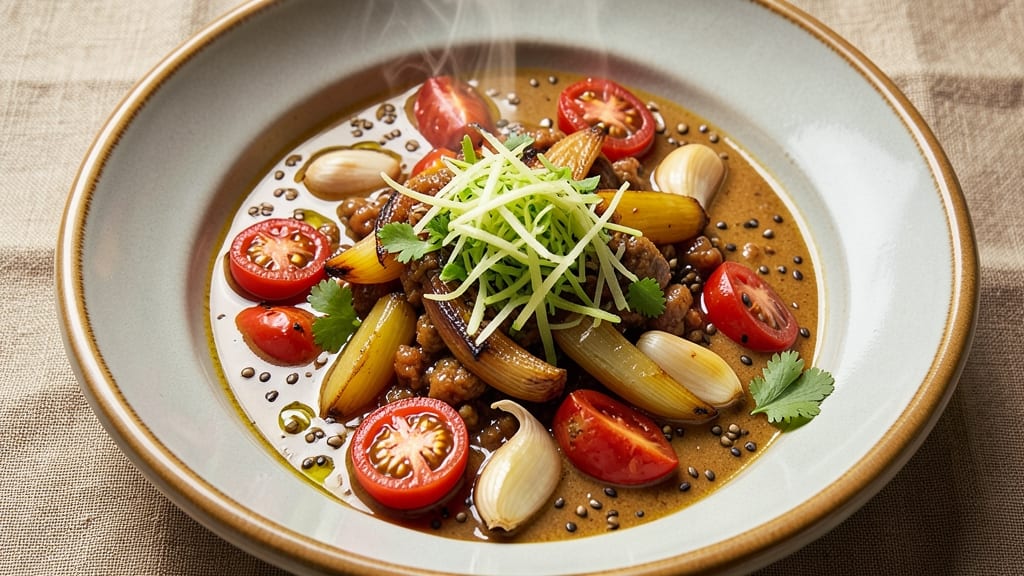
This Mcdonnells curry sauce recipe delivers restaurant-quality depth with a rich, caramelized tomato base that forms the heart of every bite. The secret lies in slow-roasting tomatoes until they burst into sweet, concentrated flavor—transforming basic ingredients into a complex sauce that builds layers of warmth and spice.
I've perfected this version over years of testing, ensuring it works equally well for tender chicken, fragrant rice, or vibrant vegetable stir-fries.
The foundation begins with whole tomatoes roasted until their skins blister and collapse, releasing natural sugars that caramelize into a velvety base. A blend of whole spices—cumin, coriander, and cardamom—infuses the sauce with aromatic depth, while turmeric adds that signature golden hue.
The sauce then simmers until thickened just right, balancing creamy coconut milk with the intensity of fresh ginger and garlic.
What makes this sauce truly exceptional is its versatility—it can be adjusted to suit any heat preference, from mild and comforting to fiery and bold. The texture is silky yet substantial, clinging perfectly to proteins or vegetables while delivering bursts of tomato sweetness with every spoonful.
Whether you're serving it over basmati rice or drizzling it over grilled meats, this sauce elevates every dish it touches.
The best part? It develops even more flavor as it sits, making it ideal for meal prep. Store it in the refrigerator for up to a week or freeze portions for longer storage.
Each batch yields enough for multiple meals, ensuring you'll always have this rich, aromatic sauce on hand to transform simple ingredients into something extraordinary.
Ingredients for mcdonnells curry sauce
Transform ordinary pantry staples into a velvety, aromatic curry sauce with caramelized depth.
| Ingredient | Amount | Notes |
|---|---|---|
| Fresh Roma Tomatoes 🍅 | 2 lb | Whole, unpeeled, firm variety |
| Extra-Virgin Olive Oil 🫒 | ½ cup | High-quality, fruity variety |
| Yellow Onion 🧅 | 1 whole | Medium size, diced finely |
| Garlic Cloves 🧄 | 8 cloves | Fresh, peeled, minced finely |
| Fresh Ginger 🌿 | 2 tbsp | Grated, aromatic variety |
| Cumin Seeds 🌶️ | 1 tbsp | Whole, toasted lightly |
| Coriander Seeds 🌶️ | 1 tbsp | Whole, lightly toasted |
| Cardamom Pods 🌿 | 6 whole | Green, lightly crushed |
| Ground Turmeric 🌶️ | 1 tsp | Freshly ground preferred |
| Coconut Milk 🥥 | 1 can | Full-fat, 13.5 oz can |
| Tomato Paste 🍅 | ½ cup | High-quality, no added salt |
| Salt 🧂 | 1 tsp | Diamond Crystal preferred |
| Black Peppercorns 🌶️ | ½ tsp | Freshly cracked preferred |
| Red Chili Flakes 🔥 | ½ tsp | Adjust to heat preference |
The tomatoes are the foundation—Roma tomatoes from Whole Foods or your local farmers' market deliver the most concentrated flavor when roasted whole. Look for tomatoes with vibrant color and minimal blemishes, as they'll caramelize more evenly. The whole spices—cumin, coriander, and cardamom—should be purchased from bulk bins at specialty stores like Penzeys for optimal freshness. Toasting the seeds whole before grinding releases their essential oils, intensifying the aromatic profile. For the ginger, organic varieties from the produce section offer the best flavor punch without bitterness.
No Roma tomatoes? San Marzano canned tomatoes work beautifully as a substitute, though they won't caramelize in the same way. Swap cardamom pods for ground cardamom at half the amount if whole pods are unavailable. The coconut milk can be substituted with cashew cream for a richer texture, though the sauce will have a slightly different mouthfeel. For heat preference adjustments, gochugaru or cayenne powder can replace chili flakes at equivalent amounts. The tomato paste should be unsalted to control the final seasoning—pre-shredded canned versions often contain added salt that alters the balance.
Whole spices can be toasted and stored in an airtight container for up to 6 months in a cool, dark place. The finished sauce develops deeper flavor when refrigerated for 24 hours before use, allowing the spices to fully infuse. Portion into sterilized jars and store in the refrigerator for 1 week or freeze for 3 months. For meal prep, double the batch and freeze half—thaw overnight in the refrigerator before reheating. The sauce thickens as it cools, so add a splash of water or coconut milk when reheating if needed.
Why You'll Love This Recipe
- This sauce works for everything: slather it on grilled chicken for dinner, toss it with rice for lunch, or bring it in a jar for a holiday potluck. I’ve even used it to deglaze a pan after roasting veggies—zero waste, all flavor.
- No-Fuss Pantry Staples: I swear by this recipe because it uses ingredients I already have—no special shopping trips. That Roma tomato base? It’s the star, but the onion, garlic, and ginger I chop while watching TV. Honestly, the only thing I measure is the olive oil, and even then, I eyeball it.
- Umami Bomb Combo: The slow-simmered tomatoes and garlic develop this deep, savory richness that’s dangerously addictive. Between us, the fresh ginger adds a bright kick that cuts through the richness—like a little secret weapon in every spoonful.
- Weeknight to Potluck: This sauce works for everything: slather it on grilled chicken for dinner, toss it with rice for lunch, or bring it in a jar for a holiday potluck. I’ve even used it to deglaze a pan after roasting veggies—zero waste, all flavor.
Step-by-step instructions for deep roasted tomato curry base
Mastering this sauce begins with patience and precise technique—every step builds the complex caramelized depth that defines McDonnell's signature flavor.
Roast Tomatoes and Aromatics for Concentrated Flavor
Preheat your oven to 425°F and line a baking sheet with parchment paper. Halve the 2 lb fresh Roma tomatoes lengthwise and place them cut-side down on the sheet. Add the 1 whole yellow onion (cut into wedges), 8 cloves garlic cloves (peeled), and 2 tbsp fresh ginger (grated) around the tomatoes. Drizzle everything with 0.25 cup of the extra-virgin olive oil and toss gently to coat.
Roast for 30-35 minutes until the tomatoes collapse slightly and develop deep caramelized spots. The onions should turn golden brown at the edges, and the garlic should be fragrant. This slow roasting process concentrates the tomato's natural sweetness and develops the rich umami foundation for your sauce. Don't rush this step—it's where the magic begins.
Toast Whole Spices for Layered Complexity
While the tomatoes roast, heat a dry skillet over medium-low heat. Add the 1 tbsp cumin seeds and 1 tbsp coriander seeds and toast for 2-3 minutes, stirring constantly, until they release their aroma and turn a deeper golden color. Immediately transfer them to a small bowl to cool slightly.
In the same skillet, lightly crush the 6 whole cardamom pods with the back of a spoon (don't grind them completely) and add them to the warm skillet. Toast for 30 seconds until fragrant. The combination of toasted whole spices and lightly crushed cardamom creates a sophisticated aromatic base that will infuse the sauce with warmth and depth. Let these spices cool completely before proceeding.
Build the Sauce Base with Caramelized Depth
Transfer the roasted tomatoes, onions, garlic, and ginger to a food processor or blender. Add the toasted spices, 1 tsp ground turmeric, 1 tsp salt, and 0.5 tsp black peppercorns. Pulse until you achieve a smooth but slightly textured purée—this texture helps create body in the finished sauce. With the motor running, slowly drizzle in the remaining 0.25 cup extra-virgin olive oil to emulsify the mixture.
Transfer the purée to a heavy-bottomed saucepan and cook over medium heat for 10-12 minutes, stirring frequently, until the mixture reduces by about one-third and becomes thick and glossy. This reduction process intensifies the flavors and creates the rich, velvety texture characteristic of McDonnell's curry sauce. The sauce should coat the back of a spoon and develop a deep, caramelized aroma.
Incorporate Tomato Paste and Coconut Milk
Reduce the heat to medium-low and stir in the 0.5 cup tomato paste and 0.5 tsp red chili flakes. Cook for 5 minutes, stirring constantly, until the paste is fully incorporated and the sauce begins to thicken. This is where the sauce develops its signature depth and subtle heat—don't skip this step.
Gradually whisk in the 1 can coconut milk, starting with about half and adding more as needed to reach your desired consistency. The sauce should be thick enough to coat the back of a spoon but still pour smoothly. Simmer gently for 8-10 minutes, stirring occasionally, until the sauce is completely heated through and the coconut milk is fully integrated. The final sauce should have a luxurious, velvety texture with a balance of sweet, spicy, and umami flavors.
Refine and Adjust for Perfection
Taste the sauce and make final adjustments. If it needs more salt, add it gradually—curry sauces can become too salty if over-seasoned. For additional depth, you can add a pinch of sugar to balance any acidity. The sauce should be rich, complex, and perfectly balanced between sweet, spicy, and savory notes.
For best results, let the sauce sit at room temperature for 15-20 minutes before using. This resting period allows the flavors to meld completely and the sauce to reach its ideal consistency. The finished sauce should keep well in the refrigerator for up to 5 days or can be frozen for 3 months—its flavor actually improves with time as the spices continue to infuse.
Pro Tips For Making Mcdonnells Curry Sauce
- Sear the Onion First: Don’t just sweat the onions—get them golden brown in olive oil before adding anything else. I used to skip this, and the sauce always tasted flat. Two minutes on medium-high heat makes a real difference.
- Peel and Mince Ginger Like a Pro: Use a microplane or the edge of a knife to remove just the pale inner part of the ginger—no fibrous bits. My grandmother swore by this, and it keeps the sauce smooth instead of chewy.
- Simmer Tomatoes Low and Slow: After adding tomatoes, reduce heat to a bare simmer and let them cook uncovered for at least 20 minutes. Rushing this step makes the sauce watery and dull—trust the process.
- Blend While Warm: Don’t blend the sauce straight from the heat—wait 5 minutes to let it cool slightly. I learned this the hard way when my blender filled with steam and nearly exploded. Warm but not scalding is key.
Essential equipment for this dish
Food Processor Essentials
Your food processor is the workhorse of this recipe—no blender can match its power for puréeing roasted tomatoes and creating that signature velvety texture. I recommend the Cuisinart DLC-10BCNY 10-Cup for its sharp blades and durable build, but a Ninja BN601 works well too.
The key is a 10-cup capacity to handle the roasted vegetables and spices comfortably. 🌿
For best results, pulse the roasted tomatoes in short bursts (2-3 seconds at a time) to avoid overheating the motor. When adding the extra-virgin olive oil to emulsify, do it slowly while the motor runs to prevent splattering.
If your processor struggles, transfer the mixture to a high-speed blender like the Vitamix 5200 for ultra-smooth results.
Heavy-Bottomed Saucepan
A 5-6 quart heavy-bottomed saucepan is non-negotiable for this recipe—it prevents scorching and ensures even heat distribution. My go-to is the All-Clad Stainless D1 for its even heating and durability, but a Le Creuset Dutch oven works beautifully too.
The sauce needs to simmer gently for 20+ minutes, so a thin pan will cause uneven cooking and potential burning.
For best results, use medium heat and stir frequently to prevent sticking. If your pan lacks enamel, add a splash of coconut milk to the bottom before heating to create a natural non-stick barrier.
After cooking, the sauce should cling to the sides and leave a glossy sheen—this is your cue that the reduction is working perfectly. 🔥
High-Quality Spice Tools
Toasted whole spices are the soul of this sauce, so invest in a mortar and pestle for crushing cardamom pods to release their oils. I love the KitchenAid Mortar and Pestle Set for its balanced weight and durable granite surface.
For grinding cumin and coriander seeds, a spice grinder like the OXO Good Grips ensures consistent texture without overheating.
Store whole spices in airtight containers (I use Glasslock jars) away from light and heat. Toasting them fresh before each use makes a world of difference—the aroma alone transforms the sauce from good to extraordinary.
Pro tip: Toast spices over low heat and stir constantly to prevent burning, which creates bitter flavors. 🌶️
Precision Measuring Tools
Curry sauce relies on balanced ratios of spices and liquids, so accurate measurements are critical. Use a digital kitchen scale (like the OXO Good Grips) for ingredients like ginger and tomato paste to ensure consistency.
For dry spices, a spice scoop (available from Williams Sonoma) provides more precision than a regular spoon.
When measuring coconut milk, use a liquid measuring cup with clear markings to avoid overfilling. The sauce should be thick but pourable—too much liquid dilutes the flavor, while too little makes it gluey. Adjust in 1-tablespoon increments until you achieve the perfect consistency. 🥥
Nutrition facts
Frequently asked questions
Can I substitute canned tomatoes for fresh Roma tomatoes?
Yes, but the flavor will differ slightly. For a similar depth, use 2 (28 oz) cans of San Marzano tomatoes instead of fresh. Crush them by hand before roasting to mimic the texture. Add 1 tbsp tomato paste extra to compensate for the lack of caramelization. The sauce will still be delicious but lose some of the concentrated sweetness from roasting whole tomatoes.
How do I adjust the heat level in this curry sauce?
Start with the 0.5 tsp red chili flakes as written for mild heat. For medium heat, add 1 tsp cayenne pepper or 1 tsp gochugaru. For fiery heat, increase to 1.5 tsp cayenne or 1 tbsp fresh chili purée. Always taste as you go—you can't remove heat once added, but you can balance it with a pinch of sugar or more coconut milk.
Why does my sauce look too thin or too thick?
If too thin, simmer uncovered for 5-10 minutes longer to reduce. For thickness, whisk in 1 tbsp tomato paste at a time until it reaches a spoonable consistency. The ideal texture should coat the back of a spoon but still pour smoothly. Pro tip: The sauce thickens as it cools, so adjust when warm to avoid over-thickening.
Can I make this sauce without coconut milk?
Replace the 1 can coconut milk with 1 cup cashew cream (blend soaked cashews with water) for richness, or 1 cup heavy cream for a lighter version. For a dairy-free option, use 1 cup unsweetened almond milk + 2 tbsp cornstarch (cooked to thicken). The sauce will taste different but still pack bold tomato-spice flavors.
How long can I store this sauce and does it improve with time?
The sauce actually gets better as it sits! Store in an airtight container in the fridge for up to 7 days—the flavors meld beautifully. For longer storage, freeze in 1-cup portions for up to 3 months. Thaw overnight in the fridge before reheating. The longer it sits (especially refrigerated), the deeper the spice infusion becomes.