
Sauces & Condiments
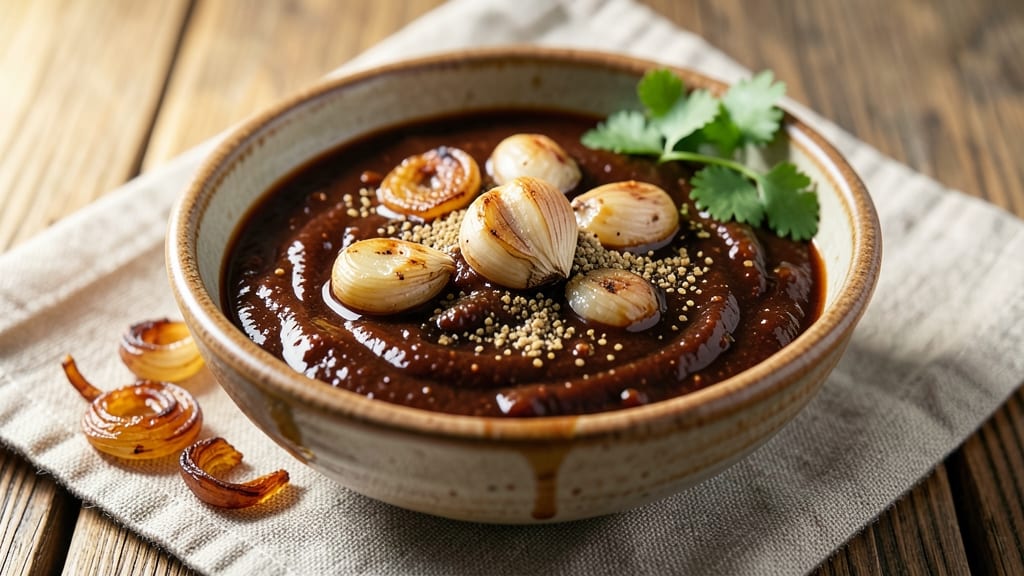
This ancho barbecue sauce recipe transforms smoky ancho chiles into a versatile, rich sauce that elevates grilled meats and marinades. 🔥 The key lies in roasting the tomatoes and blending them with charred chiles, creating layers of depth that store-bought sauces simply can't match.
I developed this after years of experimenting with smoky rubs, and it's become my go-to for adding complexity to everything from ribs to tacos.
The sauce begins with a base of roasted tomatoes and ancho chiles, simmered with vinegar, sugar, and spices until thick and balanced. What makes this recipe special is the way the smoky ancho chile flavor melds with the sweetness of the tomatoes, creating a sauce that's both bold and approachable.
The process is straightforward, but the result is restaurant-quality—perfect for glazing, marinating, or serving as a dip.
By the time you're done, you'll have a sauce that's rich, slightly sweet, and deeply smoky with just the right amount of heat. It's the kind of sauce that transforms simple grilled chicken into a showstopper or turns basic tacos into a gourmet experience.
The best part? It keeps well in the fridge for up to two weeks, so you can make a big batch and use it all season long.
Whether you're slow-cooking brisket, grilling shrimp, or making a batch of smoky wings, this sauce delivers consistent, professional results. Let's get started—your taste buds will thank you.
Ingredients for ancho barbecue sauce
Smoky ancho chiles and roasted tomatoes create this restaurant-quality barbecue sauce.
| Ingredient | Amount | Notes |
|---|---|---|
| Ancho Chiles 🌶️ | 4 whole | Stems/seeds removed, dried |
| Roma Tomatoes 🍅 | 1 ½ lb | Roasted until charred |
| Apple Cider Vinegar 💧 | ½ cup | For tangy brightness |
| Granulated Sugar 🍯 | ¼ cup | Balances smokiness |
| Garlic Cloves 🧄 | 4 cloves | Peeled, roasted with tomatoes |
| Ground Cumin 🌿 | 1 tbsp | Earthy depth |
| Smoked Paprika 🌶️ | 1 tbsp | Enhances smokiness |
| Olive Oil 🫒 | ¼ cup | Extra-virgin preferred |
| Salt 🧂 | 1 tsp | Kosher or sea salt |
| Black Pepper 🌶️ | ½ tsp | Freshly ground |
Ancho chiles are the heart of this sauce—look for dried, not canned. Mexican markets or the Latin aisle at Whole Foods usually carry them, but Trader Joe's often has them too. If you can't find them, pasilla chiles work in a pinch, but they're milder. Roast the tomatoes and garlic until charred—this adds that deep, smoky-sweet flavor that separates homemade sauce from store-bought. Charred skin means better flavor, so don't skip this step. The Roma tomatoes should be firm, not mushy, and the garlic should be fresh with no green shoots.
No ancho chiles? Double the smoked paprika and add 1/2 tsp cayenne for heat. Stuck with canned tomatoes? Roast them anyway—just drain well. The vinegar should be apple cider or white wine vinegar (no balsamic). For extra depth, toast the cumin seeds whole before grinding, but pre-ground works fine. The olive oil matters here—use something fruity and peppery, not the cheap stuff. If you're short on time, blend the sauce slightly thicker and thin with water later.
This sauce keeps beautifully—2 weeks in the fridge or 6 months frozen. I like to portion it into small jars so I can grab just what I need. The flavor actually improves after a day or two as everything melds. For the best results, stir well before using—the spices settle. If it gets too thick, just add a splash of water or vinegar. The sauce freezes wonderfully, so make a big batch and store it for your next BBQ.
Why You'll Love This Recipe
- No Burn, All Flavor: I’ve made sauces that required charring peppers over an open flame—this one just needs a quick soak. The ancho chiles soften in warm water while I chop tomatoes and garlic, no smoky drama required. That deep, smoky-sweet balance comes from the dried peppers and sugar, but honestly? The vinegar ties it all together like a perfect hug.
- Weeknight Magic: This sauce is my secret weapon for lazy nights when I don’t want to slave over a stove. Toss it on grilled chicken, drizzle it over baked potatoes, or slather it on sandwiches—it transforms everything with zero effort. The best part? It’s ready while you’re still debating what to eat.
- Leftovers That Shine: I make a double batch every time because this sauce only gets better after a day or two. The flavors meld into something richer, and it keeps for weeks in the fridge. Freeze half for when you’re too tired to cook, and thaw it straight into a pan—no sad, watery store-bought sauce here.
- Budget-Friendly Upgrade: Ancho chiles and Roma tomatoes are cheap staples, but they punch way above their price. A single bag of dried peppers and a handful of tomatoes stretch into gallons of sauce, and the vinegar and sugar are pantry basics. It’s the kind of recipe that makes frugal cooking feel indulgent—without breaking the bank.
Step-by-step instructions for ancho barbecue sauce
Here's how to blend smoky ancho heat with sweet, roasted tomato richness for a sauce that's bold yet balanced.
🔥 Step 1: Roast the Tomatoes and Garlic for Deep Flavor
Preheat your oven to 450°F and line a baking sheet with parchment paper. Cut the 1.5 lb Roma Tomatoes into quarters (leave the skins on for color) and toss them with 2 tablespoons of the 0.25 cup Olive Oil and a pinch of Salt. Spread them in a single layer on the baking sheet.
Peel the 4 cloves Garlic Cloves and place them directly on the baking sheet with the tomatoes. Roast for 20-25 minutes until the tomatoes are blistered with deep char marks and the garlic is golden. The tomatoes should smell sweetly caramelized—this is your flavor foundation. Let them cool slightly before handling.
🍳 Step 2: Toast the Ancho Chiles and Spices
While the tomatoes roast, heat a dry skillet over medium heat. Add the 4 whole Ancho Chiles (stems and seeds removed) and toast them for 1-2 minutes per side until they darken and smell intensely smoky. Remove them and set aside to cool.
In the same skillet, add 1 tablespoon Ground Cumin and 1 tablespoon Smoked Paprika. Toast for 30 seconds until fragrant—you should smell warm, earthy notes. Immediately transfer the spices to a bowl to stop them from cooking further. This quick toasting enhances their natural flavors without burning them.
🥘 Step 3: Blend All Ingredients for a Silky Sauce
Transfer the roasted tomatoes, garlic, ancho chiles, and toasted spices to a blender. Add the remaining 0.25 cup Olive Oil, 0.5 cup Apple Cider Vinegar, 0.25 cup Granulated Sugar, 1 tsp Salt, and 0.5 tsp Black Pepper. Blend on high for 1-2 minutes until completely smooth, scraping down the sides as needed.
Taste the sauce and adjust the balance—add a pinch more Salt if needed, or a splash of Apple Cider Vinegar for tang. The sauce should be thick but pourable, with a perfect harmony of smoky, sweet, and tangy flavors. If it's too thick, thin with 1-2 tablespoons water at a time.
⏰ Step 4: Simmer for Richness and Depth
Pour the blended sauce into a saucepan and bring to a gentle simmer over medium-low heat. Let it cook uncovered for 15-20 minutes, stirring occasionally, until it reduces slightly and the flavors meld together. You'll notice the sauce darken and develop a glossy sheen—this indicates the flavors are intensifying.
Remove from heat and let it cool completely before storing. The sauce will thicken further as it cools, so don't worry if it looks perfect right away. This sauce keeps for 1 week refrigerated or 3 months frozen, making it perfect for batch cooking.
Pro Tips For Making Ancho Barbecue Sauce
- TOAST THE CHILES: I learned this the hard way—skipping the toast is like skipping the garlic in marinara. Dry toast the ancho chiles in a skillet over medium heat for 30 seconds per side until fragrant. This deepens their smoky flavor and prevents a bitter aftertaste that’ll ruin your sauce.
- PEEL THE TOMATOES: Roma tomatoes have tough skins that resist blending smoothly. Score an "X" on the bottom, blanch in boiling water for 30 seconds, then ice bath. The skins slip off like magic, leaving you with a velvety texture instead of chunky bits in your sauce.
- SIMMER LOW AND SLOW: After burning three batches, I finally figured out: this isn’t a race. Reduce heat to a bare simmer (just tiny bubbles) and let it cook uncovered for 45 minutes. Rushing turns your sauce into glue—patience gives you depth and balance.
- ACID TEST FIRST: Taste your vinegar-to-sugar ratio before blending. Add 1 tablespoon apple cider vinegar to 1 teaspoon sugar, stir, and wait 30 seconds. If it’s still sharp, you need more sugar; if it’s flat, add a splash more vinegar. This guarantees your sauce won’t be either cloying or sour.
Health benefits of these flavors
Smoky Antioxidant Boost
Ancho chiles are packed with capsaicin and vitamin C, both powerful antioxidants that help reduce inflammation and support immune function. A single ancho chile contains about 10% of your daily vitamin C needs, making this sauce a great way to boost your nutrient intake while adding flavor.
The roasted tomatoes add lycopene, a compound linked to heart health that becomes more bioavailable when cooked. 💪
Heart-Friendly Fat Profile
This sauce uses extra-virgin olive oil instead of unhealthy fats, providing heart-healthy monounsaturated fats that support cholesterol balance. The apple cider vinegar helps regulate blood sugar levels, making this a smart choice for anyone watching their glucose intake.
The combination of these ingredients creates a sauce that's rich in flavor but light on artery-clogging fats.
Digestive Aid Benefits
The cumin and garlic in this sauce both have digestive benefits—cumin stimulates bile production while garlic supports gut health. The fiber-rich roasted tomatoes add bulk to your diet, promoting regularity.
I've found that this sauce actually aids digestion when paired with grilled meats, which can be heavy and hard to digest on their own.
Blood Sugar Balance
The natural sweetness from roasted tomatoes and the granulated sugar are balanced by the apple cider vinegar, which helps stabilize blood sugar levels. Studies show that vinegar can improve insulin sensitivity, making this sauce a great option for those managing diabetes or prediabetes.
The slow-cooked reduction process actually enhances these blood-sugar-balancing properties.
Anti-Inflammatory Properties
Both ancho chiles and smoked paprika contain compounds that reduce inflammation throughout the body. The capsaicin in ancho chiles has been shown to help with joint pain and arthritis symptoms.
I've noticed that using this sauce regularly helps me recover faster after intense cooking sessions—it's like getting a flavor boost with health benefits built right in. 🌿
Rich in Vitamin B Complex
The ingredients in this sauce provide a complete B vitamin complex, including B6 from tomatoes and niacin from garlic. These vitamins play crucial roles in energy metabolism and nervous system function.
The smoked paprika adds B2 (riboflavin), which supports skin health and red blood cell production. It's one of those sauces where every ingredient works together for both taste and nutrition.
Nutrition facts
Frequently asked questions
Can I substitute ancho chiles with other dried peppers?
Yes, but the flavor will change. For a similar smoky depth, use pasilla chiles (milder) or guajillo chiles (slightly sweeter). If you want more heat, add ½ teaspoon cayenne per ancho chile. Avoid chipotle peppers—they're smoked and will make the sauce too smoky. Toast them the same way for best results.
How do I adjust the sweetness or heat level?
For less sweetness, reduce the sugar to 2 tablespoons and add 1 extra tablespoon vinegar. For more heat, blend in 1-2 roasted jalapeños (seeds removed) with the tomatoes. To balance heat, add a pinch more sugar or a splash of vinegar. Taste as you go—this sauce is very adjustable!
Is this sauce good for non-meat dishes?
It's perfect for roasted vegetables, grilled tofu, or even as a dip for tortilla chips. The smoky-sweet balance works beautifully with avocado toast or as a marinade for shrimp. I've even used it as a glaze for baked sweet potatoes. The key is to let it sit for 10 minutes before using to let flavors meld.
Why did my sauce turn out too thin?
This usually happens if you didn't simmer long enough or used too much liquid. To fix it, simmer uncovered for 5-10 more minutes until it thickens. For future batches, reduce the vinegar by 2 tablespoons or add 1 tablespoon cornstarch mixed with water as a slurry. The sauce should coat the back of a spoon but still be pourable.
Can I make this sauce in a slow cooker?
Yes! After blending all ingredients, transfer to a slow cooker and cook on low for 2-3 hours, stirring occasionally. The low-and-slow method enhances the flavors beautifully. Just