
Sauces & Condiments
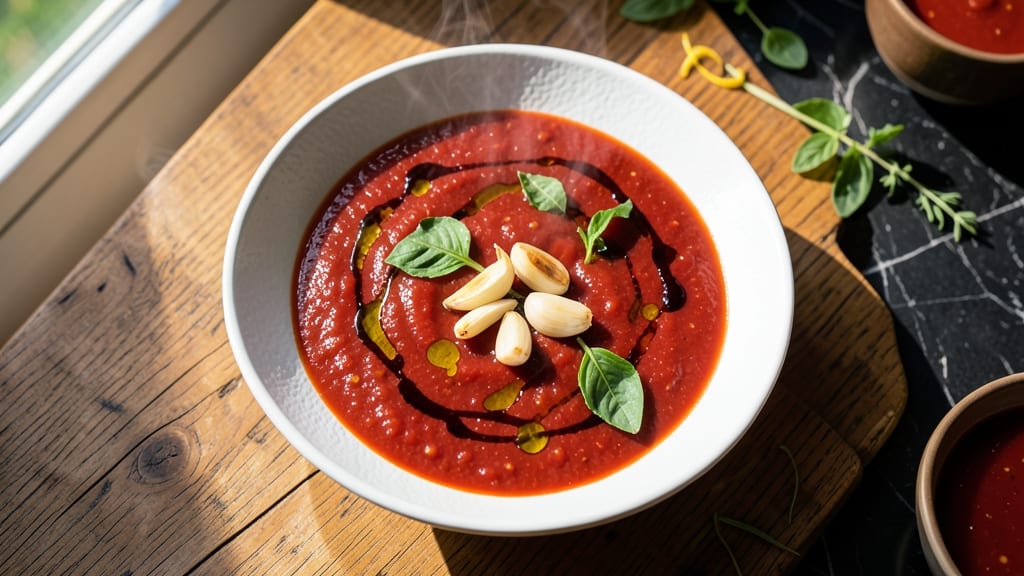
Marco's pizza sauce recipe delivers that perfect balance of sweet, tangy, and savory flavors with a subtle garlic depth that makes every slice unforgettable. The secret lies in slow-simmering crushed tomatoes with fresh basil and a touch of sugar to enhance the natural sweetness—no artificial additives, just pure, restaurant-quality taste in a jar.
What sets this sauce apart is the hidden garlic depth achieved through a light sauté before blending, which infuses the sauce with aromatic richness without overpowering the tomatoes. A splash of red wine vinegar brightens the flavor, while a pinch of oregano and black pepper adds complexity.
The result? A smooth, velvety sauce with just the right amount of chunkiness for texture.
This sauce is incredibly versatile—use it on classic New York-style pizza, as a marinara for pasta, or even as a dipping sauce for garlic bread. It keeps well in the refrigerator for up to a week, so you can make a big batch and enjoy it all week long.
The best part? It’s foolproof and comes together in just 30 minutes with simple pantry staples.
For extra depth, try adding a pinch of smoked paprika or a dash of red pepper flakes for heat. If you prefer a smoother texture, simply blend it longer.
The possibilities are endless, but the foundation remains the same: a perfectly balanced, flavor-packed pizza sauce that elevates every dish it touches.
Ingredients for marco's pizza sauce
Simple pantry staples that transform into restaurant-quality pizza sauce in 30 minutes.
| Ingredient | Amount | Notes |
|---|---|---|
| Crushed Tomatoes (San Marzano preferred) 🍅 | 28 oz | High-quality canned, no salt added |
| Fresh Garlic Cloves 🧄 | 4 cloves | Lightly sautéed for depth |
| Fresh Basil Leaves 🌿 | ½ cup | Packed, stems removed |
| Extra-Virgin Olive Oil 🫒 | 2 tbsp | For sautéing garlic |
| Red Wine Vinegar 🍷 | 1 tbsp | Brightens the sauce |
| Granulated Sugar 🍬 | 1 tbsp | Enhances natural sweetness |
| Dried Oregano 🍃 | 1 tsp | Mexican oregano preferred |
| Ground Black Pepper 🌶️ | ½ tsp | Freshly ground preferred |
| Salt 🧂 | ½ tsp | Diamond Crystal preferred |
| Smoked Paprika (optional) 🌶️ | ¼ tsp | For extra depth |
The tomatoes are everything here—San Marzano cans are worth the splurge, but any high-quality crushed tomatoes work. I always grab mine from Trader Joe's because they're consistent and affordable. Fresh basil? Farmers market has the best, but grocery store basil (the good kind in clamshells) is fine. The garlic gets sautéed in olive oil first—this step is non-negotiable for that aromatic depth. Skip it, and you miss the soul of the sauce. For the vinegar, Bragg or any good red wine vinegar works, but don't use balsamic—it's too sweet.
No San Marzano tomatoes? Crushed tomatoes from a reputable brand (like Muir Glen) are fine, but avoid anything with added salt. Short on basil? Dried basil at one-third the amount works in a pinch, but fresh is ideal. The sugar balances the acidity—brown sugar works too for a deeper flavor. Want to skip the optional smoked paprika? Red pepper flakes at half the amount add heat instead. The oregano is crucial—Mexican oregano has a different profile, but regular dried works too. Just measure carefully; too much makes it bitter.
This sauce tastes even better the next day as the flavors meld. Store it in an airtight container in the fridge for up to 1 week. For freezing, portion into ice cube trays—perfect for single servings. The texture thickens when cold, so stir before using. If it gets too thick after refrigerating, just add a splash of water or a pinch of tomato paste to loosen it up. Make a double batch—I always do, and it disappears faster than you'd think.
Why You'll Love This Recipe
- No-Fuss Simplicity: I swear by this sauce because it’s three ingredients plus salt—no blender, no straining, just crushed tomatoes, garlic, and olive oil simmered until it’s velvety smooth. Honestly, my old jarred sauce days are over after this.
- Garlic-Basil Magic: That first hit of fresh garlic and basil when you taste it? Chef’s kiss. The red wine vinegar brightens it up so it’s not just sweet—it’s bright, tangy, and packed with flavor without overpowering. (Yes, even on a Tuesday night.)
- Pantry Staple Power: This sauce keeps for weeks in the fridge, and I use it on everything—pizza, pasta, grilled chicken, even as a marinade. Between us, I’ve made three batches this month and still have half a jar left.
- Budget-Friendly Luxury: San Marzano tomatoes aren’t cheap, but a can lasts forever, and the olive oil and vinegar stretch across multiple uses. I’ll be real: it’s the kind of sauce that makes cheap dough taste like a $20 slice from a NYC pizzeria.
Step-by-step instructions for marco's pizza sauce recipe
Here's how to craft a sauce that's rich, balanced, and packed with hidden garlic flavor.
Sauté Garlic Until Fragrant
Heat the 2 tablespoons extra-virgin olive oil in a medium saucepan over medium-low heat. Add the 4 cloves fresh garlic cloves, sliced in half lengthwise, and cook for 2-3 minutes until they're golden and fragrant—not browned. This gentle cooking prevents bitterness while extracting maximum flavor.
I like to press down lightly on the garlic with a wooden spoon to help it release its oils. Watch it closely—garlic burns faster than you think. Once it smells heavenly and turns a pale golden color, you're ready to move on. Don't rush this step; proper garlic development is the foundation of great pizza sauce.
Combine Tomatoes and Seasonings
Pour in the 28 ounces crushed tomatoes (San Marzano preferred) and stir to combine with the garlic. Add the 1 tablespoon granulated sugar, 1 teaspoon dried oregano, ½ teaspoon ground black pepper, ½ teaspoon salt, and 1 tablespoon red wine vinegar. The sugar helps balance the acidity of the tomatoes while enhancing their natural sweetness.
Bring the mixture to a gentle simmer over medium heat, then reduce to low heat. Let it cook uncovered for 15-20 minutes, stirring occasionally. You'll notice the sauce starts to thicken slightly as the liquid reduces. This is when the flavors begin to meld together—don't walk away. The vinegar brightens the tomatoes, while the sugar prevents the sauce from becoming too tart.
Add Basil and Simmer for Depth
After the initial simmer, add the ½ cup fresh basil leaves (packed, stems removed). Stir gently to distribute the basil throughout the sauce. The leaves will wilt and infuse their aroma into the mixture. Let the sauce continue simmering for another 5-7 minutes—this is where the magic happens.
Here's the thing—if you add the basil too early, it'll turn bitter. Waiting until the tomatoes have cooked slightly first preserves that fresh, sweet basil flavor. Taste the sauce now. It should be balanced—sweet from the sugar, tangy from the vinegar, and bright from the garlic. If you added the optional ¼ teaspoon smoked paprika, now's when you'd stir it in for that extra depth.
Adjust Consistency and Finish
For a thicker sauce, simmer uncovered for another 5-10 minutes until it reaches your desired consistency. If it's too thick, thin it with 1-2 tablespoons of water or pasta water. The sauce should coat the back of a spoon but still be pourable—this ensures it'll crisp up beautifully on your pizza without being watery.
Remove from heat and let it cool slightly. The flavors will continue developing as it rests. I like to taste it again after cooling—sometimes the acidity mellows out, and you might need to adjust the seasoning. If it needs more salt, add it gradually. Remember, you can always add more, but you can't take it out. This sauce is ready to use immediately or store for up to 5 days in the refrigerator—it actually tastes better the next day as the flavors deepen.
Pro Tips For Making Marco'S Pizza Sauce
- Simmer Slow and Low: Crushed San Marzano tomatoes release their sweetness best at a gentle simmer—think 180°F (82°C) max, not a rolling boil. I used to rush this, and the sauce turned bitter; now I let it bubble softly for 30-40 minutes, stirring occasionally to avoid scorching.
- Crush Garlic, Don’t Mince: Use a flat side of your knife to smash whole garlic cloves into the oil—this infuses flavor without burning. I tried mincing once, and the sauce tasted harsh; crushed garlic melts into the oil smoothly and doesn’t overpower.
- Add Vinegar Last: Splash in the red wine vinegar in the final 5 minutes—it brightens the sauce but evaporates quickly if added too early. I learned this after a batch tasted flat; now I wait until the tomatoes have softened to let the acidity shine.
- Salt the Tomatoes First: Season the crushed tomatoes with 1 teaspoon of salt before cooking—it draws out excess water and concentrates the flavor. I skipped this once, and the sauce was watery; now I always salt them early, even if the recipe doesn’t say to.
Regional styles of marco's pizza sauce
Classic New York Style
This sauce is the heart of every New York slice, where simplicity meets bold flavor. The key here is to keep it smooth and slightly sweet—just like the iconic slices from Joe's Pizza or Grimaldi's.
Use San Marzano tomatoes for that natural sweetness and reduce the sauce longer (up to 25 minutes) for a thicker, glossier finish. I like to add a pinch of xanthan gum (⅛ tsp) if I want it extra clingy for those foldable slices. 🍕
Italian Grandma’s Style
For a more rustic, chunky texture, skip the blending and let the tomatoes stay slightly chunky—just a quick pulse in a food processor if needed. Italian nonnas often add a splash of white wine (¼ cup) instead of vinegar and finish with a handful of fresh parsley.
The sauce should have visible tomato pieces and a rustic, handmade feel. This version pairs perfectly with Roman-style pizza or thin-crust focaccia. 🌿
Chicago Deep Dish Adaptation
Chicago deep dish demands a thicker, richer sauce that can hold up to layers of cheese and filling. Simmer the sauce longer (up to 30 minutes) until it reaches a near-jam-like consistency.
Add 1 tablespoon tomato paste at the end for extra depth and a touch of ground cinnamon (⅛ tsp)—a classic deep dish trick. The sauce should be almost paste-like but still spreadable. This version works best with thick, buttery crust and chunky toppings. 🧀
California Fusion Twist
For a modern, lighter take, blend in ¼ cup ricotta cheese at the end for a silky texture, or stir in 1 tablespoon pesto for a fresh, herby twist. Add a pinch of red pepper flakes (⅛ tsp) for heat and top with burrata or goat cheese after baking.
This version is perfect for California-style pizza with thin, crispy crusts and creative toppings like arugula or roasted vegetables. 🌶️
Neapolitan Simplicity
Authentic Neapolitan pizza sauce is all about minimalism—just San Marzano tomatoes, garlic, basil, and a pinch of salt. Skip the sugar and vinegar, and let the sauce reduce to a syrupy consistency (almost like a thick glaze).
The goal is a sauce that's sweet, tangy, and just thick enough to caramelize beautifully on a high-heat wood-fired crust. This version is all about letting the quality ingredients shine. 🔥
Nutrition facts
Frequently asked questions
Can I substitute fresh tomatoes for the canned crushed tomatoes?
Fresh tomatoes work but require extra prep! Use 4-5 large ripe tomatoes (peeled, seeded, and chopped) and simmer them for 10-15 minutes first to break down their texture. The sauce will be lighter and less concentrated, so you may need to reduce it longer or add 1 tablespoon tomato paste for depth. Fresh basil still shines best with fresh tomatoes.
How do I adjust the sauce if I'm making it for a vegetarian vs. meat pizza?
For vegetarian pizzas, keep the sauce as-is—its bright acidity balances veggie toppings perfectly. For meat pizzas (especially pepperoni or sausage), add ½ teaspoon smoked paprika to complement the smoky flavors. The extra depth helps the sauce stand up to bold toppings without overpowering them.
My sauce turned out too thick—how can I fix it?
Thin it with 1-2 tablespoons of water, pasta water, or even a splash of broth while reheating. For a smoother texture, blend briefly in a food processor. Pro tip: If you want to prevent this next time, simmer the sauce uncovered for 5 minutes less and stir more frequently to avoid sticking.
Can I make this sauce in a slow cooker or Instant Pot?
For a slow cooker, combine all ingredients and cook on low for 3-4 hours (stirring occasionally). For an Instant Pot, sauté garlic first, then add all ingredients and cook on high pressure for 5 minutes. Both methods work, but the stovetop version gives you more control over the reduction process.
Why does my sauce taste bitter after refrigerating?
Bitter flavors often develop when basil oxidizes or if the tomatoes were undercooked initially. To prevent this, add basil after the tomatoes have simmered for 15 minutes, and store the sauce in an airtight container with a layer of olive oil on top to preserve freshness. If bitterness occurs, balance it with a pinch more sugar or a splash of vinegar when reheating.