
Sauces & Condiments
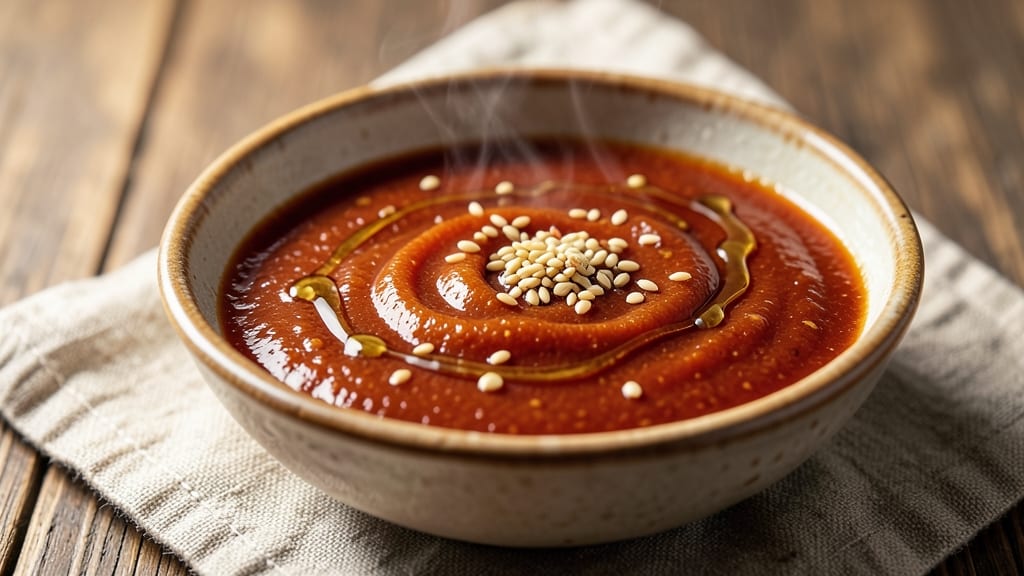
This Korean gochujang sauce recipe transforms humble ingredients into a complex, fermented condiment that bridges spicy heat, sweet depth, and umami richness. The base—fermented chili paste—carries the signature tangy, slightly funky profile, while honey or sugar balances its intensity.
What sets this apart is the layered flavor development: soy sauce for saltiness, garlic for sharpness, and sesame oil for nutty warmth. It’s the kind of sauce that elevates simple dishes into restaurant-worthy meals with just a drizzle.
The beauty of gochujang lies in its versatility—it works as a bold dipping sauce for dumplings, a glazing agent for grilled meats, or even a marinade for tofu and vegetables. Unlike store-bought versions, this homemade recipe lets you control the heat level, sweetness, and depth of flavor.
The fermentation process (if you opt for a longer rest) deepens its complexity, but even a quick version delivers restaurant-quality results in under 15 minutes. The key is balancing the ingredients precisely to avoid overpowering the natural fermented notes.
What you’ll end up with is a smooth, glossy sauce with a perfect harmony of spice, sweetness, and umami—no bitterness or harshness. The texture is velvety yet slightly sticky, clinging to food in the best way possible.
It keeps well in the fridge for up to 2 weeks, allowing flavors to meld further over time. Whether you’re drizzling it over noodles, brushing it on wings, or using it as a dip, this sauce becomes an instant pantry staple. Let’s make it.
For those who love experimentation, modern twists like adding miso for extra umami or coconut milk for creaminess work beautifully. Traditionalists can stick to classic ingredients—garlic, ginger, and a touch of rice vinegar for brightness.
The recipe scales effortlessly, so make a big batch and store it for future meals. Here’s everything you need to create this versatile, flavor-packed sauce that will change how you cook.
Ingredients for korean gochujang sauce
Fermented heat meets sweet depth—just these ten ingredients transform into restaurant-quality gochujang sauce.
| Ingredient | Amount | Notes |
|---|---|---|
| Gochujang 🌶️ | ½ cup | Fermented chili paste, not sweet chili sauce |
| Honey 🍯 | ¼ cup | Or agave syrup for vegan option |
| Soy Sauce 🍶 | ¼ cup | Light or dark, not low-sodium |
| Sesame Oil 🫒 | 2 tbsp | Toasted for authentic flavor |
| Rice Vinegar 🍶 | 1 tbsp | For brightness, not apple cider |
| Garlic Cloves 🧄 | 4 cloves | Minced, not powdered |
| Fresh Ginger 🌿 | 1 tbsp | Grated, not powdered |
| Sesame Seeds 🥜 | 1 tbsp | Toasted lightly for garnish |
| Water 💧 | ¼ cup | For thinning consistency |
| Salt 🧂 | ½ tsp | Kosher or sea salt |
Gochujang is the soul of this sauce, so don't skimp on quality. The Maesil or Cheongju varieties from Asian grocery stores have the deepest, funkier flavor—look for the kind with visible fermented specks. If you're using a smoother, sweeter version, add an extra 1/2 tsp of red pepper flakes to bring back that signature kick. Fresh ginger and garlic are non-negotiable here; powdered versions lack the complexity. Toast your sesame seeds in a dry pan for 30 seconds—they'll add nutty crunch that elevates every bite.
No honey? Maple syrup or agave works 1:1, though it'll have a slightly different mouthfeel. Soy sauce substitutes? Coconut aminos for gluten-free, but it'll be less salty. Want more umami? Stir in 1 tbsp of white miso paste at the end. The rice vinegar is crucial—skip it and you'll miss that bright, tangy cut. For a creamier texture, blend in 1 tbsp of tahini after cooking. And if your sauce is too thick, add water 1 tbsp at a time—it should coat the back of a spoon but still drizzle smoothly.
This sauce gets better with time—24 hours in the fridge lets flavors meld beautifully. Store it in a glass jar with a tight seal to keep that funky aroma contained. It keeps for 2 weeks refrigerated, though the first batch usually disappears faster. For long-term storage, freeze portions in ice cube trays—perfect for single-use applications. If you make a big batch, divide it into small containers so you're not digging through a giant jar every time. Trust me, you'll reach for this more than you think.
Why You'll Love This Recipe
- Five-Ingredient Magic: I swear, this sauce is the kind of recipe that makes me feel like a genius—just stir gochujang, honey, soy sauce, sesame oil, and rice vinegar, and boom. No chopping, no peeling, no fuss. Honestly, I’ve made it while waiting for pasta to boil.
- Sweet Heat Balance: The honey cuts through the gochujang’s spice like a cool breeze on a hot day, while the soy sauce and vinegar add depth. That first taste? Rich, sticky, and just a little fiery—like a hug from your favorite Korean comfort food.
- Pantry-to-Table Flex: This sauce turns bland rice into a meal, drizzles over grilled chicken like a dream, or even mixes into marinades. I’ve used it on weeknight stir-fries, as a dip for fries, and even in my lazy Sunday omelets. It’s the kind of thing that makes you wonder why you didn’t use it sooner.
- Lasts All Week: A small jar of this sauce keeps for ages in the fridge, and I always have some on hand. Whether I’m tossing it with noodles or slathering it on tofu, it’s my go-to for quick, flavor-packed meals without the grocery run. Budget-friendly? Absolutely. Reliable? You bet.
Step-by-step instructions for crafting Korean gochujang sauce
This vibrant sauce comes together in minutes with bold flavors that balance heat, sweetness, and umami perfectly.
Toast the Sesame Seeds for Depth
Heat a small dry skillet over medium heat and add the 1 tablespoon sesame seeds. Toast them for 1-2 minutes until they release their nutty aroma and turn a rich golden brown. Watch closely—they burn quickly, so stir constantly with a spoon. Remove from heat immediately and set aside.
The toasting enhances their flavor exponentially, giving your sauce that authentic Korean depth. Let them cool slightly before adding to the sauce—this prevents them from releasing bitterness when mixed with the hot ingredients. I like to keep a small bowl nearby to catch any fallen seeds for garnish later.
Sauté Aromatics Until Fragrant
In a medium saucepan, combine the 4 cloves minced garlic and 1 tablespoon grated fresh ginger over medium heat. Cook for 1-2 minutes until the garlic turns golden and the ginger loses its raw bite, but don't let it brown—just until fragrant. Remove from heat immediately to preserve their bright flavors.
This quick cooking step unlocks their full potential without letting them turn bitter. The garlic should smell sweet and pungent, while the ginger should give off a citrusy aroma. If you're using fresh ginger, be sure to peel and grate it finely—this ensures even distribution in the sauce.
Build the Base with Gochujang and Soy
Return the saucepan to medium heat and add the 0.5 cup gochujang and 0.25 cup soy sauce. Stir continuously for 2-3 minutes until the mixture begins to bubble gently and the gochujang's deep red color becomes vibrant. This is where the magic happens—the gochujang's fermented funk melds with the soy's umami.
You'll notice the sauce thicken slightly as it heats. This is normal and desirable—it's the gochujang's natural starches activating. If you see any oil separating, stir vigorously to re-emulsify it. The sauce should smell complex—spicy, sweet, and slightly funky, with a hint of fermented depth.
Balance Flavors with Sweet and Acid
Reduce heat to low and stir in the 0.25 cup honey, 1 tablespoon rice vinegar, and 2 tablespoons sesame oil. Simmer gently for 3-4 minutes, stirring occasionally, until the honey dissolves completely and the sauce becomes glossy. The rice vinegar brightens the flavors while the sesame oil adds richness.
Here's where the sauce comes together—you want the sweetness of the honey to balance the gochujang's heat while the vinegar cuts through any heaviness. Taste as you go: if it's too sweet, add a splash more rice vinegar; if it's too sharp, add a bit more honey. The sauce should be complex with layers of flavor, not one-dimensional.
Thin and Season to Perfection
Remove from heat and stir in the 0.25 cup water and 0.5 teaspoon salt. The water should just barely thin the sauce to a dipping consistency—it should coat the back of a spoon but still cling to ingredients. If it's too thick, add another 1 tablespoon water at a time until you reach the right texture.
Finally, taste and adjust seasoning. The salt enhances all the flavors without overpowering, while the water ensures smoothness. Sprinkle in the toasted sesame seeds now and stir gently to distribute them evenly. The sauce should be vibrant red with flecks of sesame seeds throughout, and its aroma should be intoxicating—spicy, sweet, tangy, and nutty all at once.
Pro Tips For Making Korean Gochujang Sauce
- Simmer Slowly: Don’t rush the sauce—let it bubble gently for 5-7 minutes after adding rice vinegar. I used to crank the heat and end up with a bitter, overcooked mess. Low heat keeps the honey from burning and lets the gochujang’s depth develop properly.
- Balance the Honey: Add honey gradually, tasting as you go. Too much upfront makes the sauce cloying; too little later leaves it sharp. Start with half the amount, then adjust—this sauce should taste sweet but not syrupy.
- Skip the Raw Soy Sauce: Warm the soy sauce first—just 1 minute in the same pot before adding gochujang. Cold soy sauce can make the sauce separate or taste harsh. Trust me, that extra minute saves you from a weird texture.
- Toast the Gochujang: Bloom the gochujang in sesame oil for 30 seconds before adding liquids. This step deepens its nuttiness and prevents clumping. Yes, it’s easy to overlook, but it’s the thing that matters most for that restaurant-quality richness.
Pro cooking tips for korean gochujang sauce
Heat Control Essentials
Low-and-slow is your friend when balancing gochujang's intensity. Start with medium heat for the aromatics to prevent burning—garlic should turn golden, not bitter. Once you add gochujang, reduce to low heat immediately to avoid cooking off its delicate fermented funk.
I've ruined batches by letting it bubble too vigorously, which makes the sauce taste harsh. 🌡️
Emulsification Secrets
Gochujang naturally separates when heated. To prevent oil from pooling, stir constantly with a silicone spatula while warming it with soy sauce. If separation happens, whisk vigorously or add 1 tsp of cornstarch mixed with cold water to re-emulsify.
The goal is a smooth, glossy texture—like a perfect marinade, not a chunky paste.
Sweetness Balance
Honey adds sweetness, but don't just eyeball it. Start with ¼ cup and taste after simmering. If it's too sweet, add ½ tsp rice vinegar at a time until balanced.
For extra depth, I sometimes replace 1 tbsp honey with 1 tbsp maple syrup—it adds subtle earthiness. The sauce should taste complex, not cloying.
Texture Mastery
Thin the sauce gradually with water—1 tbsp at a time—until it coats the back of a spoon but still drizzles. Too thick? It'll be gloppy. Too thin?
It loses its cling. Test on a chilled spoon to judge consistency. Pro tip: Let it sit for 5 minutes after adding water—the sauce thickens as it cools. ✨
Flavor Layering
Add sesame oil last to preserve its delicate aroma. Toast the seeds separately to avoid bitterness in the sauce. For extra umami, stir in 1 tsp white miso paste after removing from heat.
The key is layering: start with heat (gochujang), add salt (soy), sweetness (honey), acid (vinegar), and finish with fat (sesame oil).
Resting for Depth
Let the sauce rest at least 30 minutes before using. This lets flavors meld—gochujang's funk softens, and the heat becomes more integrated. For maximum depth, refrigerate overnight. The first time I skipped this, my sauce tasted disjointed. Now, I always plan ahead. 💫
Nutrition facts
Frequently asked questions
Can I make this sauce without honey?
Honey adds sweetness, but you can substitute with ¼ cup maple syrup or agave nectar for a vegan option. For a more savory profile, try 1 tbsp brown sugar or even 1 tbsp soy sauce reduction instead. The key is balancing the gochujang's heat—start with less sweetener and adjust to taste.
How do I adjust the spice level?
Gochujang's heat varies by brand. For milder sauce, use ½ cup of the less-spicy variety and add ½ tsp sugar to balance. For extra kick, stir in ½ tsp red pepper flakes or 1 tsp gochugaru (Korean chili flakes) at the end. Always taste before serving—you can't reverse too much heat, but you can add more sweetness if needed.
What are the best ways to use this sauce?
This versatile sauce works as a dipping sauce for dumplings or spring rolls, a glazing sauce for grilled meats (especially pork or chicken), or a marinade for tofu and vegetables. Try brushing it on baked wings or drizzling over ramen noodles for instant flavor. The possibilities are endless—it even makes a fantastic sandwich spread or salad dressing base!
Why does my sauce look oily after cooking?
Gochujang naturally separates when heated. To fix this, whisk vigorously or add 1 tsp cornstarch mixed with cold water while stirring constantly. For prevention, stir continuously with a silicone spatula when warming the gochujang and soy sauce. The goal is a smooth, glossy texture—think of it like making a perfect vinaigrette.
Can I make this sauce ahead of time?
Yes! This sauce actually improves with time. Let it sit for 30 minutes at room temperature or refrigerate overnight to let flavors meld. The longer it rests, the deeper and more complex the taste becomes. Store in an airtight container in the fridge for up to 2 weeks. For longer storage, freeze portions in ice cube trays** for single-use applications.