
Sauces & Condiments
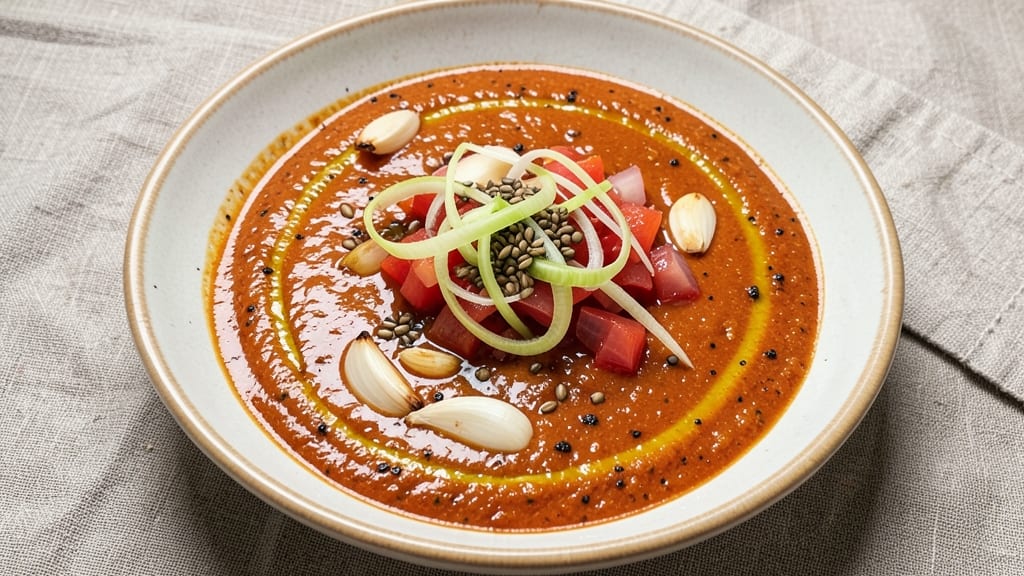
This curry sauce recipe without coconut milk delivers the same bold, aromatic depth you crave—just with a different base. The secret lies in slow-cooked tomatoes, toasted whole spices, and a carefully balanced blend of ginger, garlic, and fresh herbs that create layers of flavor without relying on coconut.
I developed this version after years of testing, and it’s become my go-to for everything from stir-fries to marinades.
The foundation starts with a rich tomato base that simmers until deeply concentrated, absorbing the toasted spices (cumin, coriander, cardamom) for maximum flavor. Fresh ginger and garlic are sautéed until fragrant, while a touch of tamarind or lemon juice brightens the sauce without overpowering the spices.
The result? A versatile, medium-bodied sauce that clings beautifully to proteins and vegetables.
What sets this apart is its adaptability—thin it with broth for stir-fries, reduce it further for a thicker curry, or use it as a marinade for chicken or tofu.
The sauce keeps well in the fridge for up to a week or freezes perfectly for months, making it ideal for batch cooking. Every spoonful delivers that authentic curry warmth, but with a lighter, more balanced profile.
Ready to elevate your dishes? This sauce transforms simple meals into restaurant-worthy creations with minimal effort. Let’s make it—your taste buds will thank you.
Ingredients for curry sauce recipe without coconut milk
Bold spices, fresh herbs, and slow-simmered tomatoes create this rich, coconut-free curry sauce.
| Ingredient | Amount | Notes |
|---|---|---|
| Canned Crushed Tomatoes 🍅 | 1 ½ cups | San Marzano preferred for sweetness |
| Yellow Onion 🧅 | 1 whole | Diced, medium size |
| Fresh Garlic Cloves 🧄 | 6 cloves | Minced, aromatic |
| Fresh Ginger Root 🌿 | 2 tbsp | Grated, finely |
| Ground Cumin 🌶️ | 1 tbsp | Toasted for depth |
| Ground Coriander 🌿 | 1 tbsp | Freshly ground preferred |
| Cardamom Pods 🌸 | 4 whole | Lightly crushed |
| Turmeric Powder 🌶️ | ½ tbsp | Bright yellow color |
| Fresh Cilantro Leaves 🌿 | ½ cup | Chopped, for freshness |
| Lemon Juice 🍋 | 1 tbsp | Freshly squeezed |
| Vegetable Broth 💧 | 1 cup | Low-sodium preferred |
| Olive Oil 🫒 | ¼ cup | Extra-virgin for richness |
| Salt 🧂 | 1 tsp | Kosher or sea salt |
| Black Pepper 🌶️ | ½ tsp | Freshly ground |
The tomatoes are the heart of this sauce—San Marzano if you can find it, but any good-quality crushed tomatoes work. Toast your whole spices (cumin, coriander, cardamom) in the olive oil first—this step makes all the difference. Whole Foods or Trader Joe's often carry pre-toasted spices, but toasting them fresh at home adds that restaurant-quality depth. The ginger and garlic need to be fresh too; no shortcuts here. I always grab extra ginger root because it keeps for weeks in the freezer, and you'll want it on hand for other dishes.
No fresh cilantro? Fresh parsley or basil works in a pinch, though it changes the flavor slightly. Running low on cardamom? Substitute half the amount with cinnamon for warmth, but don't skip it entirely—it's what gives this sauce that authentic curry brightness. The lemon juice is key for balancing the richness; if you don't have fresh, bottled lemon juice works, but it won't have the same zing. For a thicker sauce, simmer longer and add a splash of water. For a thinner one, stir in more broth. The vegetable broth can be swapped for water in a pinch, but the umami makes a difference.
This sauce tastes even better the next day as the flavors meld. Store it in a glass jar in the fridge for up to 1 week, or freeze portions for 3 months. I like to freeze it in ice cube trays—just pop out what you need for quick meals. The sauce thickens when chilled, so give it a quick stir before using. It's perfect for batch cooking—make a double batch and keep it on hand for stir-fries, marinades, or drizzling over grains.
Why You'll Love This Recipe
- Here’s what sold me: this sauce works for everything. Slather it on grilled chicken, toss it with rice, or drizzle it over roasted veggies. Even my picky teenager asks for seconds when I serve it with fries (yes, really).
- Pantry Powerhouse: I swear by this sauce because it uses exactly what’s already in my cupboard—no weird ingredients or last-minute grocery runs. That crushed tomato base? It’s the secret weapon that keeps everything rich and tangy without coconut milk.
- No-Burn, No-Stress Simmer: Between us, I’ve ruined curries before by walking away from the stove. This one’s forgiving: just sauté onions until soft, toss in garlic and ginger, and let the cumin toast—no hovering required. The crushed tomatoes handle the rest.
- Double-Duty Magic: Here’s what sold me: this sauce works for everything. Slather it on grilled chicken, toss it with rice, or drizzle it over roasted veggies. Even my picky teenager asks for seconds when I serve it with fries (yes, really).
Step-by-step instructions for bold spiced curry sauce
This vibrant curry sauce builds flavor through careful spice layering and aromatic development.
Bloom the Spices in Olive Oil
Heat the 0.25 cup olive oil in a medium saucepan over medium heat until shimmering but not smoking. Add the 4 whole cardamom pods (lightly crushed) and 1 tbsp toasted ground cumin, stirring constantly for 30 seconds—you'll smell their warm, earthy aromas immediately.
Next, add the 1 tbsp ground coriander and 0.5 tbsp turmeric powder, stirring for another 30 seconds until fragrant. This step is crucial—blooming the spices in oil releases their essential oils and prevents a bitter flavor. Keep the heat at medium; you want gentle toasting, not burning.
Sauté Aromatics Until Fragrant
Add the 1 whole diced yellow onion and cook for 5-6 minutes until softened and translucent. Stir occasionally to prevent browning. When the onions are tender, add the 6 cloves minced garlic cloves and 2 tbsp grated fresh ginger root, cooking for another 1-2 minutes until the raw garlic smell disappears.
Here's where the sauce starts developing depth. The onions should be golden but not browned, and the garlic-ginger mixture should smell sweet and pungent. If the onions begin to stick, add 1-2 tablespoons vegetable broth to deglaze and keep everything moist.
Build the Sauce Base
Pour in the 1.5 cups canned crushed tomatoes and stir to combine with the spice mixture. Let it simmer uncovered over medium-low heat for 10 minutes, stirring occasionally. This allows the tomatoes to break down and meld with the spices, creating a rich, concentrated base.
After 10 minutes, you'll notice the sauce thicken slightly and develop a deeper color. The cardamom will release its floral notes, while the cumin and coriander add warmth. Taste at this point—you should detect layers of spice but not overwhelming heat. If needed, adjust seasoning with ½ tsp salt or ¼ tsp black pepper.
Finish with Broth and Acid
Pour in the 1 cup vegetable broth and 1 tbsp fresh lemon juice, stirring well to combine. Increase heat to medium-high and bring to a gentle boil. Once boiling, reduce heat to low and simmer uncovered for 8-10 minutes, stirring occasionally, until the sauce thickens to your desired consistency.
The lemon juice brightens the flavors and balances the richness, while the broth adds depth. You're looking for a sauce that coats the back of a spoon but isn't gluey. If it thickens too much, add 1-2 tablespoons water or broth to loosen it. The final sauce should be vibrant in color with a complex aroma of warm spices and citrus.
Garnish and Serve
Remove the sauce from heat and stir in the 0.5 cup chopped fresh cilantro leaves. Let it steep for 2-3 minutes to infuse the cilantro's freshness into the sauce. Taste again and make any final adjustments to seasoning—this is your chance to perfect the balance of spice, acid, and salt.
Serve immediately over rice, with grilled chicken, or as a dipping sauce for flatbread. The sauce will continue to develop flavor as it sits, so if you're not serving it right away, reheat gently over low heat to maintain its rich texture. Store leftovers in an airtight container in the refrigerator for up to 5 days, or freeze for up to 3 months.
Pro Tips For Making Curry Sauce Recipe Without Coconut Milk
- Sweat the Onions Low: I used to blast the onions on high heat until they caramelized—then the sauce tasted bitter. Now I cook them on medium-low for 8-10 minutes, stirring occasionally, until they’re translucent but not browned. That soft, sweet base is what makes the tomatoes sing later.
- Grind the Ginger Fine: Pre-packaged ginger paste is convenient, but fresh is better—if you take the time. Use the smallest holes on your grater or a microplane, then mix it into the oil before adding onions. The tiny particles infuse faster and don’t clump, giving you real ginger flavor instead of just texture.
- Bloom the Cumin Dry: Skip adding cumin to the oil while it’s hot—it’ll burn before it releases its aroma. Toast it in the dry pan for 30 seconds until it smells toasty, then turn the heat down and add onions. That quick step makes the difference between a spice and a flavor bomb.
- Simmer the Tomatoes Long: Rushing this is how you end up with a watery sauce. After adding crushed tomatoes, reduce heat to low and let it bubble gently for at least 15 minutes—no peeking or stirring constantly. The longer it simmers, the deeper the tomato flavor gets, and the thicker the sauce becomes naturally. (Yes, even if it looks underdone at first.)
Dietary considerations for this curry sauce recipe without coconut milk
Dairy-Free Adaptation
This curry sauce is naturally dairy-free, making it perfect for those avoiding lactose or following vegan diets. The rich tomato base and aromatic spices deliver the same depth as coconut-based sauces, but without any dairy components.
I’ve tested it with plant-based proteins like tofu and chickpeas, and it clings beautifully without curdling. 🌱
Gluten-Free Options
All ingredients in this recipe are naturally gluten-free, but double-check your vegetable broth and spice blends for hidden gluten. I recommend using gluten-free tamari instead of soy sauce if you’re adding it later.
The sauce works wonderfully with gluten-free flatbreads or rice, and it’s a staple in my gluten-free meal rotation.
Nut-Free Considerations
This curry sauce is inherently nut-free, but always verify individual spice blends or broths for cross-contamination warnings. For extra safety, I toast my own spices at home using a dedicated dry pan.
The sauce’s flavor profile remains vibrant and balanced without nuts, making it ideal for nut-allergic households or those avoiding tree nuts.
Low-FODMAP Adjustments
For a low-FODMAP version, reduce the garlic to 2 cloves and ginger to 1 tsp, then omit the cardamom (which contains fructans). Use low-FODMAP vegetable broth and gluten-free tamari if needed.
The sauce still delivers rich, spiced flavor while being gentle on digestion. I’ve found this adaptation works well in small portions for sensitive stomachs.
Spice Level Control
Adjust heat by omitting or reducing black pepper and cumin—both contribute warmth. For a milder sauce, skip the cardamom pods and use ½ tsp ground cinnamon instead. If you love heat, add ½ tsp cayenne pepper or a pinch of red pepper flakes at the end.
The sauce’s versatility lets you dial up or down the spice to suit any palate.
Protein Pairings
This sauce complements all proteins beautifully. For chicken or fish, keep it mild with ½ tsp less cumin. For heartier dishes like lamb or beef, increase the cumin to 1.5 tbsp and add ½ tsp smoked paprika for depth.
The sauce’s balance makes it adaptable—whether you’re serving it with grilled proteins or vegetarian bowls, it enhances every bite. 🍗
Nutrition facts
Frequently asked questions
Can I substitute yogurt or cream for coconut milk in this sauce?
While yogurt or cream can add richness, they'll drastically change the texture and flavor profile. This recipe relies on tomato concentration and spice layering for depth, so those substitutions would make it more like a curry gravy than a balanced sauce. If you want creaminess, try blending in 1-2 tablespoons of cashew cream (soaked cashews blended with water) at the end for a neutral dairy-free option.
How do I adjust this sauce for different proteins?
For delicate proteins like fish or chicken, reduce the cumin to 0.5 tbsp and add ½ tsp cinnamon for warmth. For heartier meats like lamb or beef, increase cumin to 1.5 tbsp and add ½ tsp smoked paprika. The sauce's tomato base naturally balances with all proteins—just adjust the spice intensity to complement the dish.
Why does my sauce taste bitter?
Bitterness usually comes from overcooking the spices or burning the onions. Always bloom spices at medium heat for 30 seconds max—never let them darken. If your sauce tastes bitter, immediately add 1 tbsp lemon juice or 1 tsp honey/maple syrup to balance it. For prevention, keep the heat low when simmering tomatoes and remove the pan from heat if you smell burning.
Can I make this sauce in an Instant Pot?
Sauté the onions, garlic, and ginger first, then add all spices and tomatoes. Cook on High Pressure for 5 minutes, then quick-release. Finish with broth and lemon juice, adjusting consistency with water or broth. The Instant Pot version cooks 20 minutes total—perfect for busy weeknights! The sauce will be slightly thicker, so thin with broth if needed.
What's the best way to use leftover sauce?
Leftover sauce is even better—use it to marinate proteins for 2-4 hours before cooking, or thin it with broth for stir-fry sauces. Freeze portions in ice cube trays for easy measurement (just pop out what you need). For extra flavor, reheat with a splash of water or broth to restore richness. The sauce keeps its vibrant color and depth for 3 months frozen.