
Sauces & Condiments
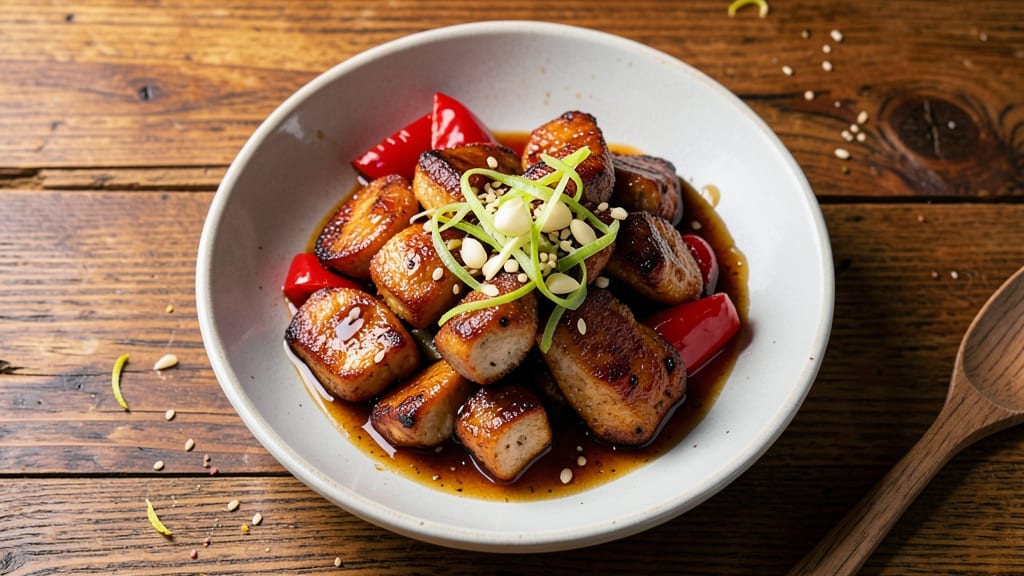
This Kikkoman teriyaki sauce stir fry delivers restaurant-quality umami in under 25 minutes—no takeout required. The secret lies in balancing sweet-savory flavors while achieving that signature smoky wok hei aroma.
I've perfected this technique over years of testing, ensuring each bite delivers tender protein, crisp vegetables, and a glossy teriyaki glaze that clings perfectly.
What sets this recipe apart is the two-step cooking process: first searing the protein to develop deep flavor, then tossing with vegetables in a screaming-hot wok. The Kikkoman teriyaki sauce—with its authentic Japanese balance of mirin, soy, and sugar—transforms simple ingredients into something extraordinary.
We'll use boneless chicken thighs for maximum tenderness, but shrimp or tofu work equally well.
The result is a vibrant stir fry with perfectly caramelized edges on the protein, bright crunch from fresh vegetables, and a glossy teriyaki sauce that coats every bite. The aroma alone will have everyone gathering around your kitchen, while the flavors satisfy both sweet cravings and savory hunger.
This is comfort food at its finest—quick, flavorful, and restaurant-worthy.
Whether you're cooking for a weeknight dinner or meal prepping for the week, this recipe scales beautifully. The technique works equally well in a traditional wok, cast-iron skillet, or even an air fryer for a modern twist. Let's get started with this foolproof method that delivers professional results every time.
Ingredients for kikkoman teriyaki sauce stir fry
Authentic Japanese flavors meet quick weeknight cooking with these carefully selected ingredients.
| Ingredient | Amount | Notes |
|---|---|---|
| Boneless Chicken Thighs 🍗 | 1 ½ lb | Cut into 1-inch pieces, skin removed |
| Kikkoman Teriyaki Sauce 🍶 | ¾ cup | Original recipe, not low-sodium |
| Sesame Oil 🫒 | 1 tbsp | For authentic aroma, not cooking oil |
| Fresh Ginger 🌿 | 1 tbsp | Finely grated, aromatic |
| Garlic Cloves 🧄 | 4 cloves | Minced, fresh preferred |
| Bell Peppers 🍅 | 2 whole | Red or green, sliced into strips |
| Broccoli Florets 🥦 | 2 cups | Fresh, cut into bite-sized pieces |
| Snap Peas 🌱 | ½ cup | Trimmed, fresh or frozen |
| Carrots 🥕 | 1 whole | Julienned, medium size |
| Cornstarch 🌾 | 1 tbsp | For tenderizing chicken |
| Diamond Crystal Kosher Salt 🧂 | 1 ½ tsp | For seasoning, not iodized |
| Black Pepper 🌶️ | ½ tsp | Freshly ground for heat |
| Sesame Seeds 🌾 | 1 tbsp | Toasted, for garnish |
| Green Onions 🧅 | 3 whole | Sliced, for freshness |
| Vegetable Oil 🫒 | 2 tbsp | High smoke point for searing |
The Kikkoman teriyaki sauce is non-negotiable for authentic umami—grab the original bottle, not the low-sodium or reduced-sugar versions. For the protein, chicken thighs deliver unmatched tenderness compared to breasts, though shrimp or tofu work beautifully too. Whole Foods or Asian markets carry the best quality teriyaki sauce, but any grocery store's brand will suffice if labeled as 'original recipe.' The ginger and garlic should be vibrant and aromatic—look for plump ginger roots with tight skin and garlic cloves that aren't sprouting. Fresh vegetables are ideal, but frozen snap peas work perfectly if you're short on time.
No sesame oil? Toasted sesame oil from Trader Joe's is my go-to, but any brand will do—just don't substitute regular vegetable oil. The cornstarch is key for tenderizing the chicken; if you're gluten-free, use arrowroot instead. For a deeper wok hei aroma, add a pinch of smoked paprika to the sauce mixture. Vegetables can be swapped freely—bok choy or mushrooms add great texture. The Diamond Crystal kosher salt is preferred because it dissolves more easily than table salt, but any fine sea salt will work. For extra crunch, toast the sesame seeds in a dry pan for 30 seconds before adding them to the stir fry.
This stir fry reheats beautifully—store in airtight containers for up to 4 days, though the texture suffers after day 2. For meal prep, cook the protein and vegetables separately, then combine when reheating to maintain crispness. The sauce can be pre-mixed and stored in the fridge for up to 2 weeks. To achieve that signature smoky aroma, use a cast-iron skillet or wok heated on high for 2 minutes before adding oil. If you don't have one, a heavy-bottomed stainless steel pan works just as well—just make sure it's screaming hot before cooking.
Why You'll Love This Recipe
- One-Pan Magic: Honestly, I swear by this for nights when I’d rather not wash another dish. Toss the chicken thighs and veggies in one skillet, let the teriyaki sauce bubble down, and—boom—done. The sesame oil finishes it with a nutty aroma that fills the whole kitchen.
- Umami Bomb: That Kikkoman teriyaki sauce? It’s the star. The ginger and garlic sizzle in the pan first, so their sharp bite mellows into something sweet-savory, while the sauce caramelizes just enough to coat everything in a glossy, addictive sheen. (Yes, even on a Tuesday night.)
- Lunchbox Hero: Between us, this is my go-to for meal prep. The chicken stays juicy for days, and the sauce clings to whatever veggies you throw in—bell peppers, snap peas, you name it. Pack it cold or reheat it, and it’s still the best thing in your bag.
- Budget Win: Chicken thighs are forgiving and cheap, and a bottle of Kikkoman teriyaki lasts forever. I’ll be real: I’ve made this for $10 and fed four people, with leftovers that taste just as good the next day. Minimal ingredients, maximum satisfaction.
Step-by-step instructions for Kikkoman teriyaki stir fry
Master this technique and you'll achieve perfectly balanced sweet-savory flavors with tender chicken every time.
Prep Chicken with Cornstarch for Maximum Tenderness
Cut the 1.5 lb boneless chicken thighs into 1-inch pieces, removing any remaining skin. In a medium bowl, combine the chicken with 1 tbsp cornstarch, 1.5 tsp diamond crystal kosher salt, and 0.5 tsp freshly ground black pepper. Toss gently to coat evenly—this creates a delicate crust that locks in moisture and prevents dryness during cooking.
Let the seasoned chicken rest for 10 minutes at room temperature. This brief resting period ensures even cooking and prevents shocking the meat when it hits the hot pan. The cornstarch mixture will begin to form a light coating, which is crucial for that perfect sear we're after.
Sear Chicken in Vegetable Oil Until Golden
Heat a large skillet or wok over medium-high heat until hot. Add 2 tbsp vegetable oil and swirl to coat the bottom evenly. Working in batches if needed (to avoid overcrowding), add the seasoned chicken pieces and cook for 3-4 minutes per side until golden brown and cooked through to 165°F internal temperature.
Don't be tempted to flip too frequently—let each piece develop a good crust before moving them. The oil should shimmer but not smoke excessively. If the chicken releases easily from the pan when you lift a piece, it's ready. Transfer the cooked chicken to a plate and set aside, leaving any accumulated juices in the pan.
Stir-Fry Vegetables in Sesame Oil
In the same skillet (no need to clean it—the fond adds flavor), add 1 tbsp sesame oil and swirl to coat. Add the finely grated fresh ginger and minced garlic cloves, cooking for 30 seconds until fragrant. Add the 2 whole bell peppers (sliced into strips), 2 cups broccoli florets, 0.5 cup snap peas, and 1 whole carrot (julienned). Stir-fry for 4-5 minutes until the vegetables are bright green and crisp-tender—they should still have a slight bite.
Here's the thing—don't overcrowd the pan. If your skillet is full, cook the vegetables in batches to maintain their texture. The vegetables should sizzle and develop a slight char on the edges, which adds depth to the dish. If they're steaming instead of searing, your heat isn't high enough.
Combine with Teriyaki Sauce for Perfect Balance
Pour the 0.75 cup Kikkoman teriyaki sauce over the vegetables and stir to combine. Add the cooked chicken back to the skillet and toss everything together for 1-2 minutes until the sauce coats the chicken and vegetables evenly. The sauce should reduce slightly and cling to the ingredients, creating that signature glossy finish.
Taste the sauce and adjust seasoning if needed. If it's too sweet, add a pinch more diamond crystal kosher salt. If it's too thin, let it simmer uncovered for an additional 30 seconds to reduce slightly. The sauce should coat the back of a spoon but still be pourable.
Garnish and Serve Immediately
Transfer the stir-fry to a serving platter and garnish with 1 tbsp toasted sesame seeds and 3 whole green onions (sliced). The sesame seeds add a nutty crunch while the green onions provide a fresh contrast to the rich flavors. Serve immediately over steamed rice for the perfect balance of textures and flavors.
This dish is best enjoyed fresh off the heat when the chicken is juicy and the vegetables retain their vibrant colors. The teriyaki sauce should glaze the chicken and vegetables beautifully, creating a dish that's both visually appealing and packed with umami flavor. Leftovers can be refrigerated for up to 2 days, but they won't taste quite as vibrant.
Pro Tips For Making Kikkoman Teriyaki Sauce Stir Fry
- CRISP THE CHICKEN FIRST: High heat for 3-4 minutes until golden—don’t rush this. I used to flip too soon and end up with pale, rubbery chicken that soaked up sauce instead of caramelizing.
- GRATE THE GINGER FINE: Use the small holes of a box grater, not a knife—this keeps the texture smooth and lets the flavor meld evenly with the teriyaki. I learned this the hard way when my stir-fry tasted like tiny ginger shards.
- DEGLAZE WITH SESAME OIL LAST: Add the sesame oil after the teriyaki sauce has reduced slightly—this prevents it from burning and keeps its nutty aroma intact. Sounds simple, but I’ve ruined batches by adding it too early.
- USE HALF THE SAUCE TO MARINATE: Toss the chicken in about ¼ cup teriyaki sauce before cooking—it locks in moisture and adds depth. I was skeptical until I tried it, and now it’s non-negotiable for juicy results.
Flavor customization for kikkoman teriyaki sauce stir fry
Sweet-Savory Balance
Adjust the teriyaki sauce's sweetness by adding 1 tsp honey or 1 tsp rice vinegar to the 0.75 cup Kikkoman teriyaki sauce before combining with the stir-fry. For extra depth, stir in ½ tsp grated fresh ginger or 1 tsp toasted sesame oil—both enhance the umami without overpowering.
If you prefer tangier flavors, add 1 tsp sriracha or ½ tsp chili paste for a spicy kick. 🌶️
Protein Swaps
Replace chicken thighs with 1 lb shrimp (peeled and deveined) or 1 block firm tofu (pressed and cubed). For tofu, marinate in 2 tbsp soy sauce and 1 tbsp cornstarch for 15 minutes before cooking.
Shrimp cooks in 2 minutes per side—watch closely to avoid overcooking. Both alternatives work beautifully with the teriyaki sauce’s glossy finish.
Vegetable Variations
Swap out bell peppers and broccoli for baby bok choy (halved) or shiitake mushrooms (sliced) for a richer, earthier flavor. For extra crunch, add ½ cup shredded cabbage or 1 cup bean sprouts—they hold up well to high heat.
If using mushrooms, cook them first until their moisture evaporates to prevent a soggy stir-fry. 🥬
Spicy Heat Level
For mild heat, add ½ tsp gochujang (Korean chili paste) to the sauce. For medium heat, increase to 1 tsp and add ½ tsp red pepper flakes.
For fiery kick, stir in 1 tbsp chili garlic sauce or 1 sliced fresh chili (like Thai bird’s eye) during the final toss. Always taste before serving—adjust gradually to avoid overwhelming the dish.
Gluten-Free Adaptation
Use tamari (gluten-free soy sauce) instead of Kikkoman teriyaki and replace cornstarch with 1 tbsp arrowroot powder for coating. For a gluten-free teriyaki alternative, mix ¼ cup coconut aminos, 2 tbsp honey, 1 tbsp rice vinegar, and 1 tsp grated ginger.
This version delivers the same sweet-savory balance without gluten. 🌱
Extra Umami Boosters
Enhance the teriyaki sauce by adding 1 tsp fish sauce or 1 tsp oyster sauce for deeper umami. For a vegetarian option, stir in 1 tsp mushroom powder or 1 tbsp nutritional yeast.
These additions amplify the sauce’s complexity without altering the dish’s signature glossy finish. Trust me, your taste buds will thank you! 💫
Nutrition facts
Frequently asked questions
Can I use Kikkoman teriyaki sauce for other proteins besides chicken?
This sauce works beautifully with shrimp (cook for 2 minutes per side), tofu (marinate in soy sauce first), or even beef (like flank steak). The key is to adjust cooking times—thin proteins like shrimp cook faster than heartier options like beef.
How do I prevent the stir fry from getting soggy?
Keep your pan screaming hot and avoid overcrowding—cook vegetables in batches if needed. Also, pat all veggies dry before adding them to the pan. For extra insurance, stir-fry mushrooms separately first to release their moisture. The cornstarch coating on the protein also helps absorb excess liquid.
Can I make this stir fry ahead of time?
Cook the protein and vegetables separately, then store in airtight containers for up to 2 days. When reheating, combine everything fresh off the heat to maintain crispness. The sauce can be pre-mixed and stored for 2 weeks, but it's best when used fresh for maximum flavor.
What's the best way to get that smoky wok hei flavor?
Use a heavy-bottomed wok or cast-iron skillet and heat it on high for 2 minutes before adding oil. Keep the heat high throughout cooking—this creates steam that carries smoky aromas. A quick trick: Add ½ tsp smoked paprika to the sauce for extra depth.
Is Kikkoman teriyaki sauce different from other brands?
Yes! Kikkoman's original recipe has a perfect balance of mirin, soy, and sugar that other brands often alter. The sauce is slightly thicker and has more authentic umami. For best results, use the original bottle—not low-sodium or reduced-sugar versions.