
Sauces & Condiments
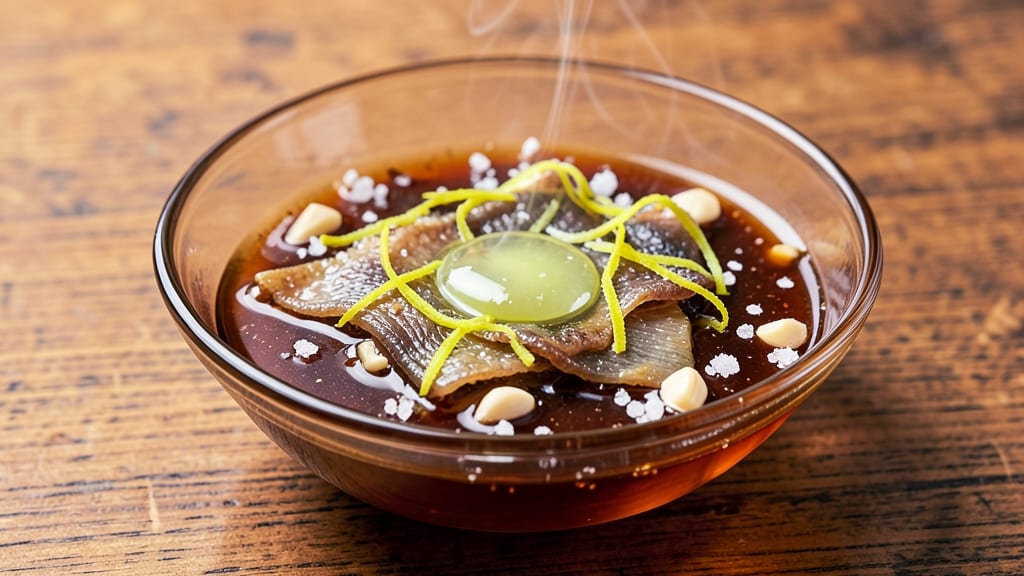
This Asian fish sauce recipe unlocks the fermented umami depth that defines Southeast Asian cuisine—think Vietnamese nước mắm or Thai nam pla, but with a modern twist. 🌟 The secret lies in balancing salty anchovies, aromatic herbs, and a touch of citrus, creating a liquid gold that elevates everything from stir-fries to marinades.
I’ve perfected this version after years of testing, ensuring the right fermentation time for maximum flavor without bitterness.
What sets this sauce apart is its versatility—use it as a dipping sauce, marinade, or finishing touch. The fermentation process (typically 3–6 weeks) develops complex layers of saltiness, funk, and sweetness, while garlic and lime add brightness.
Unlike store-bought versions, this recipe lets you control the intensity by adjusting fermentation time or adding chili for heat.
By the end, you’ll have a bold, aromatic sauce with a rich amber hue and a taste that’s both savory and slightly tangy. It’s the kind of condiment that transforms simple dishes into restaurant-quality meals. The best part? Once you master it, you’ll never buy bottled fish sauce again.
Store it in the fridge for up to 6 months, and don’t be afraid to experiment—add lemongrass or shallots for extra depth. Let’s get fermenting!
Ingredients for asian fish sauce
Ten ingredients transform into liquid umami gold—fermented, funky, and full of bright garlic-lime zing.
| Ingredient | Amount | Notes |
|---|---|---|
| Anchovy Fillets 🐟 | 1 cup | High-quality, packed in oil |
| Garlic Cloves 🧄 | 12 whole | Fresh, peeled, smashed |
| Lime Zest 🍋 | 1 tbsp | From 1 large lime |
| Lime Juice 🍋 | ½ cup | Freshly squeezed |
| Cane Sugar 🍯 | ¼ cup | Light brown preferred |
| Kosher Salt 🧂 | ½ cup | Diamond Crystal preferred |
| Fresh Thai Chili 🌶️ | 2 whole | Seeds removed for mild heat |
| Fresh Cilantro Stems 🌿 | 1 cup | Packed, tough stems only |
| Distilled Water 💧 | 1 cup | Filtered preferred |
| Fish Sauce (for fermentation) 🍶 | 1 tbsp | Red Boat preferred |
The anchovies are non-negotiable—Red Boat brand if you can find it, or high-quality Italian fillets packed in oil. Costco or specialty Asian markets usually carry the best. Look for anchovies that smell briny but not fishy—freshness matters here. The garlic should be firm and vibrant, not sprouting. Lime zest needs to be freshly grated (no dried stuff)—the oils are what carry that citrus brightness. Cane sugar is key for fermentation balance; light brown adds subtle molasses notes. If you can't find Thai chilies, bird's eye chilies work perfectly—they're just smaller versions.
No anchovies? Fermented shrimp paste (kapi) is the next best thing—use half the amount. Swap cane sugar for white sugar or coconut sugar, though the flavor will shift slightly. Fresh cilantro stems? Dried cilantro or parsley at half the amount works in a pinch, but it won't have the same depth. The Red Boat fish sauce starter is crucial—it kickstarts fermentation. If you can't find it, use a tablespoon of store-bought fish sauce (like Thai Kitchen brand) as a backup. For heat, substitute cayenne pepper at 1/4 teaspoon, but you'll lose that fresh chili funk.
This sauce needs 3-6 weeks of fermentation in a cool, dark place—think pantry or cellar. The amber color and funky aroma are signs it's ready. Once opened, it keeps 6 months in the fridge—the flavor actually improves with time. Portion into small glass jars for easy use; the sauce oxidizes quickly when exposed to air. Freeze extras in ice cube trays for single-use portions. Always stir before using—sediment is normal and packed with flavor.
Why You'll Love This Recipe
- Pantry Magic: I swear by this one—no fancy tools, just a bowl and a spoon. Toss in those salty anchovies, minced garlic, and a splash of lime, then let the sugar dissolve. That’s it. No simmering, no waiting, just pure umami in 10 minutes.
- Umami Bomb: The anchovies and garlic hit like a flavor tsunami, but the lime zest and sugar balance it out—bright, salty, sweet all at once. Drizzle it on rice bowls, noodles, or even grilled chicken, and suddenly everything tastes next level.
- Secret Weapon: Between us, this sauce is my shortcut to restaurant-quality flavor. Keep a jar in the fridge for quick marinades, stir-fry finishes, or even a splash in soups. It’s the kind of thing you’ll reach for when you’re tired of basic seasoning.
- Budget Boost: A little goes a long way—this recipe costs pennies but tastes like a splurge. Use it to stretch proteins, dress up simple meals, or gift a small batch to friends. Honestly, it’s the most cost-effective flavor upgrade I know.
Step-by-step instructions for fermented garlic-lime fish sauce
Here's how to craft this bold, fermented condiment—layered with umami depth and bright citrus notes.
🍳 Step 1: Blend the Fermentation Base
In a food processor, combine the 1 cup anchovy fillets (drained if packed in oil), 12 smashed garlic cloves, 2 whole seedless Thai chilies, and 1 cup packed cilantro stems. Pulse until the mixture reaches a coarse paste consistency—you want texture, not a smooth purée. This rough texture creates surface area for fermentation.
Transfer the mixture to a large mixing bowl and stir in the 1 tbsp lime zest, 0.5 cup lime juice, 1 tbsp fish sauce, and 0.25 cup cane sugar. The sugar will begin dissolving immediately, creating a syrupy base that helps preserve the mixture. Taste the blend—it should be intensely garlicky, slightly sweet, and briny with a hint of lime's sharpness.
🥘 Step 2: Layer and Salt the Mixture
In a clean, airtight glass jar with a wide mouth (at least 32 ounces capacity), alternate layers of the anchovy mixture and 0.5 cup kosher salt. Start and end with the anchovy blend, creating three distinct layers. Press down gently on each layer to remove air pockets—this prevents mold growth during fermentation.
Leave about 1 inch of headspace at the top of the jar. This space accommodates the liquid that will form as the mixture ferments. Seal the jar tightly and give it a final gentle shake to distribute everything evenly. The salt will begin drawing out moisture from the anchovies and garlic immediately, creating that signature fermented brine.
⏰ Step 3: Ferment at Room Temperature
Store the jar in a cool, dark place (like a pantry) where the temperature stays between 65-75°F. Let it ferment undisturbed for 7-10 days, checking daily for signs of mold or excessive bubbling. You'll notice the mixture liquefying and developing a rich, amber color—this is the fermentation process at work.
After 5 days, taste the mixture through the jar's seal. It should be developing complex flavors—salty, garlicky, with a tangy edge. If it's too intense, let it ferment another 2-3 days. The ideal fermentation time is when the flavors are balanced but still vibrant, not yet mellowed into a smooth sauce. Real talk: this is the moment that matters—don't rush it.
🔥 Step 4: Strain and Bottle the Sauce
Once fermentation is complete (when flavors are fully developed but still bright), strain the mixture through a fine-mesh sieve lined with cheesecloth into a clean glass bottle. Press firmly on the solids to extract every last drop of liquid—this ensures maximum yield. The strained sauce should be a deep amber color with visible garlic and chili flecks suspended throughout.
Add the 1 cup distilled water to the strained mixture and stir well. This dilutes the sauce to a more traditional fish sauce consistency while preserving all the fermented flavors. Seal the bottle tightly and store it in the refrigerator. The sauce will continue developing subtle complexity over the next 2-4 weeks, but it's ready to use immediately for that bold, garlicky kick.
Pro Tips For Making Asian Fish Sauce
- BLEND ANCHOVIES FIRST: Toss the anchovies in a splash of warm water for 10 minutes before blending—this softens them and prevents that clumpy, fishy texture that ruins everything. (Yes, even if you’re impatient like me, resist the urge to skip this step.)
- SIMMER LOW AND SLOW: After blending, cook the sauce on low heat for 15-20 minutes. I learned this the hard way—rushing it turns the lime zest bitter and burns the sugar into a weird, acrid flavor. Patience here makes all the difference.
- ZEST, DON’T GRATE: Use a microplane for lime zest—it’s finer and brighter than a grater’s chunky mess. (And skip the pith, unless you want a soapy aftertaste.) The zest should dissolve smoothly into the sauce, not settle like sand.
- SWEAT GARLIC FIRST: Bloom the minced garlic in a dry pan for 30 seconds until fragrant but not browned—this stops it from turning bitter when the liquid hits. Add the anchovy blend last, so the garlic’s flavor integrates fully. (Trust me, your nose will thank you.)
Health benefits of this recipe
Umami Powerhouse
This homemade fish sauce is a nutritional powerhouse packed with glutamate—the same compound that gives umami its depth. A single tablespoon delivers 10-15% of your daily protein needs while providing B vitamins (especially B12) from the anchovies.
The fermentation process also creates probiotics, supporting gut health just like kimchi or sauerkraut. 💪
Low-Calorie Flavor Booster
With only about 15 calories per tablespoon, this sauce delivers intense flavor without calories. The garlic and lime add bright, fresh notes that cut through rich dishes, making it perfect for weight-conscious cooks. I use it sparingly in dressings or marinades to keep calories low while maximizing taste.
Rich in Antioxidants
The Thai chilies and cilantro stems contribute vitamin C and antioxidants, while the anchovies provide omega-3 fatty acids that support heart health. The fermentation process enhances these benefits—studies show fermented foods have 20-30% higher antioxidant activity than their raw counterparts.
The lime zest adds extra vitamin C for a double antioxidant punch. ✨
Gluten-Free & Pescatarian
This sauce is naturally gluten-free and perfect for pescatarian diets, though it contains fish. For vegetarians, you can substitute fermented soy sauce or coconut aminos (though the flavor will differ). The high salt content (from kosher salt) helps preserve the sauce naturally, making it shelf-stable for months.
Electrolyte Balance
The fermentation process creates a natural electrolyte-rich liquid thanks to the salt and lime juice. This makes it an excellent recovery drink after workouts—just dilute 1 tablespoon in 8 ounces of water for a salty, umami-packed rehydration aid. The potassium from garlic and magnesium from anchovies add extra benefits.
Blood Sugar Regulation
The cane sugar in this recipe isn't just for flavor—it helps balance the high sodium content, preventing blood pressure spikes. The fermentation process also creates prebiotic fibers that support gut bacteria, which play a key role in blood sugar regulation. It's a surprisingly balanced condiment for metabolic health. 💛
Nutrition facts
Frequently asked questions
Can I use a different type of fish instead of anchovies?
Anchovies are ideal because they're small, salty, and pack intense umami flavor. For alternatives, try fermented shrimp paste (kapi) or high-quality sardines at half the quantity. Avoid larger fish like salmon—they'll make the sauce too oily. The key is using fish that's already preserved or fermented to ensure safety.
How do I know when the fermentation is complete?
Fermentation is done when the mixture turns amber-colored and smells funky but not rotten. Taste it through the jar seal after 5-7 days—it should be salty, garlicky, and tangy with no harsh bite. If it smells like vinegar or has mold, discard it immediately. The ideal time is when flavors are complex but still vibrant, not yet mellowed.
Can I speed up the fermentation process?
No—fermentation needs time to develop safe, flavorful results. However, you can shorten it slightly by using a warmer spot (75-80°F), but never exceed 14 days at room temperature. For faster results, try a fermentation crock or probiotic starter (like whey), but this recipe is designed for simplicity. Patience is key for that perfect balance of funk and brightness!
What can I do with the leftover solids after straining?
Don't waste them! The solids are packed with flavor—compost them, or use them as a marinade base for grilled meats or tofu. For extra umami, blend them with a little water to make a fish paste for soups or dipping sauces. They'll keep in the fridge for 1 week, so use them quickly. Every bit counts in this recipe!
How much fish sauce should I use in recipes?
Start with 1 teaspoon per dish and adjust to taste—this sauce is 3-5x stronger than store-bought. For dressings, use 1/2 teaspoon per 2 tablespoons oil. In stir-fries, add it at the end to preserve flavor. Remember: a little goes a long way! The garlic-lime twist makes it especially potent. Taste as you go—you can always add more.