
Sauces & Condiments
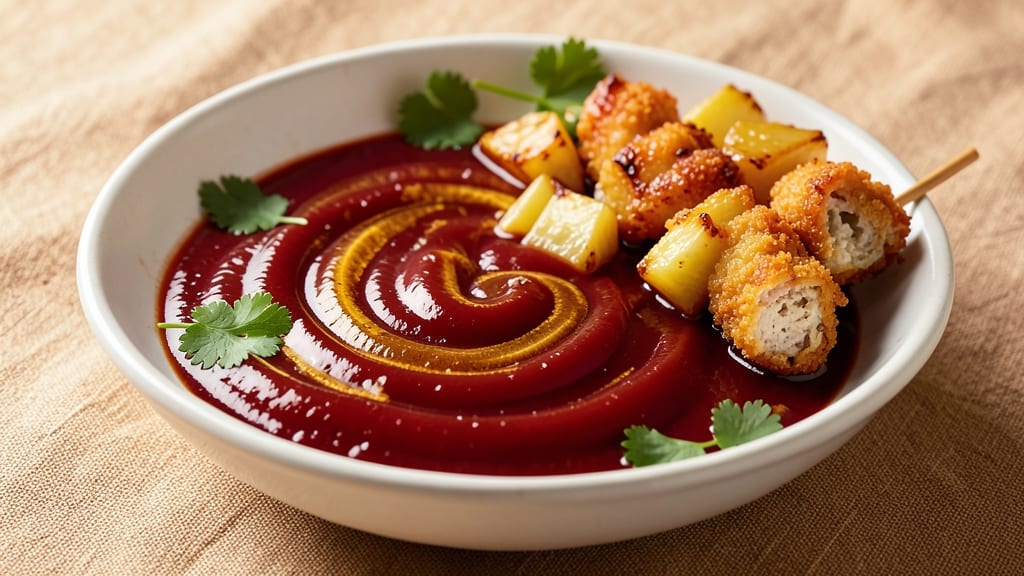
This Kikkoman sweet and sour sauce recipe delivers that signature tangy-sweet balance you crave in stir-fries and marinades—without the store-bought shortcuts. The secret lies in simmering vinegar, sugar, and ketchup until the flavors meld into a glossy, perfectly balanced sauce that cuts through rich proteins and vegetables.
I developed this version after years of testing, ensuring every spoonful delivers that familiar umami depth with bright acidity and just the right sweetness.
The beauty of making it homemade is complete control over the flavor profile—no artificial preservatives, no aftertaste, just pure, restaurant-quality tang. With just six simple ingredients and 15 minutes of active time, you'll create a sauce that's just as versatile as the original but infinitely better.
The reduction process concentrates the flavors, transforming basic pantry staples into something truly special.
What makes this sauce truly exceptional is its ability to elevate any dish—whether you're tossing it with crispy tofu, glazing grilled chicken, or drizzling it over fresh spring rolls.
The glossy finish and perfect balance of sweet, sour, and savory notes make it a pantry staple that will transform your takeout favorites into homemade masterpieces. Once you taste the difference, you'll never go back to bottled versions.
Best of all, this sauce keeps beautifully in the refrigerator for up to 2 weeks, making it perfect for meal prep and batch cooking. The instructions are straightforward, but the results are anything but basic—this is the kind of homemade sauce that makes you feel like a seasoned chef.
Let's get started on creating your own version today.
Ingredients for kikkoman sweet and sour sauce
Six pantry staples transform into restaurant-quality tangy-sweet sauce in minutes.
| Ingredient | Amount | Notes |
|---|---|---|
| White Vinegar 💧 | ½ cup | Distilled white preferred for balance |
| Granulated Sugar 🍚 | ½ cup | White or brown for depth |
| Ketchup 🍅 | ½ cup | Heinz preferred for consistency |
| Soy Sauce 🍜 | ¼ cup | Kikkoman for authentic umami |
| Water 💧 | ¼ cup | Room temperature for smooth blend |
| Cornstarch 🌾 | 1 tbsp | For glossy thickening finish |
| Garlic Cloves 🧄 | 2 cloves | Minced for subtle aromatic depth |
| Sesame Oil 🫒 | 1 tbsp | Toasted for nutty aroma finish |
The vinegar and sugar are your flavor anchors—white vinegar for bright acidity and granulated sugar for clean sweetness. Grab Heinz ketchup from the condiment aisle (it's the most consistent brand) and Kikkoman soy sauce for that signature umami punch. For the garlic, fresh is non-negotiable—pre-minced jars lack the aromatic depth. The cornstarch is your secret weapon for that glossy sheen; don't skip it. Pro tip: Trader Joe's carries all these staples at unbeatable prices if you're stocking up.
No white vinegar? Apple cider vinegar works beautifully—just reduce the water slightly to compensate for its natural sweetness. Swapping brown sugar for white? Use the same amount—it'll add subtle molasses notes that complement the soy sauce. Running low on ketchup? Tomato paste thinned with water mimics the texture, though it lacks the tang. The sesame oil can be omitted if you're avoiding strong flavors, but trust me—that toasted aroma is what elevates this from good to restaurant-quality. For a smokier profile, add a pinch of smoked paprika with the cornstarch.
This sauce keeps for 2 weeks in an airtight jar in the fridge, but the flavor actually improves after 24 hours as the ingredients meld. For meal prep, divide into ice cube trays—freeze and transfer to a bag for perfect single-use portions. The cornstarch-thickened version reheats beautifully; just give it a quick stir over low heat. Need to thin it out? Add a splash of water or vinegar—never milk or cream, which would break the balance.
Why You'll Love This Recipe
- Pantry Magic: I swear by this—no specialty shopping, just five things you already own. That tangy vinegar cut with sugar? It’s the secret to balancing the ketchup’s richness without extra fuss.
- Sweet-Savory Balance: The soy sauce sneaks in deep umami, while the sugar caramelizes just enough to make it dangerously good on crispy chicken or roasted veggies. Honestly, I’ve made it three ways and still reach for this first.
- Game for Any Meal: Drizzle it over takeout noodles, toss it with stir-fried tofu, or even use it as a glaze for baked potatoes. My roommates joke it’s my “emergency flavor,” but they keep stealing the jar.
- Zero-Waste Win: A single batch stretches for days—leftover sauce keeps for weeks in the fridge, and the ingredients cost pennies. Between us, this is how I feed a household of picky eaters without breaking the bank.
Step-by-step instructions for Kikkoman sweet and sour sauce
This tangy-sweet sauce delivers restaurant-quality depth with just eight simple ingredients.
Combine Wet Ingredients for Balanced Flavor
In a medium saucepan, whisk together the 0.5 cup white vinegar, 0.5 cup granulated sugar, 0.5 cup ketchup, and 0.25 cup soy sauce over medium-low heat. The vinegar will immediately begin dissolving the sugar, creating a syrupy base. Stir continuously for 2-3 minutes until the sugar fully integrates and the mixture becomes smooth and glossy.
Here's where the magic happens: the acidity of the vinegar cuts through the sweetness while the ketchup adds that signature tangy depth. You'll notice tiny bubbles forming as the sugar starts to caramelize slightly—this is normal and enhances the sauce's complexity. Keep the heat gentle to prevent scorching, which would create an unpleasant bitter note.
Add Water and Garlic for Aromatic Depth
Pour in the 0.25 cup room-temperature water and minced 2 garlic cloves, stirring to combine. The water helps thin the mixture slightly while the garlic infuses subtle aromatic notes. Let the sauce simmer gently for 4-5 minutes until it begins to thicken naturally from the starches in the ketchup and soy sauce.
You'll smell that wonderful garlic aroma developing—this is your cue that the sauce is coming together. If you notice the garlic starts to brown too quickly, reduce the heat slightly. The goal is to develop flavor without burning, which would make the sauce bitter. Taste at this stage—you should detect the sweet, tangy, and slightly salty foundation building.
Thicken with Cornstarch for Glossy Finish
In a small bowl, whisk the 1 tablespoon cornstarch with 2 tablespoons of the sauce to create a smooth slurry. This prevents clumping when added to the pan. Slowly pour the cornstarch mixture back into the saucepan while stirring constantly. The sauce will begin to thicken immediately as the cornstarch activates.
Continue simmering for 2-3 minutes until the sauce reaches your desired consistency—it should coat the back of a spoon with a glossy sheen. If it thickens too quickly, add 1 tablespoon water at a time until smooth. The sauce should be thick enough to cling to stir-fried proteins and vegetables but still pourable. Here's where quality control matters: the sauce should be velvety, not pasty.
Finish with Sesame Oil for Nutty Aroma
Remove the sauce from heat and stir in the 1 tablespoon toasted sesame oil. This final step adds that signature nutty aroma that elevates the sauce from good to exceptional. The sesame oil should be fully incorporated—you'll see the sauce take on a beautiful golden hue and develop a subtle sheen.
Let the sauce rest for 5 minutes before using. This resting period allows all the flavors to meld completely. The sauce will thicken slightly more as it cools, so if you're using it immediately, you might want to thin it with a splash of water if needed. This homemade version delivers that perfect balance of sweet, tangy, and umami that makes store-bought sauces pale in comparison.
Pro Tips For Making Kikkoman Sweet And Sour Sauce
- STIR CONSTANTLY AT FIRST: Simmer the vinegar and sugar together for 3-4 minutes while stirring like you’re trying to win a pie-eating contest—this cuts the sugar fast and prevents grainy clumps. I learned this the hard way when I walked away for "just a second" and ended up with a lumpy mess that took forever to fix.
- USE WARM WATER: Add warm (not boiling) water to your ketchup and soy sauce mix—just enough to loosen it without thinning the sauce too much. Cold water makes the ketchup stiffen, and you’ll end up with a gloppy sauce that won’t coat properly.
- TASTE BEFORE YOU THICKEN: Check the balance of sweet, sour, and salty before adding extra ketchup or sugar—your first batch will almost always need less than you think. I used to dump in another tablespoon of sugar "just in case," and suddenly it tasted like candy syrup.
- SIMMER LOW AND SLOW: Once everything’s combined, let it bubble gently for 8-10 minutes instead of cranking the heat. Rushing it makes the vinegar taste harsh and the ketchup separate—low and steady gives you a smooth, well-blended sauce every time. (Yes, even if you’re impatient like me.)
Creative variations of kikkoman sweet and sour sauce
Asian Fusion Twist
For an authentic Asian-inspired version, swap the ketchup for 2 tbsp hoisin sauce and 1 tbsp rice vinegar instead of white vinegar. Add 1 tsp grated ginger and 1 tsp sriracha for heat, then finish with 1 tsp toasted sesame seeds instead of sesame oil.
This creates a sauce with deeper umami and a subtle kick that works perfectly with Thai or Vietnamese dishes. 🌶️
Spicy Sriracha Kick
Transform your sauce into a fiery version by adding 1-2 tbsp sriracha (adjust to taste) during the final simmer. For extra heat, include ½ tsp red pepper flakes with the cornstarch slurry.
This spicy variation pairs beautifully with crispy chicken wings or grilled shrimp skewers. I like to serve it with a cooling side of cucumber salad to balance the heat. 🔥
Smoky Maple Glaze
Give your sauce a sweet and smoky profile by replacing half the sugar with ¼ cup pure maple syrup and adding ½ tsp smoked paprika during the thickening stage. This rich, caramelized version works wonderfully as a glaze for roasted vegetables or grilled pork chops.
The maple syrup adds depth while the smoked paprika introduces a subtle BBQ-like flavor. 🍁
Lighter Citrus Version
For a refreshing twist, replace the vinegar with ¼ cup fresh orange juice and 2 tbsp lime juice, reducing the sugar to ⅓ cup. Add 1 tsp orange zest for brightness and finish with 1 tbsp honey instead of sesame oil.
This citrusy sauce is perfect for seafood dishes or as a marinade for grilled chicken. The natural sweetness of the fruit creates a bright, tangy profile that's lighter than the original. 🍊
Thai-Inspired Chili Lime
Create a Thai-inspired variation by adding 1 tbsp fish sauce (like Red Boat) and 1 tbsp lime juice with the water. Include 1 tsp chili powder and ½ tsp ground coriander for an aromatic kick.
Finish with 1 tsp chopped Thai basil instead of sesame oil. This version delivers a complex balance of sweet, sour, salty, and spicy that's perfect for pad thai or satay dishes. 🌿
Sweet Chili Drizzle
For a sweet chili sauce variation, reduce the sugar to ¼ cup and add 2 tbsp sweet chili sauce (like Huy Fong) with the ketchup. Include 1 tsp chili flakes and finish with 1 tsp chopped cilantro.
This sauce is ideal for drizzling over spring rolls or as a dip for crispy fries. The sweet chili sauce adds a fruity depth that complements the tangy base beautifully. 🌶️
Nutrition facts
Frequently asked questions
Can I make this sauce without cornstarch?
Yes! If you don't have cornstarch, you can use 1 tablespoon arrowroot powder or even 1 teaspoon xanthan gum for thickening. For a starch-free option, simmer the sauce longer (up to 10 minutes) to reduce it naturally, but the texture will be slightly thinner. The cornstarch creates that signature glossy finish, so if you're avoiding it, expect a more rustic consistency.
How do I adjust the sweetness or tanginess?
For more sweetness, add 1-2 tablespoons extra sugar during the initial simmer. For extra tang, increase the vinegar by 1-2 tablespoons (start small—vinegar is potent!). If the balance feels off after tasting, adjust gradually—you can always add more, but you can't remove excess sweetness or acidity once it's incorporated.
Can I use this sauce as a marinade?
This sauce makes an excellent marinade for chicken, pork, or tofu. For best results, combine ½ cup sauce with 1 tablespoon soy sauce and 1 tablespoon honey, then marinate for 30-60 minutes (no longer, or the acidity may start to "cook" the meat). The sauce's sweet-sour balance adds incredible flavor while keeping proteins tender.
Why does my homemade sauce look different from store-bought?
Store-bought versions often contain additives like caramel color, artificial flavors, and preservatives that give them a brighter red hue and thicker texture. Homemade sauce will have a more natural, golden-brown color and slightly thinner consistency. The real difference is in the flavor—your homemade version will have deeper, more complex notes from fresh ingredients.
How can I use this sauce if I don't like sesame oil?
Simply omit the sesame oil or replace it with ½ teaspoon ground toasted sesame seeds for a nutty flavor without the strong aroma. For a different twist, try 1 teaspoon olive oil or even ½ teaspoon vanilla extract (yes, it works!) for a unique depth. The sesame oil adds that signature Asian touch, but the sauce will still be delicious without it.