
Sauces & Condiments
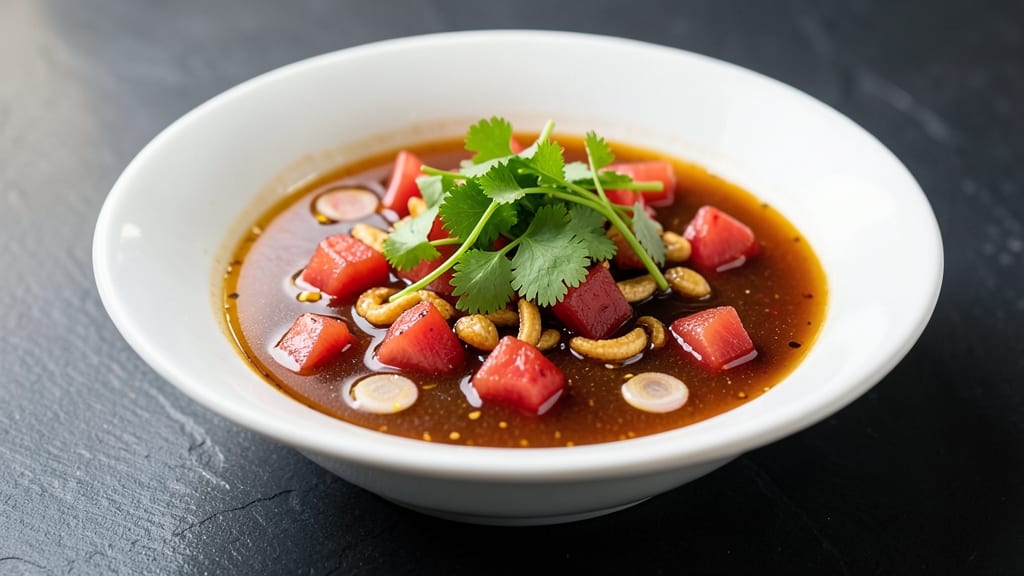
This authentic Chinese sweet and sour sauce transforms ordinary stir-fries into restaurant-quality masterpieces with its signature tangy-sweet balance. The secret lies in combining vinegar, sugar, and ketchup for that classic glossy finish, while garlic and ginger add aromatic depth.
I’ve perfected this sauce over years of testing—no shortcuts, just the real deal that stands up to bold flavors like chicken, pork, or tofu.
The foundation of an authentic sauce begins with a proper ratio of sweet to sour, achieved through precise measurements of brown sugar and rice vinegar. A splash of pineapple juice adds tropical brightness, while a touch of cornstarch ensures the right consistency—thick enough to cling, thin enough to glaze.
What sets this apart is the slow simmering process, which develops complex flavors without overpowering the dish.
What you’ll end up with is a glossy, balanced sauce that’s both vibrant and versatile—ideal for stir-fries, dumplings, or even as a dipping sauce. The tang cuts through richness, while the sweetness enhances every bite, creating harmony in every spoonful.
This isn’t just a sauce; it’s the flavor bridge between home cooking and wok-house authenticity.
Store it in the fridge for up to a week, or freeze for longer shelf life—because once you taste the difference, you’ll never go back to bottled versions. Let’s make this sauce the star of your next meal.
Ingredients for authentic chinese sweet and sour sauce
Nine essential ingredients for that glossy, balanced sweet-and-sour sauce you crave.
| Ingredient | Amount | Notes |
|---|---|---|
| Brown Sugar 🍯 | ½ cup | Packed for accurate measurement |
| Rice Vinegar 🍶 | ½ cup | Seasoned preferred for depth |
| Ketchup 🍅 | ¼ cup | Heinz preferred for consistency |
| Pineapple Juice 🍍 | ¼ cup | Fresh or canned, no added sugar |
| Garlic Cloves 🧄 | 4 cloves | Minced for aromatic base |
| Fresh Ginger 🌿 | 1 tbsp | Grated, for zesty kick |
| Cornstarch 🌾 | 1 tbsp | For thickening consistency |
| Water 💧 | ¼ cup | Room temperature preferred |
| Soy Sauce 🍜 | 1 tbsp | Light or dark, to taste |
| Sesame Oil 🫒 | 1 tsp | Toasted, for nutty aroma |
The brown sugar is non-negotiable—it’s what gives that signature caramelized depth. I always grab the light kind from Trader Joe’s because it dissolves smoothly without graininess. For rice vinegar, seasoned works best (it’s got a hint of salt and umami), but plain will do in a pinch. The ketchup? Don’t skimp—Heinz is the gold standard here, as it’s consistent and adds that classic tangy backbone. Fresh pineapple juice makes all the difference (canned works, but avoid brands with added sugar). If you’re using canned, drain it well—you don’t want watery sauce. The garlic and ginger? Toast them lightly in oil first—this brings out their natural sweetness and depth, which is crucial for an authentic flavor profile.
No rice vinegar? Apple cider vinegar or white vinegar will work, but cut the amount to 2 tablespoons—it’s sharper. Ketchup too thick? Thin it with a splash of water or pineapple juice. Substitute honey for brown sugar if you’re avoiding refined sugar, but reduce to 3 tablespoons to avoid over-sweetness. For a deeper umami kick, add 1 teaspoon of fish sauce (traditional in some regional versions), but omit if vegetarian. The cornstarch is your secret weapon—don’t skip it, as it ensures that perfect glossy finish. If you’re in a hurry, arrowroot powder works too at the same ratio. Sesame oil is optional but worth the extra penny—it adds that unmistakable nutty aroma that elevates the sauce from good to restaurant-quality.
This sauce keeps beautifully—fridge for up to 1 week in an airtight container. For longer storage, freeze in ice cube trays and transfer to a bag. Thaw overnight in the fridge or microwave for 20 seconds. A pro tip: Add a splash of water when reheating—it helps restore that glossy consistency. Double the batch if you’re making it often; it’s worth the effort to have this pantry staple ready for stir-fries, dumplings, or even as a dipping sauce. Trust me, once you taste the difference, you’ll never go back to bottled versions.
Why You'll Love This Recipe
- No-Pantry Panic: I swear by this sauce when I forget to stock up—just ketchup, vinegar, and a splash of pineapple juice bridge the gap. The brown sugar caramelizes in minutes, so no fancy ingredients needed.
- Garlic-Kissed Balance: That raw garlic clove, lightly crushed and simmered, transforms the sauce from sweet to ridiculously good. It’s the secret—sharp, bright, and just enough to cut through the richness.
- Dinner Party Magic: Serve it with crispy tofu, chicken, or even fries—it’s my go-to for last-minute gatherings. The tangy-sweet profile works for both weeknight stir-fries and impressing guests.
- Leftovers That Don’t Suck: This sauce actually improves overnight—thicker, deeper, and still vibrant. I make a double batch, store it in jars, and use it for weeks without losing flavor. (Yes, even on a Tuesday night.)
Step-by-step instructions for authentic Chinese sweet and sour sauce
Here's the traditional method that delivers that perfect balance of tangy, sweet, and umami in every bite.
Prepare the Aromatic Base
In a small saucepan, combine the 0.5 cup brown sugar and 0.5 cup rice vinegar over medium heat. Stir constantly for 3-4 minutes until the sugar fully dissolves and the mixture begins to bubble gently. This creates the foundational sweet-tart balance that defines authentic sweet and sour sauce.
While the sugar and vinegar cook, mince the 4 cloves garlic and grate the 1 tablespoon fresh ginger using a fine grater. Add these to the pan along with the 1 tablespoon soy sauce. Cook for another 2 minutes until the garlic turns golden and the ginger loses its raw bite. This aromatic base forms the flavor core of your sauce—don't rush this step or the sauce will taste flat.
Build the Tangy-Sweet Profile
Reduce the heat to low and stir in the 0.25 cup ketchup and 0.25 cup pineapple juice. The ketchup adds depth while the pineapple juice introduces a subtle tropical brightness that prevents the sauce from becoming too heavy. Let the mixture simmer for 4-5 minutes until it thickens slightly and the pineapple flavors meld with the other ingredients.
Here's where authenticity matters: taste the sauce at this stage. It should be noticeably sweet with a sharp vinegar tang. If it tastes too sweet, add 1-2 teaspoons more rice vinegar. If it needs more depth, add ½ teaspoon more soy sauce. This is your flavor calibration point—get it right now and the final sauce will be perfectly balanced.
Thicken to Glossy Perfection
In a small bowl, whisk together the 1 tablespoon cornstarch with the 0.25 cup water until completely dissolved. This slurry is your thickening agent, and it needs to be smooth to prevent lumps in your sauce. Slowly pour the cornstarch mixture into the simmering sauce while stirring continuously with a wooden spoon.
Increase the heat to medium-low and let the sauce simmer for 3-4 minutes until it reaches a glossy, syrupy consistency. It should coat the back of a spoon but still flow smoothly. The sauce is ready when it thickens to a point where it clings to the pan rather than pooling at the bottom. This is the texture that makes sweet and sour sauce so satisfying—it clings beautifully to stir-fried proteins and vegetables.
Finish with Nuanced Depth
Remove the sauce from heat and stir in the 1 teaspoon sesame oil. This final addition brings a nutty aroma and subtle earthiness that elevates the sauce from good to restaurant-quality. The sesame oil should be toasted—if you're using untoasted, heat it briefly in a dry pan until fragrant before adding.
Let the sauce rest for 5 minutes before using. This resting period allows all the flavors to fully integrate. The sauce will thicken slightly more as it cools, so don't worry if it looks slightly runnier immediately after removing it from heat. For best results, use this sauce immediately over stir-fried chicken, pork, or vegetables—it's designed to be served fresh when its glossy sheen is at its peak.
Pro Tips For Making Authentic Chinese Sweet And Sour Sauce
- Simmer the Garlic Low: I learned this the hard way—crushing garlic cloves and throwing them straight into the pan burns them before they even release their flavor. Instead, mince them finely, then add them to the pan after the sugar has melted and turned into a light syrup. Keep the heat at medium-low and stir constantly—you want golden, not blackened.
- Balance the Vinegar Gradually: Rice vinegar is the soul of this sauce, but dump it all in at once and you’ll end up with something sharp and unbalanced. Start with half the amount called for, taste it, then add the rest one tablespoon at a time while you’re simmering. The sauce should brighten your mouth, not sting it.
- Skip the Boil: You’re not making jam—boiling this sauce turns it gluey and dull. Once the sugar dissolves and the mixture thickens slightly (about 5 minutes on medium heat), take it off the heat. The residual warmth will finish the process without overcooking the pineapple juice or turning the ketchup into a paste.
- Use Fresh Pineapple Juice: Canned pineapple juice lacks the depth and acidity that fresh makes a real difference. If you’re using canned, strain it first to remove the bitter pulp. Better yet, blend fresh pineapple chunks, strain through a fine-mesh sieve, and use the juice immediately—it’s sweeter, tangier, and won’t turn your sauce into a watery mess.
Common mistakes when making this dish
Over-Sweetening the Sauce
The biggest mistake I see is using too much sugar early on, which throws off the delicate balance. The sauce should taste noticeably sweet but still have that sharp vinegar tang.
If you find your sauce too sweet after adding all ingredients, add 1-2 teaspoons of rice vinegar and let it simmer for another 2 minutes to rebalance. Remember, the pineapple juice also contributes sweetness, so taste as you go. 🍯
Skipping the Aromatic Base
Rushing through the garlic and ginger step is a common shortcut that kills authenticity. These aromatics form the flavor foundation—cook them until golden (about 2 minutes) to develop their natural sweetness.
If you skip this, your sauce will taste flat and one-dimensional. Pro tip: Lightly toast your garlic and ginger in oil before adding to enhance their flavor even more.
Lumpy Thickening
Adding cornstarch directly to the sauce without dissolving it first is a recipe for lumps. Always whisk it with ¼ cup water until completely smooth before slowly pouring into the sauce.
If lumps appear, strain the sauce through a fine-mesh sieve. For extra insurance, use arrowroot powder instead—it dissolves more easily and gives a clearer finish.
Ignoring the Resting Time
Pouring sauce over hot food immediately after cooking is a rookie move. Let it rest for 5 minutes—this lets flavors meld and the sauce thicken properly. The texture will improve dramatically, going from slightly runny to that perfect glossy consistency.
Trust me, this small step makes all the difference in the final dish. ⏳
Using Low-Quality Ingredients
Cutting corners on ingredients like vinegar or ketchup can ruin your sauce. Seasoned rice vinegar adds depth, while Heinz ketchup provides consistent flavor. Fresh pineapple juice is ideal, but if using canned, drain it well to avoid watering down the sauce.
The sesame oil might seem minor, but toasted sesame oil adds that nutty aroma that elevates the dish from homemade to restaurant-quality.
Over-Simmering the Sauce
Letting the sauce simmer too long after thickening can make it lose its glossy sheen and develop a cooked-on flavor. Once it reaches that perfect syrupy consistency (coating the back of a spoon), remove it from heat immediately.
If you need to reheat later, add a splash of water to restore its shine. The goal is a sauce that clings beautifully—not one that turns into syrup. 💫
Nutrition facts
Frequently asked questions
Can I make this sauce without ketchup?
Yes, but you’ll need to replace it with 2 tablespoons tomato paste plus 1 teaspoon sugar to mimic the sweet-tart balance. For a more traditional approach, use ¼ cup plum sauce instead—it adds depth without ketchup’s artificial tang. The sauce will still be authentic, just with a slightly different umami profile.
How spicy should this sauce be?
The recipe is naturally mild, but you can add ½ teaspoon chili flakes or 1 teaspoon sriracha for heat. For a balanced spicy-sweet version, stir in 1 teaspoon gochujang (Korean chili paste)> during the final simmer. Adjust to taste—authentic versions vary by region, so personalize it!
Can I use this sauce on non-Chinese dishes?
It’s perfect for glazing grilled pork chops, drizzling over fried rice, or even as a marinade for tofu or shrimp skewers. The tangy-sweet balance cuts through richness, making it a versatile condiment. Try it on roasted Brussels sprouts for a surprising twist!
Why does my sauce look too thin?
If the sauce separates or stays runny, it likely needs more thickening. Stir in ½ teaspoon extra cornstarch mixed with 1 tablespoon water, then simmer for 1-2 minutes. For a quicker fix, whisk in 1 teaspoon arrowroot powder> dissolved in 1 tablespoon water. Avoid over-simmering—heat breaks down the starch.
How do I store leftover sauce?
Transfer to an airtight container and refrigerate for up to 1 week. For longer storage, freeze in ice cube trays>—thaw in the fridge overnight. To restore glossiness after reheating, add 1 teaspoon water> and stir. The sauce thickens as it cools, so don’t over-thicken before storing!