
Sauces & Condiments
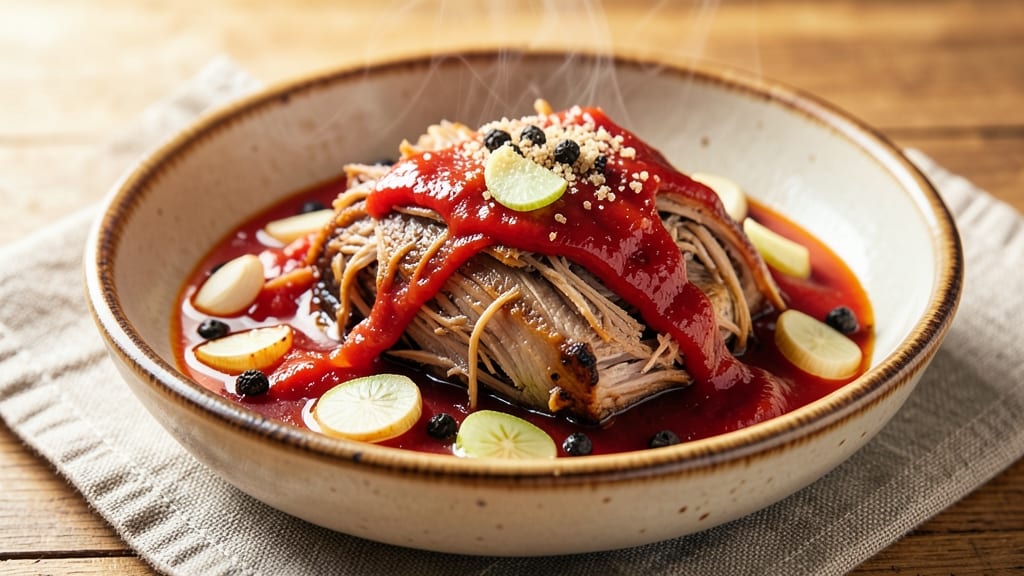
This giniling na baboy recipe with tomato sauce brings the rich, smoky flavors of Filipino comfort food to your kitchen table. 💛 After years of perfecting this dish, I've developed a method that delivers tender, fall-off-the-bone pork simmered in a tangy-sweet tomato gravy that's both traditional and approachable for home cooks.
The secret lies in the giniling technique—grinding spices and aromatics into a paste that infuses the pork with deep, complex flavors. We start with a simple marinade of garlic, ginger, and black peppercorns, then slow-cook the pork until it's melt-in-your-mouth tender.
The tomato sauce, reduced to a glossy consistency, ties everything together with its perfect balance of acidity and sweetness. What you'll end up with is a dish that's hearty enough for family gatherings but simple enough for weeknight dinners.
The pork remains juicy and flavorful, while the sauce clings to every bite, creating a harmonious blend of smoky, sweet, and tangy notes that's pure Filipino comfort food at its best. This recipe serves 6-8 and can be made ahead, making it perfect for meal prepping or special occasions.
Let's get cooking!
Ingredients for giniling na baboy recipe with tomato sauce
Pork, spices, and tomatoes—these simple ingredients transform into rich, smoky comfort food.
| Ingredient | Amount | Notes |
|---|---|---|
| Pork Shoulder 🐖 | 3 lb | Cut into 2-inch chunks |
| Garlic Cloves 🧄 | 10 cloves | Peeled, for giniling paste |
| Fresh Ginger 🌿 | 2 tbsp | Grated, for giniling paste |
| Black Peppercorns 🌶️ | 1 tbsp | Crushed, for giniling paste |
| Canned Tomato Sauce 🍅 | 2 cups | San Marzano preferred |
| Brown Sugar 🍚 | ½ cup | Packed, for sauce balance |
| White Vinegar 💧 | ¼ cup | For tangy brightness |
| Bay Leaves 🍃 | 2 whole | For aromatic depth |
| Onion 🧅 | 1 whole | Sliced, for flavor base |
| Olive Oil 🫒 | ¼ cup | For searing pork |
| Salt 🧂 | 1 ½ tsp | Kosher or sea salt |
| Ground Black Pepper 🌶️ | ½ tsp | Freshly ground |
| Soy Sauce 🍶 | 2 tbsp | For umami depth |
The pork shoulder is key—it stays juicy and tender through slow cooking. Costco or local butchers usually have it pre-cut, but if buying whole, ask for a bone-in piece. The giniling paste (garlic, ginger, peppercorns) is where the magic happens—pulse everything in a food processor until it's a thick, fragrant paste. Look for fresh ginger with tight skin and San Marzano tomatoes for the best sauce. If you can't find San Marzano, any high-quality canned tomatoes will work—just drain them well before using.
No fresh ginger? Powdered ginger at half the amount works in a pinch, but fresh is ideal. Short on garlic? Garlic powder at one-third the amount gets you close, though it lacks that fresh punch. The brown sugar balances the acidity—don't skip it, but adjust to taste if you prefer less sweetness. For extra richness, add 1 tbsp of coconut milk to the sauce at the end. The soy sauce adds umami, so if you're using low-sodium, add an extra teaspoon to compensate.
This dish tastes even better the next day—make extra for leftovers! Store in an airtight container in the fridge for 4-5 days or freeze portions for 3 months. The sauce thickens as it cools, so add a splash of water when reheating. I like to serve it with steamed rice and a side of garlic fried rice—the smoky pork and tangy sauce pair perfectly with the buttery rice.
Why You'll Love This Recipe
- One-Pot Magic: I swear by this recipe because it’s all in one pot—no chopping mountains of veggies, no fussing with multiple pans. Just toss in the pork shoulder, minced garlic, and ginger, let it caramelize, then pour in that rich tomato sauce. The sauce does half the work for you.
- Pork Perfection: That pork shoulder? It turns incredibly tender—fall-apart tender—while the tomato sauce clings to every bite like a flavor hug. The garlic and ginger sing through the sauce, and the peppercorns add just enough bite to keep it interesting. It’s the kind of dish that makes you want to lick the plate.
- Leftovers That Shine: Between us, this recipe actually improves the next day. The flavors meld even deeper, and the sauce thickens just enough to coat everything perfectly. I’ve reheated portions for lunch with rice and steamed veggies—zero complaints, just pure satisfaction.
- Budget-Friendly Feast: Pork shoulder is a steal, and canned tomato sauce stretches across multiple meals without breaking the bank. Honestly, this is my go-to when I need to feed a crowd without stressing over cost. Plus, the leftovers? They’re my secret weapon for lazy afternoons.
Step-by-step instructions for giniling na baboy with tomato sauce
This smoky, tangy-sweet pork dish comes together in layers of flavor—crispy sear, aromatic paste, and rich tomato gravy.
🔥 Step 1: Sear the Pork Shoulder for Deep Flavor
Heat the 0.25 cup olive oil in a large Dutch oven over medium-high heat until shimmering. Add the 3 lb pork shoulder cut into 2-inch chunks in a single layer, working in batches if needed. Let the pork brown undisturbed for 4-5 minutes until deeply golden—this creates that irresistible crust we're after.
Don't rush this step. You'll know it's ready when the edges are rich brown and the pork releases easily from the pan. Transfer the seared pork to a plate and set aside. If the oil isn't hot enough, the pork will steam instead of sear—keep your heat steady at medium-high.
👨🍳 Step 2: Create the Aromatic Giniling Paste
In the same Dutch oven, reduce heat to medium and add the 1 whole sliced onion. Cook for 5 minutes until softened and translucent. Add the 10 peeled garlic cloves, 2 tbsp grated fresh ginger, and 1 tbsp crushed black peppercorns, stirring constantly for 1-2 minutes until fragrant.
Here's where the magic happens: the paste should smell like a spice market exploded. If it starts to brown too quickly, reduce heat to low-medium. This aromatic base forms the flavor foundation for our entire dish—don't skip this step or rush the cooking time.
🥘 Step 3: Build the Tangy-Sweet Tomato Gravy
Return the seared pork to the Dutch oven. Pour in the 2 cups canned tomato sauce, 0.5 cup packed brown sugar, 0.25 cup white vinegar, 2 tbsp soy sauce, 1.5 tsp salt, and 0.5 tsp ground black pepper. Add the 2 whole bay leaves and stir everything together until well combined.
The sauce should coat the pork completely—if it looks too thick, add ¼ cup water to help it meld. Bring to a gentle simmer, then reduce heat to low. The sauce will bubble gently, and you'll see those beautiful aromatics infusing into every bite.
⏰ Step 4: Simmer Until Fork-Tender
Cover the Dutch oven and let the pork simmer gently for 1 hour 30 minutes to 2 hours. The key here is patience—the pork needs time to break down into tender, melt-in-your-mouth pieces. Check occasionally and add ¼ cup water if the sauce gets too thick.
You'll know it's done when a fork slides in easily through the thickest piece of pork. The sauce should be thick enough to coat the back of a spoon but still silky smooth. If the pork isn't tender after 2 hours, continue cooking—it's better to err on the side of tenderness.
🍽️ Step 5: Serve with Perfectly Balanced Sauce
Remove the bay leaves and adjust seasoning if needed—this is your chance to taste and perfect the balance. The sauce should be sweet, tangy, and slightly smoky with umami depth from the soy sauce. Serve the pork hot, ladling that glorious sauce over each portion.
This dish tastes even better the next day as the flavors meld further. Pair with steamed rice to soak up every last drop of that rich tomato gravy. The perfect giniling na baboy delivers tender pork with a sauce that's sweet, tangy, and just smoky enough to make your taste buds dance.
Pro Tips For Making Giniling Na Baboy Recipe With Tomato Sauce
- Sear the Pork Shoulder First: Don’t skip browning the meat—this isn’t just for looks. Sear pork shoulder slices in batches over medium-high heat until deep golden, about 3-4 minutes per side. I learned the hard way that skipping this step leaves the sauce tasting flat and the pork dry, no matter how long you simmer.
- Mince Ginger Like You Mean It: Fresh ginger should be finely minced, not just chopped—think rice grains, not pebbles. A sharp knife or food processor works best, and don’t skip this: the texture of the sauce depends on it. I used to grate it, but the sauce never had that same smooth, aromatic punch.
- Simmer Low and Slow: After adding tomato sauce, keep the heat at a bare simmer—just enough to see tiny bubbles at the edges. Rush this, and the sauce will turn grainy or even curdle. I used to crank the heat, thinking it’d cook faster, but the result was always a sad, thickened mess.
- Deglaze with a Splash of Water: After searing the pork and garlic, don’t just dump in the tomato sauce—first splash in ¼ cup of water or broth to loosen the browned bits stuck to the pan. This adds depth to the sauce without extra effort. I was skeptical until I tried it, and now it’s non-negotiable.
Pro cooking tips for perfect results
Perfect Pork Prep
Start with a bone-in pork shoulder—the bone adds depth of flavor and keeps the meat juicier. Ask your butcher for a 2-3 inch thick cut with some fat marbling. Trim excess fat but leave about ¼ inch for moisture during cooking.
I always cut the pork into 2-inch chunks for even cooking—this ensures every piece gets that perfect sear and tender finish. 💛
Giniling Mastery
The giniling paste is the soul of this dish, so don't rush it. Pulse 10 garlic cloves, 2 tbsp grated ginger, and 1 tbsp crushed black peppercorns in a food processor until it forms a thick, fragrant paste—almost like a chunky jam.
Fresh ginger is non-negotiable here; powdered won't give the same zing. If your paste looks dry, add 1 tsp water to help it bind. This step should take about 1-2 minutes of processing.
Sauce Balance
The tomato sauce needs the perfect balance of sweet, tangy, and umami. Start with San Marzano tomatoes for their natural sweetness, then adjust the brown sugar (½ cup) and white vinegar (¼ cup) to taste.
If your sauce tastes too sharp, add 1 tsp more sugar; if it's too flat, splash in 1 tsp more vinegar. The soy sauce (2 tbsp) adds that savory depth—don't skip it, even if you're using low-sodium. Taste as you go!
Slow Cooking Secrets
Patience is key here—low and slow is the only way to get fork-tender pork. After searing, simmer the pork covered on low heat for at least 1.5 hours, checking occasionally. If the sauce reduces too quickly, add ¼ cup water to keep it silky.
The pork is done when it falls apart easily with a fork. Pro tip: If you're short on time, use a slow cooker on low for 6-8 hours—just sear the pork first for that crust.
Equipment Essentials
A Dutch oven is your best friend for this recipe—it holds heat well and creates a tight seal for even cooking. If you don't have one, a heavy-bottomed pot with a tight-fitting lid works too.
For the giniling paste, a food processor is ideal, but a mortar and pestle works in a pinch (just be ready for some elbow grease!). A meat thermometer ensures perfect doneness—aim for 203°F internal temperature for pull-apart tenderness. ⚡
Make-Ahead Magic
This dish tastes even better the next day as the flavors meld. Let it cool completely, then store in an airtight container in the fridge for 4-5 days or freeze for 3 months. When reheating, add 2-3 tbsp water to loosen the sauce—it thickens as it cools.
I love making a double batch for lazy weeknights; just reheat and serve with steamed rice. The leftovers are just as comforting as the first serving! 💡
Nutrition facts
Frequently asked questions
What makes this giniling na baboy different from regular pork stews?
The giniling technique is what sets this apart! Instead of just chopping garlic and ginger, we grind them with black peppercorns into a fragrant paste that infuses the pork with deep, complex flavors. The tomato sauce reduction also creates a glossy, tangy-sweet gravy that's more concentrated than typical stews, giving each bite a perfect balance of sweetness and acidity.
Can I substitute pork shoulder with another cut?
While pork shoulder is ideal, you can use pork belly or pork butt for similar results. Avoid lean cuts like tenderloin—they won't render enough fat for that rich sauce. If using pork belly, reduce cooking time by 30 minutes since it's more tender. The key is choosing a cut with some fat marbling for moisture and flavor.
How do I adjust the sweetness or tanginess?
Start with the recipe's ½ cup brown sugar and ¼ cup vinegar, then taste as you go. For more sweetness, add 1 tsp at a time until balanced. For extra tang, increase vinegar by 1 tsp increments. Remember: the sauce should be sweet, tangy, and slightly smoky—all three elements should shine equally.
Can I make this in an Instant Pot or slow cooker?
For Instant Pot: Sear pork first, then add all ingredients and cook on high pressure for 45 minutes, followed by a 10-minute natural release. For slow cooker: Sear pork, then combine everything and cook on low for 6-8 hours. The slow cooker version will be even more tender—just check for doneness with a fork. Both methods work beautifully!
What's the best way to serve giniling na baboy?
This dish is traditionally served with steamed white rice to soak up the rich sauce. For extra flair, add a side of garlic fried rice or sautéed green beans. The smoky pork pairs wonderfully with crisp vegetables too. In the Philippines, it's often served with sour citrus slices (like calamansi) to cut through the richness.