
Sauces & Condiments
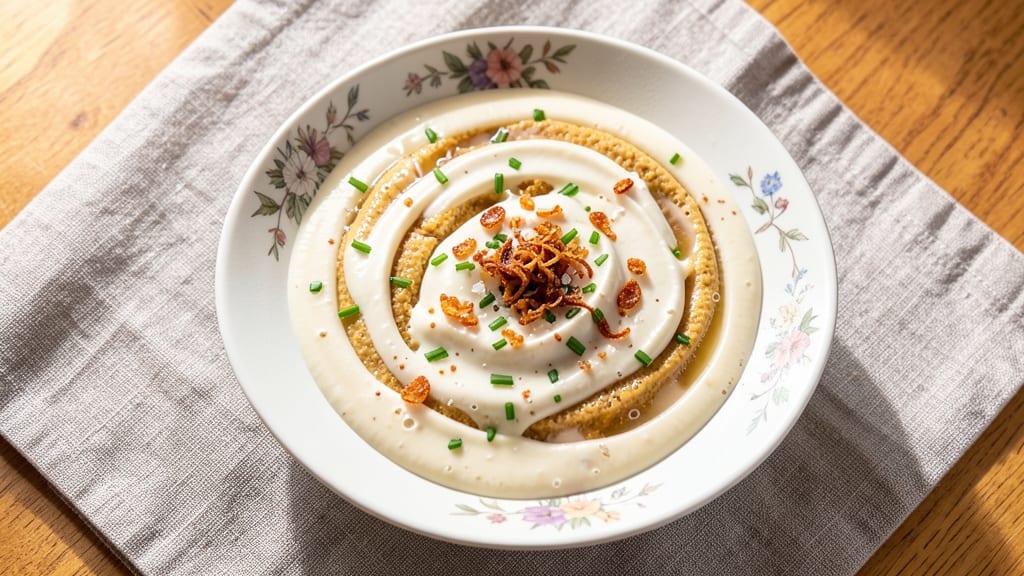
This cream of chicken soup sauce recipe transforms simple pantry staples into velvety, restaurant-quality richness without a single drop of heavy cream. The secret lies in a perfectly balanced roux—just enough to thicken the broth while keeping the sauce smooth and luxurious.
I developed this version after years of testing, ensuring every spoonful delivers that comforting, creamy texture we all crave.
The foundation starts with chicken broth and butter, cooked into a golden roux before adding flour for that signature thickness. A splash of warm milk (or half-and-half) rounds out the sauce, creating a velvety finish that coats every bite.
Seasoning with salt, pepper, and a touch of garlic powder elevates the flavor without overpowering the dish.
What you’ll end up with is a smooth, velvety sauce that’s ideal for drizzling over mashed potatoes, pasta, or grilled chicken. The best part? It reheats beautifully and keeps for up to 5 days in the fridge, making it perfect for meal prep.
No heavy cream means lighter calories but just as much indulgence.
For extra depth, stir in a splash of lemon juice or a pinch of dried thyme before serving—small tweaks that make all the difference. Let’s get started on this foolproof, creamy masterpiece that’s sure to become a kitchen staple.
Ingredients for cream of chicken soup sauce
Nine simple ingredients transform into velvety, restaurant-quality cream of chicken sauce—no heavy cream needed.
| Ingredient | Amount | Notes |
|---|---|---|
| Unsalted Butter 🧈 | ½ cup | Cold, cubed for even cooking |
| All-Purpose Flour 🌾 | ½ cup | Sifted for smooth sauce |
| Chicken Broth 🍲 | 4 cups | Low-sodium preferred |
| Warm Whole Milk 🥛 | 1 cup | Not boiling, room temp |
| Garlic Powder 🧄 | 1 tsp | Freshly ground preferred |
| Salt 🧂 | ½ tsp | Diamond Crystal preferred |
| Ground Black Pepper 🌶️ | ¼ tsp | Freshly cracked |
| Lemon Juice 🍋 | 1 tbsp | Freshly squeezed |
| Dried Thyme 🌿 | ¼ tsp | Or 1 tsp fresh thyme |
The butter and flour create that signature roux—don't rush this step. European-style butter from Plugrá or Land O'Lakes works perfectly, but any unsalted butter will do. For the flour, King Arthur or Bob's Red Mill brands are reliable for smooth results. The chicken broth should be low-sodium to avoid over-salting later. I always use Kitchen Basics or Pacific Foods for the best flavor foundation. If you're using powdered chicken bouillon, reduce the salt by half since it's highly concentrated.
No butter? Olive oil or coconut oil works in a pinch (use same amount), but the flavor will differ slightly. Short on milk? Half-and-half or evaporated milk adds richness, though whole milk is traditional. The garlic powder can be swapped for 1/2 tsp fresh minced garlic, but toast it first for deeper flavor. For extra depth without heavy cream, 1/4 cup coconut milk creates a dairy-free version. The lemon juice and thyme are optional but elevate the sauce—think of them as your flavor insurance policies. If you're making a big batch, double the thyme and lemon for more complexity.
This sauce keeps beautifully—5 days in the fridge once cooled completely. For longer storage, freeze in ice cube trays for single-serving portions. Reheat gently on the stove with a splash of milk or broth to restore creaminess. The sauce thickens as it cools, so thin with more warm milk if needed. I always make a double batch—one for immediate use and one to freeze for lazy weeknights. The flavors actually improve after 24 hours as everything melds together perfectly.
Why You'll Love This Recipe
- Here’s what sold me: I can make a big batch for under $5, and it keeps in the fridge for days. My freezer is full of portions of this sauce because it’s cheaper than takeout, feeds the whole family, and still tastes like I spent hours cooking. (Yes, even on a Tuesday night.)
- Pantry Magic: I swear by this sauce because it turns five ingredients into something rich and velvety—no fancy shopping required. The butter and flour create that thick, dreamy base in minutes, and the milk? It’s the secret to that creamy texture without needing heavy cream.
- Garlic-Kissed Comfort: That pinch of garlic powder isn’t just flavor—it’s the little boost that makes this sauce taste like it simmered for hours. Honestly, the first time I added it, my whole house smelled like a cozy diner, and my family asked for seconds before the bowl was even empty.
- Weeknight Wonder: This sauce is my go-to when I’m swamped—dump it over pasta, mix it into mashed potatoes, or even drizzle it on grilled chicken. Between us, I’ve used it for everything from lazy dinners to last-minute potlucks, and it never lets me down.
Step-by-step instructions for cream of chicken soup sauce
Transform simple ingredients into velvety perfection with this foolproof roux technique.
Create the Roux Foundation
Melt the 0.5 cup unsalted butter in a medium saucepan over medium heat. Once fully melted and foaming subsides, reduce heat to low and immediately whisk in the 0.5 cup all-purpose flour. This creates a roux—the flavor base of your sauce.
Whisk constantly for 2-3 minutes until the mixture turns a pale golden color and smells nutty. This is your signal that the raw flour flavor has cooked off and the roux is ready. If you let it brown, you'll get bitter notes instead of that smooth, creamy texture we're after. Keep the heat low to prevent burning—this is where most home cooks mess up.
Gradually Incorporate the Broth
Slowly pour in the 4 cups chicken broth while whisking vigorously to prevent lumps. The mixture will thicken immediately, but keep whisking for another 2-3 minutes until it reaches a smooth, paste-like consistency. This gradual addition ensures your sauce develops proper body without clumping.
Here's the thing—if you add the broth too quickly, you'll end up with a grainy sauce. I like to pour it in a slow, steady stream while whisking with my other hand. The sauce should coat the back of a spoon but still flow easily. If it's too thick at this stage, we'll adjust it later with the milk.
Build Flavor with Seasonings
Stir in the 1 tsp garlic powder, 0.5 tsp salt, 0.25 tsp ground black pepper, and 0.25 tsp dried thyme. Let the mixture simmer gently for 5 minutes, stirring occasionally, until the flavors meld together. You'll notice the aroma becoming more complex—this is when the sauce starts to develop its signature depth.
Don't skip this simmering time. It allows the spices to bloom and the flavors to marry properly. If you taste it now, you'll get a preview of the rich, savory foundation we're building. The thyme adds an earthy note that complements the chicken flavor beautifully, while the garlic powder gives it that subtle, aromatic kick.
Achieve Velvety Texture with Milk
Gradually whisk in the 1 cup warm whole milk until the sauce reaches your desired consistency. It should be smooth and coat the back of a spoon but still be pourable. If it's too thick, add 1-2 tablespoons water at a time until perfect. This milk addition creates that signature creamy texture without using actual cream.
I know it seems counterintuitive to add milk after the roux, but this is the secret to that restaurant-quality velvety finish. The milk mellows the roux's richness while adding body. Keep whisking gently—you don't want to create bubbles. The sauce should look glossy and inviting, with a smooth, even texture throughout.
Finish with Brightness and Balance
Remove the sauce from heat and stir in the 1 tbsp lemon juice. This final step brightens the flavors and cuts through any potential heaviness. The acidity from the lemon juice also helps balance the richness of the butter and milk, creating that perfect harmony of flavors.
Taste and adjust seasoning if needed—you might want to add a pinch more salt or pepper to your liking. The sauce should be rich but not overpowering, with a perfect balance of savory, herbal, and slightly tangy notes. Transfer to a serving dish and enjoy immediately, or store in the refrigerator for up to 5 days. This sauce tastes even better the next day as the flavors continue to develop!
Pro Tips For Making Cream Of Chicken Soup Sauce
- Cook the roux low and slow: I learned this the hard way—blasting that butter and flour on high heat turns your sauce into glue. Keep the heat at medium-low and stir like you’re stirring a pot of oatmeal. You want a golden, nutty roux, not a burnt one that tastes like regret.
- Whisk the milk in gradually: Pouring warm milk all at once? You’ll end up with lumps, and nobody likes fighting those later. Start with a splash, whisk until smooth, then add more. The goal is a silky texture, not a science experiment.
- Season the broth first: Your broth is the flavor backbone—don’t save salt for the end. Taste it before adding to the roux, and adjust seasoning now. Garlic powder and other spices will mellow out later, so nail the base early.
- Use room-temperature milk: Cold milk shocks the roux and can make your sauce split. Warm it slightly (just until it’s lukewarm) so it blends in smoothly. Yes, even if you’re impatient like me—this makes a real difference.
Dietary considerations for this dish
Dairy-Free Swaps
Skip the butter and milk entirely by using olive oil (same amount) for the roux and 1 cup unsweetened almond milk or coconut milk for creaminess. For extra richness, add 1/4 cup cashew cream (blend soaked cashews with water) at the end.
The sauce will still coat beautifully while keeping it plant-based. 🌱
Gluten-Free Option
Replace the all-purpose flour with a 1:1 gluten-free flour blend like Bob's Red Mill or King Arthur Measure for Measure. Whisk it into the butter just like the original recipe, but simmer the roux for 1 minute longer to ensure the starches fully activate.
Some blends thicken more aggressively, so reduce the broth to 3 cups initially and add more as needed.
Low-Carb Version
Cut 1/4 cup of the flour and replace it with 2 tbsp cornstarch for a lower-carb roux. Use 1 cup heavy cream instead of milk to maintain richness while reducing carbs.
The cornstarch gives the same thickening power without the gluten. For extra flavor, add 1/2 tsp xanthan gum to improve texture if needed. 🥦
Allergen-Friendly Notes
For nut allergies, use oat milk instead of almond milk and ensure your flour blend is nut-free. If avoiding dairy entirely, check that your chicken broth is dairy-free (some brands use whey).
For soy allergies, use rice milk instead of soy milk alternatives. Always verify labels—hidden dairy often lurks in broths and flour blends.
Thickening Adjustments
If your sauce separates when substituting ingredients, whisk in 1 tbsp cornstarch mixed with 1 tbsp cold water until smooth. For a lighter texture, reduce the milk to 1/2 cup and add 1/2 cup chicken broth instead.
The key is patience—simmer for 5 extra minutes after adding substitutes to let flavors meld properly.
Nutrition facts
Frequently asked questions
Can I make this sauce without a roux?
The roux is key for that signature creamy texture, but you can create a quick version by whisking 1 tablespoon cornstarch with 1 tablespoon cold water and stirring it into the simmering broth. Cook for 2 extra minutes until thickened. The result won't be as rich, but it works in a pinch!
How do I prevent lumps when adding flour?
Whisk the flour into the melted butter over low heat for 1-2 minutes before adding liquid. For extra insurance, sift the flour first or mix it with a small amount of cold broth before pouring. The goal is to create a smooth paste before introducing the broth.
Can I use evaporated milk instead of regular milk?
Yes! Evaporated milk works perfectly and adds even more richness. Use the same 1 cup measurement, but since it's already concentrated, the sauce may thicken slightly more. If needed, thin with 1 tablespoon broth for your preferred consistency.
Why did my sauce turn out grainy?
Graininess usually happens when the roux cooks too long (browning) or when liquid is added too quickly. For next time, keep the roux pale golden and whisk constantly while adding broth. If it's already grainy, blend briefly with an immersion blender for a smooth finish.
What are the best ways to use this sauce?
This velvety sauce shines over mashed potatoes, roasted chicken, or as a pasta drizzle. For extra depth, use it as a dip for garlic bread or as a base for creamy vegetable dishes. The mild flavor also makes it perfect for egg dishes like frittatas.