
Sauces & Condiments
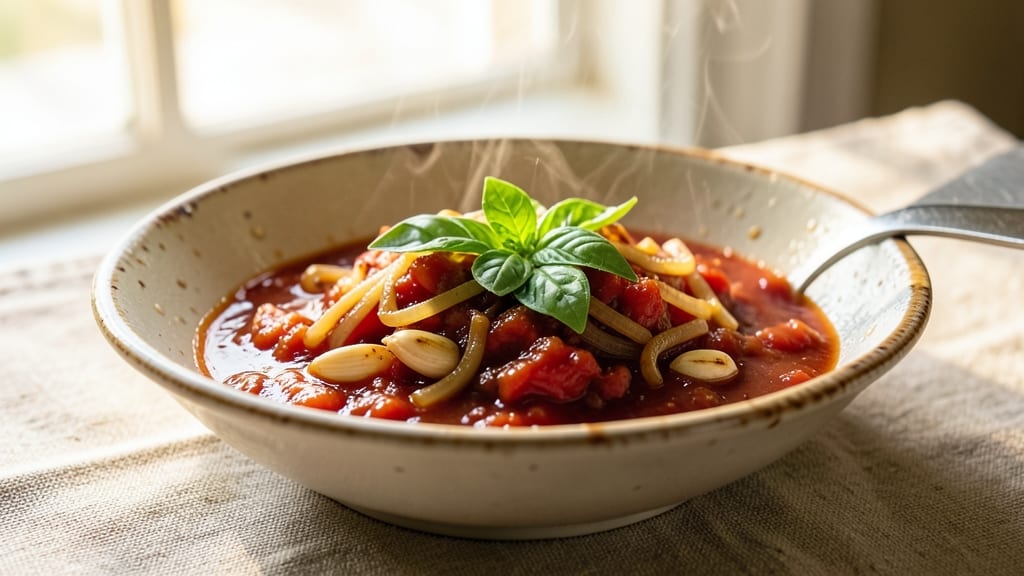
This small-batch canned spaghetti sauce delivers restaurant-quality flavor in just 20 minutes—perfect for pantry staples and meal prep. I developed this recipe after realizing how much better homemade sauce tastes than store-bought, even when using basic ingredients.
The key is balancing canned tomatoes with aromatic herbs and a touch of sweetness to create depth without complexity.
The beauty of this sauce lies in its versatility—use it for pasta, pizza, or as a dip for breadsticks.
With just 3 cups of crushed tomatoes, garlic, onions, and Italian seasoning, you get a rich, flavorful base that's foolproof for beginners but impressive enough for any dinner table.
The small-batch approach means no wasted ingredients, and the sauce keeps well for up to 3 months in the pantry.
What makes this sauce stand out is how it transforms simple ingredients into something extraordinary. The slow simmer allows flavors to meld, while the tomato paste adds a caramelized richness that store-bought versions lack.
Whether you're feeding a family or just craving a cozy weeknight meal, this sauce delivers bold, authentic Italian flavor without the fuss.
Once you taste this sauce, you'll never go back to jarred versions. It's the kind of recipe that becomes a staple in your kitchen—easy to make, even easier to love. Let's get started!
Ingredients for canned spaghetti sauce recipe small batch
Pantry staples transform into restaurant-quality sauce in minutes—simple, bold, and endlessly versatile.
| Ingredient | Amount | Notes |
|---|---|---|
| Crushed Tomatoes (400ml Can) 🍅 | 3 cups | San Marzano preferred for sweetness |
| Tomato Paste 🍅 | 2 tbsp | Squeeze tube works perfectly |
| Yellow Onion 🧅 | 1 whole | Medium size, finely diced |
| Garlic Cloves 🧄 | 4 cloves | Peeled, minced for aroma |
| Olive Oil 🫒 | 2 tbsp | Extra-virgin for richness |
| Dried Basil 🌿 | 1 tsp | Or 1 tbsp fresh basil leaves |
| Dried Oregano 🌿 | ½ tsp | Italian or Mediterranean blend |
| Italian Seasoning 🌶️ | 1 tsp | Or blend dried basil/oregano/thyme |
| Granulated Sugar 🍚 | 1 tsp | Balances acidity |
| Salt 🧂 | 1 tsp | Diamond Crystal preferred |
| Black Pepper 🌶️ | ½ tsp | Freshly cracked preferred |
| Red Wine (Optional) 🍷 | ¼ cup | Dry variety like Chianti |
The crushed tomatoes are the backbone here. San Marzano cans have the perfect balance of sweetness and acidity, but any quality canned tomatoes work in a pinch. Look for brands with minimal additives—Muir Glen or Rao's are my go-tos. The tomato paste is non-negotiable for depth; I always grab the squeeze tubes from Trader Joe's because they're mess-free and last forever. Onions and garlic? Fresh is best, but if you're using frozen, make sure they're thawed and drained well. The Italian seasoning should be a blend of basil, oregano, and thyme—pre-made blends are convenient, but mixing your own gives you control over the flavor profile.
No red wine? Skip it—this sauce is still delicious. Fresh basil? Use it, but if you're stuck with dried, remember it's potent—half the amount of fresh works. The sugar might seem odd, but it's crucial for balancing the acidity in canned tomatoes. Coconut sugar or brown sugar work too if you want a deeper caramel note. For the olive oil, don't skimp—extra-virgin adds a fruity richness that regular olive oil can't match. If you're short on time, pre-chop your onions and garlic and store them in the fridge for up to 3 days. The sauce will keep its vibrancy longer if you add the herbs at the very end of cooking.
This sauce is designed to last. Once canned, it stays fresh for up to 3 months in a cool, dark pantry. I always label my jars with the date and what's inside—permanent marker on masking tape works perfectly. For reheating, just pop the jar in a pot of simmering water for 10 minutes. The flavors actually improve over time, so don't hesitate to make extra. Freeze any leftovers in ice cube trays for single-serving portions—perfect for quick pasta nights. And if you're feeling adventurous, add a splash of balsamic vinegar to the jar before sealing for a tangy twist.
Why You'll Love This Recipe
- No Chopping Chaos: The onion and garlic? Just two quick minces with a knife—no fancy dicing, no crying over onions. I swear, this is the kind of recipe where you can still have a glass of wine while cooking.
- Deep Umami Magic: That little can of tomato paste and crushed tomatoes? It’s the secret weapon. Simmered with garlic until the edges caramelize, it’s rich, tangy, and so much more than jarred sauce.
- Weeknight & Meal Prep Hero: Make a double batch on Sunday, and you’ve got sauce for pasta, pizza crusts, or even breakfast hash. Honestly, I’ve frozen jars for months—it’s that reliable.
- Pantry Stash Gold: Three bucks for a can of tomatoes, a spoonful of paste, and a bulb of garlic? This is the kind of recipe that turns grocery runs into victory laps. Plus, leftovers taste just as good reheated.
Step-by-step instructions for pantry-friendly pasta sauce
Here's how to transform simple pantry staples into rich, restaurant-quality sauce in under 20 minutes.
Sauté Onions and Garlic for Flavor Foundation
Heat the 2 tablespoons olive oil in a medium saucepan over medium heat. Add the finely diced yellow onion and cook for 5-6 minutes, stirring occasionally, until the onions become translucent and just beginning to soften. This step builds the aromatic base that carries through the entire sauce.
Push the onions to one side of the pan and add the minced garlic cloves. Cook for 30 seconds until you can smell that irresistible garlic aroma—don't let it brown or it'll turn bitter. Stir everything together for 10 seconds to combine the flavors before moving to the next step. The onions should be tender but not caramelized at this point.
Build Depth with Tomato Paste and Crushed Tomatoes
Reduce the heat to medium-low and add the 2 tablespoons tomato paste, stirring constantly for 1-2 minutes until it darkens slightly and loses its raw taste. This step develops the sauce's complexity by concentrating the tomato flavors. Add the 3 cups crushed tomatoes and stir well to incorporate.
Bring the mixture to a gentle simmer, then reduce heat to low. Let it cook uncovered for 8-10 minutes, stirring occasionally. You'll see the sauce thicken slightly as the liquid reduces. This slow simmer allows the flavors to meld together without burning. If the sauce starts to stick, add 1-2 tablespoons water to keep it moving.
Season and Simmer to Perfection
Add the 1 teaspoon granulated sugar, 1 teaspoon salt, 0.5 teaspoon black pepper, 1 teaspoon dried basil, 0.5 teaspoon dried oregano, and 1 teaspoon Italian seasoning. Stir well to distribute the seasonings evenly throughout the sauce. If using, pour in the 0.25 cup red wine and let it simmer for 1 minute to cook off the alcohol slightly.
Continue simmering uncovered for 5-7 minutes until the sauce reaches your desired consistency. For a thicker sauce, simmer longer. For a thinner sauce, add 1-2 tablespoons water as needed. The sauce should coat the back of a spoon but still be pourable. Taste and adjust seasoning—you might need a touch more salt or sugar depending on your tomatoes.
Finish with Fresh Herbs (Optional)
Remove the sauce from heat and let it cool for 5 minutes. Stir in 1 tablespoon fresh basil leaves if using, or additional dried herbs if you prefer. The fresh basil adds a bright, aromatic finish that contrasts beautifully with the rich tomato flavors. If you skipped the red wine earlier, this is your last chance to add it now—simmer for an additional 2 minutes to integrate.
For best results, let the sauce sit at room temperature for 10 minutes before serving. This allows the flavors to fully develop and the sauce to thicken slightly. The color should be deep red with a glossy sheen, and the aroma should be rich with tomato, garlic, and herb notes. Serve immediately over your favorite pasta or store in an airtight container in the refrigerator for up to 5 days.
Pro Tips For Making Canned Spaghetti Sauce Recipe Small Batch
- Cook On High First: Use medium-high heat to soften onions and garlic—low and slow here just makes them sweat into mush instead of caramelizing. Once they’re golden (about 5-6 minutes), drop the heat to simmer the tomatoes; that’s when the real flavor starts building.
- Mince Garlic Like You Mean It: Don’t just crush cloves—smear them flat with the side of your knife first, then chop fine. Whole garlic cloves stay tough and bitter, while properly minced garlic dissolves into the sauce and adds depth. (I learned this the hard way after biting into a clove mid-bite.)
- Stir the Paste In: Drizzle tomato paste into the oil first, then whisk it into the onions before adding tomatoes. This prevents clumping and ensures it blends smoothly—no lumpy surprises later. A wooden spoon works best; metal can scratch your pan over time.
- Simmer Uncovered, But Not Boiling: Let the sauce bubble gently for the first 10 minutes to drive off excess water, then reduce to a low simmer and cover loosely. This keeps the texture thick without burning the edges. I used to cover it tight and end up with a watery, sad sauce—don’t make my mistake.
Pro cooking tips for canned spaghetti sauce recipe small batch
Sauté Like a Pro
I can't stress enough how crucial this first step is—taking your time with onions and garlic builds the sauce's soul. Use a medium saucepan (not too wide) so the onions develop a proper fond without burning.
I like to keep my heat at medium and stir every 30 seconds to prevent sticking. If your onions start to brown too quickly, reduce the heat to medium-low.
Pro tip: Add a pinch of salt to the onions while sautéing—it draws out moisture and helps them soften faster. 🧅
Tomato Paste Magic
Never skip cooking the tomato paste until it darkens—this is where the sauce gets its depth. I use a wooden spoon to stir constantly for those 1-2 minutes until it turns from bright red to a deeper, almost caramelized hue.
This step develops the Maillard reaction, creating complex flavors that elevate the entire dish. If you're in a hurry, you can microwave the paste for 15 seconds first, but it won't have the same depth. The crushed tomatoes should go in immediately after—don't let the paste dry out!
Simmer Control
Low and slow is the name of the game here. I maintain a gentle simmer (tiny bubbles breaking the surface) rather than a rolling boil. If you see the sauce bubbling vigorously, reduce the heat immediately.
The goal is to reduce the liquid by about 20%—this concentrates the flavors without burning them. Stir occasionally with a silicon spatula to prevent sticking. I've ruined sauces by walking away during this step—set a timer for 5 minutes to remind yourself to check on it. ⏱️
Seasoning Secrets
Taste your sauce before adding all the seasonings—canned tomatoes vary wildly in saltiness. I usually add half the salt initially, then adjust at the end. The sugar might seem counterintuitive, but it balances the acidity beautifully.
For extra depth, I sometimes add a ½ teaspoon red pepper flakes if I want a little heat. Remember: you can always add more seasoning, but you can't take it out!
Let the sauce sit for 5 minutes after cooking before tasting—this lets the flavors settle and gives a more accurate reading.
Fresh Herb Finish
Fresh basil transforms this sauce from good to extraordinary. I pulse 1 tablespoon fresh basil in a mini food processor with 1 teaspoon water, then stir it in at the end. This mimics the effect of finely chopping by hand without the mess.
If you don't have fresh herbs, crush the dried ones between your fingers to release their oils before adding. The red wine (if using) should simmer for 2 minutes to cook off the alcohol completely.
I always let the sauce rest for 10 minutes before serving—this allows the flavors to meld perfectly and the sauce to thicken slightly. 🌿
Equipment Essentials
You don't need fancy tools, but a few basics make all the difference. My go-to is a 3-quart stainless steel saucepan—it heats evenly and won't react with acidic ingredients. A fine-mesh strainer comes in handy if you want to remove any onion skins.
For measuring, I recommend a liquid measuring cup for the tomatoes and a small spoon for the spices. If you're making this often, consider a garlic press—it saves time and gives consistent mincing.
And always keep a small bowl of water nearby to quickly deglaze the pan if the sauce starts to stick. 🍲
Nutrition facts
Frequently asked questions
Can I make this sauce without red wine?
The red wine adds depth but isn't essential. Simply omit it and increase the crushed tomatoes by 2 tablespoons to maintain balance. The sauce will still be rich and flavorful—just without that subtle wine complexity. For a similar effect, try 1 teaspoon balsamic vinegar at the end.
How do I adjust this recipe for a thicker or thinner sauce?
For a thicker sauce, simmer uncovered for 5-10 extra minutes to reduce the liquid. If it gets too thick, add 1 tablespoon water or broth at a time. For a thinner consistency, simply add water gradually while simmering. The ideal texture should coat the back of a spoon but remain pourable.
Can I substitute fresh tomatoes for the canned ones?
Yes, but you'll need 4-5 medium fresh tomatoes (peeled, seeded, and chopped). Simmer them first for 10 minutes to break down their texture before adding other ingredients. Fresh tomatoes have more water content, so you may need to simmer longer to achieve the same thickness.
What's the best way to store and reheat this sauce?
Store in an airtight container in the fridge for up to 5 days or freeze for 3 months. To reheat, warm in a saucepan over medium-low heat for 5-7 minutes, stirring occasionally. For jarred sauce, place the sealed jar in a pot of simmering water for 10 minutes. Never reheat directly in the microwave—it can make the sauce watery.
How can I make this sauce spicier?
Add ½ teaspoon red pepper flakes with the other seasonings, or stir in 1 teaspoon hot sauce at the end. For a smoky kick, include ½ teaspoon smoked paprika. If you love heat, try 1-2 chopped fresh chili peppers (like jalapeño) with the onions. Always taste first—you can adjust, but you can't remove the heat!